
Finding the right diffuser for a small Housing & Development Board (HDB) bedroom in Singapore requires balancing effective fragrance delivery with the unique constraints of compact tropical living. In a typical cozy bedroom, space on nightstands or dressing tables is highly limited, and the local climate already brings high ambient humidity. The ideal solution is a compact, quiet device that disperses scent efficiently without oversaturating the air, creating excessive moisture, or cluttering your living space.
To make an informed decision, you must understand how different diffusion technologies interact with small, enclosed environments. By evaluating physical footprints, noise levels, moisture output, and safety features, you can select a device that enhances your bedroom’s ambiance while maintaining a comfortable and healthy indoor climate.
Understanding Diffuser Types for Small, Enclosed Spaces
Selecting a diffuser begins with comparing the core technologies available on the market. Each method of scent dispersion has distinct physical characteristics, power requirements, and moisture outputs that affect its suitability for a compact sleeping area.
Products mentioned in this guide
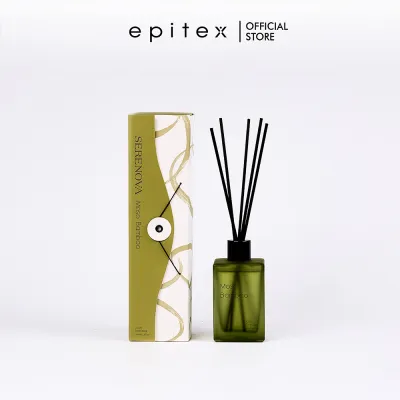
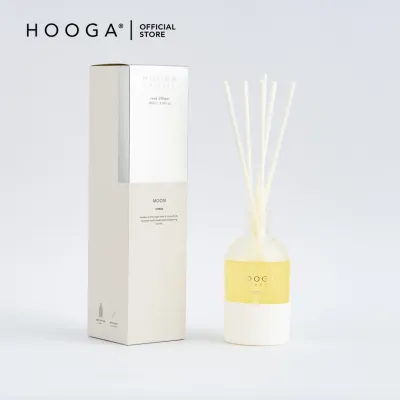
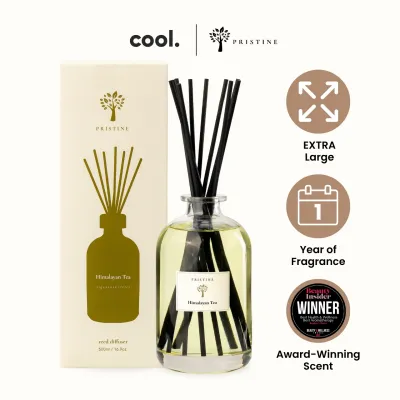
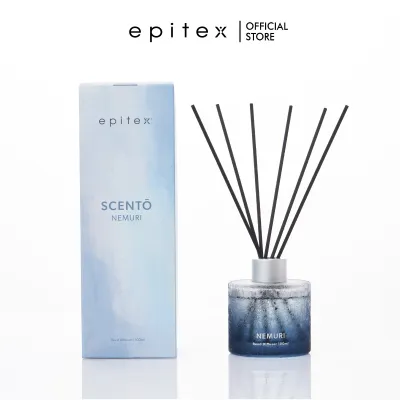
Prices are valid at publication and may change. Please refer to the product page for the latest price.
Ultrasonic diffusers are among the most common options available. These devices use water and high-frequency ultrasonic vibrations to break essential oils and water into a fine, cool mist. While they are generally quiet and double as very mild humidifiers, they constantly add moisture to the air. In a small HDB bedroom, especially one that is not constantly air-conditioned, this extra moisture can quickly lead to a damp environment.
Nebulizing diffusers offer a waterless alternative by using pressurized air currents to atomize pure essential oils into a microscopic vapor. Because they do not require water, they do not increase the room’s humidity levels, making them highly suitable for Singapore’s naturally humid climate. However, the mechanical air pumps inside nebulizers can produce more audible vibration and noise than ultrasonic models.
Heat diffusers use gentle thermal energy to evaporate essential oils from a small tray or dish. They operate completely silently because they lack moving parts or fans. The trade-off is that the heat can sometimes alter the chemical profile and aroma of delicate oils, and the heating element requires careful placement to prevent accidental burns.
Evaporative diffusers utilize a small internal fan to blow air through a pad or filter saturated with essential oil. This method is low-moisture and highly portable, often running on batteries or USB power. However, the fan creates a continuous blowing sound, and you must factor in the ongoing cost and availability of replacement filters or pads.
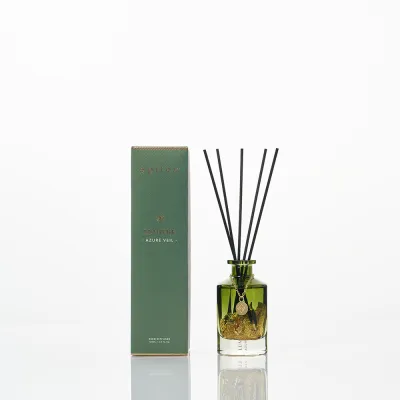
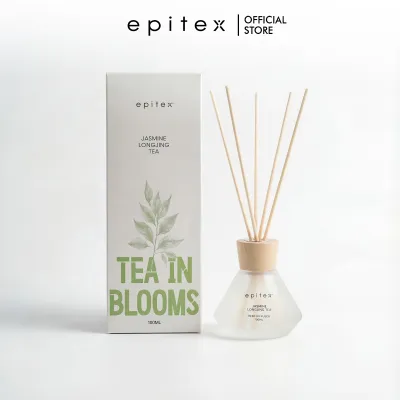
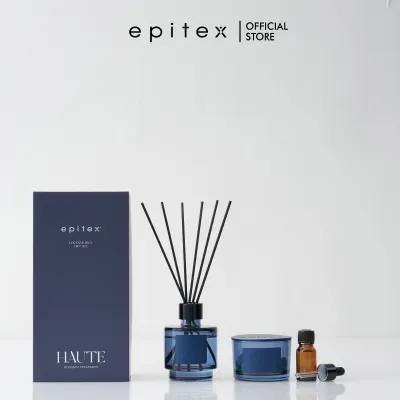
Passive diffusers, such as reed diffusers, ceramic stones, or simple room sprays, require no electricity and produce zero moisture. They rely on natural airflow to disperse scent gradually throughout the space. While they cannot be turned off or adjusted with a timer, they are excellent, risk-free options for those who want a subtle, continuous background fragrance without any mechanical noise or power consumption.
It is important to note that product category names or marketing labels do not automatically guarantee suitability for a compact sleeping area. You must look past the packaging and evaluate the specific physical mechanism, dimensions, and output style of the device to ensure it fits your room’s layout.
Key Features to Evaluate for Compact and Quiet Operation
Once you have decided on a diffuser type, you must evaluate the specific design features of individual models to ensure they operate quietly and fit neatly within your bedroom layout.

Physical footprint is the first constraint to measure. In a small bedroom, bedside tables or floating shelves are often narrow. Look for a diffuser with a compact base diameter that leaves plenty of room for other essentials like your phone, glasses, or a bedside lamp. A tall, slender design can save valuable surface area, but ensure it has a stable, non-slip base so it cannot be easily knocked over in the dark.
Tank capacity directly influences both the physical size of the device and its continuous run time. For a small bedroom, a massive water tank is rarely necessary. A smaller tank capacity, typically between 80ml and 150ml for ultrasonic models, keeps the device’s physical size minimal while still providing several hours of continuous or intermittent misting.
Acoustic performance is critical for maintaining a restful sleeping environment. Before purchasing, identify potential noise sources. Some ultrasonic diffusers produce a noticeable dripping or bubbling sound as water condenses and falls back into the reservoir, while others have internal fans that emit a high-pitched hum. Look for models with documented low-decibel ratings or those that feature silent, fanless operation.
Adjustable settings and control features allow you to customize the diffuser’s operation to your sleeping patterns. Prioritize devices that offer intermittent mist modes, which cycle the dispersion on and off at set intervals. This feature drastically reduces both oil consumption and moisture output. Built-in timers and an automatic shutoff feature are also essential, ensuring the device powers down safely once the water or oil is depleted or after a set number of hours.
Finally, examine the power connection and cable design. In Singapore, electrical appliances should ideally connect to standard wall outlets using compatible plugs, or utilize a versatile USB interface that can draw power from a standard phone adapter. Check the length of the included power cord to ensure you can place the diffuser in your preferred location without stretching the cable tightly or relying on hazardous extension cords.
Managing Moisture and Air Quality in Small Bedrooms
Using any water-emitting device in a small, enclosed room requires careful management to prevent indoor air quality issues. High humidity levels can encourage the growth of mold, dust mites, and mildew, which can compromise your comfort and respiratory health.
Monitor your bedroom regularly for observable signs of over-humidification. If you notice condensation forming on the inside of your window panes, dampness on your bedding or curtains, or a persistent musty odor, your room has accumulated too much moisture. If these signs appear, you should immediately reduce the run time of your diffuser or switch to a waterless or passive alternative.
Adequate ventilation is the most effective way to balance fragrance enjoyment with healthy air quality. When running an ultrasonic diffuser, try to leave your bedroom door slightly ajar to allow air exchange with the rest of the home. If you prefer to sleep with the door fully closed, consider running a mechanical exhaust fan or operating your home’s air-conditioning system, which naturally dehumidifies the indoor air.
Rather than relying on fixed, universal run-time recommendations, adjust your diffuser’s output based on your specific room volume and personal comfort. A compact HDB bedroom requires a fraction of the scent output needed for a spacious living room. Running a device on its lowest setting or using a strict intermittent timer is usually more than enough to fill a small room with a pleasant aroma.
It is also helpful to understand the functional difference between a dedicated room humidifier and an aroma diffuser. Humidifiers are engineered specifically to disperse large volumes of water to raise indoor humidity levels significantly. Aroma diffusers, even water-based ultrasonic ones, focus primarily on oil dispersion and release a much smaller volume of moisture, making them far safer for small rooms when used moderately.
Safety and Placement Guidelines for HDB Bedrooms
Proper placement and operational safety are essential to protect your home, your belongings, and your household members from accidental damage or health sensitivities.
Always maintain safe clearances between your diffuser and surrounding objects. Keep water-emitting or oil-dispersing devices at least one meter away from sensitive electronics, power outlets, bedding, curtains, and untreated wooden furniture. Essential oil mist can leave a fine, oily residue over time, which can damage delicate wood finishes or clog electronic cooling vents.
Cable routing must be managed carefully to prevent physical hazards. In tight walking spaces around a bed, a loose, dangling power cord can easily become a tripping hazard, especially during the night. Secure the power cable flat against the wall or route it neatly behind heavy furniture where it cannot be accidentally pulled or stepped on.
Verify all essential oil safety labels and manufacturer warnings before diffusing any scent. Certain essential oils contain compounds that can be highly irritating or toxic to domestic pets, particularly cats and dogs, who lack the liver enzymes to process them. Furthermore, individuals with pre-existing respiratory conditions, such as asthma or severe allergies, may experience airway irritation from highly concentrated airborne oils.
Before operating any electrical diffuser, verify its electrical safety certifications. For devices powered by external wall adapters in Singapore, ensure the adapter carries the local Safety Mark to guarantee it has been tested for electrical safety. Always consult the specific product manual for required clearances and operating instructions, and immediately disconnect the power if the device exhibits unusual heat, leaks, or strange odors.
Building Your Shortlist: A Step-by-Step Selection Checklist
To finalize your diffuser selection, use this practical step-by-step checklist to match potential products against your specific bedroom conditions.
- Measure the Available Surface Area: Use a measuring tape to find the exact width and depth of your nightstand, shelf, or dresser. Use these measurements as a hard limit for the base dimensions of any diffuser you consider.
- Define Your Noise Tolerance: Decide if you are sensitive to hums, clicks, or dripping sounds during sleep. If you are a light sleeper, prioritize passive diffusers or ultrasonic models with silent modes.
- Verify Power and Plug Compatibility: Confirm that the device uses a standard plug compatible with Singapore outlets or a standard USB connection. Ensure the cord length is sufficient to reach your outlet safely.
- Check for Essential Control Features: Ensure any model on your shortlist includes an automatic shutoff function, a built-in timer, and an intermittent mist setting.
- Review Safety Certifications: Look for clear manufacturer labeling, accessible customer support contact details, and recognized electrical safety certifications on the power adapter.
Frequently Asked Questions (FAQ)
Can I use a standard humidifier instead of a diffuser in a small bedroom?
Standard humidifiers are designed specifically to disperse large volumes of moisture to raise room humidity, which can easily cause excessive dampness, condensation, and mold growth in a small, enclosed HDB bedroom. Additionally, adding essential oils to a standard humidifier can degrade its plastic components, clog its internal mechanisms, or create unsafe aerosol concentrations, unless the manufacturer explicitly states the device is designed for essential oil use.
Are waterless nebulizing diffusers too strong for a compact room?
Because nebulizing diffusers disperse pure, undiluted essential oil without water, they produce a highly concentrated scent that can quickly overwhelm a small bedroom. To prevent sensory fatigue, headaches, or respiratory irritation in a compact space, it is best to use a nebulizer equipped with an intermittent timer (such as cycling on for a few seconds and off for several minutes), place the unit as far from your bed as possible, or choose lighter, less intense oil blends.
Community discussion
Share your experience or ask a question. Comments are reviewed before publication.