
Selecting a diya lamp for your home altar during the Hungry Ghost Festival requires balancing deep-seated spiritual traditions with the practical safety needs of modern apartment living. For active, supervised prayer sessions, traditional brass or glass-enclosed windproof diya lamps offer the symbolic warmth of a real flame. For continuous, unattended illumination—especially in high-rise apartments with ceiling fans or strict fire safety rules—modern LED battery-operated diyas provide a safe, convenient, and highly reliable alternative.
By understanding the unique material properties of different lamps and following essential safety guidelines, you can maintain a respectful and beautiful altar setup. This guide evaluates the best options available to help you make an informed decision for your household.
Understanding Altar Requirements for the Hungry Ghost Festival
The Hungry Ghost Festival, observed during the seventh month of the lunar calendar, is a time of deep spiritual significance. During this period, it is believed that the gates of the afterlife open, allowing spirits to visit the living realm. Maintaining a steady, continuous light on your home altar serves a vital purpose: it acts as a guiding beacon, offering warmth, comfort, and respect to wandering ancestral spirits. The light symbolizes the triumph of clarity over darkness, helping to maintain a peaceful and harmonious environment within the household.
Products mentioned in this guide
![Partyforte Deepavali 9 PCS Red Clay Diya (5 CM) [LOCAL SELLER FAST DELIVERY!] Great for Diwali and Prayers!](https://img.lazcdn.com/g/p/61badae45e509f7c4bf171dd2af536d0.jpg_400x400q80.jpg_.webp)
Prices are valid at publication and may change. Please refer to the product page for the latest price.
Traditional preferences strongly favor warm, golden, or deep red tones for altar lighting. These colors are closely associated with positive energy, vitality, and auspiciousness in Chinese cultural practices. Conversely, stark white or cool blue lights are generally avoided on festive altars, as they can evoke a cold, clinical, or somber atmosphere that is culturally inappropriate for welcoming spirits. The goal is to create an inviting, respectful space that radiates warmth and positive energy.
In modern Singapore, housing landscapes present unique environmental and spatial challenges. Most families reside in high-rise public housing (HDB flats), where altar space is often compact and integrated into multi-functional living areas. Drafts from open windows, running ceiling fans, or air-conditioning units can easily extinguish an open flame or cause it to flicker erratically. Additionally, the close proximity of neighbors and the presence of sensitive household smoke detectors necessitate a highly cautious approach to managing open flames and smoke indoors.
Best Diya Lamp Types for Home Worship
Choosing the right diya lamp involves understanding how different materials and designs perform in a home environment. Each type offers distinct advantages and trade-offs regarding authenticity, safety, and maintenance.

Traditional Clay and Terracotta Diyas
Earthen clay diyas, crafted from natural terracotta, represent one of the most authentic and ancient forms of light offering. Their rustic appearance and organic composition connect worshipers directly to traditional practices, offering an eco-friendly and biodegradable option. For many, the simple beauty of a clay lamp brings a profound sense of humility and devotion to the altar setup.
However, unglazed clay is a highly porous material. When you fill a terracotta diya with oil, the liquid gradually seeps into the microscopic pores of the clay through capillary action. Over time, the outer walls of the lamp become saturated, which can lead to oil leaking onto your altar surface or leaving persistent stains. Because of this natural absorption, clay diyas are typically treated as temporary, single-use, or short-term ceremonial items rather than permanent fixtures.
If you choose to use traditional clay diyas, they are best suited for well-ventilated outdoor corridor altars or dedicated balcony setups where air circulation is high. When placing them outside, always ensure they are set on a sturdy, non-combustible base and are positioned away from any flammable materials or strong wind currents that could tip them over.
Reusable Brass and Metal Diyas
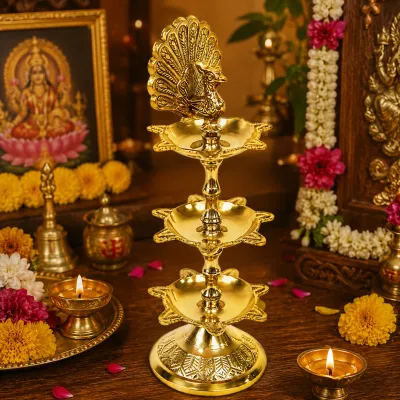
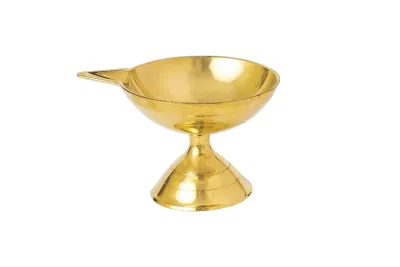
Brass and other metal alloy diyas are highly favored for indoor home altars due to their exceptional durability, classic golden luster, and long-term reusability. A high-quality brass lamp can serve as a permanent centerpiece on your altar, lasting for decades and often being passed down through generations as a cherished family heirloom. The reflective surface of polished brass also beautifully amplifies the warm glow of the flame, enhancing the visual solemnity of your prayers.
A key physical characteristic of metal is its high thermal conductivity. As the cotton wick burns, the brass body of the lamp absorbs heat rapidly and can become extremely hot to the touch. If you place a hot metal diya directly on a wooden altar table or a synthetic laminate surface, the intense heat can warp the wood, blister the protective varnish, or leave permanent scorch marks. To prevent this damage, always place your metal diyas on a thick, heat-resistant base, such as a ceramic tile, a stone coaster, or a dedicated metal tray.
To maintain the aesthetic appeal of your brass diyas and prevent the buildup of rancid oil, regular maintenance is required. Over time, oxidized oil, dust, and soot will combine to form a stubborn, sticky residue on the metal surface. Cleaning your brass lamps shortly after use prevents this buildup and preserves the metal’s natural shine, ensuring your altar remains clean and respectful.
Glass-Enclosed and Windproof Diyas
Managing drafts is a constant challenge when maintaining an open flame on an indoor altar. Glass-enclosed diyas, which feature a protective glass chimney or a deep hurricane-style glass sleeve, offer an elegant and highly practical solution to this problem. By shielding the open flame from surrounding air currents, these lamps ensure a steady, clean, and uninterrupted burn.
The stabilization of the flame is crucial for maintaining a continuous light offering, as it prevents the wick from flickering wildly, producing excessive soot, or blowing out unexpectedly. This makes glass-enclosed diyas exceptionally well-suited for indoor altars in Singaporean flats, where ceiling fans, open windows, or air-conditioning units are frequently in use.
In addition to protecting the flame from drafts, the physical barrier of the glass chimney provides a significant safety benefit. It prevents loose paper items, clothing sleeves, or nearby curtains from coming into direct contact with the open fire. It also helps contain any minor splatters of hot oil, keeping your altar clean and reducing the risk of accidental ignition.
LED and Battery-Operated Diyas
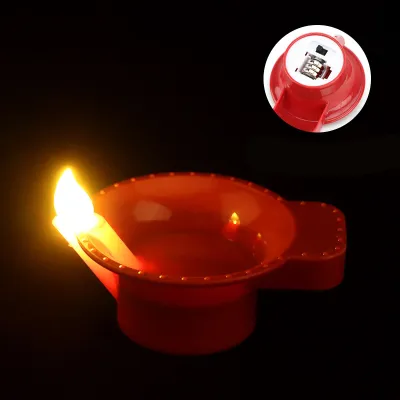
While traditional customs place a high value on the purifying element of real fire, electronic LED diyas have become widely accepted in contemporary households. These modern alternatives replicate the warm, comforting flicker of a traditional flame without generating heat, smoke, or an open fire hazard. They offer a highly practical way to honor traditions while prioritizing modern home safety.
LED diyas are strongly recommended for households with young children, active pets, or elderly family members who might accidentally knock over a traditional oil lamp. They are also the only safe option when the altar light must be left illuminated continuously while the home is unattended, such as during working hours or overnight while the family is asleep.
When selecting LED diyas, always verify their electrical and battery specifications to ensure safe operation. For battery-operated models, check the required battery type (such as AAA or button cells) and look for models with built-in energy-saving timers that automatically turn off after a set period. If you prefer a plug-in electronic model, verify that it carries recognized safety certifications, matches Singapore’s 230V electrical standards, and features an undamaged power cord. For any permanent or custom electrical installations near your altar, always isolate the power at your main distribution board and hire a licensed electrical worker (LEW) to complete the work safely.
Choosing the Right Fuel and Wicks for a Steady Flame
The type of fuel you choose directly influences the safety, scent, and quality of the light on your altar. In Chinese domestic worship during the Hungry Ghost Festival, vegetable-based oils such as peanut oil and sesame oil are traditional favorites. These natural oils burn with a pleasant, familiar aroma that is deeply associated with festive rituals. In contrast, clarified butter (ghee) is the standard fuel used in Hindu religious ceremonies. It is always best to follow your specific family customs and lineage when selecting your fuel.
You must avoid using highly flammable synthetic oils, kerosene, or low-grade paraffin oils on your home altar. These chemical fuels burn at dangerously high temperatures, present a severe fire hazard indoors, and release thick black smoke and toxic fumes. This smoke can quickly compromise indoor air quality, trigger respiratory discomfort, and leave unsightly black soot deposits on your walls, ceilings, and sacred altar items.
The wick is equally important for maintaining a controlled and steady burn. Pure cotton wicks are highly recommended because they draw up the oil evenly through natural capillary action. It is essential to select a wick size that matches the scale of your diya bowl; a wick that is too thick will create a flame that is too large, smoky, and difficult to control, while a wick that is too thin may drown in the oil and extinguish itself.
For those seeking a convenient, low-mess alternative, modern tea light candles can be placed inside reusable metal or glass diya holders. These pre-packaged candles eliminate the need to handle liquid oil, prevent accidental spills, and offer a predictable, self-contained burn time. This makes them an excellent option for busy households looking to simplify their altar setup and cleanup.
Essential Fire Safety and Placement Rules for Apartments
Operating an open-flame diya lamp inside a high-rise apartment requires strict adherence to fire safety protocols to protect your home and your community. First and foremost, never place an active oil lamp directly on a combustible surface. Always position the lamp on a broad, non-combustible tray made of metal, ceramic, or heavy glass. This tray serves as a vital safety barrier, catching any accidental oil drips, sparks, or tipping lamps before they can ignite surrounding surfaces.
Establish a clear safety perimeter around your altar setup. Keep all open flames at least one meter away from highly flammable materials, including paper effigies, joss paper piles, hanging curtains, table runners, and decorative fabrics. Ensure there is ample vertical clearance above the lamp so that heat rising from the flame does not scorch or ignite the underside of shelves, cabinets, or ceiling fixtures.
A fundamental safety rule is to never leave an open flame completely unattended. If you are leaving your home, going to bed, or cannot actively monitor the altar, extinguish the flame completely. You can seamlessly transition to an LED diya during these periods to maintain the symbolic continuous light without risking a household fire.
Finally, always stay informed of local housing and community guidelines. The Singapore Civil Defence Force (SCDF) and local Town Councils provide clear advisories regarding open flames and burning activities in shared corridors, common areas, and near public pathways. Ensure your worship practices do not obstruct escape routes, pose a nuisance to neighbors, or trigger sensitive indoor smoke detectors.
Quick Comparison: Which Diya Lamp Fits Your Home?
| Lamp Type | Best Use Case | Fire Risk Level | Maintenance Effort |
|---|---|---|---|
| Traditional Clay | Outdoor corridor or well-ventilated balcony setups | High | High (Single-use or short-term) |
| Brass / Metal | Supervised indoor prayers on heat-resistant bases | High | Medium (Requires regular polishing) |
| Glass-Enclosed | Indoor altars with drafts or ceiling fans | Medium | Medium (Requires glass cleaning) |
| LED / Electronic | Unattended continuous light, homes with pets/kids | None | Low (Occasional battery replacement) |
Frequently Asked Questions (FAQ)
Can I use LED diyas instead of real fire for Hungry Ghost Festival?
Yes, LED diyas are widely accepted and highly practical for modern home worship, especially in high-rise apartments where fire safety is a primary concern. While traditional practices value the purifying element of real fire, the symbolic representation of light is what matters most. Many families choose a hybrid approach: using a real-flame brass or glass-enclosed diya during active, supervised prayer sessions, and switching to a safe LED diya when the altar is left unattended overnight or during the day.
How many diya lamps should I place on the altar?
There is no single universal rule governing the exact number of diya lamps required on a home altar, as practices often vary based on family traditions and the size of your altar. Commonly, lamps are placed in pairs (two lamps) to represent balance, harmony, and symmetry on either side of the altar. However, for smaller or more compact setups, a single central lamp is also perfectly acceptable and serves as an effective focal point for your offerings.
How do I clean oil residue from a brass diya?
To clean oil residue and soot from a brass diya, first allow the lamp to cool completely. Wipe out any remaining liquid oil with a paper towel. Wash the lamp with warm water and a mild dish soap to cut through the grease. For stubborn tarnish or baked-on soot, apply a gentle paste made of equal parts baking soda and water, or use a specialized brass polish. Gently rub the paste onto the metal with a soft cloth, rinse thoroughly with warm water, and dry the lamp immediately with a clean microfiber towel to prevent water spots and preserve the brass’s natural shine. Avoid using harsh abrasive scrubbers, as they can scratch the polished metal surface.
Community discussion
Share your experience or ask a question. Comments are reviewed before publication.