
Selecting the ideal diya stand involves more than finding an attractive piece; it requires aligning the material, finish, and form with your existing interior design while ensuring robust heat resistance and physical stability. Whether you are decorating a heritage-inspired prayer space or adding a warm accent to a sleek, contemporary living room, the right stand serves as both a functional light source and a deliberate design statement. By balancing aesthetic harmony with practical safety checks, you can elevate your home’s atmosphere while maintaining a secure environment.
In modern homes, particularly compact urban apartments where space is carefully curated, a diya stand must be evaluated for its spatial footprint and material compatibility. A mismatched stand can easily clutter a room or, conversely, get lost against a busy background. Understanding how different materials interact with your home’s lighting, humidity, and furniture finishes is the first step toward making an informed purchase that brings both beauty and peace of mind.
Core Principles for Matching Diya Stands to Interior Styles
Integrating a diya stand into your home decor requires a thoughtful approach to visual balance. The first decision is whether to aim for contrast or harmony. A harmonious approach involves selecting a stand that shares materials, colors, or design languages with the surrounding furniture—such as placing a warm, polished brass stand on a classic teak wood credenza. Conversely, a contrast-based approach uses the stand as a deliberate focal point, such as placing a dark, oxidized bronze stand against a stark, light-colored minimalist wall to draw the eye immediately to the flame.
Products mentioned in this guide
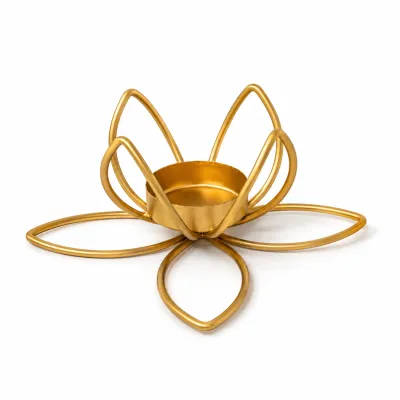
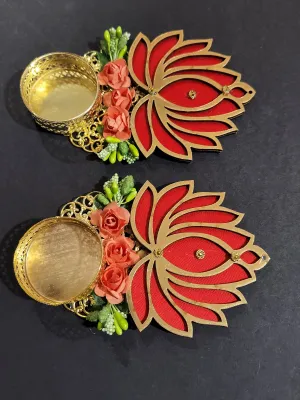
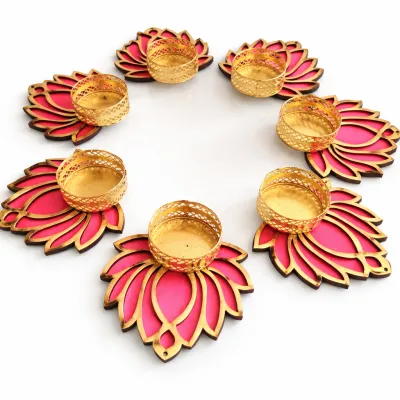

Prices are valid at publication and may change. Please refer to the product page for the latest price.
Scale and proportion are equally critical when positioning a diya stand within a room. A massive, multi-tiered floor stand will overwhelm a small entryway or a narrow floating shelf, creating a cramped feel. For smaller surfaces, low-profile or single-tier stands preserve open space and maintain balanced sightlines. Conversely, a tiny, delicate stand placed on a large dining table or a spacious mantelpiece can look insignificant and fail to deliver the desired visual impact. Always measure the footprint and height of the stand against the specific surface it will occupy, leaving ample breathing room around it.
Finally, consider how the finish and texture of the stand interact with your room’s lighting and color palette. Highly polished metallic finishes, such as bright gold brass or copper, reflect both natural sunlight and artificial light, adding brightness and a sense of luxury to a space. Matte, brushed, or unpolished finishes absorb light, offering a more grounded, subtle, and organic presence. The texture of the stand—whether smooth and sleek or heavily carved and rustic—should complement the dominant textures in your room, such as smooth glass, rough-hewn wood, or soft textiles.
Recommended Diya Stand Styles by Home Decor Theme
To simplify your selection process, it helps to categorize diya stands into three primary design themes: traditional, contemporary, and minimalist. Each theme utilizes distinct materials, shapes, and finishes to evoke a specific mood and complement corresponding interior styles.

Evaluating the visual weight of a diya stand is essential to maintaining balance on any styled surface. Visual weight refers to how much attention an object demands; a highly ornate, dark metal stand has high visual weight, while a simple, clear glass or light ceramic stand has low visual weight. By matching the visual weight of the stand to the overall design theme of your room, you ensure that the lighting element enhances rather than disrupts the surrounding decor.
Traditional and Heritage Interiors
Traditional and heritage interiors thrive on warmth, history, and intricate craftsmanship. For these spaces, diya stands crafted from unpolished brass, bronze, or oxidized metals are ideal. These materials carry a natural weight and depth that complement classic wooden furniture, rich textiles, and detailed architectural features. Over time, unpolished metals develop a unique patina that enhances their vintage appeal, making them feel like cherished family heirlooms rather than mass-produced items.
Design elements in this category are characterized by ornate carvings, tiered structures, and classic cultural motifs. Look for stands featuring detailed depictions of peacocks, lotus flowers, or traditional oil lamp shapes with multiple wick holders. These intricate details catch the flickering light of the flame, casting beautiful, complex shadows that add depth and drama to the room. The craftsmanship of these pieces serves as a celebration of artistic heritage, making them excellent conversation starters.
Traditional stands are best placed in dedicated prayer rooms, on heavy solid wood console tables in entryways, or as focal points in classic living areas. Because these stands are often heavy and visually dominant, they pair beautifully with dark wood finishes like teak, rosewood, or mahogany. Placing them in areas with warm, ambient lighting further enhances their golden or bronze undertones, creating a welcoming and serene atmosphere for residents and guests alike.
Contemporary and Transitional Spaces
Contemporary and transitional spaces bridge the gap between classic warmth and modern simplicity. For these interiors, look for diya stands made from polished brass, copper, or mixed materials, such as metal paired with marble or finished wood bases. These materials offer the familiar warmth of traditional metalwork but feature cleaner, more refined finishes that align with modern design sensibilities.
Design elements in contemporary stands focus on geometric shapes, clean lines, and subtle textures. Instead of heavy, intricate carvings, these stands often feature sleek curves, open wireframes, or stylized, abstract interpretations of traditional motifs. This approach allows the stand to retain its cultural significance while presenting a lighter, more streamlined silhouette that avoids visual clutter in multi-functional living areas.
These versatile stands are highly suited for styling on coffee tables, open architectural shelving, or as centerpieces on dining tables. They work exceptionally well in rooms with neutral color palettes, where the polished metal adds a touch of warmth and sophistication without clashing with existing decor. When styled on a shelf, pair them with books or small ceramic vases to create a balanced, curated display.
Minimalist and Modern Aesthetics
Minimalist and modern homes prioritize simplicity, functionality, and clean, uncluttered spaces. Diya stands designed for these environments typically utilize non-traditional materials such as matte black metal, brushed stainless steel, matte ceramic, or clear, heat-resistant borosilicate glass. These materials offer a neutral, understated look that blends seamlessly into a sleek interior.
Design elements are stripped down to their essential forms, focusing on simple cylinders, cubes, or flat, unembellished bases. Many modern designs feature hidden oil reservoirs or single-wick configurations that emphasize negative space and clean lines. The beauty of these stands lies in their geometric precision and the purity of the materials used, allowing the flame itself to be the primary visual element rather than the vessel holding it.
Minimalist stands are highly effective when placed on floating shelves, low-profile TV consoles, or minimalist bedside tables. Because they have low visual weight, they do not disrupt the clean lines of a modern room. They are particularly useful in smaller homes where maintaining an open, airy feel is a priority, providing a calming light source without taking up unnecessary visual or physical space.
Essential Checks Before Purchasing a Diya Stand
Before purchasing a diya stand, it is crucial to verify its functional features to ensure it is safe, durable, and practical for regular use. The primary consideration must always be heat resistance and material stability. Ensure that the stand’s frame, base, and any surrounding decorative elements are constructed from materials that can withstand prolonged exposure to open flames and high temperatures. Metals, stone, and high-quality ceramics are excellent choices; however, check that any joints, solder points, or adhesives used in the construction are rated for high heat to prevent warping, cracking, or structural failure over time.
Another practical aspect to evaluate is the stand’s drip catchment and ease of cleaning. Burning oil or melting wax can easily spill over the edges of a poorly designed stand, potentially damaging expensive wooden tables, stone countertops, or fabric runners. Look for stands that feature wide integrated trays, deep wells, or raised outer rims designed specifically to catch any runaway drips. Additionally, consider how easy the material is to clean; smooth, non-porous surfaces allow for much easier removal of hardened wax or oil residue than highly textured or intricate filigree patterns.
Physical stability is paramount for any decor item that holds an open flame. A top-heavy stand or one with a narrow, unstable base poses a significant fire hazard, especially in active households. Prioritize stands with a low center of gravity and a wide, heavy base that resists tipping if accidentally bumped. This is particularly important if you have young children or pets in the home. If you are considering a tall floor stand, physically test its stability by gently nudging it to ensure it settles back into place immediately without wobbling.
If you prefer the convenience of electric or LED-based diya stands, electrical safety must be your top priority. Verify that the product is compatible with local voltage standards and features the appropriate plug type. Look for recognized electrical safety certifications, such as the Safety Mark in Singapore, which indicates the device’s wiring, adapter, and internal components have been tested and approved for safe home use. Avoid using uncertified electric stands for extended periods, and always inspect the power cord for any signs of fraying or damage before plugging it in.
Safe Placement and Maintenance Guidelines
To protect both your home’s surfaces and the longevity of your diya stand, proper placement and maintenance are essential. Always maintain a safe clearance distance of at least one meter from any flammable materials, including curtains, window blinds, upholstery, hanging tapestries, and overhead wooden shelves. Ensure the stand is placed on a flat, level surface away from high-traffic pathways, open windows, or air conditioning vents, as sudden drafts can cause the flame to flicker violently or carry sparks toward nearby objects.
Even heat-resistant stands can transfer significant thermal energy to the surfaces they rest upon. To prevent heat damage, discoloration, or oil staining on wooden, painted, or lacquered furniture, always place a protective barrier beneath the stand. A heat-resistant silicone mat, a decorative marble slab, a ceramic tile, or a thick cork coaster works beautifully to shield your furniture while adding an extra layer of style to your setup.
| Material Type | Recommended Cleaning Method | Avoid | Best For |
|---|---|---|---|
| Polished Brass & Copper | Warm water, mild dish soap, microfiber cloth | Abrasive scrubbers, harsh chemical solvents | Contemporary & Transitional |
| Unpolished Brass & Bronze | Dry microfiber dusting, specialized metal polish | Water exposure (can cause green oxidation) | Traditional & Heritage |
| Matte Ceramic & Glass | Warm soapy water, soft sponge | Sudden temperature changes, steel wool | Minimalist & Modern |
| Matte Black Metal | Damp microfiber cloth, immediate drying | Acidic cleaners, abrasive pads | Minimalist & Modern |
Routine maintenance preserves the finish of your stand and ensures safe operation. For metal stands, avoid using harsh chemical solvents or abrasive scrubbing pads, which can permanently scratch polished surfaces or strip away protective patinas. Instead, use a soft microfiber cloth dampened with warm water and mild soap to gently wipe away soot and oil. For glass components, ensure they have cooled completely to room temperature before washing to prevent thermal shock, which can cause the glass to crack or shatter.
Frequently Asked Questions (FAQ)
Can I use a traditional brass diya stand in a modern minimalist home?
Yes, you can successfully integrate a traditional brass diya stand into a minimalist home by using it as a deliberate, curated focal point. Rather than cluttering the space with multiple decorative items, place a single, high-quality traditional stand on a clean surface, such as a minimalist console table or a floating shelf. To maintain the minimalist aesthetic, surround the stand with ample negative space, allowing its intricate details and warm metallic finish to stand out without overwhelming the room’s clean lines.
Are glass diya stands safe for prolonged use?
Glass diya stands are safe for prolonged use only if they are constructed from high-quality, heat-treated borosilicate glass, which is specifically designed to withstand high temperatures and thermal expansion. Always check the manufacturer’s specifications to confirm the glass type before purchasing. To ensure safety, avoid exposing the glass to sudden temperature changes—such as pouring cold oil into a hot stand—and carefully inspect the glass for any micro-cracks, chips, or scratches before each use, as these imperfections can cause the glass to shatter under heat.
How do I remove hardened wax or oil stains from a metal stand?
To safely remove hardened wax or stubborn oil stains from a metal stand without damaging its finish, use gentle warming methods. Submerge the affected part of the stand in warm (not boiling) water for a few minutes to soften the wax, then gently wipe it away with a soft cloth or a silicone spatula. For oil stains, apply a paste of baking soda and water, let it sit for a few minutes, and gently wipe it clean with a damp microfiber cloth. Avoid using metal scrapers, steel wool, or harsh chemical solvents, as these will scratch the metal and strip away protective coatings.
Community discussion
Share your experience or ask a question. Comments are reviewed before publication.