
Selecting an electric lamp for god or a Buddhist home altar requires balancing spiritual symbolism with practical home safety. The ideal choice is a low-wattage, highly stable LED fixture designed to mimic traditional offering lights, such as the lotus or ghee lamp, while adhering strictly to modern electrical standards. Because these lamps often remain illuminated for extended periods, prioritizing heat-efficient light sources, robust materials, and secure electrical connections ensures your daily offerings remain both beautiful and safe. By focusing on compatibility, proportions, and material durability, you can establish a serene, worry-free space for daily reflection and worship.
Key Evaluation Criteria for Altar Lamps
Traditional incandescent bulbs generate significant heat, which can damage delicate altar carvings or lacquer finishes over time. Modern LED options are highly recommended because they operate at much lower temperatures and consume less energy. When evaluating the color temperature, look for warm white or soft yellow tones (typically between 2700K and 3000K). These warm hues evoke the gentle glow of traditional wax candles or oil lamps, fostering a tranquil, meditative environment that supports daily mindfulness practices.
The visual form of the lamp carries deep spiritual meaning in Buddhist traditions. Lotus-shaped lamps represent purity, spiritual awakening, and the path to enlightenment, making them a highly popular choice for home altars. Ghee lamp designs and pagoda-shaped fixtures are also common, each symbolizing the light of wisdom dispelling the darkness of ignorance. Choosing a design that resonates with your specific lineage or personal practice helps maintain the sacred character of the space.
Products mentioned in this guide
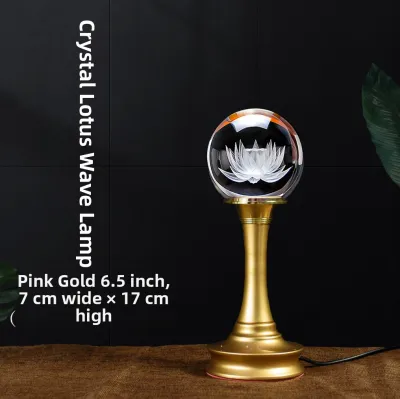
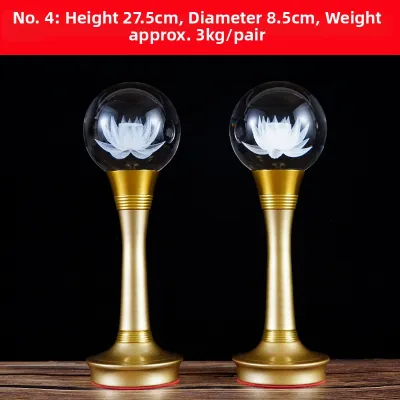
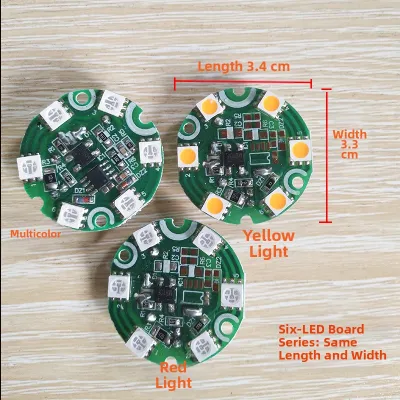
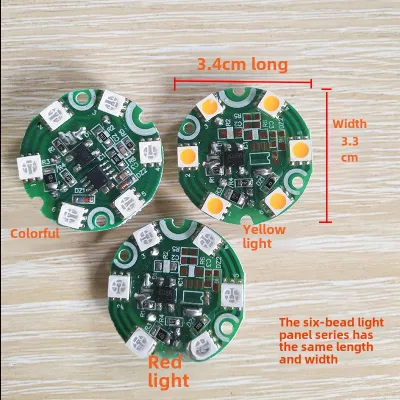
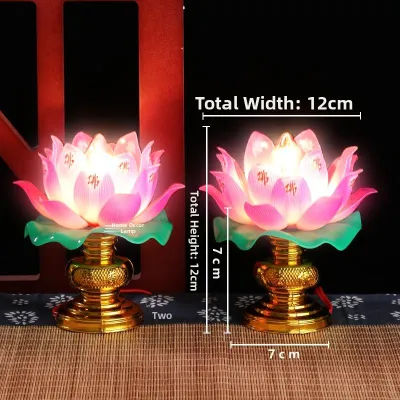
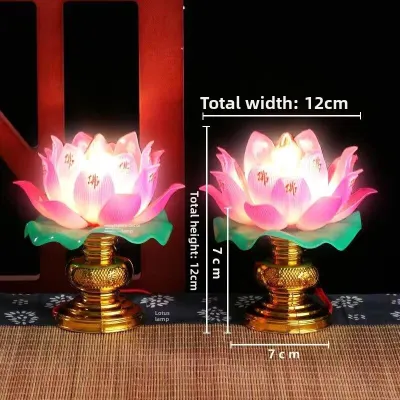
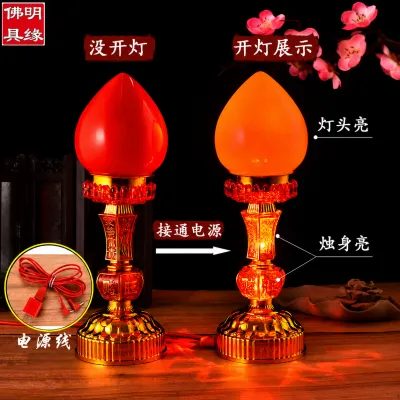
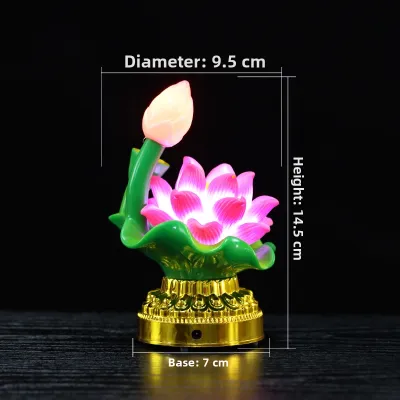
Prices are valid at publication and may change. Please refer to the product page for the latest price.
An altar should feel balanced and uncluttered to promote a sense of peace. Before purchasing any electric lamp for god, measure the available surface area on your altar table. The height of the lamps should complement, rather than overshadow, the central statues or images of the Buddha. Ensure there is sufficient clearance around the lamps so they do not crowd other offering vessels, such as incense burners, water cups, or fruit plates.
Electrical Safety and Installation Verifications
In Singapore, the standard domestic voltage is 230V with a frequency of 50Hz, utilizing the Type G three-pin plug. When shopping for electric altar lamps, especially on international online marketplaces, always verify that the product specifications explicitly match these electrical standards. Avoid using adapters or voltage converters as permanent solutions for daily-use appliances, as they can introduce unnecessary failure points and electrical risks.

Many practitioners prefer to keep their altar lights illuminated continuously as a symbol of eternal light. If you plan to do this, check the manufacturer’s specifications regarding continuous run times and heat dissipation. Look for fixtures with built-in heat sinks or those specifically rated for 24-hour operation. Even with low-wattage LEDs, ensuring adequate ventilation around the base and bulb housing is critical to prevent heat buildup.
Loose, dangling, or tangled cords pose a physical tripping hazard and can accidentally pull heavy altar items off the table. Plan your cable routing carefully, keeping cords tucked neatly behind the altar structure or secured along the table legs using non-damaging clips. Ensure that cords do not rub against sharp wooden edges or sit beneath heavy objects, which can wear down the protective insulation over time.
While plug-and-play electric lamps are simple to set up, some homeowners prefer integrated, hardwired lighting systems built directly into custom altar cabinetry. For any fixed wiring, recessed spotlights, or complex electrical installations, always engage a qualified, licensed electrician. Attempting DIY modifications on fixed household wiring poses severe shock and fire hazards and may violate local building regulations.
Material Durability and Aesthetic Coordination
Altar lamps are exposed to dust, incense smoke, and occasional oil residue, making material selection a key factor in long-term maintenance. Glass and ceramic bases are highly durable, resistant to discoloration, and easy to wipe clean, though they require careful handling to avoid chipping. Metal bases, such as brass or bronze, offer a classic weight and longevity but may require specialized polishes to prevent tarnishing. Resin and high-grade plastics are lightweight and cost-effective, but lower-quality plastics may degrade or discolor under continuous exposure to light and warmth.
A top-heavy lamp is a safety hazard, particularly on an altar where incense is lit and offerings are frequently exchanged. Verify the weight and center of gravity of any lamp before finalizing your choice. A wide, weighted base ensures the lamp remains firmly in place even if the altar table is accidentally bumped. If a preferred lamp feels too light, consider placing it on a non-slip silicone mat or securing it with removable museum wax.
The finish of your electric lamps should harmonize with the existing elements of your altar. If your central statues are made of polished brass, matching brass-toned lamp bases can create a unified, respectful appearance. For minimalist or modern wooden altars, matte ceramic or frosted glass lamps can offer a clean, contemporary look that blends seamlessly with the surrounding decor without distracting from the sacred focal points.
Building Your Shortlist: A Step-by-Step Selection Guide
Begin your search by establishing clear parameters for your purchase. Set a realistic budget in S$ that accounts for a pair of high-quality, durable lamps rather than a single unit, as altar lamps are traditionally displayed in pairs. Measure the maximum height and width constraints of your altar niches. Decide whether you require a plug-in model, a battery-operated alternative for cordless convenience, or a USB-powered option that can connect to a modern power hub.
When browsing online marketplaces or visiting local religious goods stores, scrutinize the product specifications carefully. Confirm the exact wattage of the included bulbs or the integrated LED module. Check if the bulbs are user-replaceable or if the entire unit must be replaced when the light source fails. Additionally, look for clear information regarding warranty terms, which can serve as an indicator of the manufacturer’s confidence in the product’s build quality.
Because safety is paramount for electrical items used daily, purchase only from reputable sellers who provide transparent product details. Read customer reviews thoroughly, filtering for feedback that mentions long-term durability, continuous operation, and overall material quality. Avoid listings with vague descriptions, missing electrical certifications, or consistently poor ratings regarding cord quality and plug stability.
Routine Maintenance and Safe Daily Care
Before performing any maintenance or cleaning on your altar lamps, always isolate the power by switching off the wall outlet and unplugging the cords. Use a dry, soft microfiber cloth to gently dust the outer surfaces of the lamp, the bulb, and the base. If incense residue has built up, use a slightly damp cloth with a mild, pH-neutral soap to wipe the non-electrical exterior parts, ensuring no moisture enters the bulb socket, switch, or plug housing. Allow all components to dry completely before reconnecting the power.
Make it a habit to inspect your electrical altar setup at least once a month. Check the power cords for any signs of wear, cracking, or fraying, especially where the cord bends near the plug or enters the lamp base. Ensure the plug fits snugly into the wall outlet without any loose play. If you notice flickering, buzzing sounds, or unusual warmth coming from the switch or plug, discontinue use immediately and inspect the bulb or consult a professional.
When a bulb eventually burns out, replace it only with a bulb that matches the manufacturer’s specified base type (such as E12, E14, or GU10) and wattage limits. Installing a bulb with a higher wattage than the fixture’s rating can cause overheating, melting of plastic components, and potential electrical hazards. Keep a spare set of compatible, low-wattage LED bulbs on hand so you can maintain your daily offerings without interruption.
Frequently Asked Questions (FAQ)
Is it safe to leave an electric altar lamp on continuously?
Continuous operation is safe only if the lamp is specifically designed and rated for 24-hour use. To minimize heat buildup and energy consumption, always use low-wattage LED bulbs rather than traditional incandescent or halogen bulbs. Ensure the lamp is placed in a well-ventilated area, free from flammable drapes, paper offerings, or dry decorative elements. If the manufacturer’s instructions specify a maximum daily run time, or if the base becomes hot to the touch, you should turn the lamp off when unattended or use a plug-in timer to automate a daily rest period.
Can I use smart bulbs or dimmable lamps on a Buddhist altar?
Yes, smart bulbs and dimmable lamps can be highly practical additions to a modern Buddhist home altar, provided the fixture itself is compatible with dimming technologies. Smart bulbs allow you to schedule automatic on-and-off times, reducing energy waste and ensuring the altar is illuminated during your morning and evening chanting sessions. When using dimmable options, ensure you adjust the brightness to a level that maintains a respectful, serene ambiance, avoiding overly bright or flashing color-changing modes that could disrupt the peaceful atmosphere of worship.

Community discussion
Share your experience or ask a question. Comments are reviewed before publication.