
Selecting the best fairy lights for Diwali at home depends on matching your living space with certified, energy-efficient lighting styles. For a traditional and warm festive ambiance, warm white copper wire LED strings and classic globe lights work best to complement clay diyas and marigold garlands. For high-impact visual areas like balconies and windows, curtain or cascade lights offer a dramatic backdrop. Ensuring safety is paramount, which means verifying local electrical certifications and choosing the correct ingress protection (IP) ratings for any outdoor installations.
Defining Your Diwali Lighting Goals
Before purchasing any lighting, map out your home to identify key focal points. The main entrance serves as the initial welcome point for guests and deities, making it a primary area for framing with lights. Inside, the living room, prayer area (puja room), and balcony represent distinct zones that require different lighting intensities and styles. In Singapore, where many families reside in HDB flats or condominiums, corridor guidelines must also be respected, ensuring that any external lighting does not obstruct common pathways or disturb neighbors.
Consider the specific mood you want to establish in each zone. A warm, golden glow mimics the traditional light of oil lamps, creating a serene and spiritual atmosphere ideal for the puja room and entrance. Conversely, vibrant, multicolored lights can energize a balcony or living room, adding a modern, celebratory feel. You can also combine these approaches, using steady warm white lights for indoor spaces to maintain a peaceful environment, while reserving dynamic, color-changing lights for outdoor-facing areas.
Products mentioned in this guide
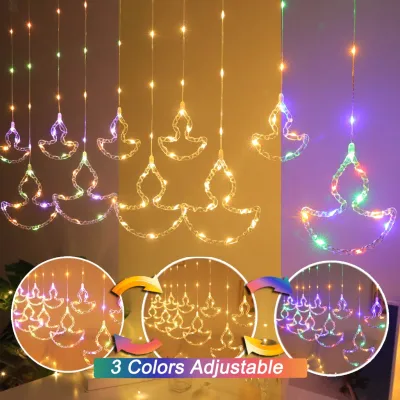
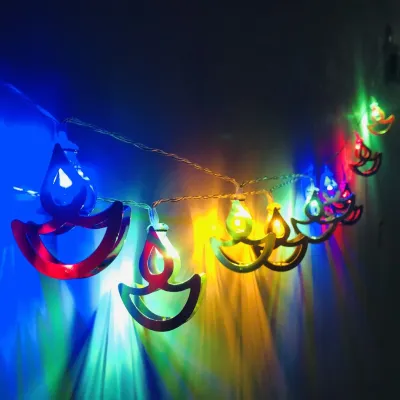
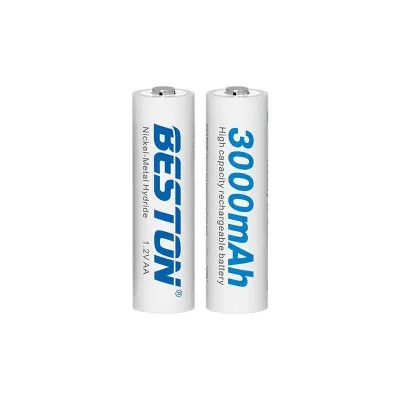
Prices are valid at publication and may change. Please refer to the product page for the latest price.
Accurately measuring the dimensions of your target spaces is a crucial step. Use a measuring tape to trace the path where the lights will hang, including drops, wraps around pillars, and the distance to the nearest power outlet. Estimating the required total length beforehand prevents the frustration of short strings or excessive, dangling cords. Always add a small buffer of about one to two meters to your measurements to account for natural slack and routing around corners.
Essential Specifications and Safety Checks
Electrical compatibility is the foundation of safe home decoration. In Singapore, residential properties operate on a 230V supply at 50Hz, typically utilizing Type G three-pin plugs. When purchasing fairy lights, verify that the plug and integrated transformer match these local standards to avoid relying on loose, unsafe multi-way adapters that can overheat. If you are importing lights or buying from international sellers online, double-check that the voltage rating is compatible with a 230V system to prevent short circuits or electrical fires.

Differentiating between indoor and outdoor environments is critical for fire safety and product longevity. Balconies, corridors, and exterior walls are exposed to wind, humidity, and occasional heavy rain, requiring lights with an appropriate Ingress Protection rating, such as IP44 or higher. Indoor-rated lights lack the necessary weatherproofing seals and must never be used in exposed outdoor areas, as moisture penetration can easily cause a short circuit.
Always inspect the product packaging and the inline transformer for recognized safety marks. In Singapore, look for the SAFETY Mark issued by the Enterprise Singapore safety authority, which indicates the appliance has been tested and certified safe for local household use. Avoid unbranded or uncertified lighting products that lack clear manufacturer details, safety labels, or wattage limits, as these often feature substandard wiring that poses a significant shock or fire hazard.
Evaluate the power source options based on where you plan to position the lights. Mains-powered lights are ideal for continuous, bright illumination over large areas but require proximity to a wall socket. Battery-operated and USB-powered variants offer excellent placement flexibility for dining table centerpieces or small shelves, though they require regular battery replacements or nearby power banks. For any installation involving fixed wiring or work at height, ensure you isolate the power source before starting and follow the manufacturer’s instructions carefully.
Matching Fairy Light Styles to Diwali Decor
Fairy lights come in various physical forms, each interacting uniquely with your home’s architectural features and traditional festive props. Selecting the right style involves balancing the physical structure of the light string with the specific decorative elements, such as brass lamps, floral garlands, and colorful rangoli patterns. The right combination enhances the festive atmosphere without cluttering your living space.
Curtain and Cascade Lights
Curtain and cascade lights consist of a main horizontal cable with multiple vertical strings hanging downward, creating a dense wall of light. These are highly effective when draped over large windows, main doorways, or hung behind sheer, translucent curtains to produce a soft, diffused background glow. They provide a high-impact visual statement that can be seen from both inside the home and from the street or courtyard below.
When planning a curtain light installation, measure the vertical drop length carefully to ensure the strings do not pool excessively on the floor, which can create a tripping hazard. Additionally, confirm that the main top wire is long enough to reach your power source without putting tension on the cable or requiring extension cords in high-traffic pathways. Secure the top support wire firmly to prevent the weight of the vertical strands from pulling the installation down.
String, Globe, and Copper Wire Lights
Standard string lights, globe lights, and micro copper wire lights are highly versatile options for detailed accent lighting. Copper wire lights are incredibly flexible, allowing you to wrap them tightly around pillars, weave them through intricate rangoli borders, or coil them inside glass jars and decorative lanterns to create glowing centerpieces. Globe lights, with their larger bulbs, offer a softer, more substantial light that works well when draped along balcony railings or living room walls.
When using these lights, check the flexibility and insulation of the wire to ensure it can bend without breaking the internal conductors. Monitor the heat output of the bulbs, especially when placing them near flammable materials like paper decorations, dried flowers, or fabric drapes. Conceal battery packs neatly behind decorative items to maintain a clean aesthetic, and ensure that any wires running along the floor are taped down safely or routed away from foot traffic.
Motif and Novelty Lights
Motif and novelty lights feature shaped bulbs or decorative covers, such as lotuses, diyas, stars, or geometric lanterns, which add distinct cultural elements to your Diwali decor. These themed lights are excellent for highlighting the puja room or creating a dedicated festive focal point on an otherwise blank living room wall. They bridge the gap between traditional festive symbols and modern electrical lighting.
When choosing novelty lights, inspect the build quality of the shaped plastic or metal covers to ensure they are securely attached and do not have sharp edges that could cut the wire insulation. Select designs that complement rather than overpower your subtle, traditional clay diyas and brass ornaments, maintaining a balanced visual hierarchy. Ensure the weight of the decorative motifs does not cause the main wire to sag excessively.
Safe Installation and Placement Guidelines
Installing your festive lights securely prevents damage to your home’s surfaces and eliminates safety hazards. Use non-damaging adhesive hooks, clips, or removable ties designed specifically for hanging lights on painted walls or glass surfaces. Avoid using metal nails, staples, or heavy-duty industrial tapes, as these can pinch the wires, strip the insulation, or leave stubborn adhesive residue that ruins your wall paint when removed after the festival.
Keep all electrical components, including wires, plugs, and transformers, completely isolated from water sources and open flames. Traditional oil diyas and candles must be placed a safe distance away from fairy lights and their cables to prevent accidental fire hazards caused by heat or stray sparks. If you are decorating a balcony, ensure that no wires are draped near areas where rainwater might pool during sudden tropical downpours.
Plan your cable routing meticulously to maintain clear walkways throughout your home. Secure loose cords along baseboards or under rug protectors to prevent family members and guests from tripping. Never run cables under heavy furniture or pinch them tightly in door frames or window tracks, as this can crush the internal wiring and cause short circuits. If you must run a cable across a doorway, use a low-profile rubber cable protector ramp.
Establish a strict routine for operating your lights safely. Always unplug or switch off all mains-powered decorations at the wall socket before leaving your home or going to sleep. Unattended electrical decorations left running for extended periods can overheat, posing a preventable fire risk. For added convenience and safety, consider plugging your main light strings into a certified digital timer plug that automatically cuts power at a designated time.
Shopping Smart and Verifying Product Claims
When sourcing your Diwali lights, balancing convenience with quality is key. Physical lighting showrooms in Singapore allow you to inspect the actual build quality and color temperature of the lights before buying, while online marketplaces offer a wider variety of designs and competitive pricing. If shopping online, stick to reputable local sellers who can verify that their products comply with local safety regulations.
Take the time to read recent customer reviews, focusing specifically on feedback regarding wire durability, bulb longevity, and whether the actual light color matches the product photos. Warm white can range from a soft golden hue to a harsh yellow, so user-uploaded photos can provide a more accurate representation than stock images. Be skeptical of reviews that seem overly generic or lack detail, and look for feedback from buyers who have used the lights over multiple days.
Verify the seller’s return policies and warranty terms, particularly if you are purchasing lights in bulk to decorate a large home. Reliable sellers typically offer a straightforward exchange policy for defective items. Avoid assuming that generic material descriptions or brand names guarantee safety; always cross-reference the physical product labels with local safety standards. If a deal seems too cheap to be true, it often indicates a lack of proper safety testing and low-quality internal wiring.
Frequently Asked Questions (FAQ)
Can I mix different colors of fairy lights in the same room?
While mixing colors is possible, sticking to a unified color palette generally creates a more cohesive and elegant Diwali atmosphere. Combining warm white lights with a single accent color, such as gold or soft amber, complements traditional brass and clay decor beautifully. If you prefer multicolored lights, limit them to a single area like the balcony to prevent the indoor living spaces from feeling visually cluttered or overwhelming.
How do I store fairy lights after Diwali to prevent tangling?
Proper storage preserves the lifespan of your lights and saves time during the next festive season. Wrap each light string neatly around a sturdy piece of cardboard, a plastic hanger, or a specialized cord spool, starting from the end opposite the plug. Store the wrapped lights in a sturdy, airtight plastic container placed in a cool, dry area of your home to protect the wire coating from tropical humidity and pests.
Are battery-operated lights safe to leave on overnight?
It is not recommended to leave battery-operated lights running unattended overnight. Although they emit less heat than older incandescent bulbs, the batteries and small inline compartments can still overheat if left on for prolonged periods, potentially damaging the device or creating a minor hazard. To enjoy convenient lighting safely, choose battery-operated strings equipped with built-in automatic timers that turn the lights off after a set number of hours.
Community discussion
Share your experience or ask a question. Comments are reviewed before publication.