
Selecting a flower vase is more than finding a container to hold water and stems; it is an intentional design choice that anchors your interior styling. A well-chosen vase bridges the gap between nature and architecture, reinforcing the design language of your home. Whether your living space features the quiet restraint of minimalism, the warm organic textures of Scandinavian design, the lush energy of a tropical resort, or the polished grandeur of modern luxury, the right vessel completes the narrative. By aligning the material, form, and color of your vase with your existing decor, you transform a simple floral arrangement into a compelling visual statement.
To make a confident selection, you must first understand how different styles interact with light, space, and furniture. A vase should never look like an afterthought. Instead, it should either harmonize seamlessly with its surroundings or serve as a deliberate focal point that draws the eye. This guide breaks down the defining characteristics of the four major design movements, offering practical advice on how to match them to your home and what physical checks to perform before making a purchase.
Identifying Your Existing Home Decor Theme
Before browsing online marketplaces or local boutiques for a new vessel, take a step back and analyze the room where it will reside. Start by identifying the dominant color palette of the space. Rooms dominated by cool neutrals, whites, and grays suggest a different direction than those filled with warm wood tones, earthy terracottas, or deep, saturated jewel tones. Look closely at the primary materials of your furniture; metal, glass, and polished stone point toward modern or minimalist themes, while raw timber, rattan, and woven textiles align with Scandinavian or tropical aesthetics.
Products mentioned in this guide
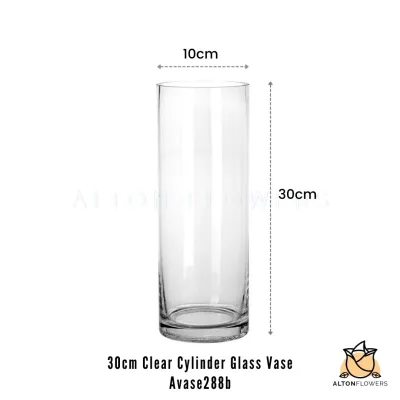
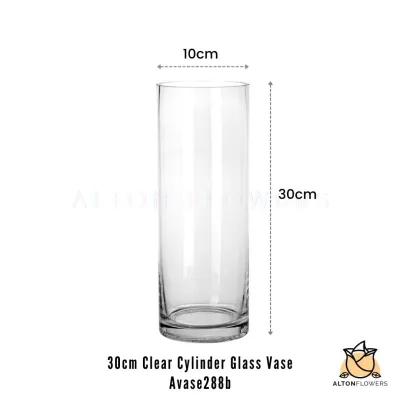
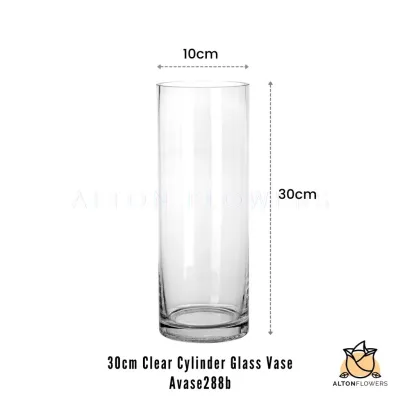
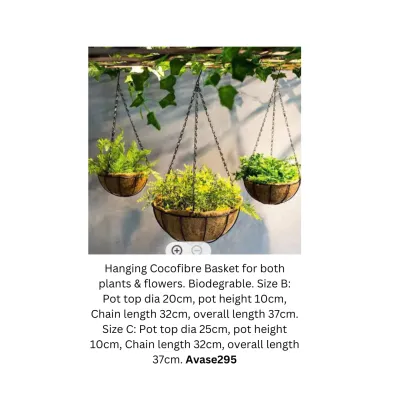
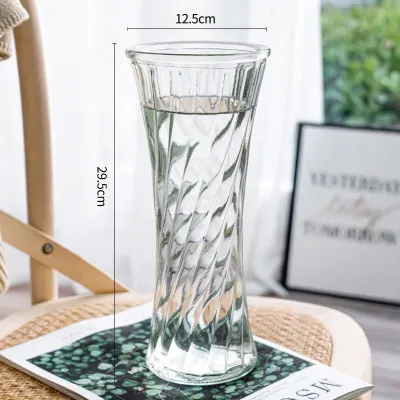
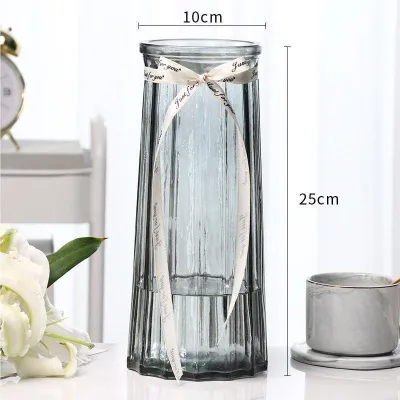
Prices are valid at publication and may change. Please refer to the product page for the latest price.
Next, evaluate the level of visual clutter and spatial openness in the room. A highly streamlined room with hidden storage and bare surfaces can easily accommodate a bold, sculptural statement piece without feeling overcrowded. Conversely, a room that already features rich patterns, diverse textures, and numerous decorative objects requires a more restrained vase that blends into the background. Identifying these elements helps you establish a clear baseline, preventing impulsive purchases that clash with your established environment.
It is also common to find transitional elements in modern homes where styles overlap. For instance, you might have a clean, minimalist sofa paired with a rustic wooden coffee table. In these mixed spaces, look for the dominant visual weight. Ask yourself whether you want your new flower vase to reinforce the clean, modern lines or to accentuate the warm, organic textures. Deciding whether the vase should act as a subtle supporting element or a striking focal point is key to maintaining balance.
Minimalist Flower Vases: Clean Lines and Neutral Tones
Minimalist design centers on the philosophy of subtraction, where every object must justify its presence through utility or pure form. Minimalist flower vases embody this principle through clean lines, geometric silhouettes, and a strict absence of surface ornamentation. You will rarely find intricate patterns, painted details, or complex textures in this category. Instead, these vessels rely on perfect proportions, utilizing spheres, cylinders, rectangles, and soft cones to create visual interest. The color palette is intentionally restrained, focusing on monochrome tones such as stark white, deep black, soft charcoal, and muted beige.

These vases are exceptionally well-suited for highly organized, functional spaces. If your home features flat surfaces, handleless cabinetry, and a neutral color scheme, a minimalist vase will feel right at home. In these environments, the vase does not compete with the architecture; rather, it enhances the sense of calm and order. Placing a single, stark white ceramic cylinder on a bare concrete console table creates a powerful, uncluttered vignette that celebrates negative space.
When selecting materials for a minimalist aesthetic, look for options that emphasize form over surface distraction. Clear, high-quality borosilicate glass is an excellent choice, as it virtually disappears, allowing the structure of the flower stems to become the primary visual element. Matte-finished ceramics offer a soft, non-reflective surface that absorbs light beautifully, while smooth, cast concrete provides a subtle industrial edge. When reviewing product descriptions, prioritize terms like “matte finish,” “geometric profile,” and “unadorned surface” to ensure the piece aligns with minimalist standards.
Scandinavian Flower Vases: Organic Shapes and Earthy Textures
While minimalism can sometimes feel cool and clinical, Scandinavian design introduces warmth, comfort, and a deep connection to the natural world. Scandinavian flower vases are characterized by organic, flowing silhouettes that mimic shapes found in nature, such as pebbles, seed pods, and gentle waves. Rather than rigid geometry, these vessels favor soft curves and asymmetrical forms that feel human-made and approachable. The color palette shifts away from stark monochrome toward muted earth tones, including sage green, dusty rose, warm terracotta, mustard yellow, and soft sand.
Texture plays a vital role in the Scandinavian aesthetic. Instead of perfectly smooth, non-reflective surfaces, look for subtle tactile finishes that invite touch. Vases with ribbed patterns, speckled glazes, or slightly rough, unglazed exteriors add depth to light-filled interiors. These pieces pair beautifully with the natural wood grains of oak or birch furniture, soft linen tablecloths, and the abundant natural light characteristic of Nordic-inspired spaces. The goal is to create a cozy, lived-in atmosphere where the decor feels effortless and connected to the outdoors.
To maintain this gentle aesthetic, avoid finishes that are overly glossy, highly reflective, or saturated with intense, artificial colors. A high-shine chrome or neon plastic vase will immediately disrupt the serene, organic flow of a Scandinavian room. Instead, opt for stoneware with a speckled matte glaze or hand-blown glass in soft, translucent amber or smoky gray. These materials catch the light gently without creating harsh glare, reinforcing the soft, diffused ambiance of your home.
Tropical Flower Vases: Bold Colors and Natural Materials
If your home aesthetic leans toward a vibrant, resort-style atmosphere or a lush, bohemian sanctuary, tropical flower vases offer the perfect complement. This style embraces the abundance of nature through bold colors, rich textures, and organic materials. Unlike the quiet restraint of northern European design, tropical decor celebrates warmth, energy, and expressive craftsmanship. Common materials in this category include woven rattan sleeves, raw terracotta, hand-carved wood, and ceramics adorned with bold botanical patterns or relief carvings of palm fronds and exotic flora.
When integrating tropical vases into your home, balance is crucial to prevent the space from feeling visually overwhelming, especially in smaller rooms. A large, brightly colored ceramic vase featuring hand-painted tropical motifs can easily dominate a room. To keep the look sophisticated rather than chaotic, pair a bold vase with neutral-toned furniture, or use raw, earthy materials like terracotta and woven seagrass to ground the vibrant colors. This creates a relaxed, breezy atmosphere reminiscent of a high-end tropical retreat.
These vessels are uniquely suited for holding large, dramatic foliage rather than delicate wildflowers. The structural integrity and earthy presence of a tropical vase make it the ideal companion for broad-leafed plants such as monstera leaves, banana palms, bird of paradise stems, or vibrant ginger lilies. The scale of the vase must match the boldness of the foliage; a sturdy, wide-mouthed terracotta urn or a tall, rattan-wrapped glass cylinder provides the physical and visual weight necessary to anchor these dramatic botanical displays.
Modern Luxury Flower Vases: Statement Pieces and Premium Finishes
Modern luxury design is defined by high-contrast environments, sophisticated materials, and a sense of deliberate drama. In these spaces, a flower vase is treated as a sculptural work of art. The hallmarks of this style include premium finishes such as polished metallic accents in brass, gold, or copper, heavy lead crystal that refracts light, polished marble with rich veining, and avant-garde sculptural forms. These vases are designed to command attention, featuring bold silhouettes and reflective surfaces that catch the light.
Placement is key to maximizing the visual impact of a modern luxury vase. These statement pieces perform best when positioned in high-visibility areas, such as the center of a formal dining table, atop an entryway console, or on a sleek fireplace mantel. Because these vessels possess significant visual weight, they require adequate negative space to breathe. Surrounding a highly reflective, gold-accented crystal vase with too many small decorative objects will clutter the view and diminish its premium appeal. Allow the vase to stand alone or pair it with a single, complementary object of a different height.
When styling a modern luxury vase, the floral arrangements should match the sophistication of the vessel. Structured, monochromatic arrangements—such as a dense cluster of white roses, elegant calla lilies, or architectural orchids—work exceptionally well. The clean, deliberate lines of the flowers complement the premium materials of the vase, creating a polished, cohesive look that elevates the entire room.
Practical Checks Before Buying a Flower Vase
While aesthetics are essential, a flower vase must also perform its physical duties safely and effectively. Before finalizing your purchase, there are several practical checks you should perform to ensure the vessel is compatible with your home and your floral preferences. First, verify the physical dimensions and weight of the vase, especially when filled with water and heavy stems. Ensure that the intended display surface—whether a delicate glass shelf, a floating wooden ledge, or a slender side table—can safely support the combined weight without bowing or tipping.
Next, carefully review the manufacturer’s care instructions, particularly regarding water resistance and cleaning. Not all decorative vases are designed to hold water. Unglazed ceramics, porous terracotta, and hand-carved wooden vessels may seep moisture over time, potentially damaging wooden furniture or leaving unsightly water rings. If you plan to use real flowers, verify that the interior of the vase is fully glazed or lined with a waterproof barrier. For delicate materials like metallic-plated glass or hand-painted porcelain, check for cleaning restrictions; many premium finishes cannot tolerate harsh chemical cleaners or abrasive sponges and must be gently wiped with a damp microfiber cloth.
Finally, evaluate the structural design of the vase, focusing on the opening width and base stability. A vase with an extremely narrow neck is excellent for supporting a single, elegant stem but will choke a larger bouquet. Conversely, a very wide opening requires a massive volume of flowers to look full, which can become expensive and difficult to arrange. Additionally, examine the base of the vase; top-heavy designs or vessels with narrow, tapered bases are highly prone to tipping over when loaded with tall, heavy-headed flowers like hydrangeas or gladioli. Choosing a vase with a low center of gravity and a broad base ensures your arrangements remain stable and secure.
Frequently Asked Questions (FAQ)
Can I mix different vase styles in the same room?
Yes, you can successfully mix different vase styles in the same room by establishing a unifying element to tie the pieces together. To prevent a chaotic appearance, choose a consistent color palette or a shared material family, such as pairing a matte minimalist ceramic cylinder with a textured Scandinavian stoneware pot in a similar sand tone. Limit your selection to two contrasting styles to maintain a deliberate, curated look. When arranging the vases, group them in odd numbers—such as clusters of three—and vary their heights to create a balanced, visually engaging flow that feels intentional rather than accidental.
How do I clean and maintain textured or porous vase materials?
Always check the manufacturer’s instructions before applying any cleaning agents or submerging a textured vase in water. For porous or unglazed materials like raw terracotta and matte ceramics, avoid harsh chemical cleaners, bleach, or abrasive scrubbing tools, as these can permanently stain or scratch the delicate surface. Instead, use a soft, dry brush to remove dust from textured crevices, or wipe gently with a damp, lint-free cloth. If a valuable, antique, or highly delicate piece becomes heavily soiled or stained, stop DIY cleaning efforts immediately and consult a professional conservator to avoid causing irreversible damage.
What is the best vase shape for arranging heavy, long-stemmed flowers?
The best vase shape for heavy, long-stemmed flowers is one that features a wide, heavy base and a gently flared or column-like neck. Vessels with a low center of gravity, such as heavy glass cylinders or flared ceramic urns, provide the physical stability required to prevent tipping under the weight of tall blooms. Ensure the neck of the vase is wide enough to accommodate the stems comfortably without crowding or crushing them, yet narrow enough to provide structural support so the flowers do not splay untidily. Avoid top-heavy, highly tapered, or lightweight plastic designs, as they easily lose balance when filled with tall arrangements.
Community discussion
Share your experience or ask a question. Comments are reviewed before publication.