
Selecting the right incense sticks for Buddhist smoke offerings (known traditionally as Yangong or Sang) is a crucial step in ensuring the ritual is both spiritually respectful and physically safe. Unlike standard decorative incense designed solely for home fragrance, authentic smoke offering incense must adhere to strict traditional guidelines regarding purity, ingredient sourcing, and manufacturing methods. The ideal incense for these sacred rituals is entirely plant-based, free from animal products, and crafted without synthetic chemicals or artificial binders. By understanding the specific botanical ingredients required and the structural elements to avoid, you can confidently choose incense that honors the tradition while maintaining a clean, healthy environment in your living space.
Understanding the Traditional Rules for Smoke Offering Incense
The practice of smoke offering is deeply rooted in Buddhist traditions, serving as a powerful act of purification, merit accumulation, and generosity. Because the smoke itself is visualized as a vast, pure offering to enlightened beings, local deities, and all sentient beings, the quality and purity of the incense are of paramount importance. Traditional texts outline strict rules to ensure that the offering remains untainted and spiritually effective.
First and foremost, authentic smoke offering incense must have entirely plant-based origins. The inclusion of any animal-derived ingredients—such as musk, animal fats, or certain insect-derived binders—is strictly prohibited. These substances are considered impure for ritual offerings and run contrary to the core Buddhist principle of compassion toward all living creatures.
Products mentioned in this guide
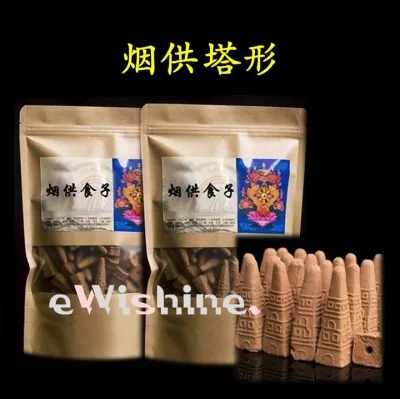
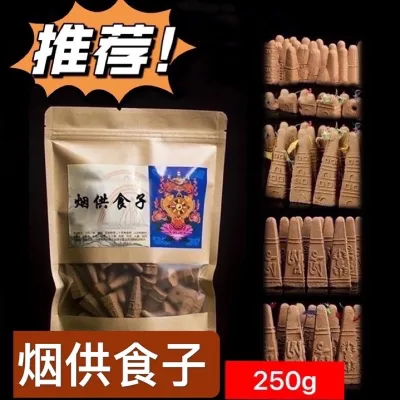
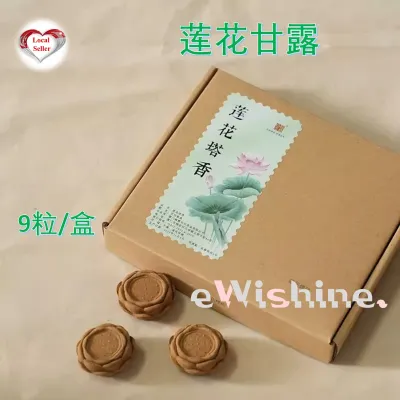
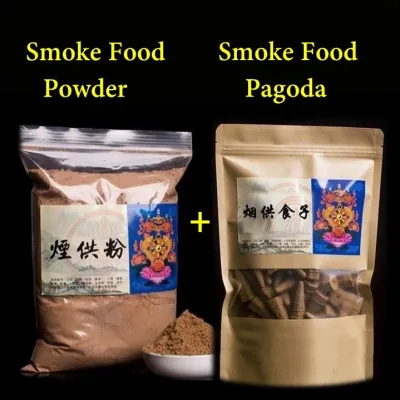
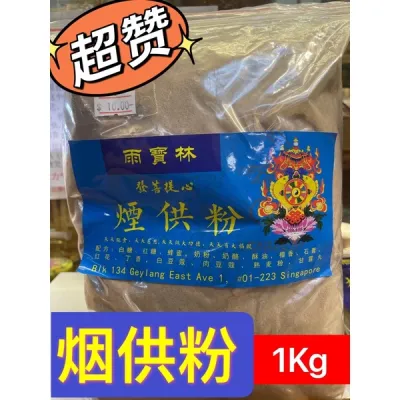
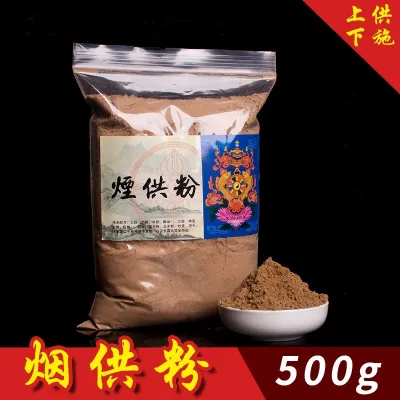
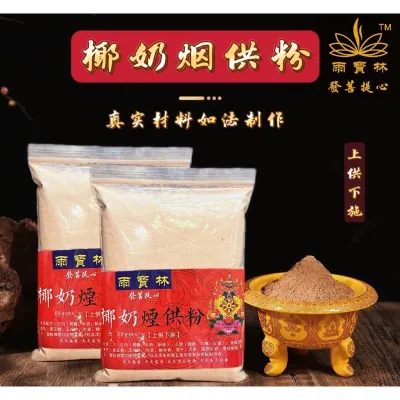
Prices are valid at publication and may change. Please refer to the product page for the latest price.
Furthermore, traditional formulations strictly forbid the use of pungent roots and alliums, commonly referred to as the five pungent spices. This category includes garlic, onions, leeks, chives, and shallots. In ritual contexts, these plants are believed to disturb the mind, cloud spiritual clarity, and attract restless or undesirable energies. Consequently, any incense stick containing these ingredients, or even manufactured on shared equipment where they are processed, is deemed unsuitable for smoke offerings.
Finally, the structural integrity of the stick must rely on natural plant binders rather than synthetic chemical adhesives. Traditional makers use natural elm bark powder or other botanical mucilage to bind the ground herbs and wood powders together. These natural binders burn cleanly and completely, producing a mild, woody aroma that does not interfere with the primary offering ingredients, unlike chemical glues which release harsh, toxic fumes when heated.
Identifying Suitable Natural Ingredients and Their Traits
When shopping for authentic smoke offering incense, identifying the specific natural ingredients and understanding their physical traits will help you verify their quality. High-quality ritual incense is typically composed of a rich blend of precious woods, medicinal herbs, and aromatic plants.

Woody bases form the foundation of almost all traditional smoke offering blends. Sandalwood and agarwood are the most highly prized bases due to their profound spiritual significance and soothing natural scent profiles. Genuine sandalwood provides a warm, creamy, and grounding aroma that helps settle the mind during meditation. Agarwood, known for its deep, complex, and resinous character, offers a highly refined scent that lingers gently in the air. These woods are naturally dense and burn slowly, providing a steady, reliable base for the offering.
In addition to woody bases, authentic formulations incorporate a variety of herbal and medicinal plants. Juniper is a central ingredient in cleansing smoke offerings, valued for its bright, crisp, and pine-like aroma that instantly refreshes the atmosphere. Other traditional additions include saffron, cardamom, clove, and cinnamon. These herbs are selected not only for their pleasant fragrance but also for their traditional therapeutic properties. When ground and blended, they create a complex, multi-layered aroma that is earthy, spicy, and naturally sweet.
You can often identify genuine herbal incense by its physical appearance and texture. Pure, natural sticks are rarely perfectly smooth or uniform in color. They typically exhibit a slightly rough, matte texture with visible flecks of ground botanicals and wood fibers. The colors are earthy and muted—ranging from soft browns and tan to dusty greens and deep ochres. If a stick appears exceptionally smooth, glossy, or brightly colored, it is highly likely that artificial fillers or chemical dyes have been used during manufacturing.
Ingredients and Structural Materials to Avoid
To protect both the integrity of your ritual and the air quality of your home, it is essential to know which ingredients and structural materials to avoid. Many mass-produced commercial incense sticks contain additives that are unsuitable for dedicated spiritual practices.
Synthetic fragrances and chemical combustion aids are the most common culprits in low-grade incense. Manufacturers often use cheap synthetic perfume oils to mimic the scent of sandalwood or flowers, and add chemical accelerants like potassium nitrate to ensure the sticks burn quickly and evenly. These chemicals produce a harsh, acrid smoke that can cause immediate physical discomfort, including headaches, throat irritation, and watery eyes. For indoor rituals, especially in typical high-rise apartments in Singapore where ventilation may be limited, burning chemical-laden incense can significantly compromise indoor air quality.
Another structural element to avoid is the bamboo core. Standard joss sticks feature a central bamboo stick wrapped in incense paste. While suitable for general daily worship in open-air temples, bamboo-cored sticks are generally avoided in dedicated smoke offering ceremonies. When the bamboo core burns, it releases a sharp, smoky, and slightly sour smell that overpowers the delicate aromas of the herbal ingredients. Instead, practitioners prefer solid, coreless extruded sticks (often called Tibetan-style or dhoop sticks), which consist entirely of the incense paste and burn with a much purer scent profile.
Additionally, watch out for hidden animal-derived binders and non-traditional fillers like sawdust, coal powder, or paper pulp. These materials are used to cut costs but result in a high volume of soot and a burnt, unpleasant odor. Overly uniform, brightly colored sticks in shades of neon pink, bright yellow, or artificial red are clear indicators of heavy chemical processing and should be avoided.
Actionable Steps to Verify and Select Authentic Incense
Selecting the right incense requires a combination of careful label reading, physical inspection, and sensory evaluation. By following these actionable steps, you can ensure that the incense you purchase is both authentic and safe for home use.
Begin by examining the product packaging and ingredient lists. Reputable manufacturers of traditional ritual incense practice full disclosure, listing the specific botanical ingredients, woods, and natural binders used in their formulations. Look for clear terms like “100% natural,” “pure sandalwood base,” “juniper,” and “natural plant binder.” Avoid products that use vague marketing terms such as “perfumed joss sticks” or “proprietary fragrance blend” without specifying the raw materials.
Next, perform a physical inspection and a test burn. Before committing to a large quantity, purchase a small sample pack. Feel the texture of the stick; it should feel dry, slightly textured, and sturdy but not unnaturally hard. When you light a stick, observe the smoke and the resulting ash. The smoke should rise in a smooth, light grey or white stream, rather than a thick, black plume. The ash left behind should be soft, light grey, and easily crumble into a fine powder. If the ash is black, oily, or hard, it indicates the presence of chemical additives or synthetic binders.
Pay close attention to your physical reaction during the test burn. Authentic natural incense should produce a soothing, earthy aroma that gently fills the room without causing any nasal irritation, coughing, or eye watering. If you experience any discomfort, extinguish the stick immediately. Always burn incense on a stable, heat-resistant surface—such as a ceramic, stone, or metal incense burner—and ensure the room has adequate ventilation to allow the smoke to circulate and disperse safely.
Frequently Asked Questions (FAQ)
Can I use regular daily worship incense for smoke offerings?
While regular daily worship incense is widely available, it is generally not recommended for dedicated smoke offering rituals. Standard worship joss sticks often contain synthetic fragrances, chemical binders, and bamboo cores, which do not meet the strict purity standards required for traditional smoke offering practices. Authentic smoke offering incense is specifically formulated with pure, non-toxic medicinal herbs and natural plant binders to ensure the smoke is both spiritually appropriate and physically safe for indoor environments.
Does the physical shape or thickness of the incense stick matter?
Yes, the physical dimensions of the incense stick play a significant role in how it burns. Thicker, coreless herbal sticks burn more slowly and produce a denser, more voluminous smoke, making them highly suitable for traditional smoke offering ceremonies that require a generous amount of smoke. Because these sticks lack a supportive bamboo core, they are more fragile and must be handled with care. Ensure you use a specialized burner designed to hold thicker, coreless sticks securely to prevent them from tipping over.

Community discussion
Share your experience or ask a question. Comments are reviewed before publication.