
Singapore’s tropical climate brings lush, vibrant garden views, but it also presents a relentless challenge for outdoor lighting. With annual rainfall averaging around 2,300 millimeters and sudden, torrential downpours occurring year-round, standard light fixtures will quickly fail if they lack adequate protection. To prevent short circuits, electrical hazards, and premature fixture failure, choosing the correct Ingress Protection (IP) rating is the most critical decision you will make for your garden design.
For fully exposed garden lights, such as pathway bollards, spotlights, and spike lights on open lawns, you must use fixtures with a minimum rating of IP65 or IP66. Sheltered areas like covered patios, walkways, and balconies can safely utilize IP44 or IP54 fixtures, provided they are not subjected to direct, wind-driven rain. Submerged areas, including garden ponds, fountains, and water features, require specialized marine-grade fixtures rated at IP67 or IP68. Selecting the right rating ensures your outdoor space remains safely illuminated through every monsoon season.
While aesthetic style, perceived color temperature (such as a warm 2700K for a cozy ambiance versus a cool 5000K for security), and spatial lighting effects are important personal preferences, they must always remain secondary to safety. Before purchasing any outdoor lighting, always verify the operating voltage, base or interface compatibility, wattage limits, physical dimensions, and electrical certifications to ensure the product is safe for its intended installation environment.
Products mentioned in this guide
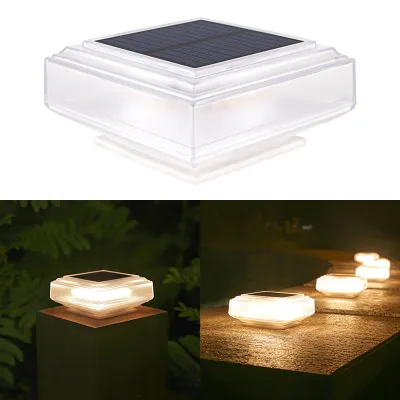
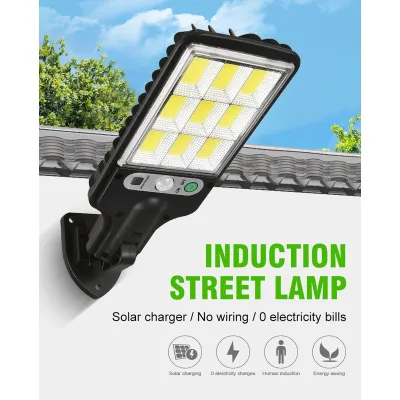
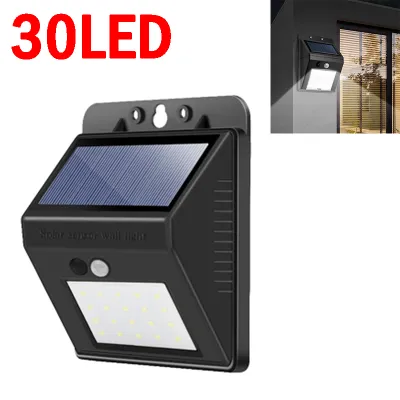
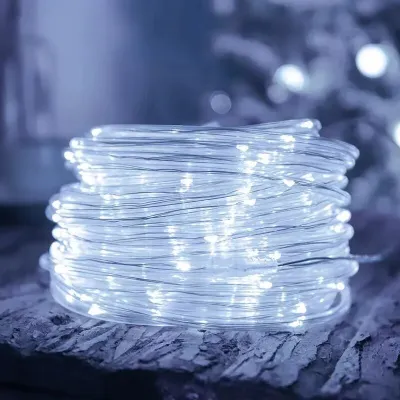
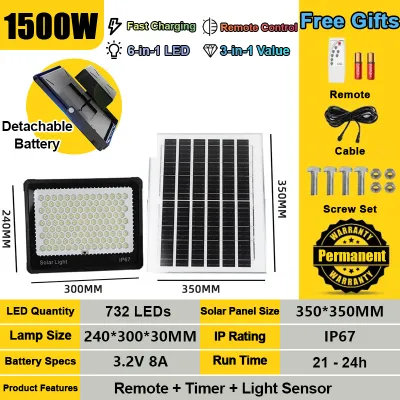
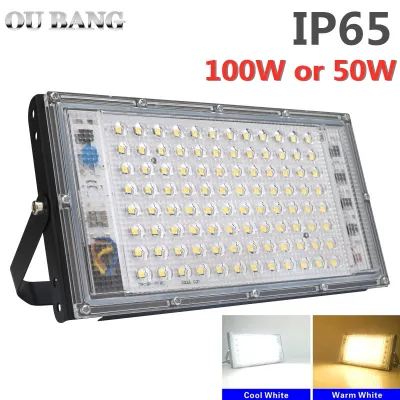
Prices are valid at publication and may change. Please refer to the product page for the latest price.
Decoding IP Ratings for Outdoor Lighting
The Ingress Protection (IP) rating is an international standard that classifies the degree of protection a fixture’s housing provides against solids and liquids. Written as “IP” followed by two digits, this code tells you exactly how much environmental wear a light can endure. Understanding this rating system allows you to read product labels confidently and avoid costly purchasing mistakes.
The first digit ranges from 0 to 6 and measures protection against solid particles, such as dust, dirt, and accidental contact. In a garden environment, dust protection is highly critical. Fine soil, sand, and organic debris can accumulate around a fixture over time, trapping moisture against the seals and accelerating the degradation of internal components. A rating of 5 means the fixture is dust-protected, while a rating of 6 means it is completely dust-tight, offering the highest level of protection against solid ingress.
The second digit ranges from 0 to 9K and measures protection against liquid ingress, which is the primary focus for rain resistance. For garden applications, the relevant liquid protection digits generally start at 4 (protection against splashing water) and go up to 8 (protection against continuous submersion). Because Singapore’s monsoon downpours often mimic high-pressure water jets rather than gentle vertical drizzles, understanding the exact level of water resistance your fixtures possess is vital for long-term reliability.
Recommended IP Ratings for Different Garden Zones
Not every corner of your garden requires the same level of weatherproofing. Dividing your outdoor space into distinct exposure zones allows you to optimize your budget, investing in high-protection fixtures where they are needed most while using standard weatherproof options in sheltered spots.

Fully Exposed Fixtures (Pathways and Open Lawns)
Fixtures installed in open yards, along garden paths, or mounted to unshielded walls must bear the full brunt of Singapore’s intense weather. This includes pathway lights, post-top lanterns, bollards, and ground-mounted spotlights used to highlight trees or architectural features.
For these fully exposed areas, a minimum rating of IP65 or IP66 is highly recommended. An IP65 rating indicates the fixture is completely dust-tight and can withstand low-pressure water jets from any angle. An IP66 rating steps this protection up to withstand high-pressure water jets, which closely simulates driving rain during severe wind-blown thunderstorms. Choosing these higher ratings prevents water from being forced past the seals during sudden afternoon squalls.
When shopping for exposed fixtures, always check the manufacturer’s specific testing conditions for extreme weather resilience. High-quality IP65 and IP66 pathway lights typically range from S$30 to S$120 depending on the material, brand, and integrated LED technology, making it a worthwhile investment to avoid frequent replacements.
Sheltered Fixtures (Covered Patios and Eaves)
Sheltered zones include areas that are physically protected from direct overhead rainfall, such as wall sconces mounted under deep roof eaves, ceiling-mounted downlights in covered walkways, or decorative string lights hanging beneath a solid patio pergola.
For these semi-protected environments, a minimum rating of IP44 or IP54 is generally sufficient. An IP44 rating protects against solid objects larger than 1 millimeter and splashes of water from any direction, while IP54 adds comprehensive dust protection. These ratings are highly capable of handling blowing mist and the occasional stray splash from a nearby garden hose.
However, do not underestimate the impact of ambient humidity. Singapore’s relative humidity regularly hovers between 60% and 100%, especially during the rainy season. This persistent moisture can cause condensation to build up inside poorly sealed, low-IP fixtures over time. If your budget allows, opting for IP65-rated fixtures even in sheltered outdoor zones will significantly extend the operating lifespan of your lighting system.
Submerged Fixtures (Ponds and Water Features)
Any light fixture installed inside a garden pond, fountain, swimming pool, or low-lying drainage area where water naturally pools must have specialized waterproof construction designed for immersion.
These fixtures require a rating of either IP67 or IP68. An IP67 rating allows the fixture to survive temporary immersion in water up to 1 meter deep for up to 30 minutes, which is ideal for shallow water features or areas prone to temporary flash flooding. For permanent installation inside ponds or active fountains, you must use IP68 fixtures, which are rated for continuous submersion.
It is important to note that IP68 ratings are not universal; they vary by manufacturer regarding maximum depth limits and duration of submersion. Always verify the exact submersion specifications printed on the product packaging or technical data sheet before installation. Additionally, ensure these fixtures operate on safe, low-voltage systems (typically 12V or 24V) to eliminate the risk of severe electrical shock in the water.
Choosing Rust-Proof Materials for High Humidity
While a high IP rating ensures that water and dust cannot penetrate the internal electrical components of your outdoor lighting, it does not protect the exterior housing from physical degradation. Singapore’s combination of intense equatorial UV rays, high heat, and constant humidity will rapidly break down inferior materials.
To ensure your garden lights survive long-term, prioritize fixtures made from highly durable, corrosion-resistant materials:
- Marine-Grade Stainless Steel (316 Grade): This material contains molybdenum, which provides exceptional resistance to pitting and crevice corrosion, making it the premier choice for coastal properties and high-humidity gardens.
- Powder-Coated Aluminum: High-quality die-cast aluminum coated with a durable, UV-resistant polyester powder finish offers excellent heat dissipation and rust resistance at a more accessible price point.
- UV-Stabilized Polycarbonate or Glass: For lenses and diffusers, UV-stabilized plastics and tempered glass will not yellow, cloud, or become brittle when exposed to constant sunlight.
Avoid fixtures constructed from untreated iron, cheap zinc alloys, or non-UV-resistant plastics. Under the intense tropical sun and constant moisture, these materials will quickly blister, rust, crack, and fail. If you live near coastal areas like East Coast Park, Pasir Ris, or Sentosa, always check product descriptions specifically for anti-corrosion treatments, marine-grade certifications, or coastal-grade finishes to protect your investment.
Electrical Safety and Installation in Wet Conditions
Installing outdoor lighting in a wet, tropical environment requires strict adherence to electrical safety protocols. Water and electricity are a lethal combination, and poor installation practices can lead to ground faults, tripped circuit breakers, or severe electrical hazards.
When running cables through your garden, always use outdoor-rated, heavy-duty cables (such as tough rubber-sheathed cables) and route them through protective conduits. All electrical connections must be sealed using waterproof cable glands and resin-filled or gel-filled junction boxes. These specialized junction boxes use a curing resin or silicone gel to completely encapsulate the wire splices, preventing moisture from traveling along the wires into the light fixture via capillary action.
Keep all electrical connections, drivers, and step-down transformers elevated well above ground level. During heavy monsoon downpours, low-lying garden beds can experience temporary pooling or flash flooding. Elevating these components on mounting posts, walls, or inside weatherproof utility enclosures prevents them from becoming submerged.
Establish clear safety boundaries for your installation project. Any fixed wiring, underground trenching, or direct connection to your home’s main electrical panel must be performed by a licensed electrical technician to comply with local safety standards and building codes. Always isolate the power supply at the main consumer unit before performing any installation, bulb replacement, or maintenance work. Additionally, ensure all outdoor lighting circuits are protected by a Residual Current Circuit Breaker (RCCB) or Residual Current Device (RCD) with a rated tripping current not exceeding 30mA, which will instantly cut power if an electrical leak to earth is detected.
Maintaining Weatherproof Seals Over Time
Even the highest-quality IP65 garden lights require regular maintenance to preserve their weatherproof seals. Over time, exposure to fluctuating temperatures, intense UV radiation, and organic garden debris will degrade the protective components of your fixtures.
Perform a physical inspection of your garden lights at least twice a year. Carefully check the rubber O-rings, silicone gaskets, and seals for signs of cracking, shrinking, hardening, or dry rot. If a gasket appears brittle or damaged, contact the manufacturer for a replacement seal or apply a thin layer of outdoor-grade silicone grease to restore its flexibility and water-shedding capabilities.
Keep the area surrounding your fixtures clean. Clear away fallen leaves, soil, mulch, and organic debris that can pile up around the base of pathway lights or spotlights. This debris traps moisture against the metal housing, accelerating corrosion and potentially blocking built-in condensation drainage holes.
When cleaning your outdoor lighting, never use high-pressure washers. The extreme pressure generated by these machines can easily force water past even high-quality IP65 or IP66 seals, permanently damaging the internal LED drivers and wiring. Instead, gently wipe the exterior of the fixtures with a soft, damp microfiber cloth. If you need to open a fixture to replace a bulb or adjust a setting, always ensure the exterior of the housing is completely dry first to prevent water droplets from falling inside the sensitive electrical compartment.
Frequently Asked Questions (FAQ)
Can I use indoor lights outside if they are under a covered patio?
No, you should never use indoor-rated lights in any outdoor setting, even if the area is completely covered by a patio roof or balcony ceiling. Indoor fixtures lack the specialized rubber gaskets, sealed cable entries, and corrosion-resistant hardware required to handle high ambient humidity. Over time, Singapore’s persistent moisture and condensation will penetrate the unsealed housing of an indoor light, causing rapid corrosion of the electrical contacts, short circuits, and potential shock hazards. Always use fixtures rated at least IP44 for sheltered outdoor spaces.
Does a higher IP rating mean the light will never rust?
An IP rating measures only the housing’s ability to prevent solid particles and water from entering the interior electrical components. It does not measure or guarantee the chemical stability or corrosion resistance of the exterior materials. A fixture can have a high rating of IP67 but still rust quickly if its exterior is made of cheap, untreated steel or low-grade alloys. To prevent rust, you must look at both the IP rating and the construction materials, prioritizing marine-grade stainless steel, powder-coated aluminum, or UV-stabilized composites.
Are solar garden lights safe to leave out during heavy monsoon rains?
High-quality solar garden lights are safe to leave outdoors during heavy monsoon rains, provided they carry an IP65 rating or higher. However, many cheap, mass-produced solar lights sold on online marketplaces only carry basic IP44 ratings or lack official IP certifications entirely. Water often leaks into these budget fixtures through the seams around the solar panel or the battery compartment lid, causing the internal rechargeable batteries and circuit boards to corrode rapidly. For long-term outdoor survival, always verify that your solar lights have a certified IP65 rating and robust silicone seals around the battery compartment.
Community discussion
Share your experience or ask a question. Comments are reviewed before publication.