
To withstand Singapore’s intense tropical climate, outdoor flood lights installed in fully exposed areas require a minimum rating of IP65, while fixtures placed in semi-sheltered zones like deep eaves or covered patios should carry at least an IP44 rating. Singapore experiences heavy monsoon seasons, sudden torrential downpours, and year-round high relative humidity that can easily compromise poorly sealed electrical enclosures. Choosing a fixture with the correct Ingress Protection (IP) rating is not merely a matter of product longevity; it is a critical safety measure to prevent short circuits, electrical faults, and premature hardware failure. By matching the specific exposure level of your installation site to the appropriate IP standard, you can ensure your outdoor lighting remains safe, functional, and efficient through every storm.
While aesthetic factors like decorative style, perceived color temperature, and spatial lighting effects are important conditional preferences for your garden design, they must always remain secondary to the technical and safety specifications of the fixture. Prioritizing the physical protection of the light ensures that your aesthetic investment is preserved against the harsh local elements.
Understanding IP Ratings for Outdoor Lighting
An Ingress Protection (IP) rating is an international standard that defines how effectively an electrical enclosure seals against foreign bodies and moisture. The code consists of the letters “IP” followed by two digits, each representing a specific level of protection. The first digit, ranging from 0 to 6, indicates protection against solid particles such as dust, dirt, and accidental contact. A rating of 5 means the enclosure is dust-protected, allowing only minimal, non-harmful dust entry, while a rating of 6 denotes a completely dust-tight seal that blocks all solid particulate matter.
Products mentioned in this guide
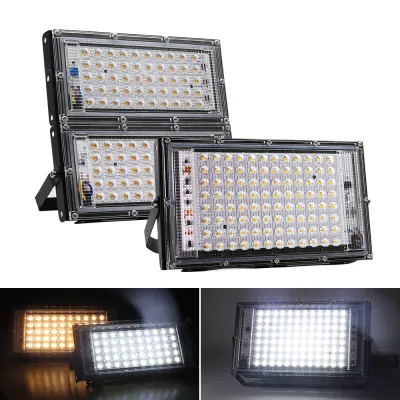
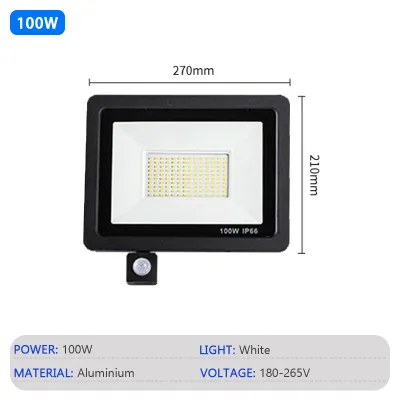
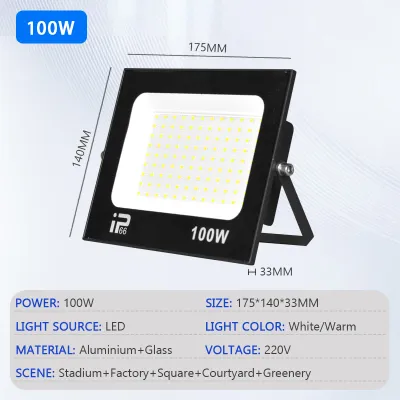
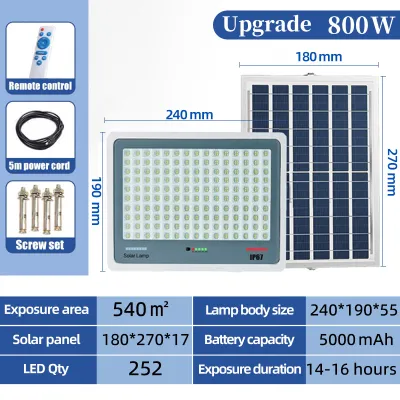
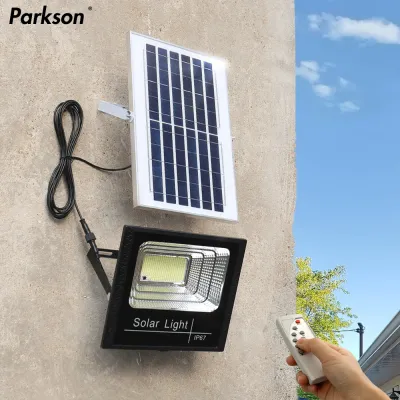
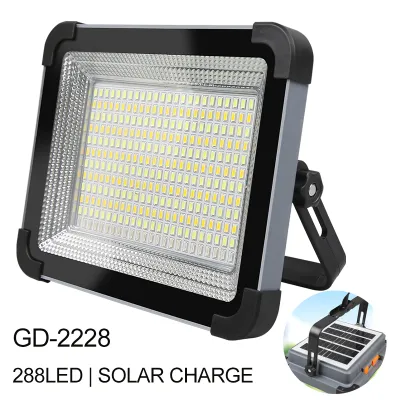
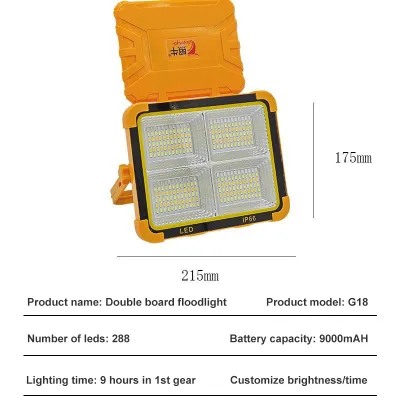
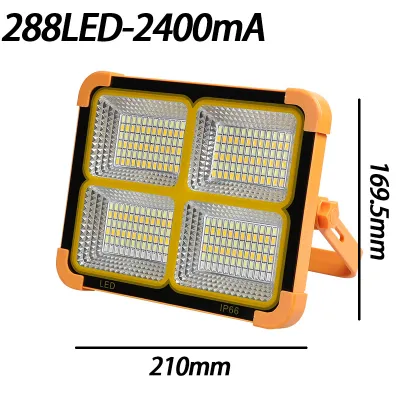
Prices are valid at publication and may change. Please refer to the product page for the latest price.
The second digit, ranging from 0 to 9, measures liquid ingress protection. For standard outdoor lighting, the most relevant liquid protection levels are 4, 5, and 6. A second digit of 4 indicates protection against water splashing from any direction, which is suitable for partially protected areas. A digit of 5 signifies protection against water jets projected by a nozzle from any direction, while a digit of 6 indicates protection against powerful water jets, such as those experienced during severe storms.
It is vital to distinguish between weather resistance and submersibility. Standard outdoor flood lights rated IP65 or IP66 are designed to shed heavy rain and resist wind-driven water jets, but they are not engineered to be submerged. Submersible fixtures, such as those used in garden ponds or swimming pools, require a rating of IP67 or IP68, which certifies protection during temporary or continuous immersion under specified pressure conditions. Attempting to use a standard outdoor flood light underwater will result in immediate failure and severe electrical hazards.
Matching IP Ratings to Installation Zones in Heavy Rain
Determining the correct IP rating for your flood light depends heavily on its exact physical placement and exposure to the elements. Fully exposed zones include open rooftops, unshaded garden walls, perimeter fences, and lawn areas where the fixture has no overhead protection. In these locations, the flood light must bear the full force of Singapore’s monsoon seasons, where driving rain often falls at sharp angles due to strong winds. For these completely exposed installations, a minimum rating of IP65 is highly recommended, though IP66 provides an extra layer of security against high-velocity water ingress during severe squalls.

In contrast, semi-exposed zones offer some degree of physical shelter. These areas include deep roof eaves, covered patios, carports, and recessed entryways. While these structures block direct vertical rainfall, they do not eliminate exposure to wind-blown moisture, high humidity, or splashing water. For semi-exposed locations, a minimum rating of IP44 is generally acceptable, as it protects against splashing water from any angle. However, if the shelter is shallow or the area is prone to swirling wind currents during storms, upgrading to an IP65 fixture is a safer choice to prevent moisture from bypassing the seals.
Regardless of the zone, you must carefully review the manufacturer’s installation instructions regarding mounting angles and orientation. Many flood lights are engineered with specific drainage paths, seals, and cable entry points that only function correctly when the fixture is oriented in a particular direction. For instance, installing a flood light upside down or at an extreme upward tilt can cause water to pool around the cable entry gland or lens seals, eventually forcing moisture into the housing despite a high IP rating. Always verify that your planned mounting angle aligns with the manufacturer’s approved configurations.
Managing Tropical Humidity, Heat, and Debris
While heavy rainfall is the most visible threat, Singapore’s persistent high humidity and elevated ambient temperatures present silent challenges to outdoor lighting. Rapid temperature fluctuations—such as a hot afternoon followed by a sudden, cooling downpour—can create a vacuum effect inside the flood light housing. As the air inside the fixture cools rapidly, it contracts, drawing moist external air through microscopic gaps in the seals. Once inside, this moisture condenses into water droplets on the cool glass lens, leading to internal corrosion, electrical shorting, and reduced light output. High-quality fixtures often incorporate specialized breathable membranes or venting valves that equalize pressure differences without allowing liquid water to enter.
Thermal management is another critical factor in tropical environments. Continuous exposure to high ambient temperatures can accelerate the degradation of both the LED chips and the internal driver components. When selecting a flood light, look for robust physical construction, such as heavy-duty aluminum housings with integrated heat sinks. These designs efficiently dissipate heat away from sensitive electronics, preventing premature thermal degradation and maintaining the light’s efficiency over its operational lifespan.
Over time, environmental exposure will inevitably take a toll on any outdoor fixture. Accumulations of organic debris, dust, fallen leaves, and bird droppings can trap moisture against the housing, accelerating the breakdown of rubber seals and causing corrosion on metal surfaces. Furthermore, UV radiation from intense sunlight can degrade plastic lenses and dry out rubber gaskets, making them brittle and prone to cracking. Conducting routine visual checks at least twice a year allows you to identify seal degradation, lens clouding, or debris buildup early, ensuring you can clean the fixture and address wear before moisture penetrates the enclosure.
Electrical Safety and Professional Installation Boundaries
Installing outdoor electrical fixtures in wet environments carries inherent risks that demand strict adherence to safety protocols. Any permanent outdoor wiring, connection to the main electrical grid, or installation of outdoor junction boxes must be performed by a qualified professional, such as a licensed electrical worker. This ensures compliance with local electrical standards and safety regulations, minimizing the risk of electrical fires or shock hazards. Before any installation, maintenance, or inspection begins, the power supply to the circuit must be completely isolated at the main distribution board.
Proper grounding is non-negotiable for outdoor metal-clad fixtures to ensure that any electrical fault safely trips the circuit breaker rather than energizing the light housing. Additionally, all exposed cabling must be routed through weatherproof, UV-resistant conduits, and connections must be housed within appropriately rated weatherproof junction boxes. Using standard indoor electrical tape or non-rated connectors outdoors will quickly lead to water ingress and system failure.
A critical safety rule is the stop condition: if you encounter any discrepancy between the installation environment and the product manual, or if the intended mounting location does not meet the manufacturer’s specifications, you must halt the installation immediately. Do not attempt to modify the fixture, bypass seals, or improvise mounting solutions. Consult the manufacturer or a qualified professional to resolve the issue safely before proceeding.
How to Verify Product Specifications and Labels
To ensure your outdoor flood light can withstand the local climate, you must verify its technical specifications rather than relying on vague marketing claims. The official IP rating should be clearly marked on the product. Look for the rating engraved or printed directly on the fixture’s housing, printed on the retail packaging, and detailed within the official technical datasheet. If a product is marketed with ambiguous terms like “waterproof,” “weather-resistant,” or “rainproof” but lacks a specific, certified IP code (such as IP65), treat it with caution, as these terms have no standardized engineering definition.
When purchasing a flood light, always verify that the fixture is compatible with local electrical parameters, including a standard voltage of 220-240V, and check the maximum wattage limits of your existing circuits. Ensure the product carries the appropriate local safety certifications and compliance marks, which indicate the fixture has undergone rigorous testing for electrical safety and environmental resistance. You should also verify physical dimensions and dimming compatibility if you plan to integrate the light into an existing smart home system or dimming circuit.
Finally, keep all purchase receipts, product manuals, and warranty documentation in a safe place. Manufacturer warranties for outdoor lighting often carry specific clauses requiring proof of correct installation by a qualified professional. Be aware that standard warranties typically exclude coverage for damage resulting from improper mounting, exceeding the rated IP limits, or extreme, unprecedented weather events. Keeping detailed records ensures you are protected should a manufacturing defect arise during the warranty period.
Frequently Asked Questions (FAQ)
Can I use an indoor flood light outside if it is under a roof?
No, you should never use an indoor-rated flood light in any outdoor setting, even if it is fully sheltered under a deep roof or patio. Indoor fixtures lack the essential UV-stabilized materials, anti-corrosion coatings, and specialized moisture seals required to survive outdoors. In Singapore’s high-humidity environment, airborne moisture and condensation will quickly penetrate an indoor fixture’s unsealed housing, leading to rapid corrosion of internal components, short circuits, and potential electrical hazards. Additionally, strong winds during monsoon storms can blow rain horizontally, easily reaching sheltered areas and exposing the indoor fixture to direct water contact. Always select a fixture with an appropriate outdoor IP rating for any external installation.
Does a higher IP rating mean the light will last longer?
Not necessarily. An IP rating only measures a fixture’s ability to prevent the ingress of solids and liquids under specific, standardized test conditions at the time of manufacture. It does not serve as a measure of overall material durability, LED chip lifespan, driver quality, or resistance to UV degradation. A flood light with a high IP rating can still fail prematurely if it has poor thermal management, low-grade electronic components, or a housing material that corrodes easily. To ensure long-term reliability, you should evaluate the overall build quality, heat dissipation design, housing materials, and warranty terms in addition to verifying the IP rating.
Community discussion
Share your experience or ask a question. Comments are reviewed before publication.