
Selecting outdoor lighting for a home in Singapore requires careful consideration of the tropical climate. With sudden, heavy monsoon downpours and year-round relative humidity frequently exceeding 80 percent, standard light fixtures can quickly fail if they lack adequate protection. To ensure safety and longevity, your outdoor lights must have an appropriate Ingress Protection (IP) rating tailored to their specific location and exposure level.
For sheltered areas like covered patios or under deep eaves, a minimum rating of IP65 is often sufficient to handle ambient moisture and wind-blown mist. However, for fully exposed garden walls, lawn pathways, or open decks, fixtures require at least IP66 to withstand direct, high-pressure rainfall. Ground-level installations, such as in-ground well lights or low-lying path lights that may experience temporary pooling or flooding during intense storms, demand a minimum of IP67 to prevent water from seeping into the electrical housing.
Understanding IP Ratings for Outdoor Lighting
The Ingress Protection (IP) rating system is an international standard used to define the sealing effectiveness of electrical enclosures against intrusion from foreign bodies and moisture. The code consists of the letters “IP” followed by two digits, each representing a specific level of protection. Understanding how to read these numbers is the first step in selecting safe, durable outdoor lighting for your property.
Products mentioned in this guide
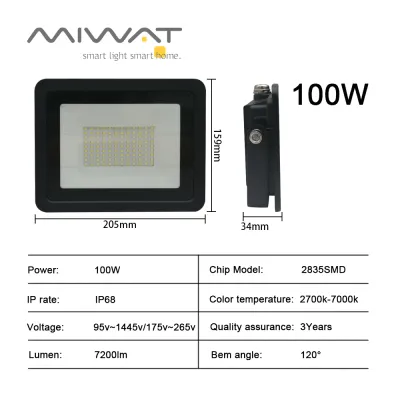
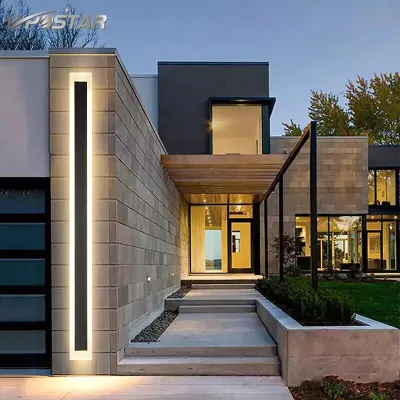
![[SG Stock] LED Garden Lamp IP65 Waterproof 7 Colors Changing Outdoor Landscape Flood Light Adjustable](https://img.lazcdn.com/g/p/1f03b51e0457754f7638916925f0119c.jpg_400x400q80.jpg_.webp)
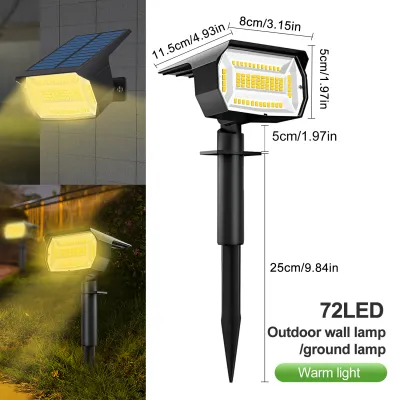
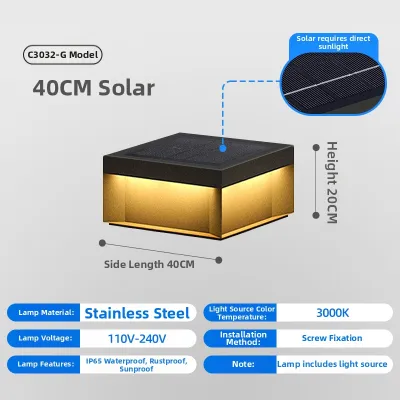
Prices are valid at publication and may change. Please refer to the product page for the latest price.
The first digit, ranging from 0 to 6, indicates the level of protection against solid objects, such as dust, dirt, and accidental contact. A rating of 6 is the highest standard for solids, meaning the fixture is completely dust-tight. This is particularly important for outdoor fixtures, as fine dust and small insects can accumulate inside the housing over time, potentially causing short circuits or reducing the light output.
The second digit, ranging from 0 to 9, measures the fixture’s resistance to liquids. For outdoor environments, this second number is the primary decision factor. A lower number like 4 indicates protection against splashing water from any direction, while a 5 or 6 indicates protection against water jets of varying pressure. Ratings of 7 and 8 indicate that the fixture can withstand temporary or continuous immersion in water, respectively.
In a highly humid tropical environment, basic splash resistance is rarely enough for long-term reliability. High humidity means that moisture vapor is constantly present in the air. When temperatures drop in the evening, this vapor can condense inside poorly sealed fixtures, leading to corrosion and electrical faults. Therefore, selecting a fixture with a robust liquid protection rating is essential to maintain a dry internal environment.
Matching IP Ratings to Garden Light Installations
Not every outdoor light fixture requires the same level of protection; the ideal IP rating depends heavily on where the light is installed and how much shelter it receives. By matching the rating to the specific zone of your garden or patio, you can optimize both safety and your budget.

Covered areas, such as roofed patios, balconies, and deep eaves, offer significant protection from direct rainfall. For these semi-sheltered zones, fixtures with a minimum rating of IP44 or IP54 are generally acceptable. These ratings protect against multi-directional water splashes and dust ingress, making them suitable for handling high humidity and occasional wind-blown mist without risking electrical failure.
Fully exposed areas, including garden walls, open-air pillars, and lawn pathways, bear the full brunt of Singapore’s intense weather. Wall sconces, post lights, and decorative garden spikes in these locations must have a minimum rating of IP65, though IP66 is highly recommended. These ratings ensure the fixture can withstand direct, heavy downpours and high-pressure water jets from any angle, preventing water from penetrating the housing during severe storms.
Ground-level or flood-prone zones require the highest level of protection. In-ground well lights, deck lights, and low-lying path lights are frequently subjected to pooling water, mud, and temporary submersion during heavy monsoon rains when drainage systems are overwhelmed. For these installations, you must select fixtures rated at IP67 or higher. An IP67 rating guarantees that the fixture can remain submerged in water up to one meter deep for up to 30 minutes, ensuring it survives localized flooding without short-circuiting.
Navigating Singapore's Specific Weather Challenges
Singapore’s equatorial climate presents unique challenges that go beyond simple rainfall measurements. The combination of intense heat, sudden downpours, and persistent humidity requires careful inspection of a fixture’s physical construction before purchase.
During a monsoon downpour, water droplets fall with significant velocity and volume. This constant mechanical pressure can force water through microscopic gaps in a fixture’s seams, joints, or cable entry points. Over time, even minor structural weaknesses can lead to water accumulation inside the light, causing immediate electrical failure or gradual corrosion of the internal wiring.
Furthermore, the rapid transition from hot afternoon sun to a sudden cold downpour causes rapid temperature fluctuations. This temperature drop creates a thermal shock, cooling the air inside the fixture rapidly and creating a vacuum effect. If the seals are not perfectly airtight, this vacuum will draw humid external air or standing water directly into the housing. Once inside, the moisture condenses on the cool internal surfaces, leading to fogged lenses, rusted components, and electrical shorts.
To mitigate these risks, always verify the structural features of the lighting fixtures during selection. Look for high-quality, UV-stabilized silicone or neoprene gaskets rather than cheap rubber seals, which can dry out and crack under intense tropical sunlight. Ensure the housing is made of corrosion-resistant materials such as solid brass, copper, marine-grade stainless steel, or heavy-duty polycarbonate. Additionally, check for robust O-rings at all threaded joints and verify if the fixture includes built-in drainage channels or pressure-equalizing valves to manage internal condensation.
Electrical Safety and Installation Boundaries
Installing outdoor lighting involves working with electricity in consistently damp or wet environments, which significantly increases the risk of electrical shock and short circuits. Adhering to strict safety standards and knowing when to call a professional is vital for protecting your home and family.
Fixed wiring and joint handling in outdoor spaces require specialized materials and techniques. Standard electrical tape and indoor wire connectors are entirely inadequate for outdoor use. All external wire connections must be housed in waterproof junction boxes rated to at least IP66 and filled with protective gel or sealed with watertight cable glands to prevent moisture from traveling along the cables.
Before undertaking any installation or adjustment, always isolate the power supply by turning off the main circuit breaker at the distribution board. Never rely solely on the wall switch to cut power. Additionally, carefully read the manufacturer’s installation manual to verify critical specifications, including the operating voltage (typically 220V-240V, or low-voltage 12V/24V systems requiring a step-down transformer), base/interface compatibility, maximum wattage limits, and local electrical safety certifications, such as the SAFETY Mark.
It is crucial to recognize the boundaries of do-it-yourself (DIY) work. While replacing a low-voltage bulb or positioning solar-powered garden stakes is safe for homeowners, complex tasks must be left to professionals. If your project involves running underground cabling, installing high-altitude fixtures, connecting new circuits to the main distribution board, or implementing complex waterproofing systems, you must hire a licensed electrical worker (LEW) to ensure compliance with local electrical safety regulations.
Maintenance and Longevity in Humid Conditions
Even the highest-quality outdoor lights require regular maintenance to preserve their waterproof integrity and extend their operational lifespan in a humid tropical climate. Establishing a routine inspection schedule helps identify potential issues before they lead to complete fixture failure.
Perform visual inspections at least twice a year, ideally before the onset of the major monsoon seasons. Check the exterior housing for any signs of cracking, warping, or physical damage. Inspect the glass or polycarbonate lenses for internal condensation or fogging, which are clear indicators that the waterproof seal has been compromised. Examine the visible gaskets and O-rings to ensure they remain soft, pliable, and free of cracks.
When cleaning your outdoor fixtures, use a soft, damp cloth and mild soap to remove dirt, algae, and mineral deposits. Avoid using high-pressure water sprays or harsh chemical cleaners, as these can degrade the protective coatings and force water past the rubber seals. Ensure that any built-in drainage pathways or weep holes at the base of the fixture remain clear of soil, leaves, and debris to prevent water from pooling around the seals.
If you detect water ingress, a cracked lens, or a failing seal, take immediate action to prevent electrical hazards. Turn off the power supply to the affected circuit at the main breaker. Do not attempt to turn the light back on until the fixture has been thoroughly inspected, dried, and repaired. If the damage is extensive or if the fixture continues to trip your home’s circuit breakers, consult a qualified professional to assess whether the unit needs to be resealed or completely replaced.
Frequently Asked Questions (FAQ)
Can I use indoor lights outdoors if they are placed under a covered patio?
No, you should never use indoor-rated lights in any outdoor setting, even under a fully covered patio. Indoor fixtures lack the necessary gaskets, seals, and corrosion-resistant materials required to withstand high ambient humidity, temperature fluctuations, and wind-blown moisture. Using them outdoors poses a severe risk of electrical short circuits, shock hazards, and premature product failure. Always verify that a fixture is explicitly rated for outdoor use before installation.
Does a higher IP rating guarantee the light will never rust?
No, a high IP rating only measures a fixture’s resistance to dust and water ingress; it does not indicate resistance to corrosion or rust. A light can be completely waterproof (IP67) but still rust over time if its housing is made of low-grade metals exposed to humid, salty air. To prevent rust, look for fixtures constructed from high-quality materials such as solid brass, copper, marine-grade stainless steel, or UV-stabilized composite polymers.
How do I check if the waterproof seal on my existing garden light is failing?
You can identify a failing waterproof seal through several observable signs. The most common indicator is persistent condensation or water droplets visible inside the lens cover. Other signs include a flickering light bulb, visible cracking or hardening of the rubber gaskets, rust stains around the screws or joints, and the frequent tripping of your home’s residual current circuit breaker (RCCB) when the outdoor lights are turned on. If you notice these signs, isolate the power immediately and inspect the fixture.
Community discussion
Share your experience or ask a question. Comments are reviewed before publication.