
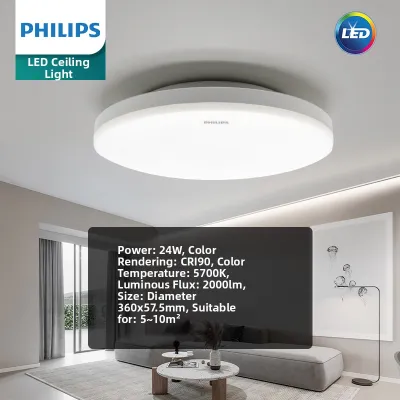
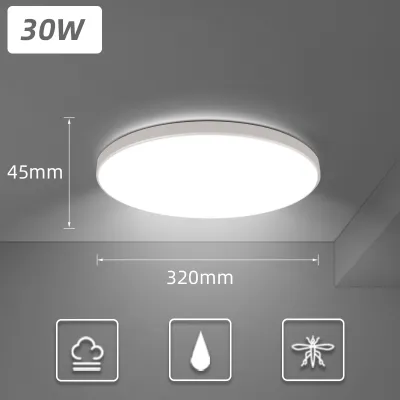
Selecting the right ceiling light led fixtures for a standard Housing & Development Board (HDB) flat requires a careful balance between spatial design and technical specifications. With a standard ceiling height of 2.6 meters, HDB flats present distinct vertical limitations that rule out bulky or low-hanging fixtures. To maintain a spacious, comfortable home, homeowners should look for ultra-slim, low-profile flush-mount LED lights that measure under 5 centimeters in depth. Brands that carry local safety certifications, offer robust heat dissipation, and provide high-quality diffusers are essential to ensure long-term performance and visual comfort in these compact living spaces.
By focusing on low-profile designs, you can maximize vertical clearance while achieving even, bright illumination across your floor plan. Evaluating fixture depth, driver reliability, and color quality will help you transform your flat without making the rooms feel cramped or dark.
Why Standard HDB Ceiling Heights Require Specific Fixture Profiles
Standard HDB flats, particularly modern Build-To-Order (BTO) units, feature a floor-to-ceiling height of approximately 2.6 meters. This height severely limits the vertical clearance available for lighting installations. Introducing a fixture that protrudes significantly from the ceiling reduces the functional headroom, creating physical hazards for taller occupants and complicating daily activities like changing bedsheets or moving tall furniture. A safe clearance height of 2.1 to 2.3 meters from the floor must be maintained to ensure the living space remains functional and safe.
Products mentioned in this guide
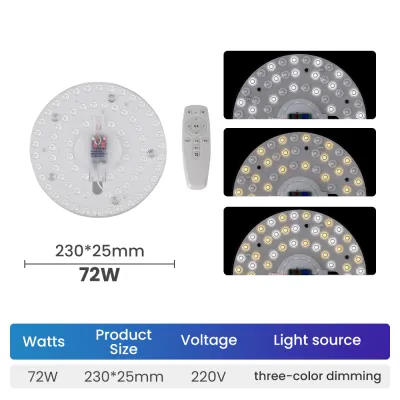
Prices are valid at publication and may change. Please refer to the product page for the latest price.
Beyond physical safety, the visual weight of a light fixture plays a critical role in how spacious a room feels. Large, suspended, or deep semi-flush fixtures draw the eye downward, making the ceiling appear lower than it actually is and inducing a cramped, claustrophobic atmosphere. Ultra-slim flush-mount LED ceiling lights sit close to the concrete slab, blending seamlessly into the ceiling line. This minimal profile directs the eye outward rather than downward, preserving the open, airy feel of your HDB flat.
Heat dissipation is another critical factor when installing lights in low-clearance spaces. Flush-mount fixtures are installed directly against the concrete ceiling, which can trap warm air in the small gap between the fixture’s backplate and the ceiling slab. Because LED chips and drivers are highly sensitive to thermal stress, poor heat dissipation can cause rapid lumen depreciation, color shifting, or premature driver failure. High-quality slimline brands address this by engineering integrated aluminum heat sinks or thermal backplates that safely conduct heat away from the electronics, ensuring the light operates within safe temperature limits.
Finally, low ceilings require careful coordination with other overhead appliances, particularly ceiling fans. Many HDB homeowners install ceiling fans to cope with Singapore’s tropical climate. If a ceiling light is too deep or positioned too close to a fan’s blades, it can block the airflow or, worse, create a highly distracting strobing effect as the blades pass under the light source. Low-profile, flush-mount LEDs minimize this risk by staying well above the sweep line of the fan blades, ensuring both optimal air circulation and steady, shadow-free illumination.
What to Look for in Reliable LED Ceiling Light Brands
When searching for a reliable ceiling light led brand for your HDB flat, prioritize manufacturers that design dedicated ultra-slim or flat-panel series rather than those that simply modify older, deeper fixture housings. Look for brands that specialize in edge-lit technology, which allows the fixture to remain incredibly thin while delivering soft, uniform light. Reliable brands will clearly state the fixture’s physical dimensions, including its exact depth, on the product packaging and specification sheets, making it easy to verify compatibility before purchase.

Warranty terms offer a clear indication of a brand’s confidence in its product durability under low-clearance conditions. Look for brands that offer at least a two-year local warranty covering both the LED panel and the internal driver. Be cautious of online-only brands that require you to ship defective units back overseas for replacement, as this adds unnecessary cost and downtime. A local warranty managed by an authorized distributor in Singapore ensures you can get a replacement quickly if a component fails.
Local after-sales support and the availability of replacement parts are vital considerations for long-term maintenance. High-quality lighting brands often use modular designs, allowing you to replace the LED driver independently of the light panel. Because the driver is typically the first component to fail due to electrical fluctuations, choosing a brand with readily available, compatible replacement drivers locally will save you from having to replace the entire fixture down the road.
User reviews and community feedback are invaluable for assessing long-term performance. When researching brands, look for specific mentions of diffuser yellowing and light flicker. Low-quality plastics used in cheap diffusers will degrade and turn yellow after 12 to 18 months of exposure to heat and light, which severely reduces light output and ruins the aesthetic. Furthermore, reviews that highlight flicker-free operation indicate high-quality drivers that won’t cause eye strain or headaches during extended use.
Must-Check Specifications for Low-Clearance Ceiling Lights
To ensure a seamless fit and safe operation, you must verify several critical physical and electrical specifications before purchasing any ceiling light led fixture.
Fixture Depth and Diameter
For a 2.6m ceiling, target a fixture depth between 2 and 5 centimeters. This ultra-slim profile keeps the light close to the ceiling, preserving maximum headroom. To choose the correct diameter, use the room’s dimensions as a guide. For small bedrooms or studies (around 9 to 12 square meters), a fixture diameter of 30 to 40 centimeters is usually sufficient. For larger master bedrooms or standard HDB living rooms (15 to 20 square meters), look for fixtures with a diameter of 50 to 60 centimeters to ensure adequate light spread across the entire space.
Electrical Compatibility
Verify that the fixture is rated for Singapore’s standard household voltage of 230V AC at 50Hz. Check the wattage limits of your existing HDB ceiling junction boxes and switches. While modern LED lights consume significantly less power than older fluorescent or incandescent fixtures—typically ranging from 18W to 72W—you must still ensure the total load does not exceed the rating of your lighting circuit breaker, which is typically 6A or 10A in standard HDB distribution boards.
Base Type vs. Integrated LED
Choose between integrated LED panels and fixtures that use replaceable LED bulbs (such as E27 bases) based on your space and maintenance preferences:
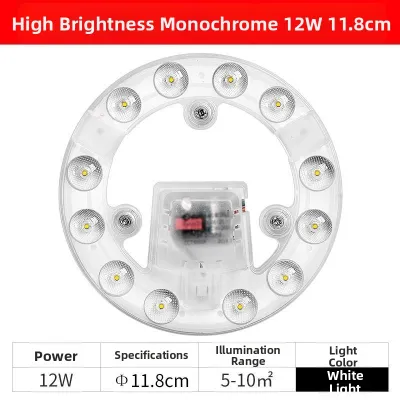
- Integrated LED Panels: These offer the slimmest profiles (often under 2.5cm) because they do not require bulky bulb sockets. They provide highly even light distribution and excellent energy efficiency, though the entire fixture or driver must be replaced if the LEDs fail.
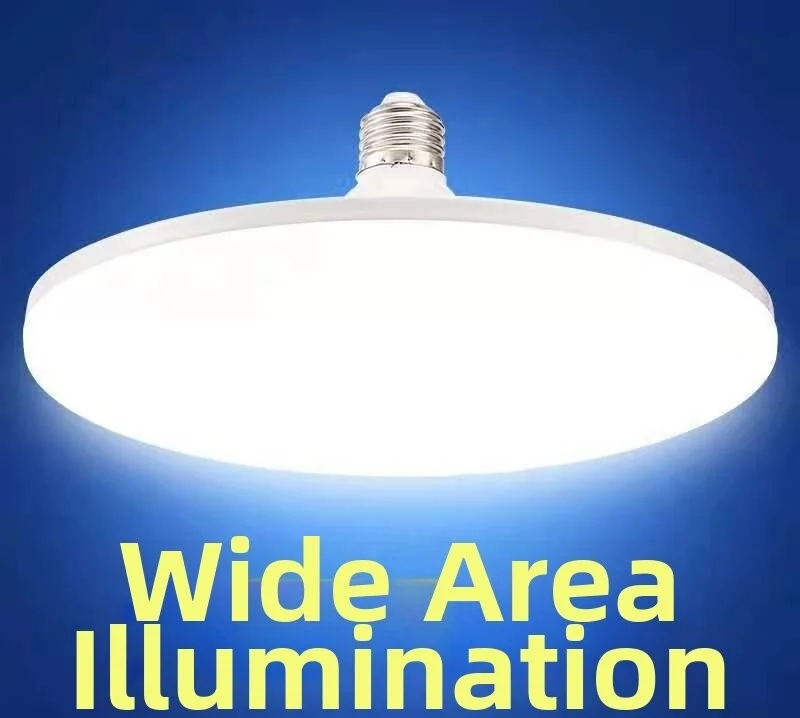
- Replaceable Bulb Fixtures: These fixtures are much thicker (usually 10cm or deeper) to accommodate the bulbs, making them less suitable for 2.6m ceilings. However, they allow you to change individual bulbs easily without replacing the entire fixture.
Dimming and Smart Features
If you plan to use dimmable or smart LED ceiling lights, check the compatibility of your wall switches. Standard triac dimmers often cause non-dimmable LEDs to flicker or buzz. If you choose a smart ceiling light that connects via Wi-Fi, Bluetooth, or Zigbee, verify if it requires a constant power supply (meaning you must leave the physical wall switch on) or if it requires a neutral wire at the switch box. Many older HDB flats do not have neutral wires routed to wall switches, which may limit your choice of smart dimming systems unless you hire an electrician to re-wire the switches.
Optimizing Brightness and Color Temperature for HDB Floor Plans
Achieving the perfect lighting balance in an HDB flat requires matching the light output and color temperature to the specific function of each room, taking into account the low ceiling height.
Rather than relying on wattage to estimate brightness, look at the lumen (lm) output specified by the manufacturer. Lumens measure the actual amount of visible light emitted by the fixture. For a standard HDB living room, a total light output of 3,000 to 5,000 lumens is recommended to keep the space bright and inviting. This can be achieved using a single large flush-mount panel or a combination of a central slim panel and supporting downlights. For bedrooms, a softer output of 1,500 to 2,500 lumens creates a more relaxing environment.
Because a 2.6-meter ceiling places the light source closer to eye level, glare prevention is critical for visual comfort. Direct-lit LED fixtures, where the LED chips shine directly downward through a thin plastic cover, often produce harsh “hot spots” and intense glare. To avoid this, select edge-lit LED ceiling lights. These fixtures mount the LED chips along the inner frame, shining sideways into a light guide plate (LGP) and a high-quality PMMA diffuser. This design distributes the light evenly across the entire surface of the panel, eliminating glare and harsh shadows.
Color temperature, measured in Kelvin (K), should be selected conditionally based on the room’s primary use:
- Warm White (2700K – 3000K): Ideal for bedrooms and cozy dining areas, creating a warm, relaxing atmosphere.
- Neutral White (4000K): Excellent for kitchens, bathrooms, and study areas, providing clean, natural light that enhances focus and task visibility without feeling clinical.
- Cool White (6000K – 6500K): Best suited for utility yards or specific task areas where high contrast is needed, though it can feel too harsh if used as the primary light in a low-ceiling living room.
- Three-Tone LEDs: Many modern fixtures feature a toggle function that lets you switch between warm, neutral, and cool white using your standard wall switch, offering excellent flexibility for multi-purpose rooms.
Beam angle is another essential specification for low ceilings. A narrow beam angle (under 60 degrees) creates focused pools of light, leaving the upper walls and corners in shadow, which makes a room feel smaller and more confined. For HDB flats with 2.6m ceilings, choose fixtures with a wide beam angle of 110 to 120 degrees. This wide spread ensures that light reaches the walls and corners, visually expanding the room and providing uniform ambient illumination.
Installation Safety and Electrical Compliance in Singapore
Installing ceiling lights in Singapore requires strict adherence to local safety standards and electrical regulations to protect your home from electrical hazards and fire risks.
First and foremost, ensure that any LED ceiling light and its accompanying driver carry the Safety Mark issued by Enterprise Singapore. The Safety Mark indicates that the product has been tested and certified to meet local safety standards, ensuring protection against short circuits, overheating, and electrical shocks. Avoid purchasing unbranded or uncertified fixtures from overseas online marketplaces, as these often lack proper insulation and high-quality drivers, posing a significant fire risk in concrete HDB structures.
Under the Energy Market Authority (EMA) regulations in Singapore, any modification to your home’s fixed electrical wiring must be carried out by a Licensed Electrical Worker (LEW). If you are performing a simple, direct like-for-like replacement of an existing ceiling light—where the existing wiring and mounting bracket are reused without modification—you may perform the installation yourself if you feel competent. However, if you need to run new wiring, install new switches, or modify the circuit, you must hire a licensed electrician to complete the work safely and legally.
Mounting a flush-mount fixture to an HDB ceiling requires drilling into solid concrete. Always use a digital wall scanner or stud finder to locate existing electrical conduits embedded in the concrete slab before drilling to avoid puncturing a live wire. Use a rotary hammer drill with the correct masonry drill bit, and secure the fixture using high-quality plastic wall plugs and screws. Standard flush-mount LED fixtures are lightweight (usually under 3 kilograms), which is well within the safe load-bearing capacity of standard HDB concrete ceilings, but always verify the fixture’s weight limit and mounting instructions.
Before undertaking any electrical work, follow this mandatory safety protocol to prevent electrical shock:
- Isolate the Power: Turn off the main circuit breaker (MCB) for the specific lighting circuit at your home's main distribution board (DB box). Simply turning off the wall switch is not sufficient, as some wiring configurations may still carry live current.
- Verify Voltage: Use a reliable, non-contact voltage tester pen at the ceiling wire connections to confirm there is absolutely no electrical current flowing through the wires before touching them.
- Secure Connections: Use high-quality connector blocks or screw terminals to join the wires (Live to Live, Neutral to Neutral, and Earth to Earth). Ensure no bare copper wire is left exposed, and wrap the connections securely with electrical tape if necessary before mounting the fixture flush against the ceiling.
Frequently Asked Questions (FAQ)
Can I install a pendant light in an HDB flat with a 2.6m ceiling?
While you can technically install a pendant light in a standard HDB flat, you must carefully manage the drop length to maintain safe headroom. A pendant light that hangs too low will obstruct movement and make the room feel cramped. If you choose to use a pendant light, limit its placement to areas where people will not walk directly underneath, such as directly over a dining table, a kitchen island, or a bedside table. For general ambient lighting in hallways, living rooms, and bedrooms, ultra-slim flush-mount LED ceiling lights remain the most practical and visually spacious choice.
Do integrated LED ceiling lights require special wiring?
No, standard integrated LED ceiling lights do not require special household wiring. They are designed to operate on Singapore’s standard 230V AC electrical system and connect directly to your existing Live, Neutral, and Earth wires. However, if you select a smart LED fixture or a model that utilizes specific dimming protocols (such as 0-10V or DALI dimming), you must check the manufacturer’s instructions. Some smart systems require a continuous power connection, while certain hardwired dimming systems may require additional control wires or specific smart wall switches to function correctly.
How do I clean an ultra-slim LED ceiling light safely?
To clean your ultra-slim LED ceiling light safely, start by turning off the power at the wall switch and allowing the fixture to cool down completely to avoid thermal shock or burns. Use a clean, dry microfiber cloth to gently wipe dust, cobwebs, and insect debris from the exterior of the diffuser. For stubborn smudges, slightly dampen the microfiber cloth with plain water, gently wipe the surface, and immediately dry it with a second cloth. Never use harsh chemical solvents, alcohol, or abrasive cleaning pads, and ensure no moisture seeps into the slim housing where it could damage the internal LED chips or driver.
Community discussion
Share your experience or ask a question. Comments are reviewed before publication.