
Selecting the ideal material for a daily worship Vinayagar statue depends primarily on your specific ritual practices, such as whether you perform liquid offerings (Abhishekam) or prefer dry offerings like flowers and incense. For active liquid rituals, durable and non-porous materials like brass, bronze, or solid stone are highly suitable because they withstand moisture and frequent cleaning. Conversely, if your daily worship is dry and meditative, lightweight or delicate materials like resin, marble dust, or clay can serve beautifully on your home altar. Balancing these ritual needs with the weight limits of your shelf and the local humid climate ensures your sacred space remains both safe and serene.
Aligning Material Choices with Your Daily Worship Practices
Before choosing a Vinayagar statue, evaluate the specific steps of your daily prayers. Rituals that involve bathing the deity with water, milk, honey, or sandalwood paste require a material that will not dissolve, rust rapidly, or absorb liquids. Porous or unsealed materials can trap moisture, leading to structural degradation, mold growth, or discoloration over time.
For dry worship, where offerings are limited to flowers, incense, and light, your material options expand significantly. In these setups, delicate finishes, hand-painted details, and lightweight compositions are perfectly safe because they avoid direct contact with liquids. This allows you to focus on the aesthetic and symbolic details of the statue rather than its water resistance.
Products mentioned in this guide
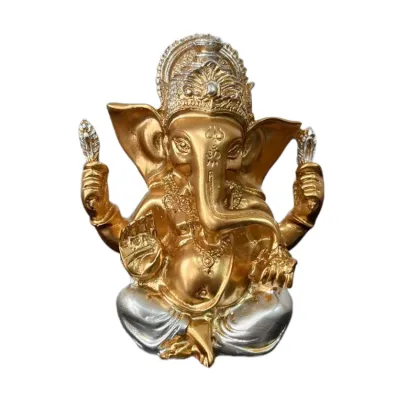
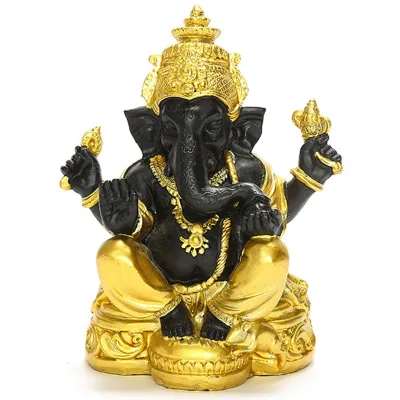
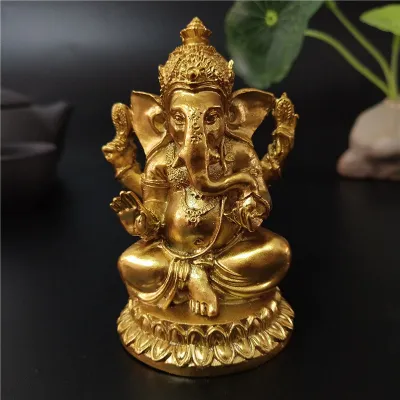
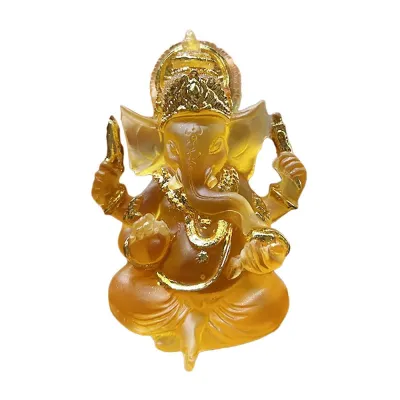
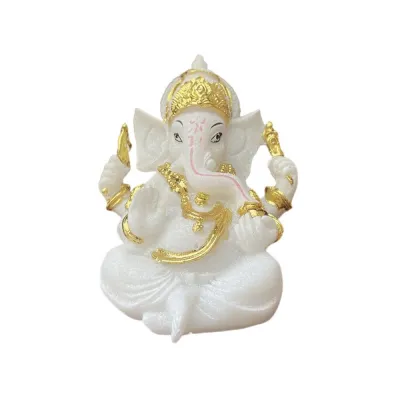
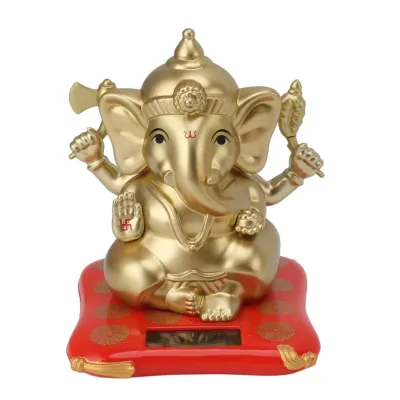
Prices are valid at publication and may change. Please refer to the product page for the latest price.
Always check the manufacturer’s care instructions or product labels before exposing any statue to liquids or oils. Even seemingly robust materials may have protective sealants or painted accents that can peel, dissolve, or discolor when subjected to moisture or acidic ritual ingredients. Taking a moment to verify these details prevents accidental damage to your sacred icon.
Comparing Common Materials for Home Altars
Different materials bring distinct physical properties, maintenance needs, and aesthetic qualities to your home altar. Understanding these trade-offs helps you select a statue that fits both your spiritual routine and your home environment.

Brass and Bronze
Brass and bronze are traditional choices for home altars due to their exceptional durability and compatibility with liquid rituals. These metals can withstand regular bathing, provided they are dried thoroughly afterward to prevent water spots and deep oxidation. Solid cast metal options are highly resilient and can last for generations with proper care.
Because metal statues are relatively heavy, you must ensure your altar shelf or pedestal is structurally sound and stable. Over time, brass and bronze naturally develop a dark patina or tarnish when exposed to air, humidity, and ritual oils. Managing this natural oxidation requires regular, gentle polishing to maintain the bright, golden appearance often preferred for daily worship.
Clay, Terracotta, and Eco-Friendly Alternatives
Natural, unbaked clay and terracotta statues carry deep traditional significance but are highly fragile and sensitive to moisture. Unbaked clay is designed to dissolve in water, making it entirely unsuitable for daily liquid bathing and best reserved for dry offerings or temporary festival shrines. This material is ideal for those who prioritize eco-friendly, biodegradable options.
Even baked terracotta remains porous and can absorb oils and water, which may weaken the structure over time. If you choose an eco-friendly or clay statue for permanent home worship, verify its base stability and handle it with extreme care to prevent chipping or cracking. Placing a protective barrier, such as a small metal or glass plate, under the base can help shield it from accidental spills.
Resin, Marble, and Stone
Synthetic resin and cast marble dust offer intricate details and vibrant colors at a lighter weight than solid stone. However, you must check the surface coatings of resin statues, as some paints and finishes can degrade when exposed to ritual oils, camphor heat, or cleaning agents. They are excellent for dry, decorative altars but require gentle handling.
Solid marble and natural stone statues provide unmatched durability and a classic, grounding presence, but their significant weight demands careful planning. Ensure your altar table or wall-mounted shelf can safely support the load of a heavy stone statue. Avoid using harsh chemical cleaners on natural stone, as acidic substances can etch the polished surface and strip away fine details.
Managing Long-Term Maintenance and Environmental Factors
Keeping your Vinayagar statue in pristine condition requires matching your cleaning routine to the material’s specific tolerances. For daily dust removal, a soft, dry microfiber cloth is generally the safest option across all material types, preventing scratches on delicate paint or polished metal. For intricate carvings where dust accumulates, a soft-bristled makeup brush can gently clear debris without abrasive friction.
In humid tropical climates, moisture in the air can accelerate metal tarnishing and encourage mold growth on porous materials. Position your altar away from direct sunlight and areas of high humidity, such as open windows or damp walls, to prevent paint fading and material degradation. Good ventilation around the altar space helps maintain a stable environment for all material types.
If you notice structural cracks, deep discoloration, or severe tarnishing that does not respond to gentle cleaning, stop using liquids on the statue. Consult the manufacturer or a professional restorer to assess whether the material can be safely restored without causing further damage. Continuing to apply moisture to a compromised structure can lead to irreversible crumbling or deep corrosion.
Evaluating Size, Weight, and Safe Placement
The physical safety of your home shrine depends on proper placement and weight distribution. Calculate the combined weight of the Vinayagar statue, its pedestal, and any decorative brass plates or lamps before finalizing its position on your altar. This prevents overloading your furniture and ensures a stable setup.
If you plan to place the statue on a wall-mounted or floating shelf, verify the shelf’s maximum load-bearing capacity and ensure it is securely anchored to a solid wall. For heavy stone or large metal statues, a sturdy floor-standing cabinet or a reinforced altar table is highly recommended to prevent accidental falls. Using non-slip pads under the base can also prevent the statue from shifting during cleaning.
Maintain safe clearances between your statue and active heat sources, such as oil lamps, camphor burners, and incense holders. Heat can scorch painted resin, discolor polished metals, and crack natural stone, so position these items with ample space to ensure a safe and beautiful worship environment. Ensuring a clear path around the flame also minimizes the risk of accidental fire.
Frequently Asked Questions (FAQ)
Can I perform liquid rituals on a painted resin statue?
Performing liquid rituals on a painted resin statue is generally not recommended unless the manufacturer explicitly states it is waterproof. Water, oils, and acidic ritual substances can seep under the paint layer, causing it to bubble, peel, or fade over time. If the waterproofing of the coating is unverified, it is best to practice dry worship or perform liquid offerings in a separate metal vessel placed in front of the statue.
How do I safely remove tarnish from a brass statue?
To safely remove tarnish from a brass statue, start by wiping away loose dust with a soft, dry microfiber cloth. If deeper cleaning is needed, test any commercial brass polish on a small, hidden area of the base first to ensure it does not scratch or strip the finish. Avoid using highly abrasive scrubbing pads or harsh, acidic home remedies, as these can permanently scratch the metal and ruin fine details.
Community discussion
Share your experience or ask a question. Comments are reviewed before publication.