
Selecting the most suitable Krishna statue for your home altar is a deeply personal decision that balances spiritual devotion with practical home maintenance. The ideal material depends primarily on how you intend to worship. For active daily rituals involving liquid offerings, durable metals like brass or bronze are highly recommended. If your daily practice is centered on dry offerings and visual meditation, marble, stone, or high-quality wood can provide a serene focal point. Understanding how different materials interact with moisture, cleaning agents, and the local climate will ensure your deity remains beautiful and structurally sound for generations.
Understanding Religious and Practical Requirements for Daily Puja
Before choosing a material, evaluate your daily worship routine, also known as your sadhana. The most critical distinction is whether you perform abhishekam, the ritual bathing of the deity. During abhishekam, the statue is bathed in water, milk, honey, yogurt, or rosewater. These liquids, particularly acidic ones like yogurt or honey, can chemically react with certain materials, causing erosion, discoloration, or structural decay over time. If liquid rituals are a core part of your daily puja, you must select a non-porous, non-reactive, or highly resilient material.
Another practical factor is handling and weight. Daily cleaning, dressing, and decorating require you to handle the statue frequently. During major festivals like Janmashtami, you may need to move the deity to a larger altar or a swinging cradle (jhula). A very heavy stone or large brass statue can be difficult to move safely, increasing the risk of accidental drops or damage to your altar. Conversely, an overly lightweight statue might tip over easily when adorned with heavy flower garlands or jewelry.
Products mentioned in this guide
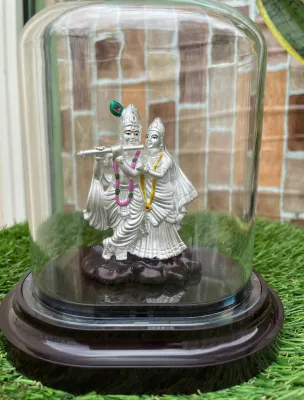
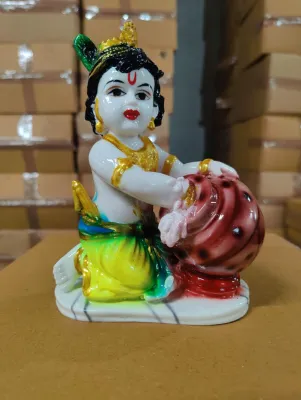
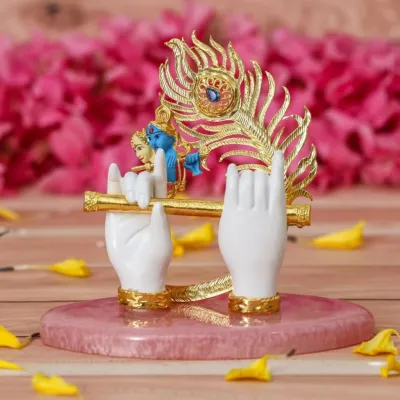
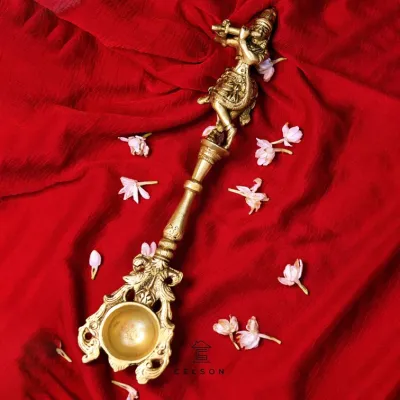
Prices are valid at publication and may change. Please refer to the product page for the latest price.
Environmental conditions also play a significant role, especially in tropical climates like Singapore. High relative humidity can accelerate the tarnishing of metals, encourage mold growth on porous materials like wood or clay, and cause paint on resin statues to bubble or peel. If your home altar is located in an area without continuous climate control, you must choose a material that can withstand persistent moisture in the air without degrading.
Additionally, if you plan to illuminate your altar with decorative spotlights or integrated LED strip lights, you must consider the installation environment. Ensure all electrical fixtures are certified for safety, and keep any wiring or power sources completely isolated from the wet areas of your altar where abhishekam takes place. For heavy wall-mounted altars or statues placed on high shelves, always follow the manufacturer’s installation instructions or consult a qualified professional to ensure the structure can safely bear the weight.
Comparing Common Materials for Krishna Statues
Each material brings a unique combination of density, porosity, and surface finish to your home altar. These physical characteristics dictate how the statue responds to daily handling, environmental exposure, and ritual offerings. While traditional materials carry deep historical and spiritual significance, modern synthetic alternatives offer lightweight convenience and intricate painted details. Balancing these trade-offs is key to finding a statue that fits both your devotional lifestyle and your home environment.

Brass and Bronze
Brass and bronze are the most traditional and widely recommended metals for daily home worship. These copper alloys are exceptionally durable, heavy enough to remain stable on the altar, and highly resistant to cracking or breaking if accidentally bumped. Because they are non-porous, solid brass and bronze statues are perfectly suited for daily abhishekam. They can withstand regular exposure to water, milk, and oils without structural degradation, making them a reliable choice for active ritual worship.
However, metal statues require consistent maintenance to manage tarnish. Copper alloys naturally oxidize when exposed to air and moisture, developing a dark patina over time. In humid environments, this oxidation happens more rapidly. To keep a brass Krishna statue shining, you must polish it regularly using gentle, non-abrasive metal cleaners or traditional natural mixtures like tamarind paste or lemon juice. When purchasing, it is crucial to verify that the statue is solid metal rather than a plated alternative. Plated statues have a thin layer of metal over a cheaper base material; this plating will quickly wear away under the friction of daily polishing and the acidity of ritual liquids, exposing the vulnerable core underneath.
Marble and Stone
Marble and stone statues are revered for their elegant, serene appearance and smooth, cool texture. They are excellent for creating a peaceful, temple-like atmosphere in a home mandir. High-quality white marble or black granite statues are highly durable and can last for centuries if handled with care. They provide excellent stability on the altar due to their substantial weight, making them ideal for permanent installations where the statue does not need to be moved frequently.
Despite their solid appearance, natural stones are porous and susceptible to staining. Liquids used in abhishekam, as well as ritual powders like kumkum (vermilion) and haldi (turmeric), can seep into the microscopic pores of unsealed marble, leaving permanent stains. To prevent this, stone statues must be professionally sealed, and any liquid offerings should be wiped away immediately. Additionally, stone is brittle; a drop onto a hard tile floor can easily chip or shatter the delicate details of the statue, such as the fingers or the flute. Cleaning must be done with pH-neutral soaps, as acidic household cleaners will etch the polished surface of the stone, leaving it dull and rough.
Resin and Polyresin
Resin and polyresin have become highly popular for home decor and modern altars. These synthetic materials allow artisans to cast highly detailed, intricate designs with vibrant, multi-colored painted finishes that are lightweight and affordable. Resin statues are highly resistant to shattering compared to ceramic or stone, making them easy to handle, pack, and transport if you move homes or travel frequently.
However, resin has severe limitations when it comes to active daily worship. Painted resin statues are generally unsuitable for abhishekam. The water, oils, and friction from daily washing will quickly cause the paint to peel, fade, or bubble, ruining the aesthetic appeal of the deity. Furthermore, some resins can degrade or become sticky when exposed to heat from nearby oil lamps (diyas) or incense sticks (agarbatti). Resin is best reserved for dry worship, decorative displays, or secondary altars where the statue is only dusted gently with a soft microfiber cloth or a dry brush rather than washed.
Wood and Clay
Wood and clay are deeply traditional, eco-friendly materials that connect your worship space directly to nature. Sandalwood, rosewood, and terracotta are classic choices that bring warmth and organic beauty to a home altar. Clay statues, particularly unbaked ones, are often used for temporary worship during specific festivals, while high-quality hardwood carvings can serve as permanent fixtures on a dry altar.
The primary drawback of wood and clay is their extreme vulnerability to moisture and environmental changes. Wood naturally absorbs humidity from the air, which can cause it to swell, warp, or crack over time, especially in humid tropical climates. It is also susceptible to wood-boring pests if not treated properly. Clay is highly fragile and will dissolve or soften if exposed to water. Consequently, liquid rituals are strictly prohibited on wood and clay statues. They must be placed in well-ventilated, dry areas of the home, safely away from direct sunlight, damp walls, and the open flames of altars, which can dry out wood and cause cracking.
How to Inspect and Select a High-Quality Statue
When selecting a Krishna statue, a physical inspection is essential to ensure both safety and quality craftsmanship. Begin by checking the physical stability of the statue. Place it on a completely flat surface and gently tap it to ensure it does not wobble; an uneven base can cause the statue to tip over during worship, potentially causing injury or damaging other items on your altar. Run your fingers carefully along the edges to check for sharp metal burrs, rough stone patches, or casting seams that could scratch you during daily handling.
Next, verify the material claims. For metal statues, lift the piece to assess its weight; solid brass or bronze should feel surprisingly heavy for its size, whereas a hollow or resin-filled imitation will feel light. You can also gently tap a solid metal statue with a small wooden mallet or coin; it should produce a clear, ringing tone, while plated or composite materials often produce a dull thud. Inspect unpolished or hidden areas, such as the underside of the base, to check the true color of the material. Finally, closely examine the facial features and hands. The eyes should be symmetrical and expressive, and the fingers holding the flute should be clearly defined without casting defects or air bubbles.
Essential Care and Maintenance by Material
Preserving the beauty and religious sanctity of your Krishna statue requires a dedicated maintenance routine tailored to its specific material. For metal statues, avoid harsh chemical polishes that contain ammonia or strong acids, as these can strip away the protective patina and damage the metal over time. Instead, use specialized, gentle metal polishes or natural alternatives like a paste of baking soda and lemon juice, washing it off thoroughly with warm water.
After any liquid ritual or cleaning session, drying the statue completely is the most critical step. Use a soft, lint-free microfiber cloth to dry every crevice, especially around the joints, crown, and flute. Trapped moisture can lead to unsightly water spots, green copper tarnish (verdigris) on brass, or mold growth on wood and stone. If your statue has painted details, avoid rubbing the painted areas; instead, gently pat them dry. For antique or highly intricate statues that have suffered deep corrosion or structural damage, avoid DIY repairs and consult a professional restorer to preserve the integrity of the piece.
Frequently Asked Questions (FAQ)
Can I use a painted resin statue for daily abhishekam?
No, painted resin statues are not suitable for daily abhishekam. The water, milk, and oils used in the ritual, combined with the physical rubbing during washing, will quickly break down the paint, causing it to peel, chip, or fade. Additionally, moisture can seep into tiny imperfections in the resin, leading to structural softening or bubbling under the surface. For active liquid rituals, it is best to choose a solid metal statue like brass or bronze.
How do I remove tarnish from a brass Krishna statue safely?
To remove tarnish safely without scratching the metal, make a gentle paste using equal parts flour, salt, and white vinegar, or use tamarind paste. Apply the paste to the tarnished areas, let it sit for a few minutes, and then gently rub it with a soft-bristled toothbrush or a microfiber cloth. Rinse the statue thoroughly with warm water to remove all acidic residues, and dry it immediately with a clean towel to prevent new water spots from forming.
Is it necessary to place the statue on a specific type of altar?
Yes, the altar surface must be strong enough to support the weight of the statue, especially if you choose heavy materials like solid brass, bronze, or marble. Ensure the altar is made of a water-resistant material like sealed wood, stone, or glass if you perform liquid rituals, as spills can warp untreated wood or stain porous surfaces. Additionally, place a protective felt pad or a soft cloth under heavy statues to prevent scratching the altar surface. If you install any decorative lighting or spotlights on your altar, ensure they are electrically certified and kept completely dry.
Community discussion
Share your experience or ask a question. Comments are reviewed before publication.