
Choosing the ideal material for a baby Buddha figurine depends on balancing your budget, aesthetic preferences, and the physical conditions of your display space. Resin offers an affordable, highly detailed, and lightweight option for modern shelves, while brass provides a classic, durable, and weighty presence that patinas beautifully over time. For those seeking a premium, natural heirloom, jade and stone offer distinctive elegance but require careful handling and secure placement due to their fragility and weight.
Defining Your Priorities: Budget, Aesthetics, and Durability
Before selecting a baby Buddha figurine, establishing your primary decision-making criteria helps narrow down the material choices. In Singapore, home decor budgets vary widely, and checking current market prices in S$ across local retailers will help you establish a realistic budget tier. Resin typically represents the entry-level tier, brass occupies the mid-to-high range, and genuine jade sits at the premium end of the spectrum.
Aligning the material’s texture and finish with your existing interior design style is equally important. A sleek, painted resin figurine might complement a contemporary or minimalist living room, whereas a polished or antiqued brass piece fits naturally into traditional, rustic, or eclectic spaces. Jade and natural stone figurines often serve as elegant focal points in serene, Asian-inspired, or classic decors.
Products mentioned in this guide
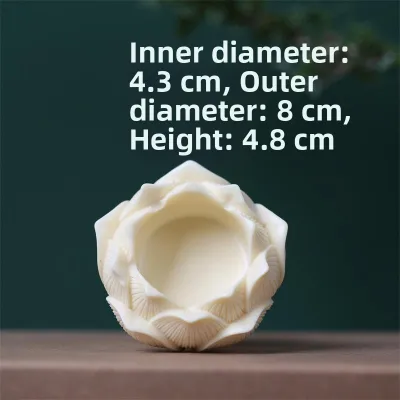
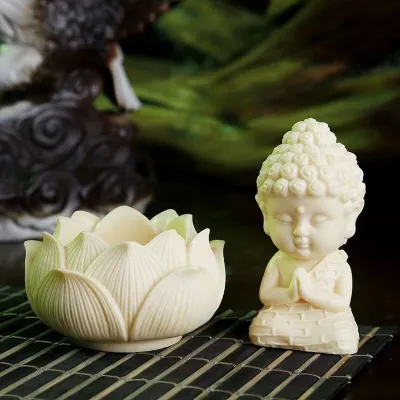
Prices are valid at publication and may change. Please refer to the product page for the latest price.
Finally, evaluate your willingness to perform daily maintenance and your long-term durability expectations. Some materials require nothing more than occasional dusting, while others need specialized care to prevent tarnishing or damage. Consider whether the figurine will be placed in a high-traffic area where it might be accidentally bumped, or safely tucked away on a high shelf.
Resin Baby Buddha Figurines: Affordable and Versatile
Resin is a highly popular synthetic material known for its notable cost-effectiveness and design versatility. Because liquid resin is poured into detailed molds, manufacturers can capture intricate facial expressions, delicate folds of clothing, and complex textures that would be difficult or costly to carve by hand. This makes resin an excellent choice if you want a highly expressive baby Buddha figurine without a premium price tag.

Another practical advantage of resin is its lightweight nature. A lightweight figurine is easy to reposition on floating shelves, delicate glass display cabinets, or temporary altars without worrying about structural strain. This portability allows you to refresh your home decor layout whenever you choose, making it a flexible option for rental homes or frequently rearranged spaces.
However, resin requires specific care to maintain its original appearance. It is essential to check the manufacturer’s labels for UV sensitivity, as prolonged exposure to direct sunlight can cause the material to yellow, fade, or become brittle. When cleaning, avoid harsh chemical cleaners or abrasive pads that can strip away painted surface coatings; instead, use a soft, slightly damp cloth for routine maintenance.
Brass Baby Buddha Figurines: Classic Appeal and Longevity
Brass baby Buddha figurines offer a classic appeal and excellent structural longevity. As a copper-zinc alloy, brass possesses a solid weight that gives the figurine a grounded, premium feel. This weight also provides excellent resistance to minor accidental bumps, making it far less likely to tip over or break compared to lighter materials.
Over time, brass undergoes a natural oxidation process, developing a unique surface film known as a patina. Some collectors highly value this aged, antique look as it adds character and depth to the figurine’s details. If you prefer a highly polished, bright golden finish, you will need to perform regular maintenance to counteract this natural tarnishing process.
Routine care for brass involves regular dusting with a dry microfiber cloth to prevent dirt buildup. If you wish to restore its original shine, check the manufacturer’s guidelines before applying any specialized metal polishes. Some brass figurines feature protective lacquer coatings that can be ruined by aggressive polishing agents, so verifying the specific finish is crucial before treatment.
Jade and Stone Baby Buddha Figurines: Premium Aesthetics and Care
Jade and natural stone baby Buddha figurines represent a premium aesthetic choice, valued for their cool touch, natural color variations, and substantial weight. Because natural stones carry unique grain patterns, no two figurines are exactly alike, offering a sense of exclusivity. However, the market contains many synthetic imitations, making it essential to verify material claims via product tags, laboratory reports, or manufacturer certificates rather than relying on visual guesswork.
The significant weight of solid stone requires careful structural planning. Before placing a large stone figurine, assess the shelf load capacity of your furniture to ensure it can safely support the weight without bowing or collapsing. Heavy stone pieces should always be placed on sturdy, level surfaces that are fully stable.
Fragility is a primary concern with natural jade and stone. Despite their hardness, these materials are highly susceptible to chipping, cracking, or shattering if subjected to hard impacts or dropped onto hard flooring. To prevent damage, place your stone figurine away from the edges of tables, out of reach of pets, and on non-slip mats that absorb minor vibrations.
Matching the Material to Your Display Environment
Selecting the right material also requires analyzing the specific physical conditions of your intended display area. For instance, Singapore’s tropical climate means indoor spaces often experience high ambient temperatures and humidity. If your display spot receives direct sunlight through a window, resin may fade or warp, and natural stone can experience thermal stress; in such spots, brass or UV-resistant materials are generally more stable.
Indoor humidity levels also play a significant role in material preservation. High humidity can accelerate the oxidation rate of brass, leading to faster patina development. If you prefer a bright brass finish but live in a humid coastal area, you may need to polish the figurine more frequently or choose a lacquered option that seals the metal from moisture.
Safety checks are paramount in households with pets, young children, or high-foot-traffic zones. In these environments, lightweight resin or heavy, unbreakable brass figurines are often safer choices than fragile jade or stone. If you do display a stone figurine in a busy area, ensure it is housed inside a secured glass cabinet or anchored firmly to prevent accidental falls.
Frequently Asked Questions (FAQ)
Is resin safe for indoor display?
Yes, fully cured resin figurines are safe for indoor display. When purchasing a new resin item, rely on the manufacturer’s safety data and check that the finish is fully dry and cured. If you notice a slight chemical odor upon unpacking, place the figurine in a well-ventilated area for a few days until the smell dissipates.
How do I clean a brass Buddha without damaging the patina?
To clean a brass figurine without stripping its natural patina, use a soft, dry microfiber cloth to gently wipe away dust and debris. Avoid using abrasive scrubbers, harsh household detergents, or acidic mixtures like vinegar, which can strip the aged finish. Always consult the maker’s care instructions before applying any liquid cleaners.
Can jade or stone figurines be placed outdoors?
Natural jade and delicate stone figurines should generally be kept indoors to protect their appearance. Outdoor environments expose the stone to weathering, extreme temperature fluctuations, and moisture ingress, which can cause micro-cracks to expand and ruin the polished finish. Unless the manufacturer explicitly rates the specific stone for outdoor use, keep it in a controlled indoor environment.
Community discussion
Share your experience or ask a question. Comments are reviewed before publication.