
Creating a calming, inviting home environment starts with sensory design, and scent is one of the most powerful tools at your disposal. Selecting the right MUJI fragrance oil requires balancing your personal mood goals with the physical characteristics of your living space. Whether you want to unwind after a busy day in a warm, humid climate or need a sharp, refreshing aroma to boost your focus during a work-from-home session, the choice of oil dictates the entire experience.
To make an informed decision, you must look beyond the minimalist packaging. The process involves understanding the difference between pure essential oils and blended aroma oils, identifying how different scent families interact with your daily routine, and evaluating the ventilation and size of the room where the oil will be diffused. By matching the oil’s properties to your specific diffuser and space, you can create a safe, pleasant, and highly personalized sensory environment.
Decoding MUJI Fragrance Oil Types and Product Labels
When browsing the shelves of a retail store or looking online, you will encounter two primary categories of scented liquids: 100% natural essential oils and blended fragrance or aroma oils. Distinguishing between these two is crucial for both safety and performance. Natural essential oils are extracted directly from plant materials—such as leaves, flowers, fruit peels, or wood—using methods like steam distillation or cold pressing. These oils contain only the volatile aromatic compounds of the source plant, making them highly concentrated and pure.
Products mentioned in this guide
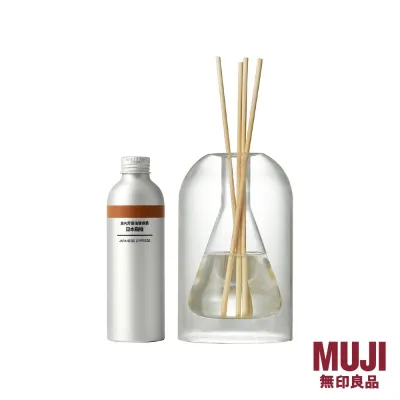
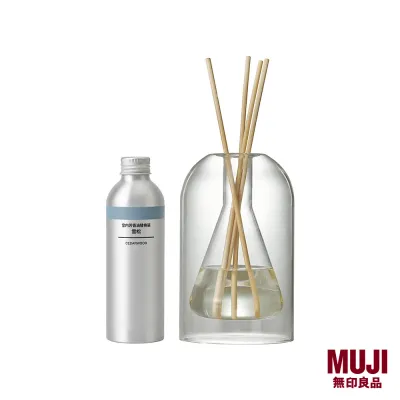
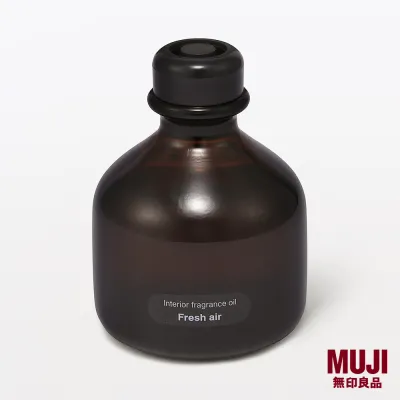
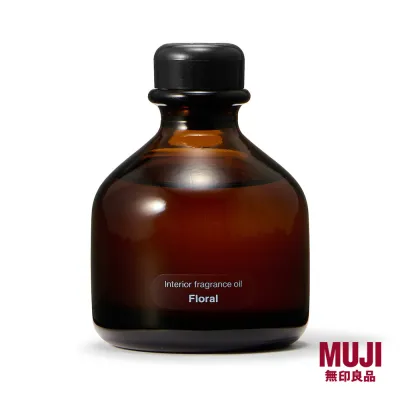
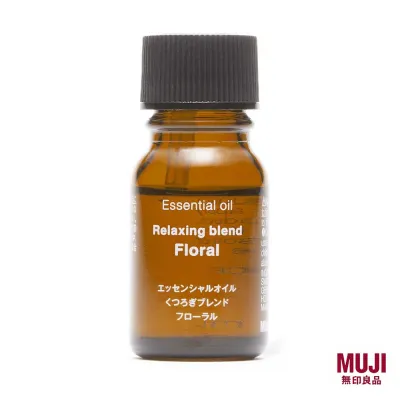
Prices are valid at publication and may change. Please refer to the product page for the latest price.
In contrast, blended fragrance oils or aroma oils often combine natural essential oils with synthetic fragrance compounds or carrier solvents to achieve a specific, complex scent profile that cannot be easily replicated by nature alone. While these blends can offer highly stable and unique aromas, they may behave differently in diffusers compared to pure essential oils. Reading the ingredient list on the back of the bottle is the most reliable way to verify what you are purchasing. Pure essential oils will typically list the botanical name of the plant (such as Lavandula angustifolia for lavender) and state “100% natural essential oil” on the label.
Understanding the extraction method and base ingredients also helps you assess the oil’s viscosity. Viscosity refers to the thickness of the oil, which directly impacts how it disperses in a diffuser. Heavy, viscous oils—such as those derived from resins or deep woods like sandalwood and vetiver—tend to linger longer but can easily clog the delicate ultrasonic plates of mist diffusers. Lighter oils, such as citrus or herbal extracts, vaporize quickly and leave less residue. Always cross-reference the oil’s viscosity and base type with the specific guidelines provided by your diffuser’s manufacturer to prevent clogging or mechanical damage.
Matching Scent Profiles to Your Mood and Daily Routine
Scent has a direct pathway to the brain’s limbic system, which governs emotions and memory. While individual reactions to scents are highly subjective, certain scent families are traditionally associated with specific emotional states and daily routines. When selecting an oil, consider what you want to achieve in a space at any given time. For relaxation, winding down, or preparing for sleep, woody and soft floral notes are excellent choices. Woody scents like hinoki, cedarwood, or sandalwood evoke the grounding atmosphere of a forest, while soft florals like lavender or chamomile help ease tension after a demanding day.

Conversely, when you need to energize your mind, focus on complex tasks, or clear away morning grogginess, look toward crisp, uplifting scent profiles. Citrus notes—such as sweet orange, grapefruit, lemon, and bergamot—are widely appreciated for their bright, refreshing qualities that can make a space feel clean and vibrant. Herbal and camphoraceous notes like peppermint, eucalyptus, and rosemary provide a cooling sensation that helps maintain mental clarity during long study or remote work sessions.
Because scent perception is deeply personal and influenced by individual memories and sensitivities, a fragrance that relaxes one person might feel overwhelming to another. For this reason, it is highly recommended to visit a physical retail store to test samples in person before committing to a full bottle. Testing the scent on a paper strip or experiencing it from an active in-store diffuser allows you to evaluate how the fragrance develops over a few minutes, ensuring that the undertones align with your personal preferences and do not trigger headaches or discomfort.
Pairing Fragrances With Specific Rooms and Ventilation
The physical characteristics of your room—including its size, layout, and airflow—play a decisive role in how a fragrance behaves. A scent that feels perfectly balanced in a spacious, open-plan living area can become suffocating in a small, closed bedroom. In bedrooms and dedicated rest areas, the priority is to maintain a subtle, non-intrusive atmosphere. Opt for gentle, calming scent profiles and use a minimal number of drops. In tropical climates, bedrooms are frequently air-conditioned with closed doors and windows, which traps air and concentrates the fragrance. Under these conditions, lighter, airy scents diffused in short intervals prevent the air from feeling heavy or cloying.
For living rooms, hallways, and common areas where family members and guests gather, versatile and universally welcoming fragrances are ideal. Citrus-woody blends or light herbal combinations work well here because they accommodate varying scent sensitivities while creating a pleasant, inviting ambiance. Since these spaces are typically larger and experience more foot traffic and natural air movement, you can afford to use slightly more complex or moderately intense scent profiles without overwhelming the room.
Kitchens, bathrooms, and entryways present unique challenges due to localized odors and varying humidity levels. In these zones, stronger, crisp, or naturally odor-neutralizing scents like eucalyptus, tea tree, lemongrass, or citrus are highly effective. However, you must carefully factor in the room’s natural ventilation limits. In a damp, windowless bathroom, diffusing heavy oils can combine with high humidity to create a stuffy environment. Ensure that exhaust fans are running or windows are cracked slightly to maintain a steady exchange of fresh air, allowing the fragrance to lift and refresh the space rather than settle heavily on surfaces.
Diffuser Compatibility, Safety, and Usage Boundaries
Operating your diffuser safely requires strict adherence to both the device’s technical specifications and the safety boundaries of the oils themselves. Before adding any oil, verify the voltage requirements of your diffuser, especially if you purchased an imported model. In Singapore, the standard domestic voltage is 230V at 50Hz; using an incompatible device without a proper adapter or transformer can lead to electrical hazards. Additionally, check the water tank capacity and the maximum oil drop limits specified in your diffuser’s instruction manual. A common rule of thumb is 2 to 3 drops of oil per 100ml of water, but exceeding the manufacturer’s recommended limit can degrade the plastic tank, clog the ultrasonic transducer, or produce an excessively strong mist that irritates the respiratory tract.
Safe placement of the diffuser is equally important for preventing accidents and ensuring optimal scent distribution. Position the device on a flat, stable, water-resistant surface at least waist-high to allow the mist to disperse evenly into the room. Keep the diffuser away from direct sunlight, active heat sources, and sensitive electronics that could be damaged by moisture. It is also vital to place the device out of reach of children and pets. Certain essential oils, particularly citrus, tea tree, and peppermint, can be highly toxic to domestic pets if ingested, inhaled in high concentrations, or contact their skin.
Finally, establish clear stop conditions for your aromatherapy routine. If you notice signs of diffuser malfunction—such as a sudden drop in mist output, unusual buzzing noises, or water leaking from the base—turn off and unplug the device immediately. Pay close attention to the physical state of your oils; if an oil smells rancid, looks unusually cloudy, or has thickened significantly, it has likely degraded and should not be used. Most importantly, if you or anyone in your household experiences respiratory irritation, coughing, headaches, or watery eyes while the diffuser is running, turn off the device, ventilate the room thoroughly, and discontinue use. If any safety or compatibility conflicts arise, always consult the manufacturer’s official documentation or a qualified professional.
Frequently Asked Questions (FAQ)
Can I apply MUJI fragrance oils directly to my skin?
No, you should not apply MUJI fragrance oils or pure essential oils directly to your skin. These products are highly concentrated and formulated strictly for space scenting via diffusers or aroma stones. Applying undiluted essential oils directly to the skin can cause severe irritation, chemical burns, or allergic sensitization. If you wish to use essential oils topically, they must be properly diluted in a suitable cosmetic-grade carrier oil, such as jojoba or sweet almond oil, according to professional dilution guidelines. Always check the specific product label for topical use warnings, dilution requirements, and contraindications before attempting any skin application.
How should I store my fragrance oils to maintain their quality?
To preserve the integrity and scent profile of your fragrance oils over time, store them in a cool, dark environment away from direct sunlight, rapid temperature fluctuations, and high humidity. Exposure to heat, light, and oxygen accelerates the oxidation process, which degrades the aromatic compounds and alters the oil’s chemical structure. Keep the bottles tightly sealed when not in use to minimize exposure to air. Before each use, inspect the oil for changes in color, cloudiness, or viscosity, and check any expiration dates printed on the packaging. If the oil exhibits a sour or rancid smell, it is best to discard it to ensure a safe and pleasant diffusing experience.
Community discussion
Share your experience or ask a question. Comments are reviewed before publication.