
Selecting the ideal oil burner for your home in Singapore involves balancing personal sensory preferences with the practical realities of tropical apartment living. Whether you reside in a compact HDB flat or a spacious condominium, the way you diffuse essential oils affects your indoor air quality, safety, and home decor. A well-chosen oil burner not only disperses your favorite scents effectively but also integrates seamlessly into your daily routine without introducing unnecessary hazards.
To find the right fit, you must evaluate how different heating mechanisms interact with your living space. Factors such as high humidity levels, air conditioning usage, and the presence of children or pets play a significant role in determining whether a traditional candle-lit burner, an electric model, or an ultrasonic diffuser is the safest and most efficient choice for your household.
Understanding Oil Burner Types for Home Aromatherapy
Traditional candle-heated ceramic or glass burners remain a popular choice for those who appreciate a classic, low-tech approach to aromatherapy. These devices utilize a small tealight candle placed beneath a suspended bowl filled with water and a few drops of essential oil. The open flame gently heats the mixture from below, causing the water to evaporate and carry the scent throughout the room. This method provides a warm, flickering ambient light for evening wind-down routines. However, because they rely on an open flame, these burners require constant monitoring and must never be left unattended. The depth of the bowl is also a critical factor, as shallow bowls can quickly boil dry, leading to scorched oil or cracked ceramic.
Products mentioned in this guide
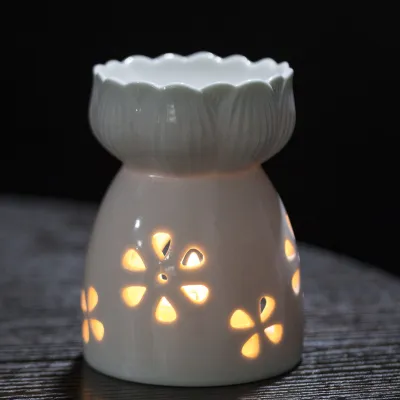
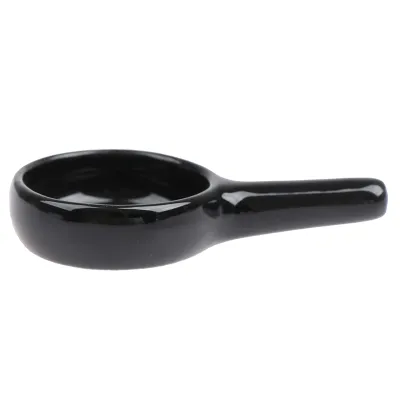
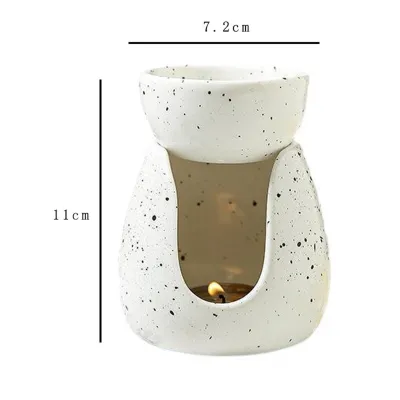
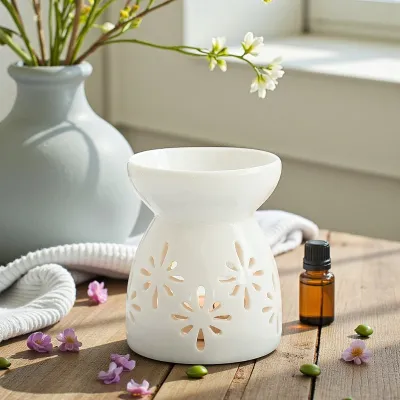
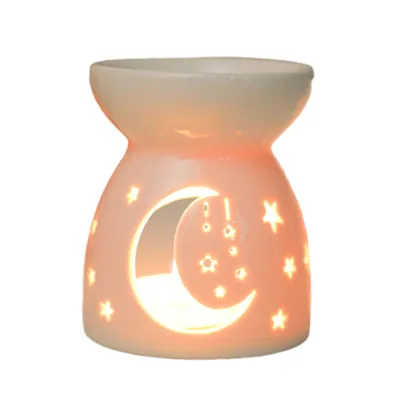
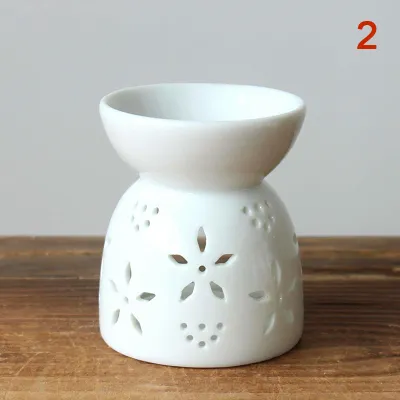
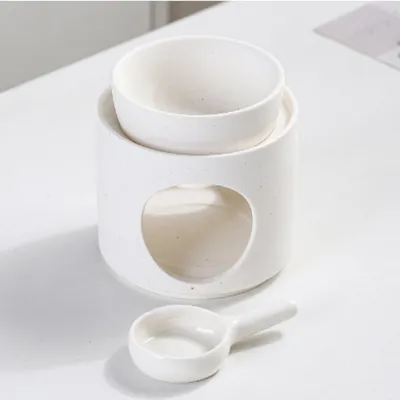
Prices are valid at publication and may change. Please refer to the product page for the latest price.
Electric oil burners offer a modern, flame-free alternative that provides consistent heat without the risks associated with open fire. These devices typically plug directly into a wall outlet or connect via a USB cable, utilizing a small internal heating element or a low-wattage bulb to warm the oil dish. Because they maintain a steady, controlled temperature, electric burners reduce the risk of overheating the essential oils, preserving their aromatic qualities more effectively. When shopping for an electric model in Singapore, verify the voltage compatibility (typically 220V–240V) and ensure the cord length is sufficient. Some models also feature adjustable dimmers or heat settings, allowing you to control the intensity of both the light and the scent diffusion.
Ultrasonic water diffusers, while technically distinct from traditional dry or heated burners, are frequently grouped within the same category due to their similar purpose. Instead of using heat, these electronic devices employ high-frequency ultrasonic vibrations to break down a mixture of water and essential oils into an extremely fine mist, which is then dispersed into the air. This process adds subtle moisture to the indoor environment, which is highly beneficial in air-conditioned rooms. However, because they rely on standing water, ultrasonic diffusers require regular, diligent cleaning to prevent the buildup of mineral deposits and internal mold, which could otherwise be dispersed into your living space.
Key Features to Evaluate Before Buying
When comparing oil burners on online marketplaces, the physical dimensions and capacity of the water bowl are primary considerations. A bowl with a generous depth and capacity ensures that the water and oil mixture does not evaporate too quickly. For candle-heated models, the bowl should ideally hold enough water to outlast the typical burn time of a standard tealight candle, which is generally around three to four hours. If the bowl capacity is too small, the water will boil dry while the candle is still burning, scorching the residue and cracking the ceramic or glass due to thermal shock.

The material composition and heat resistance of the burner are equally vital for long-term durability and safety. High-quality ceramic, porcelain, borosilicate glass, and soapstone are excellent materials that can withstand repeated heating and cooling cycles. Look for manufacturer specifications that explicitly state the material’s heat resistance rather than relying on vague marketing descriptions. Cheaper, low-grade ceramics or thin glass may develop micro-fractures over time, eventually leading to structural failure or leaking water, which can damage your furniture or create electrical hazards if used near outlets.
Base stability and overall weight are crucial design elements that prevent accidental tipping. A top-heavy oil burner is a hazard in active households with young children, pets, or drafts from open windows and fans. Look for burners with a wide, heavy base and a low center of gravity. Ceramic or stone models generally offer better stability than lightweight plastic or thin metal wire frames. If you choose a taller or more decorative model, ensure it sits firmly on flat surfaces without wobbling when lightly nudged.
An oil burner should complement your interior decor, whether you prefer a minimalist, rustic, or modern metallic finish. Additionally, measure the space where you plan to place the burner to ensure it fits comfortably without crowding other items. A burner that is too large for a small bedside table can easily be knocked over, while a burner that is too small may not provide sufficient scent throw for a larger living room or open-plan kitchen area.
Safety and Placement Guidelines for Home Use
Operating any aromatherapy device safely requires establishing clear boundaries regarding placement and supervision. For candle-heated burners, maintaining adequate clearance from flammable materials is paramount. Ensure there is adequate clear space above and around the burner, keeping it far away from curtains, shelves, and drafty areas where wind could blow flammable items into the flame. Drafts can also cause the candle flame to flicker excessively, leading to uneven heating and soot buildup on the underside of the bowl.
Surface protection is another critical consideration, particularly for candle-heated models that generate significant heat at their base. Always place your burner on a stable, heat-resistant surface, such as a ceramic tile or a stone coaster. This precaution prevents the thermal energy from transferring directly to wooden tables, veneered surfaces, or delicate glass countertops, which can warp, discolor, or crack under prolonged exposure to heat. For electric models, ensure the surface is completely dry and free from any spilled water or oil before plugging in the device.
Strict supervision rules must be enforced in every household utilizing traditional oil burners. Never leave an active candle-heated burner unattended, even for a few minutes. If you must leave the room or step out of the house, extinguish the flame completely. Never operate a candle-heated burner while sleeping; instead, opt for an electric model with an automatic shutoff timer or an ultrasonic diffuser. Educate all household members on these rules to ensure a safe environment for everyone.
Electrical safety is the primary concern when operating electric burners or ultrasonic diffusers. Regularly inspect the power cords, plugs, and adaptors for any signs of wear, fraying, or damage, and replace them immediately if defects are found. Avoid overloading wall sockets or extension cords by plugging multiple high-draw appliances into the same outlet as your burner. Additionally, position the power cord carefully to avoid a tripping hazard that could pull the active burner off its shelf.
Building Your Shortlist: A Step-by-Step Selection Checklist
To streamline your shopping experience, begin by defining your primary use case. If you desire continuous background scenting while working from home, an electric burner or an ultrasonic diffuser is the most practical choice. Conversely, if you prefer short, targeted relaxation sessions—such as during an evening bath or a meditation practice—a traditional candle-heated burner can provide the perfect sensory combination of gentle warmth, soft candlelight, and concentrated aroma.
Next, filter your options based on your specific household safety constraints. If you share your home with toddlers or pets, prioritize safety by eliminating open-flame candle burners entirely. In these environments, a sturdy electric burner placed on a high, secure shelf or a cool-mist ultrasonic diffuser is a much safer alternative. Additionally, if your home is prone to drafts from ceiling fans or open balcony doors, electric models will perform much more reliably than candle-lit options.
When evaluating specific products on online marketplaces, verify the product labels and technical specifications carefully. For electric models, look for recognized safety marks and electrical certifications that confirm the device has been tested for compliance with local voltage and safety standards. Avoid unbranded or extremely cheap electronic items that lack clear manufacturing details, as these may use substandard wiring. For ceramic and glass burners, check for explicit manufacturer claims regarding thermal shock resistance and lead-free glazes.
Finally, cross-reference user reviews and feedback on retail platforms to identify potential red flags. Look for recurring complaints regarding build quality, such as ceramic bowls that crack, peeling glaze, or electric models that run excessively hot. Pay close attention to comments about the bowl’s actual depth and capacity, as real-world usage often reveals whether a burner is prone to boiling dry too quickly. A highly rated product with consistent praise for its durability and ease of cleaning is always a safer investment.
Maintenance and Cleaning for Longevity
Proper maintenance is essential to keep your oil burner functioning efficiently and to prevent the buildup of unsightly residues. Over time, essential oils can leave a sticky residue in the bowl, while hard water causes mineral scale to accumulate. To clean ceramic or glass bowls safely, allow the burner to cool completely first. Wipe away the excess oil with a soft paper towel, then wash the bowl gently using warm water and a mild dishwashing liquid. Avoid abrasive scrubbing pads or harsh chemical cleaners, which can scratch the glaze and make future cleaning harder.
For stubborn wax buildup or burnt oil stains, you can create a gentle cleaning paste using baking soda and a small amount of water. Apply the paste to the stained areas, let it sit for a few minutes, and then wipe it away with a damp microfiber cloth. Once clean, ensure the bowl is dried thoroughly before using it again. Water droplets remaining on the underside of a candle-heated bowl can cause uneven heating and thermal stress, potentially leading to cracking.
Regularly inspect your oil burner for any signs of physical wear or damage. Before lighting a candle or plugging in an electric device, hold the bowl up to the light and check for micro-cracks, hairline fractures, or chips along the edges. Even tiny cracks can expand rapidly under heat, causing the bowl to leak hot liquid unexpectedly. If you detect any structural damage, stop using the burner immediately and replace it to prevent accidents, water damage, or electrical short circuits.
Frequently Asked Questions (FAQ)
Can I use essential oils directly in a candle-heated oil burner without water?
No, you should never use pure essential oils directly in a candle-heated oil burner without adding water first. Essential oils are highly concentrated and volatile organic compounds; exposing them to direct, concentrated heat from a candle flame will cause them to scorch, burn, and emit acrid, unpleasant smoke instead of a pleasant aroma. Furthermore, heating a dry ceramic or glass bowl directly can cause extreme thermal stress, leading to sudden cracking or shattering of the burner. Always fill the bowl with water to the recommended level before adding a few drops of your chosen essential oil, and verify the manufacturer’s instructions for your specific model.
How do I know if an electric oil burner is safe for overnight use?
To determine if an electric oil burner is safe for overnight use, you must carefully read the product manual and check for specific safety features. Look for models that explicitly feature an automatic shutoff mechanism that activates when the water level is low or when a pre-set timer expires. However, as a general safety rule for home aromatherapy, it is highly recommended to avoid leaving any active heating device running unattended while you are asleep. If you wish to enjoy a soothing scent as you fall asleep, utilize a model with a reliable timer function set to turn off within 30 to 60 minutes, or opt for a cool-mist ultrasonic diffuser with certified auto-shutoff capabilities.

Community discussion
Share your experience or ask a question. Comments are reviewed before publication.