
Choosing the perfect paint by numbers kit for adults requires balancing your artistic taste with your current skill level and patience. While a highly detailed landscape might look stunning on a living room wall, its intricate color blocks can overwhelm a beginner. Conversely, a minimalist abstract design offers a forgiving entry point but might not satisfy someone seeking a highly realistic, detailed challenge. By evaluating the structural complexity of a kit alongside its aesthetic style, you can select a project that provides both a relaxing creative outlet and a beautiful piece of custom wall decor.
Understanding Paint by Numbers Difficulty Levels
Evaluating the difficulty of a kit begins with analyzing the density of the color blocks and the overall canvas dimensions. A larger canvas does not automatically mean a more difficult project; rather, the size of the individual numbered cells determines the complexity. Tiny, millimeter-sized cells require high precision, steady hands, and fine-tip brushes, whereas larger blocks allow for broader, faster brushstrokes. If you are new to the hobby, starting with a medium-sized canvas that features larger, clearly defined shapes will help you build confidence without feeling tedious.
Identifying color blending requirements is another crucial step in assessing difficulty. Some advanced kits require you to mix two paint colors together to create smooth gradients, while beginner-friendly options provide pre-mixed pots for every single numbered section. Check the product specifications to see if blending is required, as this significantly increases the complexity and the time commitment. Kits that rely entirely on flat, solid colors are much easier to manage and allow you to focus purely on staying within the lines.
Products mentioned in this guide
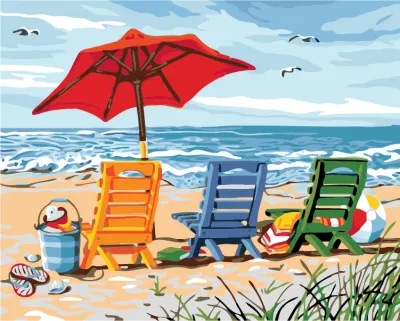

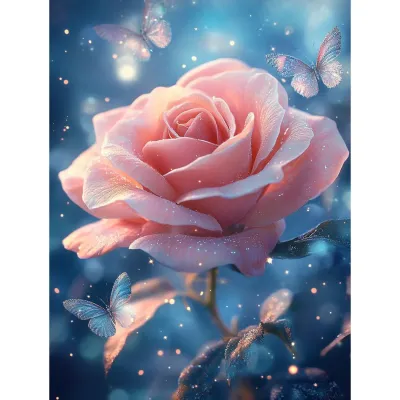
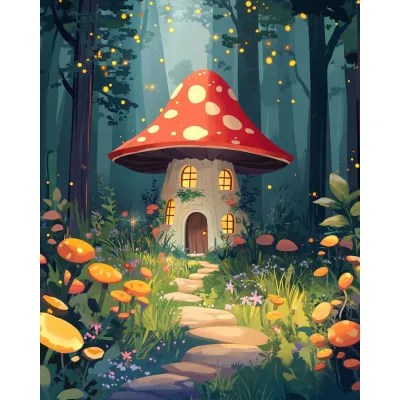
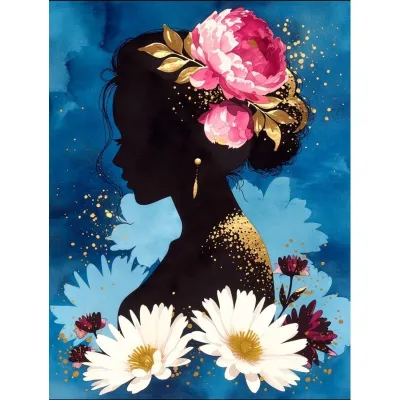
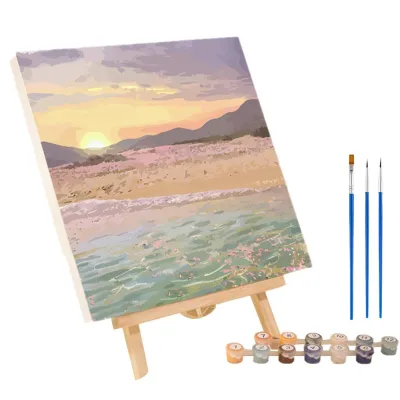

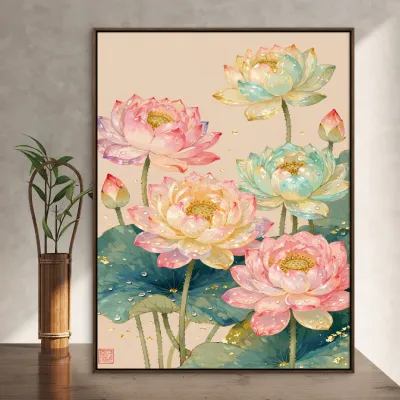
Prices are valid at publication and may change. Please refer to the product page for the latest price.
Finally, you must match your personal patience and available time to the kit’s estimated effort. A highly detailed kit can take dozens of hours to complete, which can lead to frustration if you only have a few minutes a day to spare. If your goal is a quick, satisfying weekend project, look for kits labeled with lower difficulty ratings or fewer color variations. For those seeking a long-term, meditative hobby to unwind over several weeks, a highly complex canvas with a rich color palette is an excellent investment.
Matching Art Styles to Personal Preferences and Skill Levels
The style of art you choose dictates not only the visual outcome but also the physical process of painting. Different genres—ranging from sweeping natural vistas to sharp geometric patterns—demand distinct techniques, brush control, and mental focus. Matching these styles to your personal aesthetic ensures the finished canvas complements your home decor while providing an enjoyable painting experience.

Landscapes and Nature Scenes
Landscapes are incredibly popular because they bring the outdoors inside, but they often rely on soft transitions and natural gradients. Painting a sunset, a misty mountain range, or ocean waves usually requires blending adjacent colors while they are still wet to avoid harsh, unnatural lines. This makes scenic kits excellent for intermediate painters who want to develop their brushwork and learn how to create the illusion of depth and distance.
Foliage, trees, and water textures introduce a high density of small, irregular shapes that require patience and a delicate touch. Navigating these organic sections is a great way to practice brush control, as natural imperfections are highly forgiving. A slightly misplaced leaf or wave rarely ruins the overall image, unlike the rigid lines of a portrait or geometric design. This balance of detail and forgiveness makes nature scenes a highly rewarding choice for developing artists.
When completed, large landscape paintings serve as excellent focal points in living rooms or bedrooms. The natural color palettes—greens, blues, and earth tones—often promote a calming atmosphere, though these spatial effects remain a matter of personal preference. When choosing a landscape, consider your existing room decor to ensure the dominant colors of the sky or foliage harmonize with your furniture and wall paint.
Portraits and Animal Subjects
Portraits of people or highly detailed animals demand extreme precision and steady hand control. Human faces and animal fur rely on subtle shading and precise anatomical lines to look realistic. A single misplaced stroke on an eye, lip, or snout can dramatically alter the subject’s expression, making these kits best suited for advanced painters who are comfortable with fine-detail work.
Unlike organic landscapes where a small mistake blends in, portraits are highly unforgiving of alignment errors. High-contrast areas, such as the boundary between a dark background and a light face, require clean, sharp edges. If you choose an animal subject, prepare to spend significant time layering paint to mimic the depth of fur, feathers, or scales, which requires a high level of concentration and a variety of fine-tip brushes.
Many adults choose custom kits based on personal photos of pets or family members. For these projects, the quality of the final painting depends heavily on the reference photo you submit to the manufacturer. Select a high-resolution image with clear, directional lighting and minimal background clutter to ensure the pre-printed canvas lines accurately capture the subject’s features.
Abstract and Geometric Designs
Abstract art is highly accessible for beginners because it typically features bold shapes and distinct color boundaries. There is rarely a need for complex blending or gradient work, as the style relies on flat, solid fills. This allows you to focus purely on the relaxing motion of applying paint without worrying about realistic shading or anatomical accuracy.
One of the greatest benefits of abstract and geometric designs is how forgiving they are of minor mistakes. If your hand slips and a line becomes slightly uneven, it rarely detracts from the overall composition. In many cases, you can simply adjust the boundary of the shape slightly, making the process incredibly low-stress and therapeutic for painters of all skill levels.
Geometric and abstract pieces are perfect for contemporary, minimalist, or mid-century modern spaces. Their bold color palettes and clean lines can tie a room’s design elements together beautifully. Because these styles are less visually busy than traditional landscapes, they work exceptionally well in smaller rooms or as part of a curated gallery wall.
Key Features to Check Before Buying a Kit
Before purchasing a kit from an online marketplace, it is essential to verify the quality of the materials to ensure a smooth painting experience. Look for heavy-duty linen or cotton canvases rather than cheap paper-based alternatives. The canvas should be thick enough to resist creasing and absorb paint without warping. Additionally, verify that the pre-printed numbers and boundary lines are clear but light enough to be easily covered by lighter paint colors like yellow or white.
Verify the paint type and the sealing quality of the individual paint pots. Most adult kits use acrylic paints because they dry quickly, clean up easily with water, and offer vibrant coverage. Ensure the kit features vacuum-sealed or tightly capped paint pots to prevent the medium from drying out before you begin. It is also wise to check if the kit includes enough paint for multiple layers, especially for lighter shades that may require double coating to hide the printed numbers.
A good kit should include a variety of brush sizes, including ultra-fine detail brushes for tight spaces. Decide whether you prefer a stretched canvas mounted on a wooden frame or a rolled canvas. Stretched canvases are easier to paint on directly and are ready to hang immediately, whereas rolled canvases must be ironed flat and mounted manually. Depending on the size and frame inclusion, quality kits typically range from S$15 to S$50 in local retail spaces. Finally, ensure the manufacturer provides a separate physical or digital reference sheet so you can check the original numbers if you accidentally paint over them.
Setting Up Your Painting Space for Success
Proper lighting is essential for identifying tiny numbers and ensuring color accuracy. A daylight-balanced desk lamp with a high Color Rendering Index (CRI) is ideal, as warm residential lighting can distort colors and cause eye strain. If you are using an adjustable electric lamp, verify that the cord is safely routed and the voltage matches your local outlets to prevent hazards. While cool daylight-balanced light is often preferred for color accuracy, the choice of workspace lighting remains a conditional preference based on your personal comfort.
Keep your workspace clean and organized to prevent accidental spills. Position your water cup, mixing palette, and cleaning cloths on your dominant hand’s side, and keep the paint pots arranged in numerical order. Having a dedicated, flat surface means you can leave your project set up between sessions, making it easier to paint whenever you have a spare moment without the hassle of constant setup and teardown.
Protect your table with a plastic tablecloth or old newspapers, as acrylic paint can be difficult to remove once dry. Plan a safe, dust-free area where your canvas can sit undisturbed while drying between layers. If you plan to hang your finished masterpiece on the wall, ensure you use appropriate wall anchors or mounting hardware suited to your wall type to prevent the frame from falling, especially for heavier stretched canvases.
Frequently Asked Questions (FAQ)
How long does it typically take to finish an adult paint by numbers kit?
The time required to complete a kit varies widely based on the canvas size and the density of the color blocks. A simple abstract design on a standard 40×50 cm canvas might take anywhere from 10 to 15 hours. In contrast, a highly detailed landscape or portrait with hundreds of tiny cells can easily require 30 to 50 hours of active painting.
To avoid burnout on complex projects, it is best to break the work into manageable sessions of one to two hours. Focus on completing one color at a time across the entire canvas, or work on one small section of the canvas before moving to the next. Tracking your progress with photos after each session can also provide a satisfying sense of accomplishment.
Can I mix the provided paints to create custom shades?
While most adult kits are designed to be painted straight from the pot without mixing, you can certainly customize the colors if you wish. However, doing so carries the risk of running out of paint or losing track of the original numbered guide. If you alter a color, it can be difficult to replicate that exact shade later if you need to touch up a section.
If you decide to mix custom shades, always test the mixture on a separate piece of paper or the edge of the canvas first. Let it dry completely, as acrylic paint often dries slightly darker than it appears when wet. Keep a careful record of the ratios you used so you can recreate the custom color if necessary.
Community discussion
Share your experience or ask a question. Comments are reviewed before publication.