
Selecting the ideal Philips circular LED downlight for your home requires matching the specific lighting requirements of each room to the technical specifications on the product label. Because every space serves a different purpose—from high-focus food preparation in the kitchen to relaxed winding down in the bedroom—a single downlight model cannot serve the entire house. By evaluating key parameters such as lumen output, color temperature, beam angle, and physical cut-out dimensions, you can design a safe, functional, and visually comfortable lighting scheme tailored to your living space.
How to Match Downlight Specifications to Room Functions
To build an effective home lighting system, you must first understand the three primary layers of light: ambient, task, and accent lighting. Ambient lighting provides the general illumination for safe movement, task lighting focuses bright light on specific work areas, and accent lighting highlights architectural features or decor. Circular LED downlights are highly versatile and can perform any of these roles depending on how you configure their specifications.
When browsing Philips circular LED options, the product packaging contains several critical indicators that dictate performance. The lumen rating measures the total light output, or brightness, which is a more reliable metric than wattage for modern LEDs. The color temperature, expressed in Kelvin (K), determines whether the light appears warm and yellowish or cool and bluish. Finally, the beam angle indicates how widely the light spreads from the fixture.
Products mentioned in this guide
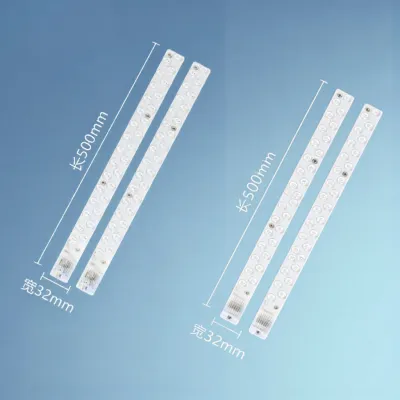
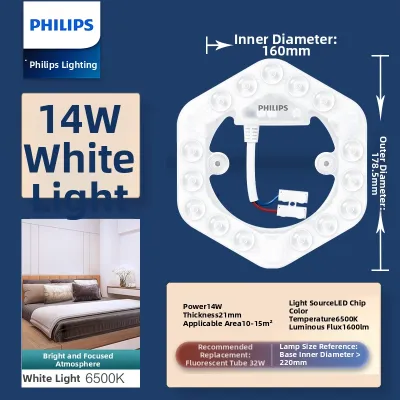
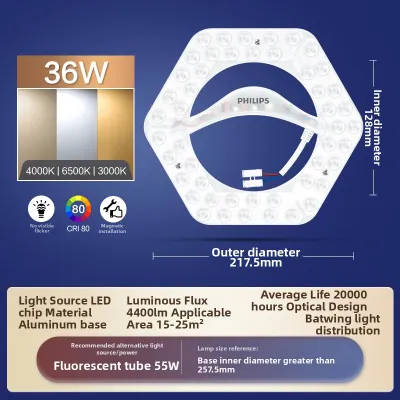
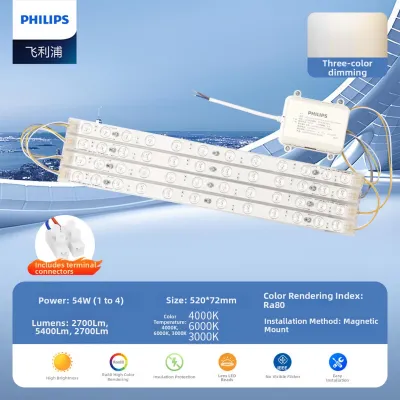
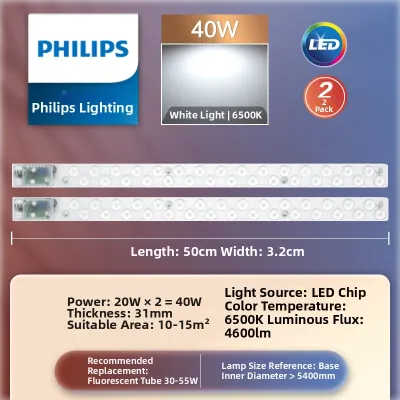
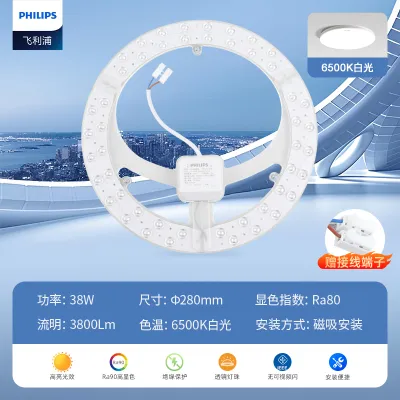
Prices are valid at publication and may change. Please refer to the product page for the latest price.
Your decision flow should always begin by identifying the primary activity in a room. For high-activity zones, prioritize higher lumens and wider beam angles to eliminate dark corners. For relaxation areas, focus on lower light outputs, warmer color temperatures, and compatible dimming controls. Always verify the electrical certification marks on the packaging to ensure the fixtures comply with local safety standards before finalizing your purchase.
Living Room: Planning Flexible and Layered Lighting
The living room is the multi-functional heart of the home, serving as a space for entertaining guests, watching television, and relaxing after a long day. To accommodate these shifting activities, your circular LED downlights must offer flexibility. Selecting dimmable or smart-compatible Philips models allows you to adjust the brightness levels dynamically, transitioning the room from a bright, active social space to a cozy, low-light home theater environment.

When planning the layout, pay close attention to the beam angle specified on the product label. A wider beam angle, typically around 100 to 120 degrees, is ideal for general ambient lighting because it distributes light evenly across the floor and walls, minimizing harsh shadows. If you prefer to highlight artwork or a feature wall, look for adjustable or gimbal-style circular downlights with a narrower beam angle to create focused accent pools of light.
Color temperature in the living room is largely a matter of personal preference, but it should harmonize with your interior decor and natural light exposure. A warm white light (around 2700K to 3000K) enhances wooden textures and warm paint tones, creating an inviting atmosphere. Conversely, a cool white light (around 4000K) can make modern, minimalist spaces feel clean and vibrant. If you cannot decide, consider Philips models that feature integrated color-switching technology, allowing you to toggle between different color temperatures during installation.
Kitchen and Dining: Prioritizing Task Lighting and Clarity
Kitchens and dining areas demand high-performance lighting where safety, visibility, and visual clarity are paramount. In the kitchen, downlights function primarily as task lighting to illuminate countertops, cutting boards, sinks, and cooking ranges. To ensure safe food preparation, select circular LED downlights with a higher lumen output to provide bright, shadow-free illumination over your primary work surfaces.
Another critical specification to verify on the product label is the Color Rendering Index (CRI). A higher CRI, typically 80 or above, ensures that the colors of fresh ingredients and prepared meals appear natural and appetizing under artificial light. Low CRI lighting can make food look dull or discolored, which can affect both your cooking precision and the overall dining experience.
Because kitchens generate heat, steam, and airborne grease, the physical environment is more demanding than a standard living room. When positioning downlights near sinks, dishwashers, or cooking zones, check the manufacturer’s guidelines regarding environmental limits. While standard dry-rated downlights are suitable for general dining areas, zones exposed to direct moisture or heavy steam may require fixtures with a higher Ingress Protection (IP) rating to prevent moisture ingress and ensure long-term electrical safety.
Bedroom and Bathroom: Balancing Visual Comfort and Moisture Safety
Bedrooms and bathrooms represent two extremes of the home environment, requiring a careful balance between visual comfort and strict safety compliance. In the bedroom, the primary goal is to promote relaxation and prepare the body for sleep. To prevent uncomfortable glare when you are lying in bed or reading, choose recessed, deep-set circular LED downlights where the light source is positioned further back inside the fixture housing.
Opt for warm color temperatures (2700K to 3000K) in the bedroom to support your natural circadian rhythm. Integrating these fixtures with compatible wall dimmers or smart control systems allows you to lower the light levels gradually in the evening. This bedside control ensures you do not have to step out of bed to adjust the lighting, enhancing both convenience and comfort.
Bathrooms, by contrast, are high-moisture environments that require strict adherence to electrical safety standards. The space is divided into specific safety zones based on proximity to water sources like showers and bathtubs. You must strictly verify the IP rating of any circular LED downlight intended for bathroom installation, ensuring it meets the requirements for the specific zone. If you are unsure about zone boundaries, local wiring regulations, or how to safely isolate the power supply, stop immediately and consult a qualified professional electrician to handle the installation.
Verifying Cut-Out Sizes and Electrical Compatibility
Before purchasing your Philips circular LED downlights, you must verify that the physical dimensions of the fixtures match your ceiling infrastructure. If you are replacing existing downlights, measure the diameter of the current ceiling cut-outs precisely. Choosing a new downlight with a matching cut-out size avoids the need for messy plasterboard patching or difficult ceiling widening work.
In addition to the cut-out diameter, measure the available cavity depth behind the ceiling board. LED downlights generate heat at the back of the fixture, and they require adequate clearance space to dissipate this heat safely. Installing a downlight in a cavity that is too shallow or packed tightly with insulation can cause the fixture to overheat, drastically reducing its lifespan and creating a potential safety hazard. Always refer to the manufacturer’s installation manual for the minimum required clearance distances.
Electrical compatibility is another crucial step, particularly if you plan to use dimmable LED downlights. Standard wall dimmers designed for older incandescent bulbs often cause LED lights to flicker, buzz, or fail prematurely. Review the manufacturer’s official dimmer compatibility list to ensure your existing wall switches are compatible with the specific Philips LED model you select. For any installation involving fixed wiring, working at heights, or damp environments, always isolate the mains power at the distribution board and engage a licensed electrician to complete the work safely.
Frequently Asked Questions (FAQ)
Can I mix different color temperatures in the same room?
Mixing different color temperatures within the same direct line of sight is generally not recommended because it creates a jarring visual disconnect. For example, having a cool daylight downlight right next to a warm yellow downlight can make the room look uncoordinated and cause visual fatigue. For a cohesive aesthetic, keep your general ambient downlights at a consistent color temperature throughout the space. If you need different lighting tones for specific tasks, use isolated, localized fixtures like adjustable desk lamps, under-cabinet strip lights, or reading lights that can be switched on independently when needed.
How do I know if my current dimmer switch works with LED downlights?
To determine if your existing dimmer switch is compatible, start by checking the packaging or product manual of your new Philips circular LED downlights for a list of approved dimmer models. Many modern LED downlights require trailing-edge or electronic dimmers rather than older leading-edge dimmers. If the packaging does not provide a clear answer, consult a qualified electrician. They can inspect your existing wall switch and verify that its minimum and maximum electrical load requirements align with the total wattage of your new LED downlights, preventing issues like flickering or limited dimming range.
Community discussion
Share your experience or ask a question. Comments are reviewed before publication.