
Selecting the right pray oil is a deeply personal and spiritually significant decision that bridges ancient traditions with modern home environments. The ideal choice depends on your specific religious practice—whether Buddhist, Taoist, or Hindu—as well as the physical setup of your altar, ventilation, and maintenance preferences. While traditional texts offer guidance on symbolic ingredients, practical factors like smoke production and wick compatibility play an equally vital role in maintaining a safe and serene worship space. By understanding the unique properties of various oils, you can ensure that your daily offerings remain both culturally respectful and physically safe for your household.
Understanding Pray Oil Traditions and Requirements
In many Eastern spiritual traditions, the act of lighting a lamp is far more than a practical means of illumination; it is a profound symbolic offering that represents the triumph of light over darkness, knowledge over ignorance, and clarity over confusion. The specific type of oil used in these rituals carries its own symbolic weight and traditional expectations, which vary across Buddhist, Taoist, and Hindu practices.
For Buddhist and Taoist practitioners, the primary focus is on purity, clarity, and mindfulness. In these traditions, the flame represents the light of wisdom and the path to enlightenment. Consequently, clean-burning, plant-based oils such as soy, palm, or coconut oil, as well as highly refined clarified butter, are highly favored. These oils burn with minimal residue, symbolizing a mind free from defilements and distractions. In Taoist rituals, the lamp also represents the spark of life and cosmic energy, where a steady, clean-burning flame is believed to foster harmony, balance, and positive energy flow within the living space.
Products mentioned in this guide
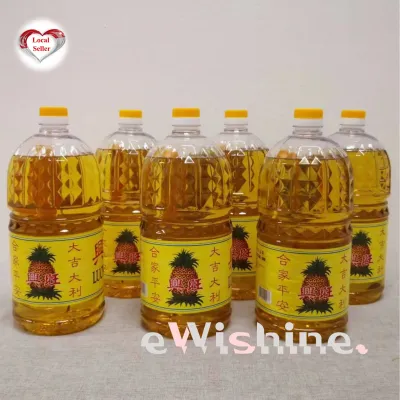
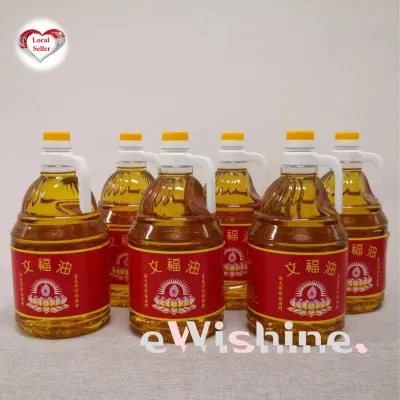

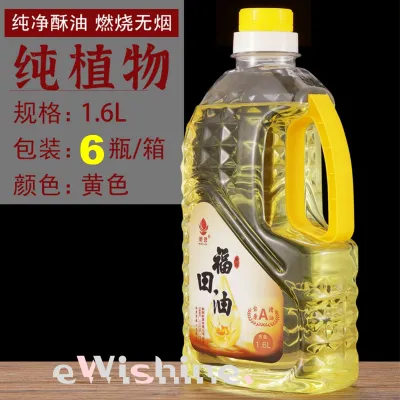
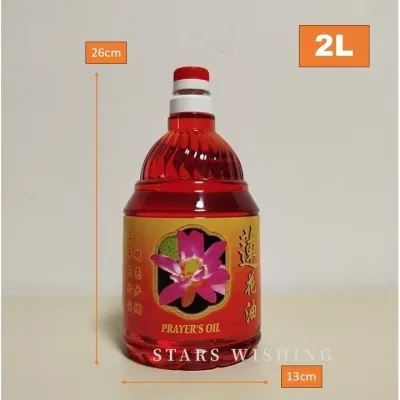

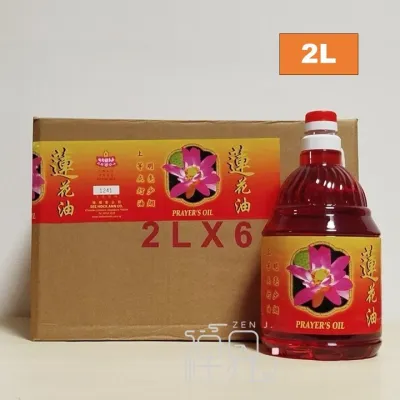
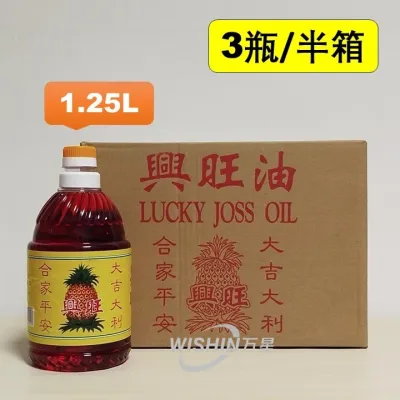
Prices are valid at publication and may change. Please refer to the product page for the latest price.
In Hindu worship, the choice of oil is deeply intertwined with the specific deity being revered, the nature of the ritual, and the desired spiritual outcome. Ghee, or clarified butter, is widely considered the most auspicious and spiritually pure substance for lighting a lamp. It is associated with the preservation of positive energy, spiritual abundance, and the goddess Lakshmi. Sesame oil, also known as gingelly oil, is another highly traditional choice, commonly used for daily home worship and specific rituals dedicated to seeking protection and peace. Mustard oil is frequently utilized in northern Indian traditions and specific ceremonies, valued for its strong, purifying presence and its association with warding off negative influences.
While these general preferences provide a reliable starting point, it is essential to recognize that practices can vary significantly based on specific temple guidelines, family lineages, or the instructions of a personal spiritual guide. Some modern temples, particularly those in urban areas, may have specific rules regarding the types of oils permitted on-site to manage indoor air quality and preserve historical architecture. Always consult with your local temple elders or spiritual guides to ensure your choices align with your specific lineage’s expectations.
Key Factors for Choosing the Right Pray Oil
When selecting a pray oil for your home altar, balancing spiritual significance with practical household considerations is key to maintaining a safe and pleasant environment. The physical properties of the oil you choose will directly impact the quality of the burn, the amount of maintenance required, and the longevity of your altar decor.

Burn quality and smoke production are among the most critical practical factors to consider, especially for indoor home altars. In modern, compact living spaces, such as apartments or condominiums, ventilation can be limited. Heavy, unrefined oils can produce significant amounts of black soot and smoke, which can gradually discolor walls, ceilings, and delicate sacred statues, while also compromising indoor air quality. For indoor use, highly refined, low-smoke, and odorless plant-based oils are generally preferred. Stronger-scented or heavier oils are better suited for outdoor altars, semi-open balconies, or highly ventilated temple spaces where smoke can disperse easily.
Purity and ingredient composition are equally important for both spiritual and health reasons. It is highly recommended to check product labels carefully and opt for 100% pure oils that are free from synthetic additives, artificial fragrances, or chemical accelerants. Pure, natural oils burn more consistently and are safer to inhale over extended periods of daily worship. Synthetic oil blends or those containing petroleum-based additives may produce harsh chemical odors and toxic fumes that can cause respiratory discomfort and disrupt the peaceful, meditative atmosphere of your worship space.
Wick compatibility and oil viscosity (thickness) must also be matched correctly to ensure a steady, reliable flame. The viscosity of the oil determines how efficiently it travels up the wick through capillary action. Heavy, thick oils like ghee or unrefined mustard oil require thicker, more robust cotton wicks to draw the fuel upward effectively. Conversely, thin, highly refined plant-based oils work best with standard, thin cotton wicks. If the wick is too thin for a heavy oil, the flame will starve and extinguish; if it is too thick for a light oil, the flame may burn too aggressively and produce excess smoke.
Matching Oil Types to Your Altar Setup
To help you make the most practical choice for your daily practice, it is helpful to understand how different oil types perform under various environmental conditions and altar setups. Each oil type offers distinct advantages and maintenance requirements that should align with your lifestyle and home climate.
Clarified butter, or ghee, remains the gold standard for traditional Hindu pujas and high-purity Buddhist offerings due to its rich spiritual symbolism and warm, golden flame. However, ghee presents unique physical challenges in certain environments. Because it is a natural fat, ghee solidifies at cooler temperatures, typically below 25°C. If you regularly run air conditioning in your worship room, the ghee in your lamp will solidify, requiring you to gently warm the vessel before lighting it or to use specialized lamps equipped with small heating elements. Regular cleaning is also necessary, as cooled ghee can leave a thick, greasy residue on the lamp.
Sesame and mustard oils are excellent, traditional choices for dedicated Hindu rituals, offering a beautiful, steady flame. Sesame oil provides a mild, nutty aroma that many find soothing, making it highly suitable for daily indoor use when paired with a properly sized cotton wick. Mustard oil, on the other hand, has a much stronger, pungent scent and a higher tendency to produce smoke. It is best reserved for outdoor altars, well-ventilated balconies, or spacious temple environments where its strong purifying properties can be appreciated without overwhelming the indoor living space.
For low-maintenance, everyday indoor lighting on Buddhist and Taoist altars, liquid plant-based oils—such as refined coconut, soy, or specialized blended lamp oils—are highly practical. These oils are formulated to remain liquid at standard room temperatures, ensuring they are always ready for use without preheating. They offer an exceptionally clean, steady, and virtually odorless burn, making them ideal for maintaining pristine indoor air quality. Additionally, any accidental spills are much easier to clean up compared to heavy animal fats or unrefined seed oils, making them a favorite for busy modern households.
Safety and Maintenance for Oil Lamps
Operating an oil lamp involves managing an open flame and hot liquid, which requires strict adherence to safety protocols and regular maintenance routines. By establishing safe habits, you can protect your home and family while preserving the sanctity of your daily rituals.
Proper placement is the foundation of oil lamp safety. Always position your lamps on a stable, level, and heat-resistant surface, such as a heavy stone, ceramic, or metal tray. Keep the lamp well away from any flammable materials, including curtains, paper offerings, decorative fabrics, and overhead wooden shelves. In compact living areas, ensure there is ample vertical clearance above the flame to prevent heat buildup on the underside of shelves or ceilings. Additionally, place the lamp in a location shielded from sudden drafts, which can cause the flame to flicker violently or carry sparks to nearby objects, and keep it entirely out of reach of children and pets.
Safe handling and refilling procedures are crucial to prevent painful burns and accidental fires. Never attempt to add oil to a lamp while the flame is active or while the vessel is still hot. Always extinguish the flame completely using a snuffer rather than blowing on it, which can cause hot oil to splatter. Allow the lamp vessel and the remaining oil to cool down to room temperature before refilling. This prevents thermal shock, which can cause glass or ceramic vessels to crack, and eliminates the risk of the fresh oil igniting upon contact with a hot burner.
Regular cleaning and wick maintenance are essential for ensuring a clean, efficient burn and preventing hazardous buildup. Before each lighting, trim the charred, carbonized tip of the cotton wick to prevent “mushrooming,” which causes excessive smoke and an unstable flame. Periodically empty the lamp vessel and wash it with warm, soapy water to remove sticky oil residue and soot. This is particularly important for brass and copper lamps, as accumulated oil can corrode the metal over time and create a slippery surface that makes the lamp difficult to handle safely.
Knowing when to retire or repair a lamp is vital for long-term safety. Regularly inspect your lamp vessels for any signs of structural degradation, such as hairline cracks in glass or clay, loose joints in metal lamps, or an unstable base. If you notice even a minor leak or if the vessel becomes excessively hot to the touch during use, discontinue using it immediately. Replace the lamp with a high-quality, structurally sound alternative to ensure your daily worship remains a safe and peaceful practice.
Frequently Asked Questions (FAQ)
Can I Use Regular Cooking Oil for My Religious Lamp?
While it is technically possible to use standard culinary oils in an emergency, it is highly discouraged for regular religious practice. Commercial cooking oils are formulated for food preparation and often contain preservatives, water content, or blended fats that do not burn cleanly at the lower temperatures of a lamp wick. Using them typically results in a weak, flickering flame, excessive black smoke, a strong and greasy odor, and a highly sticky, stubborn residue that can ruin your lamp vessels. Dedicated pray oils are specifically refined to ensure a clean, steady, and odorless burn.
How Should I Dispose of Leftover Pray Oil and Used Wicks?
Disposing of sacred remnants should always be done with respect for both tradition and the environment. Never pour leftover pray oil down your household sinks or drains, as it can easily solidify and cause severe plumbing blockages. Instead, allow any unused or contaminated oil to cool completely, then pour it into a small patch of soil or garden earth, provided it is pure plant-based oil and safe for local plants. For used cotton wicks and solidified oil residues, wrap them securely in newspaper or biodegradable paper before placing them in your general household waste bin.
Why Does My Oil Lamp Wick Keep Going Out?
An oil lamp flame that repeatedly extinguishes is usually a sign of an imbalance between the oil’s viscosity and the wick’s physical properties. If the oil is too thick (such as semi-solidified ghee or heavy unrefined sesame oil) and the wick is too thin, the oil cannot travel up the wick fast enough to sustain combustion. Alternatively, if the oil level in the reservoir is too high, it can submerge and drown the wick, cutting off the oxygen supply. To resolve this, ensure your wick is trimmed to the correct length, matches the weight of your oil, and is protected from drafts.
Community discussion
Share your experience or ask a question. Comments are reviewed before publication.