
Selecting the ideal smoke puja product for your home prayer altar is a balance between personal spiritual tradition, spatial layout, and daily maintenance preferences. The three primary options—incense sticks (agarbatti), dhoop or cones, and raw resins (such as loban or sambrani)—each offer distinct smoke densities, burn times, and cleanup needs. Your choice should align with your specific altar setup, whether you maintain a compact wall-mounted shelf in a high-rise apartment or a dedicated prayer room in a landed estate.
In modern urban environments, particularly in Singapore where high-rise living and air-conditioned spaces are common, managing smoke output and safety is as important as the spiritual significance of the ritual. By understanding how each product behaves when lit, you can select a format that honors your traditions while keeping your living space clean, safe, and comfortable for your family.
Quick Guide: Matching Smoke Puja Types to Your Altar Setup
To help you identify the most suitable smoke puja type for your daily routine and altar constraints, consider how space, time, and maintenance requirements interact. The main physical categories of smoke puja vary significantly in their physical form, burn characteristics, and environmental impact inside the home.
Products mentioned in this guide
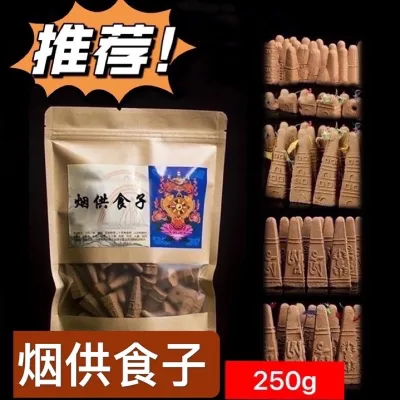
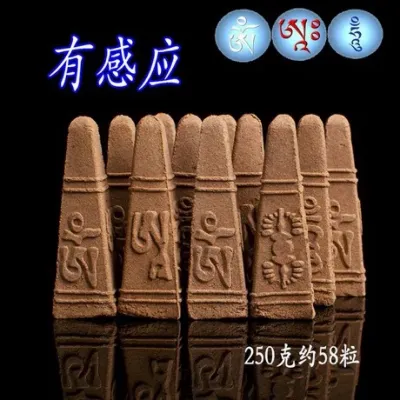
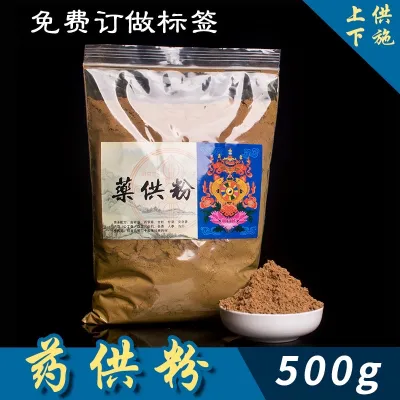
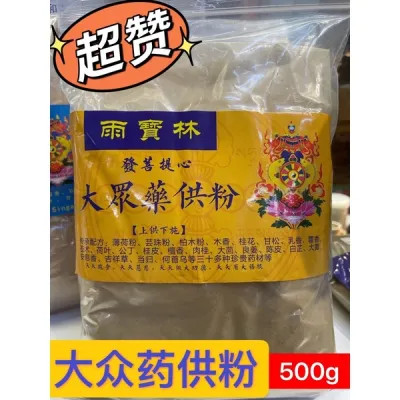
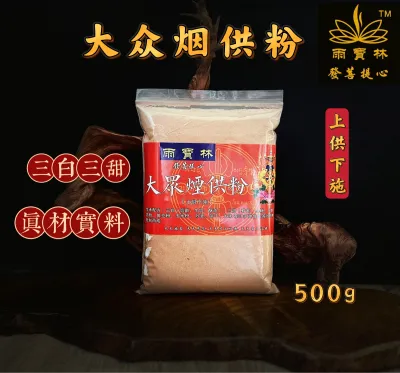
Prices are valid at publication and may change. Please refer to the product page for the latest price.
- Incense Sticks (Agarbatti): Slender, easy to light, and highly accessible. They offer a steady, predictable burn rate and are ideal for daily prayers, provided you have sufficient vertical and horizontal clearance to catch falling ash.
- Dhoop and Cones: Concentrated, coreless options that release a dense cloud of fragrance in a short period. They are highly portable and excellent for quick, intense rituals, but they generate significant localized heat and leave behind sticky residues.
- Raw Resins (Loban/Sambrani): The most traditional and unprocessed format, consisting of natural tree crystals. They produce a rich, heavy smoke that is highly customizable in intensity, but they require specialized heating equipment and active, hands-on management.
Below is a quick decision matrix mapping typical household altar conditions to the most compatible smoke puja formats and their associated trade-offs:
| Altar Setup & Space | Recommended Smoke Puja Type | Average Burn Duration | Smoke Volume | Primary Cleanup Task |
|---|---|---|---|---|
| Compact Wall Altar (HDB/Condo living room) | Bamboo-less or low-smoke incense sticks | 30–45 minutes | Low to Medium | Sweeping fine ash from holder tray |
| Enclosed Altar Cabinet (Glass or wooden doors) | Low-smoke cones or electric resin heaters | 15–30 minutes | Very Low to Low | Wiping oily residue from interior surfaces |
| Large Open Altar (Dedicated prayer room) | Traditional bamboo-core sticks or dhoop logs | 45–60 minutes | Medium to High | Emptying ash catcher; dusting surrounding area |
| Festive/Weekend Rituals (Open courtyard or landed home) | Raw resins (Loban/Sambrani) on charcoal | 20–30 minutes (intense) | High | Disposing of spent charcoal and cooling ash |
Weighing these trade-offs early prevents common issues such as soot-stained ceilings, lingering smoke that triggers respiratory sensitivities, or accidental heat damage to delicate wooden altar finishes.
Comparing Smoke Puja Types: Sticks, Cones, and Resins
Each smoke puja format has unique physical properties, burning mechanics, and maintenance requirements. Understanding these characteristics allows you to make an informed decision that suits both your spiritual practice and your household layout.

Incense Sticks (Agarbatti)
Incense sticks, or agarbatti, are the most widely used format for daily home worship. They generally fall into two categories: bamboo-core sticks and solid, coreless sticks. Bamboo-core sticks feature a thin wooden sliver coated in incense paste. While they are sturdy and easy to handle, the burning bamboo core contributes a distinct woody undertone to the aroma and produces a higher volume of fine, flaky ash. Solid, coreless sticks (often associated with Tibetan or Japanese styles, though increasingly common in Indian dhoop sticks) consist entirely of compressed incense paste. They burn with a purer scent profile and produce a more compact, structured ash column, though they are more fragile and require specialized holders with wider pinch-grips.
Spatial requirements are a critical consideration when burning incense sticks. A standard 8-inch to 12-inch stick must be positioned so that its entire burning length remains clear of nearby walls, wooden cabinet ceilings, and decorative hangings. Furthermore, you must pair them with an ash catcher or incense holder that is long enough to collect the debris. If the holder is too short, draft currents from open windows or ceiling fans will blow the fine ash onto your altar floor, creating a constant cleaning chore and a potential safety hazard.
When purchasing incense sticks, it is highly beneficial to check product labels for the ingredients used. High-quality sticks utilize natural binders, such as jigat (a bark powder) or natural gum resins, paired with essential oils and botanical powders. Lower-grade, mass-produced sticks often rely on synthetic chemical binders, charcoal powder, and artificial fragrance oils. These synthetic alternatives can produce a harsh, acrid smoke that irritates the eyes and throat, particularly in enclosed spaces, making natural formulations a much healthier choice for daily indoor use.
Dhoop and Cones
Dhoop and cones are bamboo-free, concentrated incense formats. Cones are molded into a conical shape, while dhoop often comes in thick, pliable logs or dry, compressed cylinders. Because they lack a wooden core, they deliver an unadulterated scent profile. However, their physical shape dramatically influences their burn behavior. A cone burns from its narrow tip down to its wide base. As the burn progresses, the surface area increases, resulting in a progressively denser volume of smoke and a more intense fragrance release. This makes cones and dhoop highly effective for purifying a space quickly, but it also means their burn duration is relatively short, typically lasting between 15 and 30 minutes.
Because dhoop and cones burn completely down to their base, they generate intense, concentrated heat directly beneath them. Placing a burning cone directly onto a wooden altar surface, plastic tray, or thin metal plate can cause immediate scorching, discoloration, or cracking. They must always be burned on dedicated, flat, heat-resistant surfaces. Suitable options include heavy brass plates, ceramic dishes, or specialized stone burners designed to absorb and dissipate high temperatures safely.
Another practical challenge unique to cones and dhoop is the sticky, oily residue they leave behind. As the natural oils and resins in the compressed paste burn, they vaporize and condense on the cold surface of the burner and the immediate surrounding altar area. This residue manifests as a dark, sticky, yellowish-brown tar. If left uncleaned, it hardens over time, attracting dust and potentially damaging the finish of your prayer altar. Regular maintenance is required to keep the burning area clean and presentable.
Resins and Loban
Raw resins, such as loban, sambrani, frankincense, and myrrh, represent the most traditional and chemically unaltered form of smoke puja. These products consist of dried, crystalline tree saps that are harvested directly from nature. Because they contain no fillers, binders, or artificial combustion agents, they offer an incredibly rich, deep, and authentic aromatic experience. One of the greatest advantages of raw resins is your ability to customize the ritual. You can easily control the intensity of the scent and smoke by adjusting the exact number of resin tears or the amount of powder you place onto the heat source.
To release their fragrance, raw resins require an external heat source, as they do not burn on their own. The traditional method involves using quick-lite charcoal discs. These discs are placed inside a heat-resistant burner, typically a brass vessel with a handle (known as a dhunachi) or a clay pot filled with a protective bed of sand or ash. The sand acts as an insulator, preventing the extreme heat of the charcoal from transferring directly to the burner’s base. Once the charcoal is lit and has developed a grey ash coating, small pieces of resin are placed on top, immediately producing a thick, billowing cloud of fragrant smoke.
For those who prefer a lower-smoke or more controlled experience, electric resin heaters are an excellent modern alternative. When choosing an electric burner, always verify its voltage compatibility (ensuring it matches Singapore’s 230V standard), check the manufacturer’s wattage limits, and ensure it carries recognized electrical safety certifications. Electric heaters allow you to warm the resin gently without combustion, releasing the pure essential oils without the heavy smoke produced by charcoal.
Regardless of the heating method, raw resins carry a much higher safety and maintenance overhead. Handling glowing charcoal discs requires metal tongs and extreme caution, as stray sparks can easily ignite nearby fabrics or paper decorations. Furthermore, spent charcoal remains hot for hours after the smoke has stopped, requiring careful monitoring and thorough cooling before disposal.
How to Choose Based on Space, Ventilation, and Practice
Selecting the right smoke puja product requires a realistic assessment of your physical home environment and your household’s daily habits. Aligning these factors ensures your rituals remain peaceful, safe, and comfortable for everyone in the home.
Space and Ceiling Height
The physical dimensions of your prayer altar and the room it occupies dictate which products are safe to use. If your altar is housed inside a compact wooden cabinet or on a shallow, wall-mounted shelf, tall incense sticks or high-smoke resins are highly impractical. The rising heat and smoke from tall sticks can easily scorch the underside of wooden shelves, while heavy smoke will quickly leave dark, unsightly soot stains on your ceiling. For compact setups, low-smoke incense sticks under 6 inches in length, small cones, or electric resin warmers are much safer choices that prevent localized heat buildup and structural staining.
Ventilation Requirements
Matching the smoke output of your chosen product to your home’s airflow is essential for maintaining indoor air quality. In compact apartment layouts, such as typical HDB flats or condominiums, natural airflow can be limited. Burning high-smoke dhoop or traditional charcoal-heated loban in these spaces can quickly saturate the air with fine particulate matter, causing discomfort. If you live in an apartment, it is best to stick to low-smoke agarbatti or use electric resin burners that minimize combustion. Conversely, if you reside in a landed property with an open courtyard, large windows, or a dedicated, well-ventilated prayer room, you can comfortably accommodate the high smoke volume of traditional sambrani and charcoal-based rituals, as the smoke will dissipate rapidly into the open air.
Religious and Ritual Alignment
Your daily schedule and the nature of your spiritual practices should also guide your selection. For quick morning prayers before commuting to work, a rapid-burning option is highly practical. A small incense cone or a short, bamboo-less stick that burns completely within 15 minutes allows you to complete your offering and ensure the flame is safely extinguished before you leave the house. For extended weekend prayers, festive occasions like Deepavali, or elaborate family pujas, longer-burning formats are more appropriate. Traditional 12-inch incense sticks, thick dhoop logs, or raw resins heated on charcoal can provide a continuous, atmospheric presence that matches the longer duration of these special ceremonies.
Scent Sensitivities
It is vital to consider the health and comfort of everyone living in your household, including pets. High concentrations of smoke can trigger respiratory issues in individuals with asthma, allergies, or sensitive airways. Furthermore, certain synthetic fragrance oils and heavy smoke can be highly distressing or even toxic to household pets, particularly cats and dogs, who have highly sensitive olfactory systems. If you share your home with sensitive individuals or animals, prioritize natural, fragrance-free, or low-smoke incense formulations. Always review the manufacturer’s ingredient list to verify that the product is free from synthetic chemical additives, coal tar, and heavy binders, ensuring a clean burn that respects the health of your household.
Altar Safety, Burners, and Ash Maintenance
Maintaining a home prayer altar involves handling open flames, high temperatures, and falling debris. Implementing strict safety protocols and regular maintenance routines protects your home from fire hazards and preserves the beauty of your altar.
Heat and Fire Safety
The primary safety rule for any smoke puja practice is to ensure that all burning materials are placed on non-combustible, heat-resistant surfaces. Brass, copper, ceramic, soapstone, and heavy cast iron are excellent materials for burners and incense holders. Avoid placing burners directly on wooden altar surfaces, paper linings, or synthetic decorative cloths. To provide an extra layer of protection, place a thick ceramic tile, a stone coaster, or a metal tray beneath your burner to catch any stray embers and insulate the underlying wood from heat transfer. Additionally, position your burners far away from drafty windows, air-conditioning vents, ceiling fans, and flammable decorative items, such as artificial garlands, paper icons, or silk altar curtains.
Burner Compatibility
Using the correct burner for your specific smoke puja product is essential to prevent tipping and uncontrolled burning. Never attempt to burn a product in a holder that was not designed for it. For example, inserting a thick dhoop stick into a lightweight, narrow-well holder meant for thin bamboo-core agarbatti can cause the stick to lean, tip over, and spill hot embers onto your altar. Ensure that incense stick holders have deep, secure wells or tight clamps to hold the sticks perfectly vertical or at a stable, secure angle. For dhoop cones and resins, choose heavy, wide-bottomed vessels that cannot be easily knocked over by pets, children, or accidental bumps.
Ash and Residue Management
Managing ash and residue is both a safety measure and a preservation step for your altar. Incense ash should be allowed to cool completely before you attempt to clean or dispose of it. Sweeping up hot ash can melt plastic trash bins or ignite paper waste. For dhoop and cones, the sticky, oily residue left behind should be cleaned regularly. If left to accumulate, this tar can bond with the altar’s finish, making it incredibly difficult to remove without causing damage. Wiping down the burner and the surrounding area with a damp cloth after each use prevents this buildup. When handling raw resins on charcoal, always allow the charcoal disc to sit undisturbed for several hours until it is completely cold to the touch. To be absolutely safe, douse the spent charcoal in water before discarding it in your household waste.
Active Monitoring
Never leave burning smoke puja products unattended under any circumstances. It takes only a few seconds for a sudden draft to blow a curtain into an open flame, or for a lightweight incense stick to tip over onto a flammable surface. If you must leave the room or exit the house before the incense or charcoal has finished burning, use metal tongs to submerge the burning tip or charcoal disc in water to extinguish it completely. Ensuring that all fires are fully extinguished before you walk away is the single most effective way to prevent accidental household fires and maintain a peaceful, worry-free home sanctuary.
Frequently Asked Questions (FAQ)
Can I use smoke puja in a closed air-conditioned room?
It is highly discouraged to burn traditional, high-smoke puja products in a completely closed, air-conditioned room. Air-conditioning systems recirculate the air within the room rather than introducing fresh outdoor air. Burning incense or resins in this sealed environment leads to a rapid accumulation of fine particulate matter, carbon monoxide, and volatile organic compounds, which can cause eye irritation, headaches, and respiratory discomfort.
If you wish to perform a smoke puja in an air-conditioned space, turn off the air-conditioning unit and open your windows and doors to establish clear cross-ventilation during and immediately after the ritual. Once the smoke has fully dissipated, you can close the windows and turn the air-conditioning back on. Alternatively, consider using low-smoke incense formulations, electric resin warmers that heat the material without combustion, or smokeless liquid diffusers to honor your practice safely.
How do I remove sticky dhoop residue from my altar surface?
To clean sticky dhoop residue without damaging your prayer altar, always refer to the altar manufacturer’s care instructions first, as different wood finishes, lacquers, and metals require specific care. If the surface material allows, start by wiping the affected area with a soft microfiber cloth dampened with warm, soapy water. Avoid soaking the wood, as excess moisture can cause warping or cracking.
For stubborn, hardened resin buildup, apply a tiny drop of mild household oil, such as mineral oil, light olive oil, or baby oil, directly to a clean microfiber cloth. Gently rub the sticky spot in a circular motion; the oil will naturally break down and dissolve the sticky tar without stripping the underlying wood finish or paint. Once the residue is gone, wipe the area with a clean, dry cloth to remove any excess oil. Never use harsh chemical solvents like acetone, isopropyl alcohol, or abrasive scrubbing pads, as these will permanently strip away varnishes, protective lacquers, or gold leaf detailing on your altar.
Community discussion
Share your experience or ask a question. Comments are reviewed before publication.