
Selecting the right standing lamp for your bedroom is more than a decorative choice; it is a practical step toward establishing a restorative sanctuary. The ideal floor lamp style for a bedroom is one that seamlessly blends with your interior design while diffusing light gently to eliminate harsh shadows and glare. By shifting away from intense overhead fixtures and introducing soft, low-level illumination, you can signal to your body that it is time to wind down and prepare for rest.
To achieve this calming effect, you must evaluate how different lamp styles distribute light, how their physical dimensions fit your space, and how their technical specifications align with safety standards. Taking the time to assess these factors ensures your choice supports both your aesthetic preferences and your evening relaxation routine.
Identifying Core Lighting Needs for a Relaxing Bedroom
Creating a sleep-friendly environment requires a deliberate departure from the bright, uniform light produced by standard ceiling fixtures. Overhead lighting often floods the room with intense, direct rays that can feel clinical and disruptive when you are trying to relax. In contrast, a standing lamp provides localized, indirect illumination that mimics the natural softening of daylight during sunset, helping your mind transition into a restful state.
Products mentioned in this guide

![[SG] 160CM / 180CM Modern Nordic LED Floor Lamp: Minimalist Standing Light for Living Room Bedroom & Study. Sleek Night Lighting](https://img.lazcdn.com/g/p/7f362c72ba3802afff3fdb973346d9d6.jpg_400x400q80.jpg_.webp)


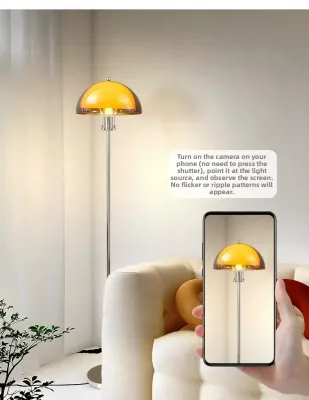
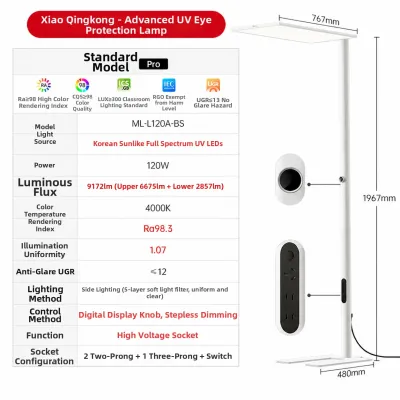
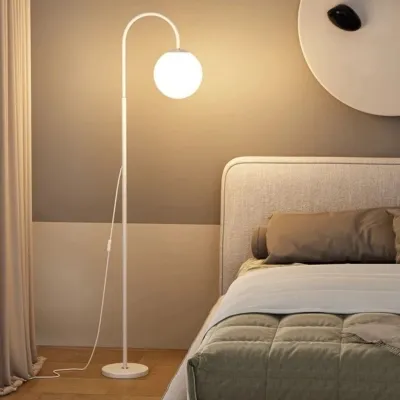
Prices are valid at publication and may change. Please refer to the product page for the latest price.
To achieve this gentle glow, prioritize fixtures designed for diffusion. Opaque, semi-translucent, or fabric shades are highly effective because they scatter light waves, softening the output and preventing the bulb from shining directly into your eyes. Alternatively, indirect uplighting fixtures—often called torchieres—bounce light off the ceiling, distributing a soft wash of illumination across the upper half of the room without creating harsh focal points.
Adjustability is another critical element of bedroom lighting. Opting for a lamp with dimmable features allows you to customize the brightness levels based on your immediate needs, whether you are folding laundry, winding down with a book, or preparing for sleep. When selecting a dimmable model, always verify the specific dimming method used—such as an inline foot slider, a rotary dial, or smart bulb compatibility—to ensure it fits your daily habits and works seamlessly with your chosen bulb type.
Matching Standing Lamp Styles to Your Bedroom Decor
Your choice of standing lamp should harmonize with your bedroom’s existing design language to maintain a cohesive, clutter-free visual environment. Different design styles offer distinct aesthetic benefits and light-distribution patterns, allowing you to tailor the atmosphere to your personal taste.

Modern and Minimalist Styles
Minimalist floor lamps typically feature slender metal poles, matte black or brushed brass finishes, and clean geometric lines. These designs are highly suited for compact bedrooms, such as those found in modern apartments, where maximizing floor space is a priority. Many minimalist styles utilize integrated LED strips or simple frosted glass globes, offering a sleek look that provides subtle accent lighting without overwhelming the room’s visual layout.
Traditional and Classic Styles
For a warmer, more conventional aesthetic, traditional standing lamps often incorporate turned wood poles, antique bronze finishes, and classic drum or pleated fabric shades. The fabric shade is particularly excellent for bedrooms because it filters light horizontally, casting a warm, inviting glow across the entire room. These fixtures act as grounding design elements, adding a sense of symmetry and timeless comfort next to a bed or a cozy armchair.
Natural and Bohemian Styles
Lamps crafted from organic materials like rattan, bamboo, woven seagrass, or linen bring natural textures indoors. These materials soften the hard lines of drywall and wooden furniture, creating a relaxed, resort-like feel. Because woven shades feature natural gaps, they cast intricate, soft shadow patterns on the walls, adding depth and a gentle, organic warmth to your evening environment.
Industrial Styles
Characterized by exposed metal pipes, heavy iron bases, and adjustable joints, industrial standing lamps offer a utilitarian look that pairs well with loft-style or modern rustic bedrooms. These lamps often feature articulated arms, making them highly functional task lights. To keep the industrial aesthetic cozy rather than harsh, pair these fixtures with tinted or frosted bulbs that soften the exposed light source.
Key Specifications to Check for a Sleep-Friendly Atmosphere
Before purchasing a standing lamp, it is essential to verify its physical and technical specifications to ensure it is safe, functional, and compatible with your home’s electrical system.
First, check the electrical compatibility and safety certifications. In Singapore, household appliances must be compatible with a 220V-240V AC, 50Hz power supply. Look for recognized local safety certifications, such as the Safety Mark, which indicates that the fixture’s wiring, plug, and insulation have been tested to meet national safety standards. Additionally, verify the socket or base interface type—such as E27 screw or E14 small screw—and note the manufacturer’s maximum allowable wattage limit to prevent overheating and potential fire hazards.
Next, evaluate the physical stability and footprint of the lamp. A bedroom is a space of movement, and a top-heavy lamp can pose a tipping hazard, especially if you have pets or young children, or if the lamp is placed near a walkway. Look for models with heavy, weighted bases made of iron, marble, or solid concrete. Measure the base diameter to ensure it fits comfortably within your allocated floor space without protruding into walking paths or blocking wardrobe doors.
Finally, consider the practical usability of the switch placement. A lamp with an inline foot switch is highly convenient if the fixture is positioned near the bedroom entrance, allowing you to turn it on as you step into the room. However, if the lamp is placed next to your bed or a reading chair, a rotary switch on the pole, a pull chain, or compatibility with smart home systems and smart bulbs will allow you to control the light easily without having to get up.
Placement and Layering Strategies for Bedroom Floor Lamps
Where you position your standing lamp plays a major role in how comfortable the bedroom feels. To avoid glare, position the lamp so that the light source does not align directly with your line of sight when you are lying down or sitting in bed. Ideally, the bottom edge of the lamp shade should sit at or below eye level when you are seated, keeping the hot spot of the bulb hidden from view.
Placing the standing lamp in an empty corner is an excellent way to maximize ambient light. The adjacent walls will act as natural reflectors, bouncing the diffused light back into the room and making a compact bedroom feel more spacious and airy. If you have a dedicated reading chair, position the lamp slightly behind and to the side of the chair to cast light directly over your shoulder onto your reading material.
To create a truly balanced atmosphere, integrate your standing lamp into a multi-layered lighting scheme. Avoid relying on a single light source; instead, coordinate the floor lamp with low-wattage bedside table lamps and your main overhead light. By using different light sources at varying heights, you can easily adjust the room’s brightness levels throughout the evening, transitioning smoothly from active preparation to deep relaxation.
Frequently Asked Questions (FAQ)
Can a standing lamp provide enough light for reading in bed?
Yes, a standing lamp can serve as an excellent reading light if you select a model designed for task lighting. Look for fixtures with adjustable goosenecks, articulated arms, or directional shades that allow you to guide the light precisely onto your book or tablet. To ensure comfortable reading without eye strain, check the product label for the maximum wattage or lumen output, and choose a bulb that provides focused brightness without creating excessive heat. If space is limited, an adjustable floor lamp placed next to the headboard can free up valuable surface space on your bedside table.
What is the ideal color temperature for a bedroom standing lamp?
For a relaxing bedroom atmosphere, a warm white color temperature is highly recommended. When shopping for bulbs, check the Kelvin (K) rating printed on the packaging; a rating between 2700K and 3000K delivers a soft, golden glow that mimics candlelight and helps create a cozy environment. Avoid cool white or daylight bulbs (4000K to 6500K) in the evening, as their blue-toned light can make the space feel clinical and alert. If you use your bedroom for various activities throughout the day, consider installing a smart or tunable white bulb, which allows you to switch to a cooler light for daytime cleaning and transition to a warm, dim glow at night.
Community discussion
Share your experience or ask a question. Comments are reviewed before publication.