
Selecting a temple cabinet for home worship in Singapore requires balancing religious tradition, material durability, and the spatial constraints of modern high-rise living. A suitable home altar must provide a respectful, structurally sound space for sacred statues and offerings while blending seamlessly with your interior decor. Homeowners in Singapore typically source these cabinets from specialized religious retailers, custom carpenters, or premium lifestyle brands, each offering distinct advantages depending on your budget and space.
Because many modern cabinets feature integrated lighting or electronic incense burners, verifying structural integrity and electrical safety is paramount. High humidity and space limitations in Housing & Development Board (HDB) flats and condominiums mean that material selection, proper ventilation, and certified electrical components are critical considerations. Prioritizing these technical and practical standards ensures your sacred space remains safe, beautiful, and spiritually appropriate for years to come.
Essential Design and Craftsmanship Standards for Buddhist Altars
Wood Selection and Climate Resilience
Singapore’s tropical climate, characterized by high relative humidity averaging over 80% and consistent year-round warmth, poses a significant challenge for wooden furniture. When choosing a temple cabinet for home use, the choice of material directly affects the longevity of the altar. Reputable brands typically construct premium altars from high-grade solid hardwoods such as Burmese teak, rosewood, or American white oak. These woods contain natural oils that resist moisture, rot, and wood-boring pests like termites.
Products mentioned in this guide
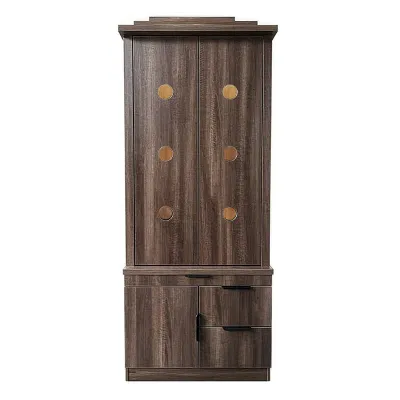
![[HOMIEST] ORATE 2FT Altar Cabinet Prayer Cabinet Religious Worship Natural/Walnut](https://img.lazcdn.com/g/p/cfaa0a6f73682165358fbd07edf06f9b.jpg_400x400q80.jpg_.webp)
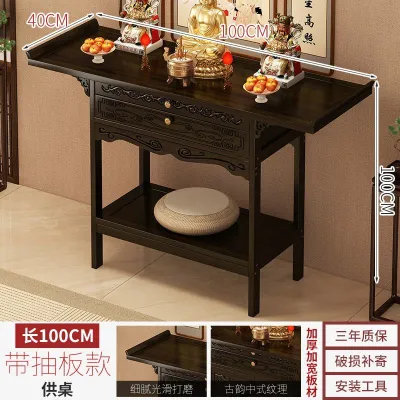
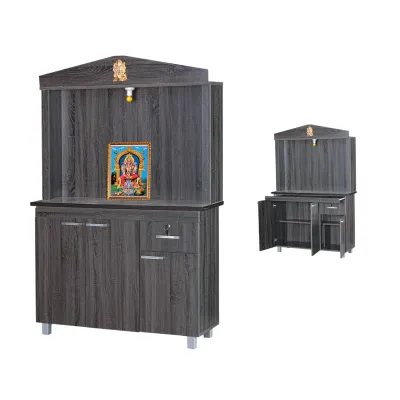
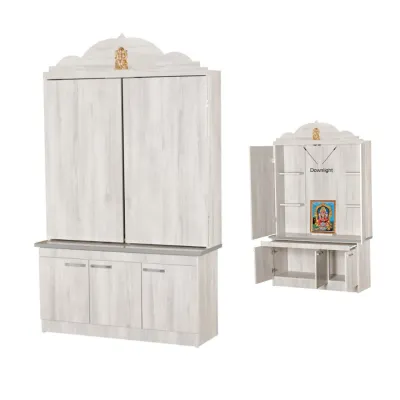
Prices are valid at publication and may change. Please refer to the product page for the latest price.
In contrast, cheaper engineered woods like medium-density fibreboard (MDF) or particleboard are highly susceptible to moisture absorption. In Singapore’s humid environment, untreated engineered wood can swell, warp, peel, or become a breeding ground for mold and mildew. If you must select an engineered wood option, ensure it features high-pressure laminates (HPL) and moisture-resistant backing panels.
To ensure the cabinet survives seasonal humidity fluctuations, verify that the solid wood has been properly kiln-dried. Kiln-drying reduces the wood’s internal moisture content to a stable level of approximately 10% to 12%, which prevents subsequent cracking, splitting, or shrinking. Before purchasing, ask the retailer for material specifications and check if the wood has been treated with non-toxic, moisture-resistant, and anti-termite finishes.
Traditional vs. Modern Aesthetic Integration
An authentic Buddhist temple cabinet for home worship must respect traditional structural guidelines while accommodating the layout of modern Singaporean homes. Traditionally, altars feature distinct tiering to establish a clear spiritual hierarchy. The Buddha statue must always occupy the highest tier, with secondary deities, ancestral tablets, and offering vessels placed on lower levels. Dedicated pull-out trays are essential for placing daily offerings like water, fruit, and flowers, while lower drawers store incense, sutras, and prayer beads.
As HDB flats and condominiums favor minimalist, clean-lined interiors, many modern brands have adapted these traditional features. Contemporary temple cabinets often utilize streamlined silhouettes, handleless drawers, and subtle, geometric carvings instead of heavy, ornate dragon or phoenix motifs. Lighter wood finishes, such as natural ash, light oak, or whitewashed teak, help the cabinet integrate into Scandinavian, Japandi, or modern minimalist home designs.
When selecting a finish, aim for a cohesive look by matching the cabinet’s wood tone or laminate color with your existing living room or dining room furniture. Many modern designs also feature glass doors or sliding panels that allow you to close the altar when not in use, keeping the sacred space clean and dust-free while maintaining a tidy household aesthetic.
Built-in Lighting and Electrical Safety
Integrated lighting enhances the serene atmosphere of a home altar, highlighting the details of the Buddha statue and facilitating evening prayers. However, because these cabinets are made of combustible wood, electrical safety cannot be overlooked. In Singapore, all electrical appliances and adapters must comply with local safety standards, operating at a domestic voltage of 230V AC, 50Hz.
When evaluating built-in lighting, check that the power adapters, LED drivers, and plugs carry the Enterprise Singapore SAFETY Mark. This certification ensures the components have been tested and approved for safe domestic use. Avoid cabinets that use unbranded, low-quality wiring or generic import adapters, as these present significant short-circuit and fire risks.
Heat dissipation is another critical factor. While LED strip lights and spotlights generate far less heat than traditional halogen bulbs, they can still warm up when left on for extended periods. Ensure the cabinet design includes ventilation gaps or aluminum heat-sink channels behind the LED fixtures to dissipate heat away from the wooden surfaces. For any complex electrical integrations, custom modifications, or fixed wiring installations, always hire a Licensed Electrical Worker (LEW) to perform the work safely.
Where to Find Reputable Temple Cabinet Brands in Singapore
Specialized Religious and Cultural Furniture Retailers
For homeowners seeking authentic, ritual-compliant designs, specialized religious goods and cultural furniture retailers are the premier choice. These established shops, often located in heritage enclaves like Waterloo Street, Geylang, or industrial estates in Defu Lane and Ubi, specialize exclusively in Buddhist artifacts and temple furniture. Their design teams possess a deep understanding of Buddhist iconography, traditional proportions, and the specific spatial arrangements required for different lineages.

Buying from a specialized retailer ensures that your temple cabinet for home worship is structurally optimized for ritual use. These brands design drawers specifically to hold incense boxes, construct pull-out trays at ergonomic heights for food offerings, and ensure the structural tiers can support heavy brass or ceramic urns. They also offer matching accessories, such as prayer stools, kneeling cushions, and matching side tables, allowing you to create a harmonious worship area.
Visiting a physical showroom is highly recommended when dealing with specialized retailers. This allows you to personally inspect the quality of the carvings, test the stability of the tiers, and verify the wood’s grain and finish. Showroom staff can also provide invaluable advice on traditional placement rules, auspicious dimensions based on the Feng Shui ruler (Feng Shui Chi), and proper altar setup etiquette.
Custom Carpentry and Bespoke Woodworking Studios
If your home has spatial constraints or an unusual layout, custom carpentry is often the most practical solution. Many HDB BTO flats and condominiums feature structural pillars, awkward corners, or dedicated household shelters that limit where freestanding furniture can be placed. A bespoke woodworking studio can design a built-in temple cabinet that fits perfectly into a specific alcove, maximizing your floor area and creating a seamless, integrated look.
When working with a custom carpenter, you must provide a detailed brief regarding the religious and practical requirements of the altar. Specify the exact height and weight of your Buddha statues so the carpenter can reinforce the shelving. Clearly outline the need for pull-out offering trays, integrated cable management routes for lighting, and proper ventilation for incense smoke. It is also crucial to instruct the carpenter to avoid placing the altar directly beneath overhead waste pipes or adjacent to bathroom walls.
Before commissioning a custom build, thoroughly review the carpenter’s portfolio to check for previous experience with religious furniture or high-end cabinetry. Verify that they use high-quality, termite-treated materials, such as marine plywood topped with premium laminates or solid wood accents. Request detailed 3D drawings before fabrication begins to confirm that the proportions, tier heights, and electrical routing meet your expectations.
Premium Home and Lifestyle Brands
For a ultra-modern home, some homeowners turn to premium mainstream furniture and lifestyle brands. These brands offer high-end sideboard units, console tables, or minimalist display cabinets that feature exceptional craftsmanship, premium materials, and sophisticated contemporary aesthetics. These pieces appeal to those who want a subtle, non-traditional worship space that blends completely with high-end designer furniture.
However, mainstream furniture units have distinct limitations when used as temple cabinets. They rarely feature the correct tiering required for Buddhist statues, and their shelves may not be rated to support the concentrated weight of heavy stone or bronze deities. Standard display cabinets also lack dedicated pull-out trays for offerings and may not have appropriate ventilation or cable routing for electrical incense burners and lamps.
If you choose to adapt a premium lifestyle console into a home altar, you must take active steps to ensure safety and respect. Use high-quality solid wood pedestals or risers to elevate the Buddha statue above other ritual items. Verify the maximum load capacity of the console’s top surface before placing heavy items. Additionally, install external, safety-certified LED lighting and ensure all wires are neatly managed and secured to prevent tripping hazards or accidental spills.
How to Evaluate Brand Quality and Authenticity Before Buying
Inspecting Joinery, Hardware, and Finishes
When visiting showrooms to evaluate temple cabinet brands, pay close attention to the structural joinery. High-quality wooden cabinets rely on traditional woodworking joints, such as mortise-and-tenon or dovetail joints, which distribute weight mechanically and remain stable for decades. Avoid brands that rely solely on metal brackets, staples, or excessive glue to hold major structural panels together, as these connections can loosen over time under the weight of heavy altar items.
Test the hardware components thoroughly. Pull out the drawers and offering trays to ensure they slide smoothly without sticking or wobbling. Premium brands equip their drawers with heavy-duty, soft-close ball-bearing glides that can support substantial weight, preventing the drawers from sagging when filled with heavy prayer books or brass accessories. Check that the door hinges are robust, adjustable, and made of rust-resistant materials like stainless steel or brass.
Examine the cabinet’s finish under bright, direct light. The lacquer or varnish should be applied evenly across all surfaces, including the interior of drawers and the back of the cabinet, with no runs, bubbles, or rough patches. Run your hand along the edges and carvings to ensure they are sanded perfectly smooth to prevent splinters. Additionally, take note of any strong chemical odors; high-quality brands use low-VOC (volatile organic compound) or water-based finishes that do not emit harmful, lingering fumes into your home.
Verifying Material Claims and Warranties
With many cabinets on the market utilizing wood veneers, it is important to know how to verify a brand’s material claims. Solid wood furniture is significantly heavier than veneer-faced MDF and displays a continuous, natural grain pattern. To identify genuine solid wood, inspect the end grain on the edges of panels; if the grain pattern on the top surface does not wrap naturally around the edge, the piece is likely a veneer. Veneers are acceptable for decorative side panels, but load-bearing shelves and structural frames should ideally be solid wood.
Always ask the retailer for a written warranty and read the terms carefully. A reputable brand should provide a warranty covering structural integrity, joint separation, and major wood cracking or warping for at least one to five years. Understand what is excluded from the warranty, such as natural color fading over time or damage caused by improper cleaning or exposure to direct sunlight.
For premium timbers like Burmese teak or rosewood, ask if the brand can provide origin or sustainability certifications. This ensures the wood has been legally and responsibly sourced. A brand that is transparent about its supply chain, wood-drying processes, and manufacturing standards is far more likely to deliver a reliable, high-quality product.
Assessing Customer Service and Delivery Logistics
Because temple cabinets are heavy, complex, and spiritually significant, the purchasing experience does not end at the checkout. Professional delivery and on-site installation are essential services that a reputable brand must offer. Intricate wood carvings and delicate glass panels can easily be damaged during transport if not packed and handled correctly by experienced furniture movers.
Before finalizing your purchase, confirm that the brand provides professional delivery and assembly. Ask if their team conducts pre-delivery site measurements or if they provide detailed clearance dimensions. This is particularly important in Singapore, where narrow HDB corridors, tight condominium lift doors, and low-ceilinged entryways can present significant obstacles during delivery. Ensuring the cabinet can be transported safely to your unit prevents costly return fees and logistical headaches.
Inquire about the brand’s after-sales support. A reliable brand should offer maintenance advice, touch-up kits for minor scratches, and replacement hardware if a hinge or drawer glide fails down the road. Responsive, professional communication during the sales process is a strong indicator of the level of support you can expect if any issues arise after delivery.
Placement, Installation, and Safety Guidelines for Singapore Homes
Spatial Planning and Traditional Alignment
Proper placement of your temple cabinet for home worship is essential for creating a serene, respectful environment. Ideally, the altar should face the main entrance of your home or look toward a bright, open space like a window, allowing positive energy to flow freely. Ensure the cabinet is backed by a solid concrete or brick wall, which symbolizes strong support and stability; avoid placing the altar against hollow partition walls or temporary room dividers.
There are several critical placement boundaries to observe in Singapore apartments. Never place the temple cabinet directly facing, adjacent to, or sharing a common wall with a bathroom, kitchen, or master bedroom, as these areas are associated with daily domestic activities that are considered inappropriate for a sacred space. Additionally, ensure the altar is not positioned directly beneath exposed structural beams, air conditioning units, or water pipes, which can disrupt the peaceful energy of the space.
Plan the surrounding floor space to accommodate your daily worship practices comfortably. Leave at least 1.2 to 1.5 meters of clear space in front of the cabinet to allow for kneeling, bowing, or placing a prayer stool without obstructing the main household traffic paths. Finally, ensure the room has adequate cross-ventilation—such as being near a window or equipped with a ceiling fan—to prevent incense smoke from building up, which can affect indoor air quality and leave soot deposits on your walls and ceiling.
Structural Support and Weight Management
Solid wood temple cabinets are exceptionally heavy, and when loaded with statues, incense burners, and offering bowls, the total weight can easily exceed 80kg. If you are installing a floor-standing cabinet, ensure your flooring is perfectly level. Uneven flooring can cause the cabinet to wobble, putting unnecessary stress on the structural joints and increasing the risk of the cabinet tipping forward. Use adjustable leveling feet or heavy-duty felt pads to stabilize the unit.
For wall-mounted temple cabinets, structural safety is paramount. Never mount a heavy solid-wood cabinet directly onto standard drywall, gypsum board, or hollow partition walls, as these materials lack the shear strength to support the weight. Instead, locate the internal timber or metal studs using a stud finder, and secure the mounting brackets directly into them using heavy-duty toggle bolts. If mounting onto a concrete wall, use high-quality masonry wall plugs or expansion rawlbolts.
To prevent accidental tipping, especially in households with young children or pets, secure tall, freestanding cabinets to the wall using discreet anti-tip safety brackets. If you are unsure about the load-bearing capacity of your walls or the correct mounting hardware to use, always consult a qualified professional installer or structural contractor to complete the installation safely.
Electrical Setup and Fire Safety Precautions
Maintaining a safe home altar requires strict adherence to fire safety and electrical guidelines. When powering integrated cabinet lights, electronic incense burners, or electric candles, always plug them into a high-quality extension outlet or wall socket that is protected by a residual current circuit breaker (RCCB). Never overload a single socket with multiple high-wattage adapters, and avoid daisy-chaining multiple extension cords together, as this can lead to overheating and electrical fires.
Keep all flammable materials, such as paper sutras, decorative fabrics, artificial flowers, and wooden accessories, at a safe distance from any heat sources or open flames. To minimize fire hazards in enclosed apartments, consider using flameless LED candles and electronic incense burners instead of traditional wax candles and charcoal-based incense. If you prefer using real incense and candles, always place them on a non-combustible tray made of ceramic, tempered glass, or metal, and never leave open flames unattended.
Before cleaning, dusting, or performing any maintenance on your temple cabinet, always isolate the electrical power. Unplug the cabinet from the wall socket or turn off the corresponding circuit breaker at your home’s main distribution board (DB box). This simple precaution protects you from accidental electrical shocks and prevents short-circuits while you handle damp cleaning cloths around the electrical fixtures.
Frequently Asked Questions (FAQ)
Can I use a regular display cabinet as a Buddhist temple cabinet?
While a standard display cabinet can physically hold items, it is generally not recommended for use as a dedicated Buddhist temple cabinet. Regular display cabinets lack the essential structural tiering required to establish a proper spiritual hierarchy, where the Buddha statue must sit on the highest level. They also lack dedicated pull-out trays for daily water and food offerings, and their drawers are rarely sized appropriately to store ritual items like incense and sutras.
Furthermore, standard display cabinets often feature glass shelves that are not rated to support the concentrated weight of heavy bronze, brass, or stone statues. Placing heavy sacred objects on unreinforced glass shelves poses a significant breakage and safety risk. Standard cabinets also lack the specialized ventilation and heat-safe cable routing required to safely operate electrical altar accessories and manage incense smoke.
What is the ideal height for a home Buddhist altar?
In Buddhist tradition, the Buddha statue should always be placed at an elevated position to show respect. Ideally, the main deity should be positioned at or above your eye level when you are standing in front of the altar. If you typically sit or kneel during prayers, the statue should still remain above your eye level in that position, ensuring you look upward toward the Buddha.
For a standard floor-standing temple cabinet, a height of approximately 120cm to 135cm from the floor to the main deity platform is common and ergonomically comfortable for most adults. If you are installing a wall-mounted cabinet, you can adjust the mounting height to suit your family’s height. Always ensure there is sufficient vertical clearance above the statue so that the top of the Buddha’s head or halo does not touch the ceiling or the top of the cabinet frame.
How do I maintain and clean a solid wood temple cabinet in a humid climate?
To preserve the beauty and structural integrity of a solid wood temple cabinet in Singapore’s humid climate, establish a regular, low-risk cleaning routine. Dust the cabinet weekly using a dry, soft microfiber cloth to remove dust and incense ash, which can attract moisture and dull the wood’s finish. Avoid using harsh chemical cleaners, abrasive pads, or aerosol furniture polishes, as these can strip away the protective lacquer and leave a sticky residue that attracts dirt.
For deeper cleaning, use a slightly damp cloth wrung out thoroughly with plain water or a highly diluted, pH-neutral wood soap. Wipe along the direction of the wood grain, and immediately follow with a dry microfiber cloth to remove any residual moisture. To manage indoor humidity, keep the room well-ventilated, utilize a dehumidifier during the wet monsoon seasons, or run an air conditioner periodically to keep the indoor air dry. Regularly inspect the back of the cabinet and the interior of the drawers for any signs of mold, dampness, or pest activity.
Community discussion
Share your experience or ask a question. Comments are reviewed before publication.