
Standard Housing and Development Board (HDB) flats in Singapore typically feature a floor-to-ceiling height of approximately 2.6 meters. When planning a lighting upgrade with high-performance architectural fixtures like a Thor-Lux light, this height constraint requires careful planning. Selecting the right fixture is not just about aesthetic appeal; it is a balancing act between maintaining adequate physical clearance, ensuring comfortable light distribution, and managing heat dissipation. To successfully integrate these robust, commercial-grade luminaires into a residential HDB layout, homeowners must focus on low-profile surface-mounted or recessed designs that preserve headroom while delivering optimal illumination.
Assessing Spatial Constraints in 2.6m HDB Rooms
A ceiling height of 2.6 meters leaves very little vertical margin when selecting light fixtures. In high-traffic areas such as living rooms, corridors, and kitchens, maintaining a safe clearance zone is essential to prevent physical obstructions. Ideally, the bottom of any ceiling-mounted fixture should sit at least 2.1 to 2.3 meters above the finished floor level. This ensures that tall occupants and guests can walk freely, carry items, or raise their arms without risking contact with the luminaire. When fixtures protrude too far down, they not only pose a physical hazard but also visually compress the room, making the living space feel cramped and restrictive.
Low ceilings also significantly alter how light behaves within a room. Because the light source is physically closer to eye level, the potential for uncomfortable glare increases dramatically. High-wattage fixtures that lack proper diffusion can create intense hot spots, leading to eye strain and visual fatigue. Furthermore, compact spaces can experience localized heat buildup if a high-output fixture lacks efficient thermal management. While modern LED technology produces far less heat than legacy halogen or incandescent bulbs, high-performance drivers and LED arrays still generate heat that must be dissipated safely to protect both the ceiling substrate and the internal electronics.
Products mentioned in this guide
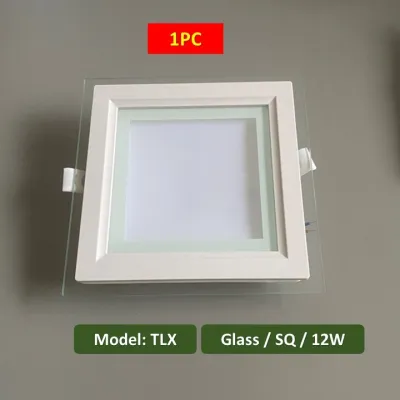
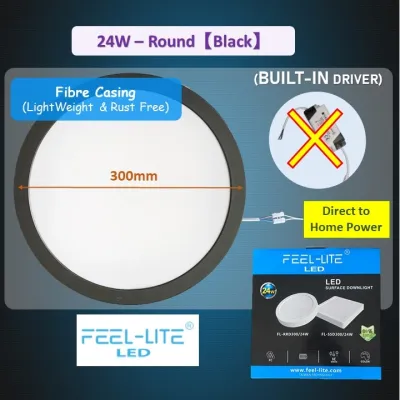
Prices are valid at publication and may change. Please refer to the product page for the latest price.
Finally, the physical proximity of the ceiling to the floor limits the natural spread of light. In a room with a higher ceiling, light has more distance to disperse, resulting in soft, even coverage. In a 2.6-meter HDB room, a narrow beam angle will create tight cones of light, leaving the upper walls and corners in deep shadow—a phenomenon often referred to as the “cave effect.” To combat this, homeowners must carefully evaluate how a fixture’s optical design distributes light horizontally, ensuring that the entire room feels bright, open, and balanced.
Defining Specifications for Low-Ceiling Lighting
To maximize headroom and maintain an open atmosphere in a standard HDB flat, flush-mount or ultra-slim surface-mounted profiles are highly preferable over semi-flush or suspended designs. A flush-mount fixture sits directly against the concrete ceiling, typically protruding no more than 50 to 100 millimeters. This minimal profile preserves almost the entirety of the 2.6-meter ceiling height. In contrast, semi-flush fixtures or pendant lights drop the light source lower into the room’s active zone, which can disrupt sightlines and create visual clutter in smaller rooms.

Matching the lumen output of the fixture to the specific square footage of the room is another critical step in avoiding harsh over-illumination. In a confined HDB space, installing a commercial-grade fixture with excessive light output can make the environment feel sterile and clinical. Homeowners should calculate the required lux (lumens per square meter) based on the room’s primary function. For instance, a living room or bedroom typically requires a softer ambient level of 100 to 150 lux, whereas a kitchen or home office benefits from 250 to 300 lux for task-oriented activities. By multiplying the target lux by the room’s area in square meters, you can determine the ideal lumen range for your selected Thor-Lux light.
Visual comfort in low-ceiling environments is heavily influenced by the choice of diffuser materials, beam angles, and color temperatures. Opal or micro-prismatic diffusers are excellent for residential spaces because they scatter light evenly, softening harsh shadows and reducing direct glare. A wide beam angle—ideally 100 degrees or greater—is recommended to ensure the light spreads laterally across the ceiling and walls, minimizing dark spots. Additionally, color temperature should align with the room’s purpose and personal preference. While cool white (4000K) or daylight (6500K) tones can enhance focus in kitchens and study areas, warm white (2700K to 3000K) tones are generally preferred for creating a cozy, relaxing ambiance in living rooms and bedrooms.
How to Evaluate Thor-Lux Models for Your Space
When exploring the Thor-Lux catalog for residential HDB applications, homeowners must adopt a systematic verification process rather than relying on generic product descriptions. Because Thor-Lux primarily designs high-durability, architectural, and industrial luminaires, many of their models are built to deliver high lumen packages and robust physical protection. The first step in your evaluation is to locate the official manufacturer specification sheets for the specific model families you are considering. Pay close attention to the physical dimensions, specifically the depth or height of the fixture, to ensure it aligns with your calculated clearance limits.
Next, evaluate the ingress protection (IP) ratings and thermal dissipation designs of the models, especially if you plan to install them in demanding HDB zones like kitchens or bathrooms. Bathrooms require fixtures with at least an IP44 rating to protect against moisture splashes, while kitchens benefit from sealed units that prevent grease and dust accumulation on the internal LEDs and drivers. Check the manufacturer’s documentation to verify how the fixture manages heat. Models featuring integrated aluminum heat sinks or advanced thermal management systems are highly desirable, as they ensure the LEDs run cool, preserving their lifespan and preventing heat damage to your ceiling paint or plaster.
Optical performance is another critical verification point. Look for Thor-Lux models that feature advanced optical controllers, such as low-glare prismatic diffusers or specialized lens arrays designed to control the Unified Glare Rating (UGR). For a residential living space, aiming for a UGR of 19 or lower is ideal for preventing eye strain. Additionally, examine the polar curves provided in the technical datasheets to understand the light distribution pattern. A broad, symmetric distribution curve indicates that the fixture will spread light widely and evenly, which is essential for eliminating dark corners and making a 2.6-meter room feel more spacious.
Electrical and Installation Safety Checks
Before purchasing any high-performance ceiling light, you must verify its electrical compatibility with your HDB flat’s existing infrastructure. Singapore’s residential electrical grid operates at a nominal voltage of 230V AC at a frequency of 50Hz. Ensure that the selected Thor-Lux light and its integrated driver are rated for this input. Furthermore, you must check the dimming compatibility of the fixture. Many architectural lights utilize advanced dimming protocols such as DALI (Digital Addressable Lighting Interface) or 1-10V analogue systems, which require specialized control wiring. Standard HDB flats typically use simple phase-cut (Triac) wall switches. If you want dimmable lighting, you must ensure the fixture’s driver is compatible with phase-cut dimming, or be prepared to run additional control lines.
The structural mounting of the fixture is another critical safety consideration. Standard HDB ceilings are constructed of solid precast concrete, which provides an exceptionally stable and load-bearing surface. However, mounting a heavy commercial-grade fixture requires the correct installation hardware. Standard plastic wall plugs and screws may not be sufficient for heavier luminaires. Installers should use appropriate masonry anchors or concrete screws rated for the fixture’s weight. Never drill into structural concrete beams without verifying the location of internal steel reinforcement bars, and avoid modifying the ceiling structure in ways that violate HDB renovation guidelines.
Finally, it is vital to recognize the boundaries of safe do-it-yourself (DIY) work. While replacing a simple light bulb is straightforward, installing a fixed-wiring ceiling luminaire—especially one that requires mounting to concrete, handling complex drivers, or integrating with dimming systems—involves significant electrical hazards. Working at heights on a ladder adds physical risk. Always isolate the mains power at the consumer unit (DB box) before touching any electrical wiring. If the installation requires modifying the existing circuit, running new wiring, or mounting heavy loads, stop immediately and engage a licensed electrical worker (LEW) certified by the Energy Market Authority (EMA) of Singapore to ensure the work is completed safely and in compliance with local regulations.
Frequently Asked Questions (FAQ)
Can I use a semi-flush Thor-Lux light in a 2.6m HDB living room?
Yes, you can use a semi-flush Thor-Lux light in a 2.6-meter HDB living room, but you must carefully calculate the total drop of the fixture. To maintain a safe and comfortable living environment, the bottom of the light should not hang lower than 2.1 to 2.2 meters from the floor. This leaves a maximum allowable fixture depth of 400 to 500 millimeters. If you choose a semi-flush model, place it strategically over a central furniture piece, such as a coffee table or dining table, where people are unlikely to walk directly underneath. This placement minimizes the risk of physical contact while allowing you to enjoy the decorative depth and unique light distribution of a semi-flush design.
Do I need to upgrade my HDB wiring for modern LED ceiling lights?
In most cases, you do not need to upgrade your HDB flat’s overall electrical wiring to install modern LED ceiling lights, as LEDs draw significantly less current than older fluorescent or incandescent fixtures. However, if you live in an older flat with aging wiring, it is highly recommended to have a licensed electrician inspect the condition of the insulation and connections. Additionally, if you are transitioning from a simple on/off switch to a dimmable LED system, you may need to replace your existing wall switch with a compatible LED dimmer or install a driver that supports your current setup. Always ensure that any new installation complies with current Singapore safety standards.
Community discussion
Share your experience or ask a question. Comments are reviewed before publication.