
Illuminating artwork in a corridor requires a thoughtful balance between focused illumination and spatial practicality. Because hallways are primarily transitional zones with limited physical clearance, the ideal wall painting light must highlight the canvas without obstructing foot traffic or creating uncomfortable glare. Choosing the right style involves assessing your corridor’s physical dimensions, understanding the technical requirements of art preservation, and selecting a design that harmonizes with your home’s overall aesthetic.
Whether you opt for a sleek, low-profile linear LED picture light or an elegant, adjustable swing-arm sconce, the goal is to draw the eye directly to the artwork. By focusing on adjustable fixtures that offer precise beam control and high color accuracy, you can transform a simple passage into a sophisticated home gallery.
Assessing Corridor Space and Artwork Dimensions
Before purchasing any lighting fixture, it is essential to evaluate the physical constraints of your corridor. Hallways in many modern apartments and landed homes are relatively narrow, meaning that highly decorative or deeply protruding fixtures can easily become physical hazards. Measure the exact width of the corridor and the height of the ceiling to determine how far a wall-mounted light can safely extend. As a general rule, fixtures should not project so far into the walkway that they risk being bumped by passing residents or when moving furniture.
Products mentioned in this guide
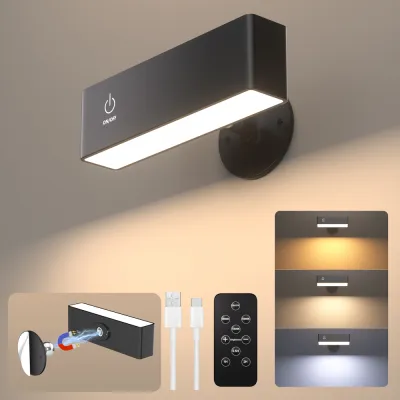
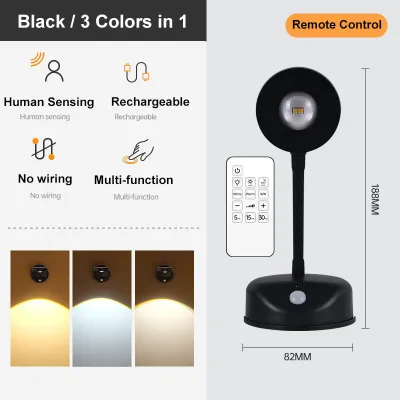
Prices are valid at publication and may change. Please refer to the product page for the latest price.
The dimensions and orientation of the painting itself dictate the scale of the light fixture. A wide landscape canvas typically requires a longer, linear picture light to ensure even coverage across the entire surface, whereas a portrait-oriented painting might be better served by a compact, directional spotlight or a shorter fixture. Additionally, take note of the frame’s depth. Deep shadowbox frames or thick ornamental borders can cast distracting shadows across the top of the painting if the light source is mounted too close to the wall or lacks an adjustable extension arm to project the light forward.
Finally, observe the existing lighting environment in your hallway. If your corridor already features bright recessed ceiling downlights or natural light from adjacent windows, you must position your wall painting light to avoid overlapping shadows and visual clutter. The objective is to create a dedicated layer of accent lighting that stands out from the ambient illumination without causing competing reflections on the wall.
Identifying Key Features for a Wall Painting Light
Selecting a fixture for artwork goes beyond mere aesthetics; it requires verifying specific technical features to ensure the painting is both beautifully displayed and safely preserved. First, check the manufacturer’s specifications for the Color Rendering Index (CRI) rating. To appreciate the true colors of a painting, look for a light source with a CRI of 90 or higher. High-CRI lighting ensures that subtle color gradations, rich textures, and deep pigments appear vibrant and true to the artist’s original intent, rather than looking washed out or unnaturally yellow.

Adjustability is another critical feature to verify. Look for fixtures with adjustable heads, rotating joints, or extendable arms. These mechanisms allow you to direct the light beam precisely onto the canvas, minimizing light spill onto the surrounding wall and reducing unwanted shadows. Some advanced fixtures also feature adjustable barn doors or internal shutters, which let you shape the light beam to match the exact rectangular or square boundaries of the frame.
Preservation is paramount when illuminating valuable or sensitive artwork. Traditional incandescent and halogen bulbs emit significant heat and ultraviolet (UV) radiation, both of which can cause paint to crack, pigments to fade, and paper to degrade over time. When browsing options, verify that the light source emits minimal heat and zero UV light. Modern LED fixtures are highly recommended for this purpose, as they run cool and do not produce harmful UV rays, making them safe for long-term exposure.
Lastly, consider the dimming capabilities of the fixture. A wall painting light should ideally be compatible with dimmable wall switches, allowing you to adjust the brightness levels based on the time of day. During the evening, a softer, dimmed light can create a warm, inviting ambiance in the corridor, while a brighter setting during the day can help the artwork compete with natural ambient light. Always check the compatibility between the fixture’s driver and your home’s dimmer switch to prevent flickering.
Matching Wall Light Styles to Your Hallway Decor
The style of your wall light should complement the architectural character of your corridor while keeping the visual focus primarily on the illuminated painting. For modern, minimalist, or contemporary interiors, linear LED picture lights are an excellent choice. These fixtures feature slim, low-profile designs that mount directly above the frame, blending seamlessly into the background. Because they are highly unobtrusive, they allow the artwork to remain the undisputed focal point of the space.
In contrast, traditional, transitional, or eclectic homes often benefit from more classic fixture designs, such as brass swing-arm sconces or vintage-inspired picture lights. These fixtures act as decorative elements in their own right, adding texture, warmth, and historical charm to the corridor. A solid brass or matte black finish can introduce a sophisticated contrast against neutral walls, framing the artwork with an elegant, gallery-like feel.
To maintain visual cohesion throughout the corridor, match the fixture’s finish and material with existing hardware in the space. Consider the finish of nearby door handles, light switches, cabinet pulls, or adjacent ceiling fixtures. If your hallway features brushed brass accents, selecting a matching brass picture light creates a unified, intentional design scheme. If you prefer a more subtle look, matching the fixture color to the wall paint can help it visually recede, emphasizing only the light it casts upon the canvas.
Navigating Installation and Electrical Safety
Installing wall-mounted lighting requires careful planning to ensure structural stability and electrical safety. Before drilling into your corridor walls, verify the wall structure and load-bearing capacity. This is particularly important in Singapore, where many interior walls are made of solid concrete, brick, or structural drywall. Heavier fixtures, such as multi-bulb picture lights or solid brass sconces, require appropriate wall anchors and mounting screws to prevent them from pulling loose over time.
Electrical compatibility is another crucial factor. Verify the fixture’s voltage requirements and ensure they match your home’s electrical system (typically 230V in Singapore). If you are planning a clean, seamless look without visible cords, you will need a hardwired installation. This process often involves chasing the wall to run electrical conduits behind the plaster, which requires professional expertise. Always plan to hire a licensed electrician for any new wiring, wall chasing, or high-voltage modifications to ensure compliance with local electrical safety standards.
If you are replacing an existing wall fixture or inspecting the wiring yourself, safety must be your top priority. Ensure that all power is completely disconnected at the main consumer unit or circuit breaker before touching any electrical components. Never rely solely on the wall switch to isolate the power. Use a reliable voltage tester to confirm the wires are dead before proceeding with any installation or maintenance work.
Frequently Asked Questions (FAQ)
Can I use standard wall sconces instead of dedicated picture lights?
Yes, standard wall sconces can be used, but they require careful selection. Standard sconces typically distribute light broadly upward, downward, or outwards, which can cause uneven illumination and harsh glare on a painting. If you prefer the look of a traditional sconce, choose a model with an adjustable arm, a directional shade, or a narrow beam angle. This allows you to angle the light directly toward the canvas, mimicking the focused effect of a dedicated picture light while maintaining the decorative appeal of a sconce.
How do I prevent glare on paintings with glass frames?
Glare is a common challenge when illuminating artwork protected by glass. To minimize distracting reflections, adjust the mounting height and angle of the light fixture. Positioning the light source slightly higher and angling it downward at a 30-degree angle often directs the glare downward, away from the viewer’s direct line of sight. Additionally, check the type of glass used in the frame; upgrading to non-reflective or museum-grade glass can significantly reduce reflections, allowing the details of the painting to remain clear under direct light.
Are battery-operated wall lights suitable for corridor paintings?
Battery-operated wall lights offer a convenient, damage-free solution for renters or spaces where hardwiring is impractical. However, they come with notable trade-offs. While they eliminate the need for professional electrical installation, they require regular battery replacement or recharging, which can become tedious in a high-traffic corridor. Furthermore, battery-powered models often have limitations in maximum brightness, beam control, and continuous runtime compared to hardwired fixtures. For a permanent, consistent gallery display, hardwired fixtures remain the preferred choice.
Community discussion
Share your experience or ask a question. Comments are reviewed before publication.