
The best Warsun emergency light models for HDB flats are those that feature magnetic bases, USB-C rechargeable lithium-ion batteries, and compact, portable form factors. Because HDB flats feature unique spatial constraints—such as reinforced concrete walls in household shelters and narrow corridors—bulky, permanently wired units are rarely practical. Instead, highly versatile portable models (like Warsun’s rechargeable LED work lights, magnetic utility lights, and multi-functional lanterns) provide the flexible, damage-free illumination needed during unexpected blackouts. Using a reliable warsun light ensures that every corner of your Singapore home remains safe and navigable without violating strict housing guidelines.
Understanding Your HDB Flat's Spatial and Electrical Constraints
HDB flats, ranging from cozy 2-room Flexi units to larger 5-room and Executive apartments, are designed with space efficiency in mind. Narrow corridors, compact kitchens, and multi-functional living areas mean that floor space and countertop surfaces are highly prized. Placing a large, static emergency lantern on a kitchen counter or a narrow entryway console can create clutter and increase the risk of accidental knocks. Therefore, the ideal emergency light must have a small physical footprint. It should be easily stowed in a drawer or mounted vertically on unused wall or cabinet surfaces. Dual-purpose designs that function as reading lights or work lights during normal times, and transition to emergency lighting during a power failure, are highly advantageous in these compact layouts.
Singapore households operate on a standard electrical supply of 230V AC at 50Hz. When selecting an emergency light, understanding how it integrates with this system is crucial. Older HDB flats often suffer from a scarcity of wall sockets, meaning that keeping a traditional emergency light permanently plugged into an outlet can compromise your daily electrical needs. Conversely, newer Build-To-Order (BTO) flats feature more generous socket placements but still benefit from modern charging infrastructure. USB-rechargeable portable units are highly practical in this context. They can be charged using standard phone chargers, power banks, or multi-port USB hubs, freeing up valuable 3-pin wall sockets. For direct plug-in models that remain on standby in a socket, verifying compatibility with the 230V standard is non-negotiable to prevent electrical faults or fire hazards.
Products mentioned in this guide
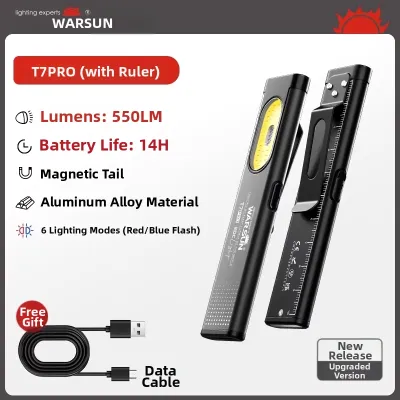
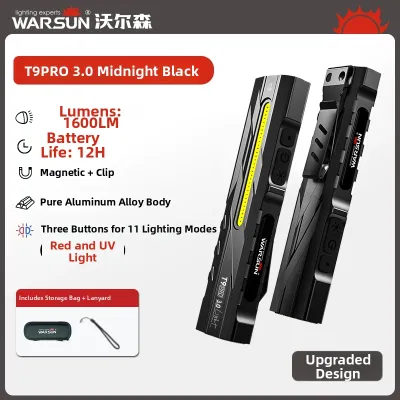
Prices are valid at publication and may change. Please refer to the product page for the latest price.
The construction of an HDB flat heavily influences how you can mount emergency lighting. Structural walls, columns, and household shelters are made of thick, reinforced concrete. Drilling into these surfaces is highly challenging and, in the case of household shelters, strictly regulated or prohibited. Drywall partitions are common in newer layouts to separate rooms, while kitchens are lined with laminate or glass backsplashes and engineered wood cabinets. To avoid damaging these surfaces or incurring repair costs when moving out, residents must rely on non-destructive mounting solutions. High-quality adhesive pads, magnetic mounts that cling to metal door frames or refrigerators, and freestanding designs are the most viable options. Understanding the weight of your chosen light and the load-bearing capacity of the mounting method prevents costly drops and wall damage.
Key Specifications to Check When Choosing a Warsun Model
When browsing Warsun models, check the packaging or manufacturer’s specification sheet for the lumen output and color temperature (measured in Kelvin). Lumens measure the total amount of visible light emitted by a source. For navigating narrow corridors or dark stairwells, a moderate output of 150 to 300 lumens is generally sufficient to prevent trips without causing blinding glare. In contrast, tasks requiring high visibility, such as cooking in a dark kitchen or checking a fuse box, benefit from 500 lumens or more. Color temperature is equally important. Cool white light (5000K to 6500K) enhances alertness and detail visibility, making it excellent for task-oriented areas. However, for bedrooms or living rooms where you may need to rest during an extended outage, a warm white or yellow light (2700K to 3000K) is far more comfortable and less disruptive to the eyes.

Modern emergency lights rely heavily on rechargeable lithium-ion or lithium-polymer batteries. These batteries offer high energy density, lightweight profiles, and minimal self-discharge rates, meaning they hold their charge well when stored. When evaluating a Warsun light, check whether it uses standard 18650 or 21700 lithium-ion cells, or a built-in proprietary battery pack. The charging interface is another critical factor. Models featuring USB-C ports are highly recommended, as they align with modern charging cables used for smartphones and laptops, ensuring you can quickly top up the light using existing household accessories. Micro-USB is still common but charges at slower rates. For dedicated emergency zones, direct AC plug-in models that automatically turn on when grid power fails provide hands-free peace of mind, provided they are kept plugged into an active outlet.
The physical design of your emergency light dictates how and where it can be used. Look for modular designs that offer multiple mounting options. A model with a built-in folding hook allows you to hang it from a closet rod or a tension bar. Magnetic bases are incredibly useful in HDB flats, as they can instantly attach to metal door frames, bomb shelter doors, or the side of a refrigerator. Adjustable stands allow you to angle the light beam precisely where it is needed, such as pointing upward to bounce light off the ceiling for soft, indirect room illumination. Handheld wand or flashlight designs are ideal for active search tasks or evacuation, while flat, low-profile panels can be mounted flush against walls or under kitchen cabinets to save space.
An emergency light is only useful if it functions when the power goes out. Always verify the manufacturer’s stated runtime on both high and low brightness settings. A high-quality emergency light should provide at least 3 to 4 hours of continuous illumination on its highest setting, and up to 12 hours or more on a lower, energy-saving mode. Additionally, look for clear physical indicators on the device. LED status lights that change color (e.g., from red to green) during charging help you verify when the battery is full. Low-battery warning indicators are also vital, alerting you to recharge the unit before it drains completely, ensuring it is always in a state of readiness.
Matching Warsun Light Types to Specific HDB Rooms
Mapping the right emergency light to the specific layout and functional needs of each room in your HDB flat ensures optimal safety and convenience. Different spaces present unique hazards and structural limitations, requiring a tailored approach to brightness, mounting, and light distribution.
Corridors, Stairwells, and Entryways
Corridors and entryways in HDB flats are often narrow transit zones that can become pitch black during a nighttime power failure, presenting immediate tripping hazards. For these spaces, prioritize compact, wall-mounted or magnetic lights that do not protrude into the walking path. A magnetic model attached to a metal shoe cabinet or the steel frame of an entryway door is an excellent, non-destructive solution. The light emitted should be highly diffused to prevent harsh glare that could temporarily blind a resident waking up in the dark. Opt for low-to-medium lumen settings that cast a wide, soft glow downward toward the floor, clearly illuminating the path between bedrooms and the bathroom without causing visual discomfort.
Kitchens and Utility Areas
The kitchen is one of the most hazardous areas during a blackout due to the presence of sharp utensils, hot appliances, and gas connections. Emergency lighting here must be bright and highly stable. Look for high-lumen, flat-panel lights that can be mounted under laminate overhead cabinets using non-destructive adhesive strips. This positioning illuminates the countertop directly without taking up valuable food preparation space. Because kitchens are prone to cooking grease, steam, and moisture, check the manufacturer’s cleaning instructions and ensure the light has a smooth, easy-to-wipe casing. Verify if the model has a basic ingress protection (IP) rating, which indicates resistance to dust and light moisture splashes, ensuring long-term durability in a busy cooking environment.
Living Rooms and Bedrooms
In living rooms and bedrooms, emergency lighting should focus on comfort, versatility, and extended runtime. Portable lanterns or multi-functional work lights with adjustable stands are ideal here. These units can be placed on coffee tables, nightstands, or bookshelves, and easily moved from room to room as family members gather. Look for models with multi-level dimming features or dedicated warm-light modes. Dimming the light to a lower setting not only conserves battery life during a prolonged outage but also creates a soothing, low-stress atmosphere that helps children and pets remain calm. A light with a 360-degree diffusion dome is particularly effective for living rooms, as it scatters light evenly across the entire space.
Household Shelters (Bomb Shelters)
Modern HDB flats feature a reinforced concrete household shelter, commonly used as a storeroom or utility space. These rooms are entirely windowless and have thick steel doors, making them completely dark during a power failure. Because drilling into the reinforced concrete walls or modifying the electrical wiring inside the shelter is strictly restricted by HDB guidelines to maintain structural integrity, you must rely entirely on standalone, battery-operated lighting. Keep a dedicated, high-capacity portable lantern or a heavy-duty magnetic light stored inside the shelter. Ensure it is placed in an easily accessible spot near the door. Since these lights may sit unused for long periods, establish a strict schedule to check their battery levels and recharge them regularly.
Safety Checks, Installation Limits, and Battery Maintenance
When purchasing any direct plug-in emergency light or charger that connects to your home’s electrical grid, safety must be your top priority. In Singapore, controlled electrical appliances must be tested and certified to carry the safety mark issued by the Enterprise Singapore safety authority. This mark ensures the device has been rigorously tested against local electrical safety standards and is safe for continuous connection to a 230V socket. Avoid purchasing uncertified, generic charging adapters or cheap direct-plug units from unregulated online marketplaces. Using uncertified equipment increases the risk of short circuits, electrical fires, and damage to your home’s wiring. Always use the original charging cables supplied by the manufacturer or high-quality, certified third-party cables.
To maintain the structural integrity of your HDB flat and avoid costly penalties, you must observe strict installation boundaries. Never drill holes into structural columns, load-bearing walls, or the reinforced concrete walls of your household shelter to mount light brackets. Additionally, avoid drilling near light switches or power outlets where concealed electrical wiring or water pipes may run. Instead, embrace non-destructive mounting solutions. High-bond double-sided adhesive tapes, magnetic sheets, and tension rods are highly effective for securing lightweight emergency lights. If you must use screws to mount a bracket on a non-structural drywall partition, use a stud finder to locate the metal frames and use appropriate drywall anchors to prevent the wall from cracking or crumbling under the weight.
Rechargeable lithium-ion batteries require proper environmental conditions to perform safely and maintain their lifespan. Singapore’s tropical climate can subject certain areas of your HDB flat to high temperatures, particularly near sun-facing windows or inside unventilated utility closets. Avoid storing or mounting emergency lights in direct sunlight, as excessive heat accelerates battery degradation and, in extreme cases, can cause thermal runaway. Follow the manufacturer’s instructions regarding charging cycles; do not leave portable units permanently connected to a charger unless the manufacturer explicitly states the device has an overcharge protection circuit. For optimal battery health, store the lights in a cool, dry place and avoid letting the battery drain completely to zero percent for extended periods.
An emergency light is useless if its battery is dead when a real blackout occurs. To guarantee readiness, establish a simple routine testing schedule every three to six months. Mark your calendar to perform a quick three-step check:
Physical Inspection Check the casing for cracks, swelling (which indicates battery damage), or loose charging ports. Clean off any accumulated dust or grease.
Functional Test Turn the light on to verify that all LED segments are working and that the dimming and mode-switching buttons function smoothly.
Battery Capacity Check Leave the light running on its standard setting for 15 to 30 minutes to ensure the battery does not drain rapidly, then recharge it fully to its standby state.
Frequently Asked Questions (FAQ)
Can I install a hardwired Warsun emergency light in my HDB flat?
No, you should not attempt to install a hardwired emergency light yourself. Any modifications to the fixed electrical wiring of an HDB flat must be performed by a Licensed Electrical Worker (LEW) in Singapore. Hardwired installations require proper circuit integration, isolation switches, and compliance with local electrical codes (SS 638). For residential HDB flats, portable, plug-in, or USB-rechargeable emergency lights are highly recommended over hardwired systems. They offer excellent illumination, require zero structural modifications, do not need official approvals, and can be easily moved or replaced without electrical hazards.
How long should an emergency light battery last during a power outage?
The battery runtime of an emergency light varies significantly depending on the specific model, its battery capacity, and the brightness level selected. Generally, a high-quality portable light should provide between 3 to 6 hours of continuous light on high-brightness mode, and up to 12 to 24 hours on an energy-saving or dimmed setting. Always check the manufacturer’s product label for the rated runtime. Keep in mind that battery capacity naturally degrades over time, and operating the light in high ambient temperatures can slightly reduce the actual runtime during an outage.
Are magnetic emergency lights safe for HDB refrigerator or metal cabinet doors?
Yes, magnetic emergency lights are completely safe to mount on standard metal refrigerator doors, steel door frames, or metal utility cabinets. The magnets integrated into these lights are designed to hold the weight of the device securely without emitting electromagnetic fields strong enough to damage modern household appliances. However, as a precautionary measure, avoid placing strong magnetic bases directly against sensitive digital displays, external control panels of smart refrigerators, or near magnetic stripe cards and external computer hard drives to prevent any potential interference.
Community discussion
Share your experience or ask a question. Comments are reviewed before publication.