
For a standard Housing & Development Board (HDB) bathroom with a 2.6-meter ceiling height, the ideal waterproof ceiling light is an ultra-slim, flush-mount LED fixture with a diameter of 20 to 30 centimeters. This size range provides a balanced look that does not overwhelm the compact footprint of typical HDB toilets. Opting for a low-profile design under 5 centimeters in depth preserves valuable headroom, keeping the space open. To withstand high humidity, the fixture must carry an Ingress Protection (IP) rating of at least IP44, though IP65 is recommended for shower zones. Combining this setup with a neutral white color temperature and an integrated anti-glare diffuser delivers optimal visibility for daily grooming while maintaining a clean, modern aesthetic.
Assessing Your Bathroom Size and Lighting Needs
Determining the right lighting for an HDB bathroom requires understanding the room’s dimensions and moisture behavior. Most standard HDB bathrooms span 3 to 5 square meters. To light this area effectively without creating dark corners, calculate the necessary light output in lumens. For general ambient lighting, a target of 100 to 150 lumens per square meter is recommended, meaning a typical 4-square-meter bathroom requires 400 to 600 lumens. If the bathroom serves as the primary grooming area, task lighting needs can push this requirement up to 800 or 1,000 lumens.
Moisture protection is the most critical safety factor when selecting a bathroom light. The Ingress Protection (IP) rating system classifies how well a fixture resists water and dust. Zone 1 refers to the area directly above the shower up to 2.25 meters high. Because standard HDB ceilings sit at 2.6 meters, the ceiling surface technically falls into Zone 2. Despite this, rising steam condenses on the ceiling, meaning any fixture installed there must have at least an IP44 rating to protect against splashing water. For enhanced durability, choosing an IP65-rated fixture—which is dust-tight and protected against water jets—is highly beneficial.
Products mentioned in this guide
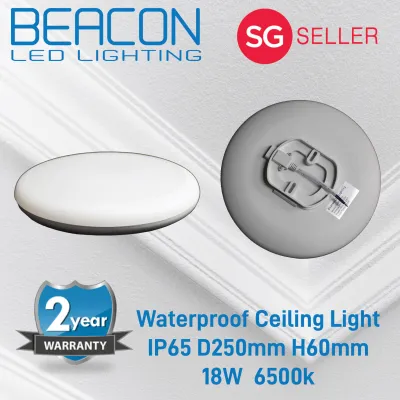
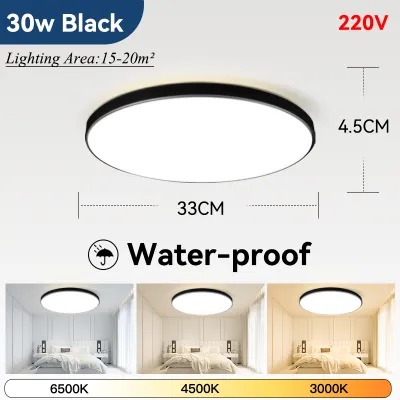
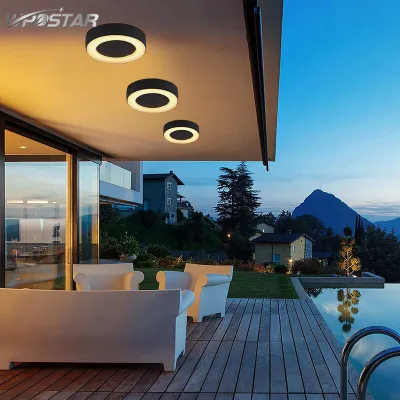
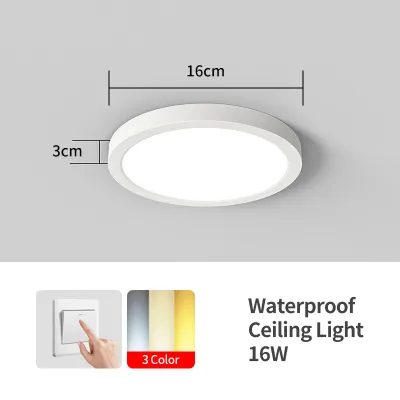
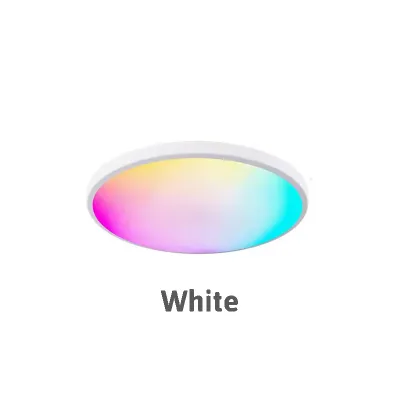
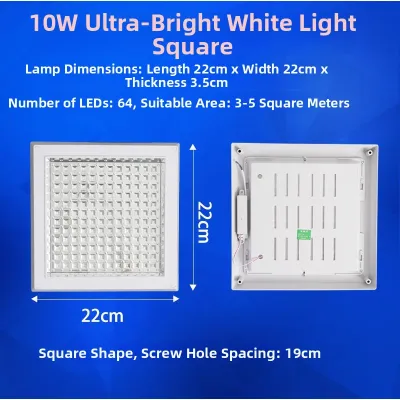
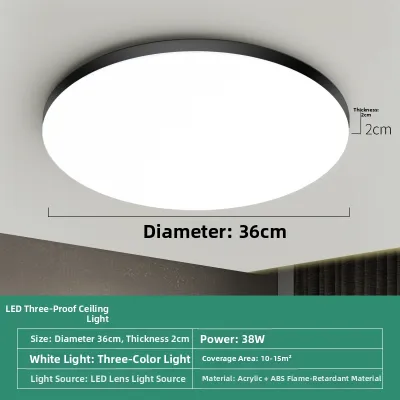
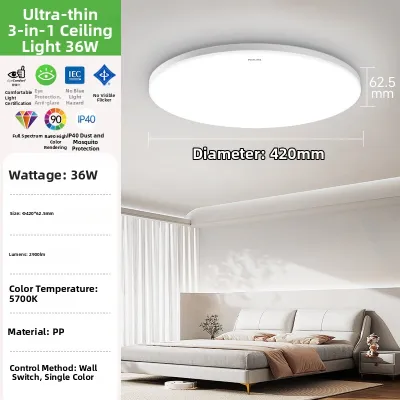
Prices are valid at publication and may change. Please refer to the product page for the latest price.
Mapping out wet and dry zones also dictates light placement. In a combined HDB bathroom layout, a single centrally mounted light is often expected to illuminate both the shower and the vanity. If your layout places the shower behind a glass partition or wall, a single light source may cast heavy shadows. In such cases, installing a primary IP44 flush-mount light in the dry zone, supplemented by a secondary light directly over the shower, ensures even illumination across all functional areas.
Sizing the Fixture for a 2.6m Ceiling Height
Selecting the physical dimensions of your waterproof ceiling light is a balancing act between visual proportion and physical clearance. A ceiling height of 2.6 meters is standard for modern HDB flats, leaving little room for vertical experimentation. Hanging pendant lights or bulky semi-flush fixtures are impractical here; they reduce vertical clearance, making the bathroom feel cramped and presenting a physical hazard. To maintain an airy feel, prioritize flush-mount or ultra-slim profiles. Modern LED technology allows manufacturers to produce fixtures under 2.5 centimeters thick, allowing them to sit almost flat against the ceiling to maximize headroom.

To determine the ideal diameter, apply a simple spatial rule of thumb: add the width and length of your bathroom in meters, then multiply by 10 to get a baseline diameter in centimeters. For example, a 1.8m by 2.2m bathroom yields a sum of 4.0, suggesting a 40-centimeter fixture. However, because HDB bathrooms feature compact layouts with wall-mounted cabinets, a smaller fixture in the 20 to 30-centimeter range is usually more visually appropriate, preventing the light from dominating the ceiling.
Oversized fixtures are a common design mistake in compact bathrooms. A massive light fixture draws the eye upward immediately, emphasizing the boundaries of the small room and making the ceiling feel lower. Conversely, an undersized fixture can look like an afterthought and fail to distribute light evenly, leaving corners in shadow. By choosing a mid-sized, ultra-slim flush mount, you achieve a clean, architectural look where the light source integrates seamlessly into the ceiling rather than competing with the interior design.
Choosing the Right Style and Color Temperature
The aesthetic appeal of your bathroom relies heavily on the style of the fixture and the quality of the light it emits. Color temperature, measured in Kelvin (K), dictates the mood and functionality of the space. For HDB bathrooms, the three most common options are warm white (3000K), cool white (4000K), and daylight (6500K). Warm white creates a cozy atmosphere but can make detailed grooming tasks difficult. Daylight provides high contrast but can feel clinical against cold tile surfaces. Cool white, or neutral white, strikes the perfect balance, offering clear, natural illumination without a stark, blue-ish tint.
To accommodate different times of day, many modern waterproof ceiling lights feature tri-color technology. These fixtures allow you to toggle between warm, neutral, and cool white settings via a physical switch on the back of the light or through consecutive flips of your wall switch. This versatility is highly practical for HDB bathrooms, allowing you to use bright, neutral light for morning routines and switch to a softer, warm light for a relaxing evening shower.
When matching the fixture’s style with your bathroom’s interior, look for clean, minimalist designs. A simple round or square profile with a matte white, matte black, or chrome bezel will easily complement standard HDB wall tiles and modern fittings. Additionally, pay close attention to the diffuser material. An integrated opal or frosted polycarbonate diffuser is essential for bathroom ceiling lights. It scatters the light evenly, eliminating harsh glare and preventing individual LED diodes from reflecting sharply in your vanity mirror or polished wall tiles.
Installation and Safety Boundaries
Installing electrical fixtures in a wet environment requires strict adherence to safety protocols. Before purchasing a waterproof ceiling light, verify the existing ceiling infrastructure. Standard HDB bathroom ceilings are typically concrete or moisture-resistant plasterboard. Ensure that the mounting brackets of the new fixture align with the existing junction box. Additionally, verify that the fixture’s voltage requirements match Singapore’s standard 220-240V electrical grid and that the unit carries recognized safety certifications, such as the Safety Mark, to guarantee safe operation.
Working with electricity in damp areas carries an inherent risk of shock or short circuits. Before attempting any installation, replacement, or maintenance, always isolate the power supply at the main distribution board (DB box) by switching off the corresponding circuit breaker. Never rely solely on the wall switch. Because bathroom installations involve fixed wiring in close proximity to water, it is highly recommended to engage a licensed electrical worker (LEW) to perform the installation. A professional will ensure the wiring is properly grounded, waterproof seals are seated correctly, and the fixture is securely anchored.
Always review the manufacturer’s installation manual for specific mounting clearances, weight limits, and wiring instructions. If you notice any signs of wear on the fixture’s rubber gaskets or if the housing does not sit perfectly flush against the ceiling, do not proceed. A compromised seal allows humid air to penetrate the fixture, leading to premature LED driver failure, corrosion of internal components, or electrical faults.
Frequently Asked Questions (FAQ)
Can I use a standard ceiling light in an HDB bathroom?
No, using a standard, non-waterproof ceiling light in an HDB bathroom is highly discouraged due to safety risks. Standard indoor lights lack the specialized rubber gaskets and sealed housings required to block moisture. Over time, high humidity and rising steam will penetrate a non-rated fixture, causing internal metal components to rust, the LED driver to fail prematurely, and potentially leading to short circuits. To ensure safety, any light installed on an HDB bathroom ceiling must have a minimum rating of IP44.
How do I clean and maintain a waterproof ceiling light?
To clean your waterproof ceiling light safely, always turn off the power at the wall switch first. Use a soft, slightly damp microfiber cloth to wipe away dust, water spots, or soap residue from the exterior diffuser. Avoid using harsh chemical cleaners, abrasive scrubbing pads, or solvent-based sprays, as these substances can degrade the polycarbonate diffuser and damage the silicone seals. Periodically inspect the outer rim of the light to ensure the seal against the ceiling remains tight.
Is a dimmable waterproof ceiling light necessary for a bathroom?
While not strictly necessary, a dimmable waterproof ceiling light adds comfort and utility to an HDB bathroom. Lowering the light intensity is highly beneficial for late-night bathroom visits, preventing sudden glare from disrupting your sleep cycle. It also helps create a relaxing, low-light environment for evening showers. If you opt for a dimmable model, ensure that you install a compatible LED dimmer switch and that the fixture’s integrated driver is explicitly rated for dimming, as using incompatible components can cause flickering.

Community discussion
Share your experience or ask a question. Comments are reviewed before publication.