
Selecting the ideal wood base for your sculptures and figurines requires a thoughtful balance of structural engineering, aesthetic harmony, and environmental awareness. A display base does not merely hold an object; it serves as the visual anchor that transitions the artwork into your living space. In Singapore’s distinct tropical climate, this choice becomes even more critical. High humidity levels and temperature fluctuations between air-conditioned and naturally ventilated rooms can cause wood to warp, split, or develop mold if the material is not carefully selected and treated. By understanding the physical properties of different wood species, calculating precise proportions, and applying proper preservation techniques, you can create a secure and sophisticated display that protects and elevates your collection.
Key Factors for Selecting a Display Base
When choosing a wood base, the first consideration must be the structural relationship between the base and the artwork. Heavy sculptures made of bronze, marble, ceramic, or dense stone exert significant downward pressure and require a base with high compressive strength. If the wood is too soft or thin, the weight can cause the surface to indent, bow, or become unstable over time. Conversely, lightweight figurines made of porcelain, resin, or vinyl do not require massive load-bearing support but need a base heavy enough to lower the overall center of gravity, preventing accidental tipping from vibrations or light contact.
Visual balance is equally vital in ensuring the base complements rather than distracts from the artwork. The base should act as a frame, drawing the eye upward toward the sculpture. A base that is too large or brightly colored can overpower a delicate figurine, while a base that is too small can make a substantial sculpture look top-heavy and precarious. Consider the texture and grain of the wood; highly figured woods with intense grain patterns work beautifully with minimalist, smooth sculptures, whereas simple, straight-grained woods are better suited for intricate, highly detailed figurines.
Products mentioned in this guide
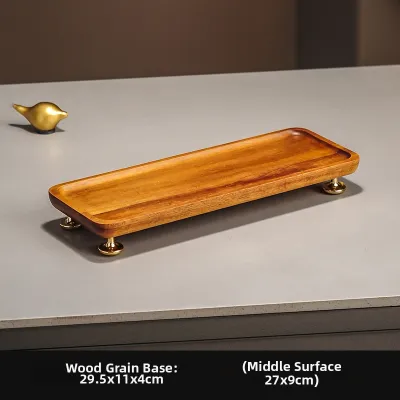
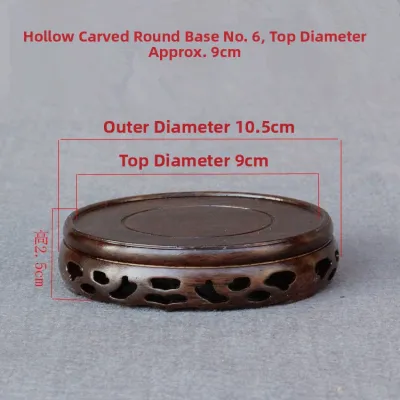
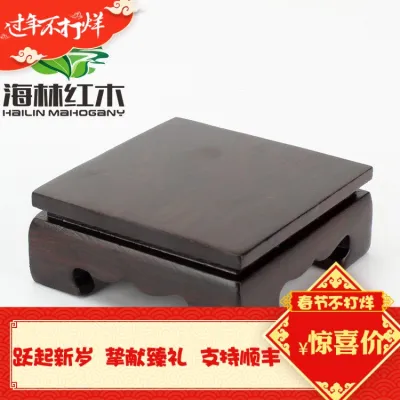
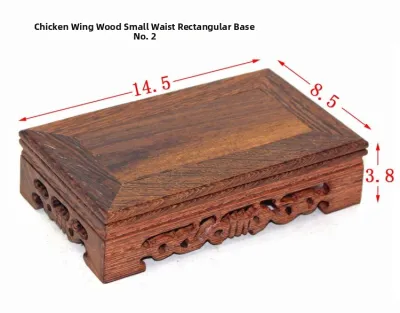
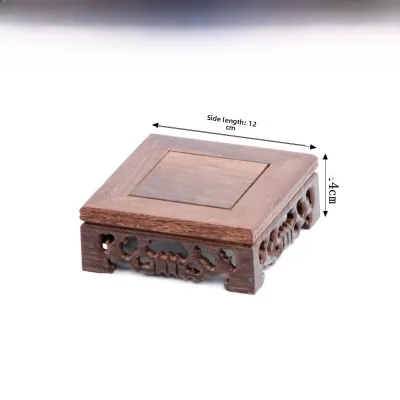
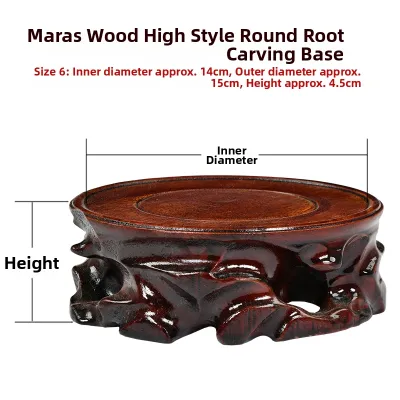
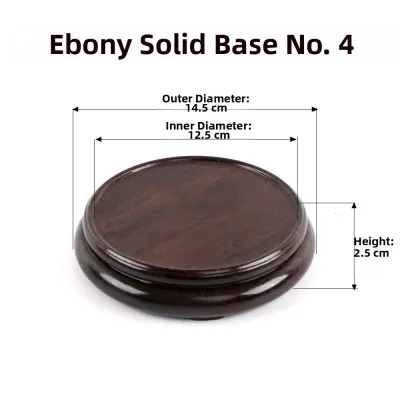

Prices are valid at publication and may change. Please refer to the product page for the latest price.
Environmental conditions in Singapore present unique challenges for wooden display accessories. Wood is a hygroscopic material, meaning it naturally absorbs and releases moisture from the surrounding air. In a tropical environment where outdoor relative humidity regularly exceeds 80%, unsealed wood can swell, warp, or attract wood-boring pests. When indoor spaces transition between hot, humid daytime conditions and cool, dry air-conditioned evening environments, the rapid moisture exchange can cause internal stress in the wood, leading to hairline cracks. Selecting stable wood species and ensuring they are treated with high-quality moisture barriers is essential for long-term preservation.
Comparing Common Wood Types for Display Bases
Hardwoods are generally the preferred choice for premium, long-lasting display bases due to their density, stability, and rich natural aesthetics. Teak is highly regarded in Southeast Asia for its exceptional durability and high natural oil content, which provides built-in resistance to moisture, rot, and termites. This makes teak an incredibly stable option for Singapore homes, as it experiences minimal expansion and contraction even when exposed to humidity shifts. It ages to a warm, golden-brown hue that pairs exceptionally well with bronze and dark stone sculptures.

American Walnut and Oak are other excellent hardwood options that offer distinct design profiles. Walnut features a deep, chocolate-brown tone and a fine, straight grain that exudes elegance, making it a favorite for modern and minimalist interiors. It provides a striking contrast when paired with light-colored porcelain or white marble figurines. Oak, available in red and white varieties, is incredibly hard and wear-resistant, characterized by prominent, open grain patterns that add a rustic or classic texture to the display. Both woods must be thoroughly kiln-dried and sealed with a protective topcoat to perform reliably in humid climates.
For lighter figurines or budget-conscious projects, softer woods and engineered wood products offer practical alternatives. Pine is lightweight, easy to carve, and highly receptive to stains and paints, allowing you to customize the color to match your decor. However, pine is susceptible to denting and must be meticulously sealed to prevent moisture absorption. Medium-Density Fibreboard (MDF) finished with a high-quality wood veneer or a solid lacquer paint is another highly stable option. Because MDF lacks a natural grain structure, it does not warp or split with humidity changes, making it an excellent choice for clean, painted block bases in contemporary galleries.
Sizing and Proportion Guidelines
To achieve a visually pleasing display, you can apply classic design principles such as the golden ratio or the rule of thirds to determine the dimensions of your wood base. As a general guideline, the height of the base should be approximately one-fifth to one-third of the height of the sculpture itself. A tall, slender sculpture is best balanced by a relatively low, wide base that grounds the piece visually. For a short, compact figurine, a taller, block-style base can elevate the artwork to eye level, giving it a more commanding presence in the room.
Calculating the footprint of the base is critical for physical stability, especially for asymmetrical or top-heavy sculptures. The base must extend far enough beyond the sculpture’s contact points to create a stable foundation. To prevent tipping, the width and depth of the base should ideally extend at least 3 to 5 centimeters beyond the widest points of the sculpture’s footprint. If the artwork has an irregular shape or leans in one direction, the base should be weighted or extended further in the direction of the lean to offset the offset center of gravity.
Edge profiles and bevels significantly influence how the weight and style of the display are perceived. A sharp, square edge profile offers a clean, architectural, and modern look, though it is more vulnerable to chipping over time. A beveled or chamfered edge creates a subtle slope that softens the transition from the tabletop to the base, making the base appear lighter and more elegant. For traditional or classical sculptures, a rounded bullnose or an ornate ogee edge profile adds a sense of historical craftsmanship and sophistication.
Sourcing and Customizing Wood Bases
When looking to acquire a wood base, online marketplaces and e-commerce platforms offer a wide variety of standard, pre-made options. These ready-to-use bases are highly convenient for standard-sized figurines and are typically available in common shapes like round, square, and rectangular blocks. When shopping online, carefully read the product descriptions to verify whether the base is made of solid hardwood or veneered composite material. Look for listings that specify a protective polyurethane or lacquer finish, which is necessary to withstand local humidity.
For valuable, heavy, or uniquely shaped sculptures, commissioning a custom base from a local carpenter or woodworking studio in Singapore is often the best approach. Local artisans understand how timber behaves in the regional climate and can help you select the perfect piece of kiln-dried wood. A custom fabricator can also route precise recesses into the top of the base to perfectly match the bottom of your sculpture, ensuring a seamless and incredibly secure fit that pre-made bases cannot provide.
When ordering a custom wood base, you should provide the craftsman with a detailed set of specifications to ensure a perfect result. Include the exact weight of the sculpture, precise measurements of its base footprint, and your preferred wood species and edge profile. Specify the type of finish you require—such as a matte, satin, or high-gloss protective coat—and indicate if you need specialized mounting hardware, such as pre-drilled holes for brass pins, threaded inserts, or integrated felt pads on the bottom to protect your furniture.
Care and Maintenance for Wooden Bases
Proper maintenance is essential to preserve the beauty of your wood base and protect the artwork resting upon it. Routine cleaning should be kept simple: dust the base regularly with a dry, soft microfiber cloth to prevent the buildup of abrasive particles. Avoid using damp cloths, multi-purpose household sprays, or harsh chemical cleaners, as these can gradually strip away the protective wax, oil, or lacquer finish, leaving the raw wood vulnerable to moisture and staining.
Managing humidity exposure is the single most effective way to prevent your wood base from warping, cracking, or developing mold. Position your display away from direct sunlight, which can dry out the wood unevenly and cause the color to fade. Keep the display clear of open windows where rain or humid air can blow in, and avoid placing it directly in the path of air conditioning vents. The direct draft from an air conditioner can dry the wood too quickly, leading to structural stress and cracking.
To prevent physical and chemical damage, always place a protective barrier between the sculpture and the wood base. Hard materials like bronze or stone can easily scratch the polished surface of a wooden stand during installation or cleaning. Using thin, archival-grade felt pads, silicone bumpers, or a layer of acid-free museum wax creates a safe buffer. This barrier not only prevents scratches but also stops any potential chemical reactions between the wood’s natural acids or finishes and the materials of your sculpture.
Frequently Asked Questions (FAQ)
Can I use a wood base for outdoor sculptures?
Using a standard wood base outdoors in Singapore is generally not recommended due to intense UV exposure, heavy rainfall, and high humidity. These factors will rapidly degrade most wood species, leading to warping, rot, and fungal growth. If you must use wood outdoors, select a highly durable, marine-grade timber like premium teak and treat it with a specialized outdoor UV-resistant sealant or marine varnish. For permanent outdoor displays, alternative materials such as granite, marble, or concrete are far more durable and require significantly less maintenance.
How do I secure a top-heavy figurine to a wood base?
To secure a top-heavy figurine, you can use temporary or permanent mounting methods depending on the value and material of the artwork. For a non-invasive, temporary hold, apply a small amount of museum wax or clear gel to the contact points; this secures the piece against light vibrations but allows for easy removal. For a permanent and highly secure mount, especially for heavy or valuable sculptures, use a system of brass dowels or threaded rods. This involves drilling matching holes into the bottom of the sculpture and the top of the wood base, allowing the pin to mechanically lock the two pieces together. If the artwork is highly fragile or valuable, consult a professional conservator to perform the mounting.
Does the wood base need to match the room's existing furniture?
The wood base does not need to match your furniture exactly; in fact, creating a deliberate contrast often yields a more striking and professional display. If your room features light oak furniture, placing your sculpture on a dark walnut or ebony-stained base can make the display stand out as a dedicated focal point. Alternatively, you can match the undertone of the wood—such as pairing warm-toned cherry furniture with a warm golden teak base—to maintain a cohesive design language throughout the space while allowing the natural variations in grain to add depth.
Community discussion
Share your experience or ask a question. Comments are reviewed before publication.