
Selecting a reliable emergency flashlight for a Housing & Development Board (HDB) flat requires a different approach than choosing a light for outdoor wilderness survival. In the confined, highly reflective environment of a Singapore apartment, the ideal Wurkkos flashlight is one that prioritizes a wide, diffused flood beam, accessible low-brightness modes to prevent blinding glare, long battery shelf life, and a compact form factor that fits easily into a household emergency kit.
While Wurkkos is highly regarded among flashlight enthusiasts for high-output, customizable lights, navigating their diverse product lineup for domestic emergency preparedness requires understanding how specific technical features translate to real-world utility during a sudden power outage.
Assessing Emergency Lighting Needs Inside an HDB Flat
Living in an HDB flat presents unique spatial and environmental conditions that directly influence how you should evaluate emergency lighting. Unlike open outdoor spaces where long-distance beam throw is critical, the maximum line of sight inside a typical three- to five-room HDB flat rarely exceeds ten to fifteen meters. Consequently, a flashlight designed to throw a tight, intense beam over hundreds of meters is not only unnecessary but can also be highly impractical indoors.
Products mentioned in this guide
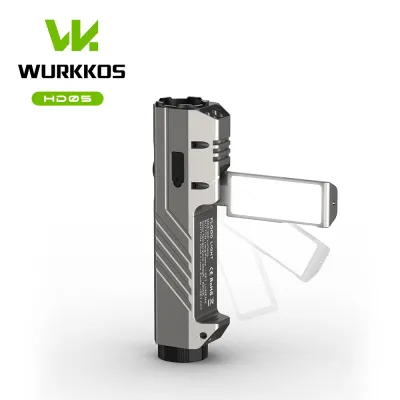
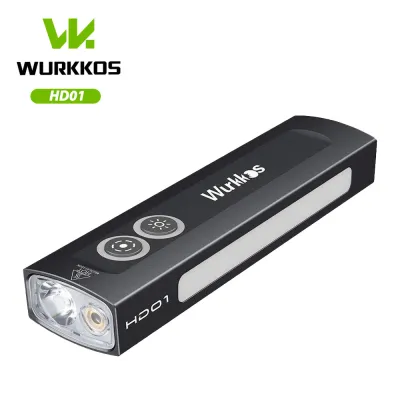
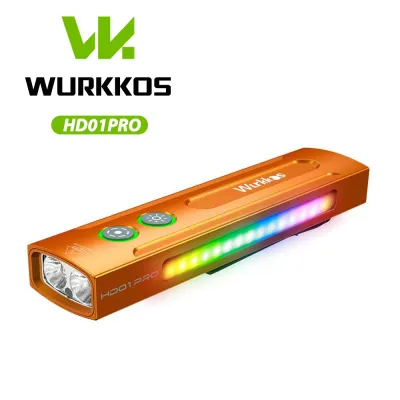
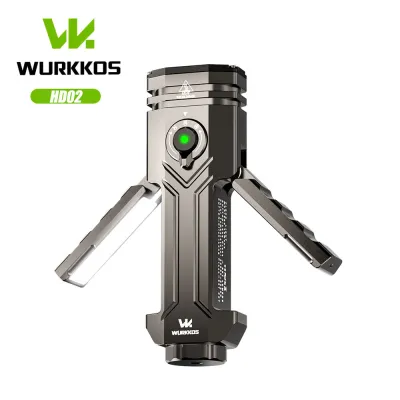
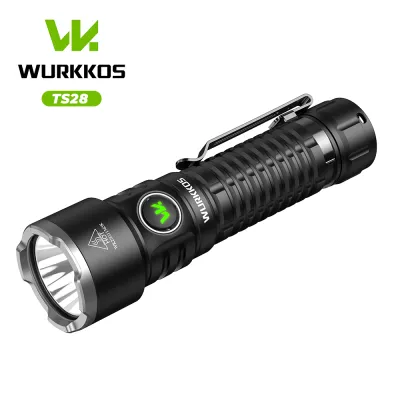
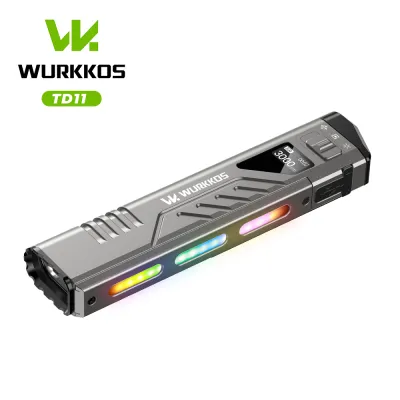
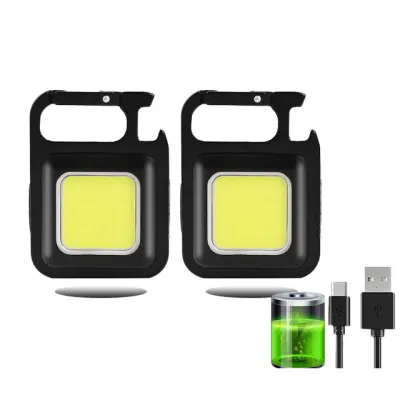
Prices are valid at publication and may change. Please refer to the product page for the latest price.
Most HDB interiors feature light-colored walls and ceilings, typically painted in white, cream, or light pastel shades. These surfaces are highly reflective. When a high-intensity flashlight beam strikes a light-colored wall in a dark room, it creates a harsh hotspot that can cause temporary night blindness and eye strain for anyone in the room. Instead of raw power, indoor emergency lighting relies on ambient distribution. A lower lumen output bounced off a white ceiling can easily illuminate an entire living room with soft, usable light.
Space optimization is another defining factor of HDB living. With modern flats prioritizing efficient layouts, storage space in utility closets, household shelters, or distribution board (DB) cabinets is highly valued. An emergency flashlight must be compact enough to store alongside other essential tools without cluttering your home. It must be easily accessible, meaning it should fit comfortably in a drawer, a small emergency pouch, or be magnetically mounted near your main electrical distribution board.
Key Specifications to Evaluate When Choosing a Wurkkos Flashlight
To find the most effective Wurkkos model for your household, you must translate these HDB-specific environmental factors into concrete technical specifications. Evaluating these parameters ensures your selected light remains practical, safe, and ready to perform when the power goes out.

Brightness and Beam Profile for Indoor Use
When reviewing flashlight specifications, look closely at the beam profile, which is determined by the reflector or lens design. Flashlights with a textured “orange peel” reflector or a Total Internal Reflection (TIR) lens are ideal for indoor use because they create a smooth, wide flood of light rather than a sharp, concentrated spotlight. This diffused beam profile allows you to see an entire room or corridor at once, making navigation safer and more comfortable.
Brightness, measured in lumens, should be highly adjustable. While many Wurkkos flashlights can output thousands of lumens on their maximum “turbo” settings, these modes generate intense heat and drain batteries within minutes. For indoor emergencies, look for models that offer a dedicated “moonlight” mode (typically 1 lumen or less) and well-spaced low (10 to 50 lumens) and medium (100 to 300 lumens) settings. A moonlight mode is perfect for navigating a dark bedroom without waking family members, while a medium mode is more than sufficient for cooking or reading during a prolonged blackout.
Battery Runtime and Power Source Options
An emergency flashlight is only as reliable as its power source. Wurkkos flashlights generally utilize rechargeable lithium-ion batteries, such as 21700, 18650, or 14500 cells. These batteries offer excellent energy density and long runtimes. Many models feature integrated USB-C charging ports, allowing you to charge the flashlight directly using standard phone chargers or portable power banks, which are common in most Singapore households.
However, for long-term emergency storage, you must consider battery maintenance. Lithium-ion batteries naturally lose charge over time, even when not in use. Some Wurkkos models support dual-fuel capability, meaning they can run on both rechargeable lithium-ion cells and standard AA alkaline or lithium batteries. Standard AA batteries have an exceptionally long shelf life and can be stored separately to eliminate the risk of parasitic drain, making them excellent backup options. When evaluating runtimes, always check the manufacturer’s specifications for the low and medium modes; a quality flashlight should run for dozens of hours on a low setting, ensuring continuous light through an overnight outage.
Form Factor and Storage Considerations
Physical design features can greatly enhance a flashlight’s utility during a crisis. For HDB emergency kits, a medium-sized flashlight strikes the best balance between battery capacity and portability. A flashlight that is too small may lack the runtime needed for extended outages, while a model that is too large is cumbersome to carry around the flat.
Look for specific design elements that add hands-free versatility. A flat tail cap is essential because it allows the flashlight to stand upright on a table or countertop like a candle, directing light upward to bounce off the ceiling for uniform room illumination. A magnetic tail cap is another highly valuable feature; it allows you to secure the flashlight to any ferrous metal surface, such as the steel frame of an HDB household shelter door or the metal casing of a distribution board, instantly converting the flashlight into a fixed wall light.
Matching Wurkkos Flashlight Types to Specific HDB Scenarios
Different emergency situations call for different lighting configurations. By categorizing Wurkkos product types by their form factor and functional design, you can select the right tool for your family’s specific emergency plan.
Compact EDC Models for Quick Access
Everyday Carry (EDC) style flashlights are slim, lightweight, and designed to be kept within arm’s reach. These models typically utilize smaller 14500 or slim 18650 batteries. Because of their small footprint, they are perfect for storing in bedside drawers, pocketing during a sudden outage, or keeping in a small pouch near the entrance of your flat.
For quick-access emergency lights, simplicity is key. Look for models that feature a straightforward user interface, such as a simple tail-cap switch or a single side button that cycles through basic low, medium, and high modes. Avoid overly complex programmable interfaces if the light will be used by children or elderly family members who need immediate, intuitive operation in the dark. A reliable EDC model provides immediate personal illumination, allowing you to safely walk to your main electrical panel to check the circuit breakers.
Hands-Free Options for Prolonged Outages
If a power outage lasts for several hours, you will likely need to perform tasks that require both hands, such as preparing food, attending to young children, or retrieving supplies from deep storage. In these scenarios, holding a traditional flashlight limits your mobility and safety.
Right-angle flashlights and dedicated headlamps are the ultimate hands-free solutions. Right-angle models are incredibly versatile because they can be clipped to a shirt pocket, stood upright on a flat surface, or inserted into an elastic headband. Wearing a headlamp ensures that wherever you turn your head, the light follows, which is particularly crucial if you must evacuate down dark HDB common stairwells during a building-wide electrical failure.
Lantern-Style or Diffused Models for Room Illumination
When a blackout affects the entire household, keeping the family calm and comfortable is a priority. Harsh, directional flashlight beams can create a tense, clinical atmosphere. Instead, you want soft, ambient light that mimics standard home lighting.
Dedicated portable lanterns or standard flashlights equipped with silicone diffuser caps are perfect for this role. A diffuser cap slips over the bezel of a standard flashlight, scattering the directional beam into a soft, 360-degree glow. Placing a diffused flashlight in the center of the dining table or hanging it from a central fixture allows the family to gather, eat, or play board games comfortably without dealing with blinding glare or deep, scary shadows.
Maintenance and Storage Practices for Long-Term Readiness
An emergency flashlight is useless if the battery is dead or the contacts are corroded when you need them most. Establishing a routine maintenance schedule ensures your equipment is always ready for service.
If you choose a flashlight that runs on standard removable alkaline batteries, never store the batteries inside the device for more than a few months. Alkaline batteries are prone to leaking corrosive chemicals over time, which can permanently ruin the flashlight’s internal contacts. Store these batteries in their original packaging alongside the flashlight, and insert them only when needed.
For rechargeable lithium-ion models, follow proper battery care guidelines to maximize lifespan. Storing lithium-ion batteries at 100% maximum charge or letting them drain completely to 0% for years can degrade their capacity. For long-term storage, keep the batteries charged to approximately 50% to 70% of their capacity. Set a recurring reminder on your calendar every six months to check the battery levels, top up the charge to the storage level, and clean the flashlight’s threads and contacts with a clean, dry cloth.
To prevent accidental activation while stored in a drawer or emergency kit, utilize the flashlight’s lockout feature. Many Wurkkos models have an electronic lockout mode accessed via a series of button clicks, but a physical lockout is often more reliable. Simply unscrew the tail cap a quarter of a turn to break the electrical connection. When you need the light, a quick twist of the tail cap restores power instantly, while ensuring the light does not accidentally turn on in storage and drain the battery.
Finally, designate a highly visible, consistent location for your emergency lighting. Avoid burying your flashlights deep inside storage boxes under heavy items. A dedicated shelf in your household shelter, a hook near your DB box, or a specific kitchen drawer ensures that every member of the household knows exactly where to reach when the lights go out.
Frequently Asked Questions (FAQ)
Is a high-lumen tactical flashlight too bright for an HDB flat?
Yes, if used on its maximum output setting. Tactical flashlights designed for high lumen output and long throw will create intense, blinding reflections off light-colored HDB walls, which can cause temporary eye strain and night blindness. However, high-lumen flashlights are perfectly suitable if they feature adjustable brightness settings. You should use the low or medium modes (between 10 and 150 lumens) for indoor navigation and reserve the maximum output for outdoor situations.
Can I use my Wurkkos flashlight as a power bank during an outage?
Some Wurkkos flashlight models equipped with USB-C ports support reverse charging, also known as USB On-The-Go (OTG). This feature allows you to connect a phone or other small USB device to the flashlight to draw power from its high-capacity lithium-ion battery. While this is an excellent backup feature for charging your phone in an emergency, keep in mind that charging a smartphone will significantly deplete the flashlight’s battery, drastically reducing the remaining runtime available for illumination.
Community discussion
Share your experience or ask a question. Comments are reviewed before publication.