
Quick Answer: Which Frame Material is Best for Children?
Selecting the right kids art frame requires balancing safety, durability, and style. There is no single universal option; the ideal choice depends on your child’s age, room layout, and mounting height.
For households with toddlers, lightweight plastic frames are the safest choice. They are highly shatterproof, extremely light, and pose minimal risk of injury if knocked off a low shelf during play.
If you are decorating for older children, wood frames offer superior structural durability and a classic look. Wood provides a rigid, long-lasting border, though its weight requires robust wall anchoring. It is best reserved for higher wall placements where children cannot easily reach.
Products mentioned in this guide
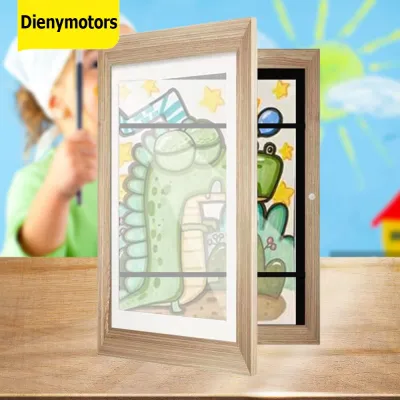
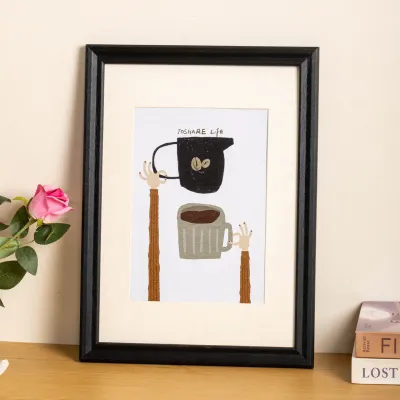
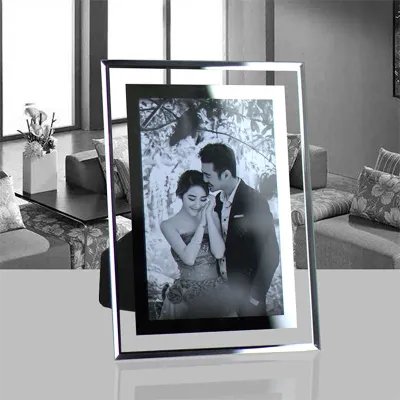
Prices are valid at publication and may change. Please refer to the product page for the latest price.
For a modern look that mimics glass without the associated hazard, acrylic is the premier alternative. Acrylic frames provide exceptional optical clarity, allowing drawings to stand out vividly. However, acrylic is highly susceptible to surface scratches and requires specialized, gentle maintenance to preserve its clear finish.
Critical Safety Standards to Check on Product Labels
When shopping for a kids art frame, safety must always take precedence over aesthetics. Children’s rooms are active environments where toys fly and furniture gets bumped. To protect your child from physical injuries and chemical exposure, inspect product labels and manufacturer specifications before purchasing.

First, verify that the frame is completely free of real glass. Standard glass poses an unacceptable laceration risk in a child’s bedroom. If a frame falls, glass shatters into sharp shards that are incredibly difficult to clean up completely. Look for labels specifying ‘shatterproof acrylic’ or ‘shatter-resistant plastic’ as the glazing material.
Chemical safety is another critical factor. Many cheap frames utilize engineered woods, such as medium-density fiberboard (MDF), which may contain adhesives that release formaldehyde. Additionally, cheap plastics or paints can emit volatile organic compounds (VOCs) or contain phthalates. Prioritize products labeled as non-toxic, BPA-free, and certified low-VOC, or those meeting international toy safety standards like EN71-3.
The overall weight of the frame directly correlates with the potential injury risk if it falls. A heavy frame hanging on a wall represents a constant hazard. For low-level displays, select lightweight materials like thin plastic or slim acrylic. If you choose a heavier wood frame, ensure the product specifications include heavy-duty, secure mounting brackets rather than simple, unreliable adhesive tape.
Finally, examine the physical construction of the frame’s edges. Sharp, 90-degree corners on heavy frames can cause painful bruises or cuts if a child bumps into them. Look for frames designed with rounded, softened, or beveled edges. If you find a frame you love that has sharp corners, consider applying soft silicone corner guards if the frame is positioned at your child’s eye level.
Durability and Daily Maintenance Compared
A kids art frame must endure a unique set of challenges, from flying toys to sticky, crayon-covered fingers. Understanding how wood, plastic, and acrylic respond to daily wear and tear will help you choose a material that maintains its appearance over the long term.
In terms of impact resistance, plastic is the undisputed leader. High-quality plastics like ABS can absorb significant physical shock without cracking or breaking. Acrylic is also highly shatterproof, but it is more brittle than plastic; a severe impact against a hard floor can cause it to crack or chip at the edges. Wood is structurally tough and will not shatter, but a hard drop can dent the corners, split the joints, or chip the painted finish.
When evaluating scratch and stain resistance, the comparison shifts. Acrylic is highly vulnerable to fine abrasions; even wiping it with a dry, dusty cloth or a rough paper towel can leave micro-scratches that dull its clarity over time. Plastic is more resilient against scratches, but cheaper, porous plastics can easily absorb pigments from markers or crayons, leading to permanent stains. Wood is highly resistant to surface scratches, but it is vulnerable to moisture damage, water rings, and deep gouges from sharp toys.
Daily cleaning routines must be tailored carefully to each material. For acrylic, you must avoid all ammonia-based glass cleaners, rubbing alcohol, and abrasive scrubs, as these chemicals cause ‘crazing’—a network of fine, microscopic cracks that permanently clouds the material. Instead, acrylic requires a specialized plastic cleaner or a simple mixture of mild dish soap and lukewarm water applied with a clean microfiber cloth. Plastic frames are highly chemical-resistant and can be wiped down with standard household disinfectants. Wood frames should only be wiped with a damp, well-wrung cloth, followed immediately by a dry towel, as excess moisture can seep into the joints and cause warping.
Long-term environmental factors also play a major role in durability, particularly in tropical climates like Singapore’s. High relative humidity can cause solid wood frames to warp or develop mold if they are not properly sealed with a high-quality, moisture-resistant lacquer. On the other hand, cheap plastic frames can degrade, turn yellow, and become brittle when exposed to direct sunlight streaming through a window for prolonged periods. High-quality, UV-stabilized acrylic and premium treated woods are much more stable under these environmental pressures.
Material Breakdown: Pros, Cons, and Best Use Cases
Wood Frames: Sturdy but Heavy
Wood frames are a traditional favorite, offering a timeless, organic look that brings warmth to a child’s bedroom. They provide a rigid, sturdy border that holds artwork flat and secure, making them ideal for showcasing special masterpieces or professional prints.
- Pros: Wood frames offer exceptional structural longevity and a premium, high-quality feel. They are rigid, meaning they will not bend or bow over time, and they can be sanded, repainted, or refinished if the style of the room changes.
- Cons: The primary drawback of wood is its weight, which increases the risk of injury if the frame falls. Additionally, poorly finished wood can develop splinters, and cheaper engineered wood is highly susceptible to swelling and warping in humid environments.
- Best Use Cases: Wood is best suited for older children's rooms where the risk of rough play is lower. They should be mounted high on the wall, well out of reach, or placed securely on deep, anchored display shelves where they cannot be easily tipped over.
Plastic Frames: Lightweight and Shatterproof
Plastic frames are the utility champions of children’s decor, designed to offer practical, worry-free display options at an affordable price point. They are engineered to prioritize safety and ease of use above all else.
- Pros: These frames are incredibly lightweight, eliminating the risk of serious injury if they fall. They are highly impact-resistant, cost-effective, completely waterproof, and immune to the warping effects of high humidity.
- Cons: Plastic frames generally have a less premium, more casual appearance than wood or acrylic. Over time, cheaper plastics can fade, yellow, or become brittle under direct sunlight, and the joints may loosen if the frame is dropped repeatedly.
- Best Use Cases: Plastic is the ideal choice for toddlers' bedrooms, playrooms, and high-traffic areas. They are perfect for low-height display shelves, floor-leaning arrangements, and interactive art stations where children frequently handle the frames themselves.
Acrylic Frames: Clear and Modern
Acrylic frames, often referred to as plexiglass, provide a sleek, minimalist aesthetic that mimics the high-end look of glass while eliminating the dangerous shatter risk. They are a popular choice for modern, contemporary children’s spaces.
- Pros: Acrylic offers outstanding optical clarity, often transmitting more light than traditional glass. It is lightweight, highly shatter-resistant, and provides a clean, floating look that makes the artwork the central focus of the display.
- Cons: The material is highly susceptible to surface scratching and attracts dust easily due to static electricity. Acrylic can also crack if subjected to extreme torsional stress or if mounted with overtightened screws.
- Best Use Cases: Acrylic is best for modern gallery walls, frameless displays, and wall-mounted art in medium-to-high positions. It is excellent for parents who want a sophisticated, clean look in a child's room without compromising on basic shatter safety.
Safe Installation and Hanging Practices for Kids' Rooms
No matter which material you choose, the safety of a kids art frame ultimately depends on how securely it is installed. Improperly mounted frames pose a constant hazard, especially in active spaces where walls may experience vibrations from slamming doors or energetic play.
When mounting frames on the wall, you must select the correct wall anchors based on the frame’s weight and your home’s wall construction. In Singapore, residential walls are typically made of solid concrete or sand-cement brick, which require a rotary hammer drill, masonry drill bits, and plastic wall plugs to expand securely. If you are mounting on drywalls or hollow partition walls, you must use specialized plasterboard anchors, such as toggle bolts or self-drilling metal anchors, rather than basic plastic plugs which can easily pull out under load.
Placement rules are critical for preventing nighttime accidents. Never hang heavy frames, particularly those made of wood, directly above a child’s bed, crib, or changing table. Even with professional-grade anchors, accidental bumps or structural settling can cause a frame to fall. If you must display art above a sleeping area, opt for ultra-lightweight plastic frames mounted with heavy-duty, damage-free adhesive strips that are rated for the specific weight of the frame, and verify that the adhesive is designed to withstand high humidity.
For added security on shelves, ledges, or low-hanging pieces, implement secondary safety measures. Use museum wax or adhesive putty on the bottom corners of wall-hung frames to prevent them from swinging, shifting, or being easily lifted off their hooks by curious hands. For frames placed on bookshelves or picture ledges, use anti-tip straps or safety tethers to secure the furniture and the frames directly to the wall studs.
If you are planning a large, heavy gallery wall, or if you are uncomfortable operating drills on solid concrete walls, do not hesitate to seek help. Consulting a qualified handyman or professional installation service ensures that your heavy decor is anchored safely and permanently, protecting your family from avoidable accidents.
Final Decision Framework: Which Frame Should You Buy?
To make your final decision, evaluate your specific household needs, your child’s age, and the layout of the room. Use this conditional framework to guide your purchase:
- Choose Plastic if: Your child is a toddler or preschooler, the frame will be placed within their reach, or you want an affordable, highly durable option for a playroom. Plastic provides the absolute highest level of impact safety and is completely worry-free.
- Choose Wood if: Your child is older, you want a classic, elegant aesthetic that matches the rest of your home's decor, and you can guarantee secure, permanent wall anchoring away from any sleeping or high-play areas.
- Choose Acrylic if: You want a sleek, modern, or frameless floating look with the visual clarity of glass but none of the shatter hazards, and you are committed to using specialized cleaning techniques to avoid surface scratches.
- Verify first if: The product description is vague. Always confirm that the 'glass' is actually a safe polymer alternative, check that the wood finishes are certified non-toxic, and ensure that the included hanging hardware is compatible with your specific wall type before finalizing your order.
Frequently Asked Questions (FAQ)
Can I use real glass frames in a child's room?
You should strongly avoid using real glass frames in a child’s bedroom, playroom, or any high-traffic family space. Glass is highly fragile and, if broken, shatters into extremely sharp, hazardous shards that can cause severe lacerations. Instead, substitute glass with high-quality acrylic or shatterproof plastic glazing, which offers identical visual clarity and light transmission while remaining completely safe if dropped or struck by toys.
How do I clean acrylic frames without scratching them?
To clean acrylic frames without causing scratches, always use a clean, high-pile microfiber cloth and a dedicated acrylic cleaner or a mild solution of dish soap and lukewarm water. Never use paper towels, polyester cloths, or kitchen sponges, as their fibers are abrasive enough to leave fine scratches. Additionally, avoid ammonia-based glass cleaners, household disinfectants, or rubbing alcohol, which will chemically attack the polymer, causing permanent cloudiness and micro-cracking.
Community discussion
Share your experience or ask a question. Comments are reviewed before publication.