
Finding the right curtain string lights to illuminate your Singapore home involves balancing aesthetic appeal with strict electrical safety and durability. With countless unbranded options flooding online marketplaces, identifying a high-quality product requires looking beyond the initial price tag. To secure a set of curtain lights that will last for years without presenting a safety hazard, you must focus on certified manufacturers, verified technical specifications, and robust physical construction.
In Singapore’s tropical climate, factors such as high relative humidity, ambient heat, and specific housing layouts—like HDB flats with concrete walls and sheltered balconies—directly influence how decorative lighting performs. Investing in a reputable brand or a verified, certified product ensures that the electrical components can withstand local conditions. This guide details the essential quality markers, safety standards, and installation practices to help you choose the best curtain string lights for your space.
By prioritizing products that carry local safety certifications and feature robust weatherproofing, you protect your home from electrical faults while enjoying consistent, flicker-free illumination. Whether you are decorating a cozy living room window, framing an HDB balcony, or preparing for a festive season, understanding these technical details will guide you to a smart, safe purchase.
Products mentioned in this guide
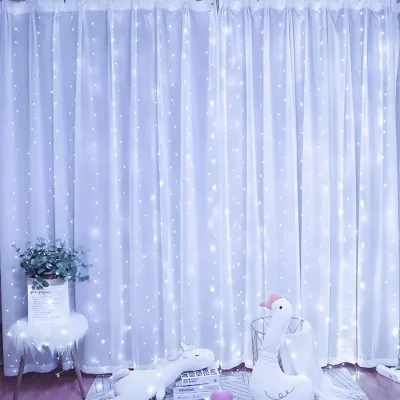
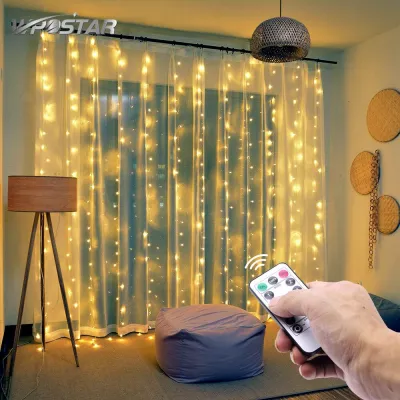
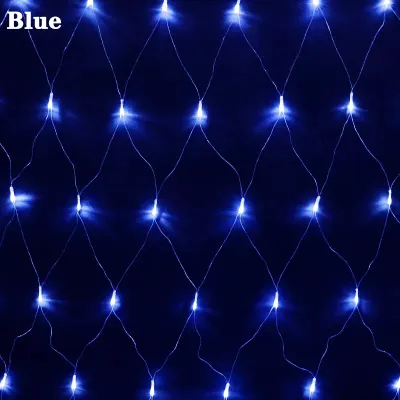
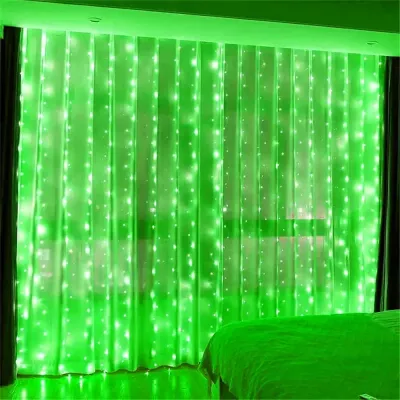
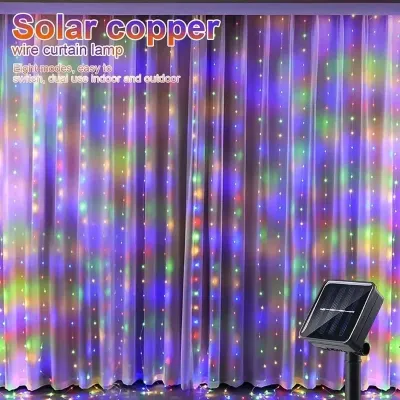
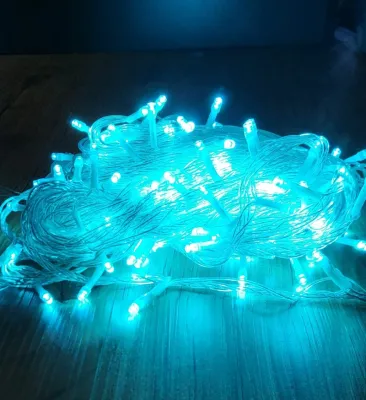
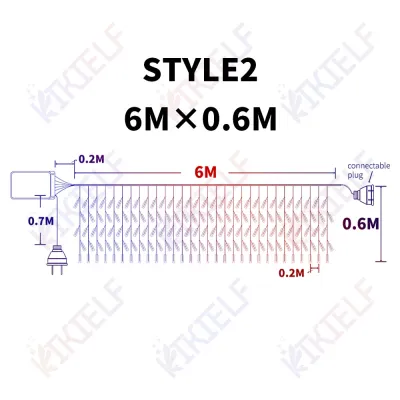
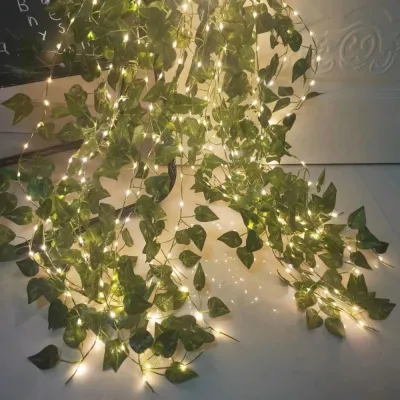
Prices are valid at publication and may change. Please refer to the product page for the latest price.
What Defines a Trustworthy Curtain Light Brand?
Evaluating the quality of curtain string lights requires looking closely at their physical construction. Trustworthy brands distinguish themselves by using heavy-gauge copper wiring rather than ultra-thin, fragile strands that easily snap under tension. The thickness of the wire insulation is a primary indicator of safety; high-quality brands use thick, flexible PVC or rubber coatings that protect the internal copper from oxidation and physical wear. Additionally, the soldering at the T-junctions—where the vertical light strands drop down from the main horizontal support wire—must be reinforced with molded plastic strain reliefs to prevent the connections from pulling apart during installation or wind exposure.
LED chip consistency is another hallmark of a reliable manufacturer. Reputable brands source their light-emitting diodes from consistent production batches, ensuring that every single bulb across the entire curtain emits the exact same color temperature and brightness. Low-quality alternatives often exhibit noticeable variations, with some strands appearing cooler or dimmer than others, which ruins the visual uniformity of the display. Furthermore, quality brands integrate stable resistors within the circuitry to regulate current flow, preventing individual LEDs from burning out prematurely or causing a cascading failure across the entire strand.
Durability in Singapore’s climate demands materials that resist environmental degradation. Standard plastics degrade rapidly when exposed to UV rays filtering through windows or on balconies, leading to yellowing, brittleness, and eventual cracking of the wire insulation. Trustworthy brands utilize UV-stabilized PVC or heavy-duty rubber that maintains its flexibility and clear appearance over years of use. They also design their light strings to handle the physical stress of repeated hanging, packing, and storing without internal wire fatigue.
Value for money should always be calculated over the product’s entire lifespan rather than its upfront cost. While a generic, unbranded curtain light set purchased from an online marketplace for a few dollars might seem appealing, it often lacks durability and safety features, requiring frequent replacement. A certified, brand-name set costing more initially delivers far better value by operating safely for thousands of hours, backed by a manufacturer warranty and consistent customer support. This longevity translates to a lower total cost of ownership and peace of mind regarding home safety.
Essential Specifications to Verify for Singapore Homes
When shopping for curtain string lights in Singapore, verifying electrical compatibility is paramount to prevent short circuits, electrical fires, or damage to your home’s wiring. Singapore’s electrical grid operates on a standard voltage of 230V AC at a frequency of 50Hz. Any mains-powered lighting product must be designed to handle this voltage safely. You must ensure that the product is equipped with a compatible power adapter or transformer that converts the mains voltage to a safe, low-voltage DC output (typically 5V, 12V, or 24V) before it reaches the light strands.

Using unadapted low-voltage imports designed for foreign markets without the correct, certified transformer is highly dangerous. If you plug a light set meant for a 110V system directly into a Singaporean 230V outlet without a proper step-down transformer, the unit will overheat rapidly, destroying the LEDs and potentially causing an electrical fire. Always verify that the power supply unit (PSU) is rated for an input of 220V–240V and output matches the requirements of the LED string. Furthermore, the power plug must comply with local standards, utilizing the Type G three-pin configuration, or be powered via a standard USB interface connected to a certified USB wall adapter.
Ingress Protection (IP) ratings are critical for determining where you can safely install your curtain lights. For strictly indoor environments, such as a dry living room or bedroom window, an IP20 rating is sufficient, as it provides basic protection against solid objects but no protection against moisture. However, if you plan to hang lights near open windows, on HDB common corridors, or across sheltered balconies and patios, you must select products with at least an IP44 rating. This rating ensures the lights are protected against splashing water from any direction and are resilient against Singapore’s high humidity and blowing rain. For fully exposed outdoor areas, such as open gardens or rooftop terraces, an IP65 or higher rating is mandatory to prevent water ingress from heavy downpours.
| Installation Environment | Recommended IP Rating | Key Protection Features |
|---|---|---|
| Indoor Living Areas & Bedrooms | IP20 | Basic dust protection, no moisture resistance |
| Sheltered Balconies & Corridors | IP44 | Splash-resistant, handles high humidity and light wind-blown rain |
| Exposed Gardens & Patios | IP65 | Dust-tight, water-jet resistant, handles heavy tropical downpours |
Material selection directly impacts both safety and aesthetics. Bare copper wire curtain lights, often referred to as micro-fairy lights, feature tiny LEDs embedded directly onto thin, flexible copper wire. These are highly malleable and virtually invisible when turned off, making them excellent for delicate indoor drapery. However, they are fragile and lack the heavy physical protection of PVC-coated wires. Thick PVC-coated wires are much more robust, making them the preferred choice for larger installations, outdoor use, and areas where the lights might be handled frequently. Regardless of the style, always check the manufacturer specifications to ensure the LEDs are rated for low heat emission, preventing any risk of scorching when draped directly against delicate fabric curtains.
How to Spot Reliable Brands and Avoid Low-Quality Alternatives
To navigate the crowded market of decorative lighting, you must know how to identify genuine quality and safety certifications. In Singapore, mains-powered electrical accessories, including the AC adapters and transformers used for LED string lights, are classified as Controlled Goods under the Consumer Protection (Safety Requirements) Registration Scheme. This means they must carry the distinctive SAFETY Mark, which features a unique eight-digit registration code. You can verify this code on the Enterprise Singapore database to ensure the power supply has been tested and certified safe for local use. For low-voltage USB-powered lights, look for recognized international safety certifications such as CE (Conformité Européenne) and RoHS (Restriction of Hazardous Substances) on the packaging, which indicate compliance with strict safety and environmental standards.
Buying from brands that offer a clear manufacturer warranty is one of the most reliable ways to avoid low-quality products. Reputable brands and authorized local distributors typically provide a minimum 6-to-12-month warranty on their decorative lighting products. This warranty serves as a guarantee of build quality and ensures you have access to customer support, returns, or replacements if a defect arises. Conversely, unbranded products sold by third-party merchants on e-commerce platforms rarely offer any post-purchase support beyond the platform’s standard return window, leaving you without recourse if the lights fail after a few weeks.
Analyzing product listings carefully can help you filter out substandard options before making a purchase. Be highly suspicious of listings that omit essential technical details, such as the brand name, exact wattage, input/output voltage, or IP rating. Reliable brands provide comprehensive specifications, clear installation instructions, and accurate physical dimensions. Red flags include the use of heavily photoshopped or stolen stock images, unrealistic lifespan claims (such as promising decades of continuous use without degradation), and an unusually low price that seems too good to be true. If a seller cannot provide clear documentation regarding safety certifications or electrical specifications, it is best to choose a different product.
Safe Installation and Maintenance Practices
Installing your curtain string lights safely protects both your home and the longevity of the product. When mounting lights near windows or doors, always prioritize damage-free hanging methods. Utilize removable adhesive hooks, tension rods placed within window recesses, or lightweight plastic S-hooks designed to hang directly from your existing curtain tracks. Never use metal staples, nails, tacks, or heavy-duty tape to secure the light strings. These mounting methods can easily pierce or pinch the outer PVC insulation, exposing the live copper wires underneath, which creates an immediate risk of electrical shock, short circuits, or localized overheating.
Proper power management is crucial when running decorative lighting installations. Avoid the temptation to daisy-chain multiple curtain light strings together unless the manufacturer’s instructions explicitly state that the specific model supports end-to-end connectivity. Overloading a single power adapter by connecting too many strands draws excess current, causing the transformer to run extremely hot and significantly increasing the risk of a fire. Always plug your curtain lights into a high-quality, surge-protected extension block or directly into a wall socket, and ensure the power adapter is placed in a well-ventilated area away from insulating fabrics, cushions, or enclosed spaces.
Maintaining your lights involves conducting routine safety checks to identify potential hazards before they escalate. Periodically run your hand along the length of the wire and over the transformer to check for unusual heat buildup; while LEDs run cool, the power adapter should only feel slightly warm to the touch, never hot. Inspect the wires for any signs of physical damage, such as cracking, fraying, or discoloration, and look out for flickering LEDs, which can indicate an unstable circuit. Always unplug the power supply from the wall socket when the lights are not in use, when you leave the house for extended periods, or during severe tropical thunderstorms to protect the delicate electronics from power surges caused by lightning strikes.
When handling or cleaning your curtain lights, always refer to the applied product’s label and the treated item’s manufacturer instructions first. If you are hanging the lights over delicate designer curtains, check the fabric’s care label to ensure it can tolerate close contact with low-heat electrical devices. If instructions conflict, the item is unidentified, or the safety of the setup is not covered by the documentation, stop and consult the manufacturer or a qualified professional before proceeding with the installation.
Frequently Asked Questions (FAQ)
Can I use indoor curtain lights on my HDB balcony?
No, you should not use indoor-rated curtain lights on an HDB balcony, even if the space is partially sheltered. Singapore’s tropical climate brings high relative humidity, heavy condensation, and driving rain that can easily bypass basic window screens or blow onto a balcony. Indoor lights, which typically carry an IP20 rating, lack the necessary seals to prevent moisture from entering the wire connections, LED housings, or control boxes.
Using them in semi-outdoor environments exposes the circuitry to water ingress, which can lead to corrosion, short circuits, tripped circuit breakers, or electrical shocks. Always check the product label and ensure the lights carry at least an IP44 rating for sheltered outdoor spaces, or an IP65 rating if they are fully exposed to the elements.
Do curtain string lights consume a lot of electricity?
Modern LED curtain string lights are highly energy-efficient and consume very little electricity compared to older incandescent decorative lights. A standard domestic LED curtain light set typically draws between 5 watts and 15 watts of power, depending on the total number of bulbs and the length of the strands.
To calculate the exact power usage and estimated running cost for your specific setup, locate the wattage rating printed directly on the power adapter or listed in the product’s technical specifications. Multiply this wattage by the number of hours you plan to run the lights daily, then divide by 1,000 to find the daily kilowatt-hour (kWh) consumption. You can then multiply this figure by your current local electricity tariff rate to determine the exact running cost, which typically amounts to only a few cents per day.
How do I untangle and store curtain lights without breaking them?
To prevent damage to the delicate internal copper wires and the outer PVC insulation, you must handle and store your curtain lights with care. Before taking down the lights, unplug the power source and let them cool completely. Gently bundle each vertical drop individually using soft twist ties or hook-and-loop straps before gathering the main horizontal line. This prevents the individual vertical strands from wrapping around each other and forming complex knots.
Once bundled, wrap the entire assembly loosely around a sturdy piece of clean cardboard or a dedicated plastic cord spool, ensuring you do not pull the wires tightly or bend them at sharp, restrictive angles. Store the wrapped lights in a sturdy, airtight plastic container placed in a cool, dry closet away from direct sunlight. This environment protects the PVC coating from Singapore’s high humidity and heat, preventing the insulation from becoming sticky, brittle, or degraded during storage.
Community discussion
Share your experience or ask a question. Comments are reviewed before publication.