
Finding the right wall lamp brands for Singapore corridors requires balancing space-saving designs, electrical safety compliance, and reliable local support. Because corridors in local Housing & Development Board (HDB) flats and private condominiums serve as high-traffic transitional zones, the ideal brands are those that prioritize slim profiles, durable materials, and certified electrical components. Rather than focusing solely on aesthetic appeal, homeowners must evaluate how a brand’s offerings handle the physical constraints of narrow walkways and the tropical climate’s ventilation challenges.
How to Evaluate Wall Lamp Brands for Corridor Use
Corridors in Singaporean homes, particularly in HDB flats and private condominiums, are highly functional transitional spaces. Unlike spacious living rooms or bedrooms where lighting can be layered and spread out, corridors are narrow, elongated, and often lack natural light. This architectural layout places unique demands on wall lamps. Because these fixtures are installed in high-traffic pathways, they must be exceptionally durable, space-efficient, and capable of providing consistent, glare-free illumination.
Evaluating brands requires looking beyond aesthetics to understand how their products perform under these specific spatial constraints. Electrical compliance and safety certifications are the most critical criteria when assessing any lighting brand. In Singapore, electrical accessories and controlled goods, including LED drivers and power adapters used in wall lamps, are regulated to ensure they meet stringent safety standards. Homeowners should prioritize brands that clearly document their compliance and display the Safety Mark on their electrical components.
Products mentioned in this guide
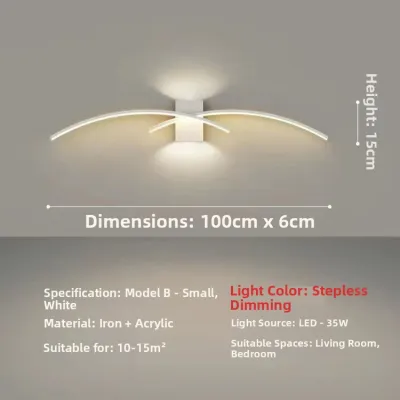
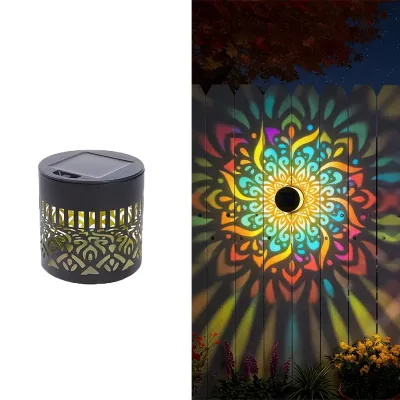
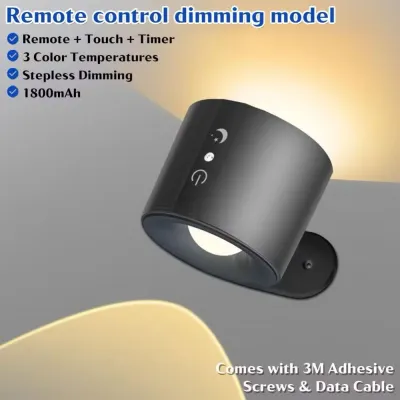
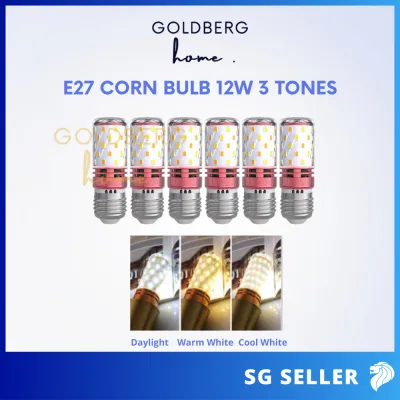
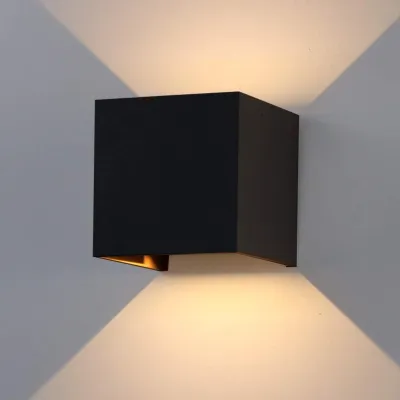
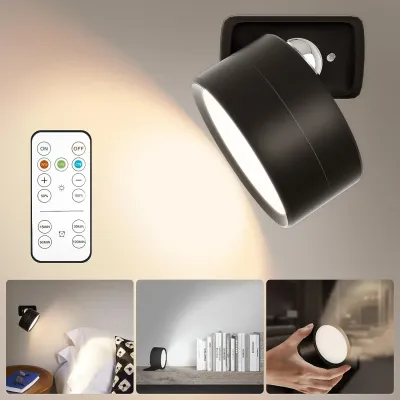
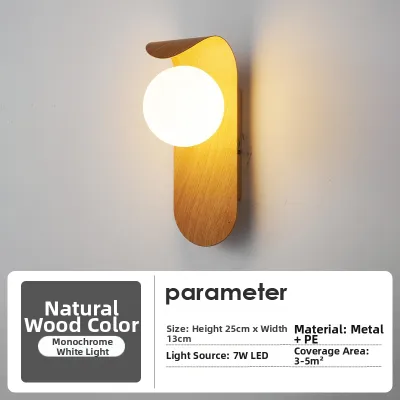
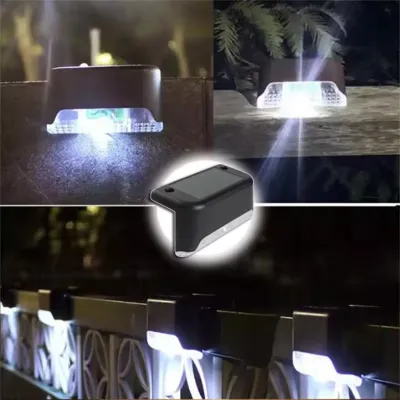
Prices are valid at publication and may change. Please refer to the product page for the latest price.
This mark indicates that the product has been tested by an accredited body and is safe for use with the local 230V electrical grid. Choosing certified products significantly reduces the risk of short circuits, electrical fires, or premature component failure in your home.
Build quality and material durability are equally important, especially given Singapore’s warm and humid tropical climate. Corridors, particularly those in the center of an apartment layout, often suffer from poor air circulation and heat retention. Brands that construct their wall lamps from high-grade materials like die-cast aluminum, brass, or premium powder-coated metals offer superior heat dissipation.
Efficient heat management is vital for integrated LED fixtures. Excessive heat buildup degrades the LED chips, leading to rapid loss of brightness, color shifting, and a significantly shortened lifespan. Avoid brands that rely heavily on cheap, thin plastics that can warp, discolor, or become brittle over time.
Finally, consider the brand’s warranty terms and the availability of local after-sales support. A long warranty period—ideally two to five years—demonstrates a manufacturer’s confidence in their product’s durability. Sourcing from brands with authorized local distributors or dedicated showrooms in Singapore provides peace of mind. If a driver fails or a specific mounting component is lost during installation, a brand with local support can quickly provide replacement parts, saving you from the hassle of replacing the entire fixture or waiting weeks for international shipping.
Essential Specifications for HDB and Condo Hallways
Selecting the right technical specifications is crucial to ensuring your corridor wall lamps provide safe, comfortable, and efficient lighting. The primary goal of hallway lighting is to guide movement safely without overwhelming the senses, especially during the middle of the night. To achieve this, pay close attention to lumen output and color temperature.

A lumen output of 300 to 600 lumens per fixture is generally sufficient for standard residential corridors. This level of brightness provides clear visibility without creating a harsh, clinical environment. For color temperature, warm white (2700K to 3000K) is highly recommended for creating a cozy, inviting ambiance, while neutral white (4000K) offers a cleaner, more modern look that enhances visibility for cleaning and maintenance.
Physical dimensions and protrusion limits are non-negotiable constraints in narrow HDB and condo hallways. Standard corridors often have limited width, meaning any fixture that sticks out too far from the wall poses a physical hazard. To maintain unobstructed walkways and prevent residents from accidentally bumping into the lights while carrying laundry, groceries, or furniture, look for low-profile wall lamps.
Ideally, select fixtures that protrude no more than 100 mm from the wall surface. This specification aligns with international accessibility guidelines, ensuring your hallway remains safe and easy to navigate for everyone, including children and the elderly.
Beam angle, diffuser types, and glare control features play a significant role in how light is distributed across the narrow space. Direct, unshielded light bulbs can create intense glare and cast sharp, dramatic shadows that make a narrow corridor feel even smaller and more claustrophobic. To prevent this, look for brands that design fixtures with high-quality diffusers, such as frosted glass, opal acrylic, or fabric shades.
These materials scatter the light evenly, creating a soft, ambient glow. Additionally, fixtures that direct light upward (uplights) or downward (downlights) use the wall and ceiling surfaces to bounce light. This indirect illumination makes the corridor feel wider and more open.
Before purchasing, always verify bulb compatibility, socket types, and the maximum wattage limits specified by the manufacturer. Wall lamps generally fall into two categories: integrated LED fixtures and those with replaceable bulbs (such as E27, E14, or GU10 sockets). Integrated LED lamps allow for incredibly slim, minimalist designs because they do not need to accommodate a bulky bulb socket.
However, they require replacing the entire driver or fixture if the light source eventually fails. On the other hand, fixtures with standard sockets offer greater flexibility, allowing you to choose your preferred bulb brand, smart bulb integration, and color temperature, provided you stay within the manufacturer’s safe wattage limits.
Matching Wall Lamp Styles to Your Corridor Layout
The layout, width, and ceiling height of your corridor should guide your choice of wall lamp styles. For narrow HDB corridors where space is at a premium, flush-mount and semi-flush sconces are the most practical options. These fixtures sit flat or very close to the wall, maximizing physical clearance while still delivering effective illumination.
Many contemporary brands offer sleek, geometric flush sconces in circular, square, or linear shapes. These designs blend seamlessly into modern minimalist, Scandinavian, or industrial interior design themes, providing light without cluttering the visual field.
If your home features a wider condominium hallway or an open-plan transitional zone, you can explore more expressive lighting designs, such as uplight and downlight sconces. Up-and-down lights cast distinct cones of light both upward toward the ceiling and downward toward the floor. This dual-direction lighting creates a beautiful architectural effect, adding depth, texture, and visual interest to long, plain walls.
By drawing the eye upward, these fixtures can also make corridors with standard ceiling heights feel taller and more spacious. This simple design choice transforms a basic pathway into a gallery-like experience.
Energy efficiency and convenience are major considerations for corridors, which are often windowless and may require lighting at various times of the day and night. Consider brands that offer integrated motion sensors or compatibility with smart home systems. Motion-sensor wall lamps automatically turn on when someone enters the hallway and switch off after a set period of inactivity.
This automation makes them highly energy-efficient and convenient for late-night trips to the kitchen. Smart-compatible fixtures allow you to integrate your corridor lighting with home automation systems, enabling you to program schedules, adjust brightness levels, and control the lights via voice commands or mobile applications.
To achieve a cohesive interior design, align the finishes and styles of your wall lamps with the adjacent architectural elements and hardware. Take note of the materials and colors used for your door frames, door handles, light switches, and nearby furniture. If your home features matte black door hardware, choosing wall lamps with a matching matte black finish creates a unified, intentional look.
For homes with warmer color palettes, brushed brass, bronze, or copper fixtures add a touch of elegance. Meanwhile, powder-coated white or satin nickel finishes complement cool-toned, contemporary spaces perfectly.
Safety, Installation, and Electrical Compliance
When planning your corridor lighting, safety, installation, and electrical compliance must be treated as non-negotiable priorities. In Singapore, the electrical system operates at a standard voltage of 230V AC at 50Hz. Because wall lamps are connected directly to your home’s electrical grid, ensuring that all components are safe and compliant is essential.
Always verify that the wall lamps, particularly their integrated LED drivers, external transformers, and power adapters, carry the Safety Mark. This certification ensures the product has been rigorously tested and approved for safe operation under local electrical conditions, protecting your home from electrical hazards.
Before mounting any wall lamp, it is crucial to assess the condition of your existing wall wiring, junction boxes, and the structural load limits of the wall itself. Many HDB flats feature solid concrete walls, which require specialized masonry drill bits, wall plugs, and sturdy mounting brackets to secure the fixture safely.
Conversely, some condominium units use drywall or partition walls in corridors. These require toggle bolts or anchoring into studs to support the weight of heavier metal or glass fixtures. Ensuring a secure physical mount prevents the fixture from loosening or falling over time due to vibrations or accidental impacts.
It is vital to understand the clear boundaries between DIY tasks and those that require a professional. While mounting a battery-operated, adhesive-backed light or plugging a pre-wired sconce into an existing wall outlet is safe for homeowners to do themselves, any work involving fixed electrical wiring must be handled by a licensed electrician.
This includes running new electrical cables behind walls, installing new junction boxes, or connecting a hardwired wall lamp to your home’s electrical circuit. Engaging a licensed professional ensures that the installation complies with local electrical codes, prevents dangerous wiring errors, and maintains your home insurance coverage.
Always carefully review the manufacturer’s installation manual for specific clearance requirements and safety guidelines. Some wall lamps, especially those utilizing halogen bulbs or high-wattage LEDs, can generate significant heat during operation.
The installation manual will specify the minimum safe distance the fixture must maintain from combustible materials, such as wooden door frames, wallpaper, curtains, or decorative wall panels. Adhering to these clearances prevents heat damage to your walls and eliminates potential fire risks, ensuring your corridor lighting remains safe for years to come.
Building Your Brand Shortlist and Sourcing Fixtures
Building a practical brand shortlist and sourcing your corridor wall lamps requires a systematic approach to balance cost, quality, and convenience. Start by establishing a realistic budget in S$ per fixture. Basic, functional wall lamps can start as low as S$30 to S$50, while designer brands, custom finishes, or smart-integrated fixtures can range from S$150 to over S$400.
To compare value effectively, consider visiting local lighting showrooms in Singapore. Seeing the fixtures in person allows you to evaluate the actual build quality, feel the materials, and observe the light output and color temperature in a real-world setting, which is often difficult to judge from online photos alone.
When browsing online home improvement stores or local showrooms, inspect the product labels, user manuals, and technical specifications carefully. Pay close attention to the Ingress Protection (IP) rating if your corridor is semi-open, exposed to the elements, or located near a bathroom where steam and moisture accumulate.
While standard dry-rated fixtures are perfectly fine for fully enclosed indoor hallways, semi-outdoor corridors or damp areas require at least an IP44 rating to protect the internal electrical components from dust and splashing water.
Evaluate the practical logistics of purchasing, including return policies, shipping protections, and local stock availability. Sourcing from brands or retailers that maintain local stock in Singapore is highly advantageous, as it minimizes project delays and ensures you can quickly obtain replacements if a fixture arrives damaged.
Additionally, check the retailer’s return policy. A flexible return window allows you to return or exchange the fixtures if you find that their physical dimensions, style, or light distribution do not fit your corridor layout as expected once you hold them up in the space.
Finally, cross-reference user reviews and community forums to gather feedback on long-term durability and performance. Look for reviews from local homeowners who have installed the same brands in similar tropical environments.
Pay attention to comments regarding how well the finishes resist tarnishing or rusting in Singapore’s humid climate, whether the integrated LED drivers remain silent during operation, and how responsive the brand’s customer service is when handling warranty claims or replacement requests.
Frequently Asked Questions (FAQ)
Do corridor wall lamps need to be dimmable?
While dimmable wall lamps are not strictly mandatory for corridors, they offer significant practical benefits for nighttime navigation. Lowering the brightness of your hallway lights during late-night hours prevents sudden, uncomfortable eye strain when walking from a dark bedroom to the bathroom or kitchen.
If you decide to install dimmable wall lamps, it is essential to verify the compatibility between the fixture, the LED driver, the bulb, and your wall-mounted dimmer switch. Incompatible components can lead to annoying issues such as flickering, buzzing, or a limited dimming range, so always check the manufacturer’s compatibility guidelines before purchasing.
What is the ideal mounting height for hallway wall lamps?
The standard recommended mounting height for corridor wall lamps is approximately 1.5 to 1.7 meters above the finished floor level. This placement positions the center of the fixture roughly at eye level for most adults, which helps prevent direct glare from the light source while ensuring even light distribution across the walkway.
However, you should adjust this height based on your home’s specific architectural features. For instance, if your corridor has lower ceilings, you may want to mount the fixtures slightly lower to maintain a balanced look, ensuring they clear any adjacent door frames, wall-mounted artwork, or decorative molding.
Community discussion
Share your experience or ask a question. Comments are reviewed before publication.