
The right fragrance can instantly transform your living space, making the holiday season feel warmer, cozier, and more inviting. Selecting the ideal christmas candle involves more than just picking a festive label; it requires understanding how different scent profiles interact with your home’s environment. In a tropical climate like Singapore, where the festive season is celebrated indoors under the cool comfort of air conditioning, a well-chosen home fragrance acts as an invisible decorator. It bridges the gap between the warm outdoors and the classic, cozy winter ambiance we associate with Christmas. By learning how to navigate holiday fragrance families, match scents to specific rooms, and evaluate candle quality, you can easily design a festive atmosphere that brings comfort to your family.
Understanding Christmas Fragrance Families
To narrow down your choices, it helps to understand the primary fragrance families associated with the holiday season. Each family evokes a distinct mood and serves a different purpose in your home decor.
Woody and evergreen scents, such as pine, cedar, fir, and cypress, are the quintessential aromas of a traditional winter forest. These earthy, resinous notes ground a room, providing a fresh, natural backdrop that is especially effective if you use an artificial Christmas tree. They bring a clean, crisp outdoor feel inside, making your living space feel expansive and grounded.
Products mentioned in this guide
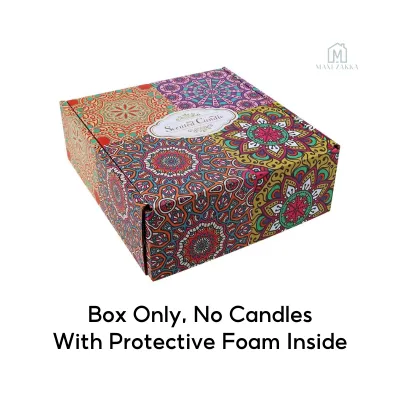
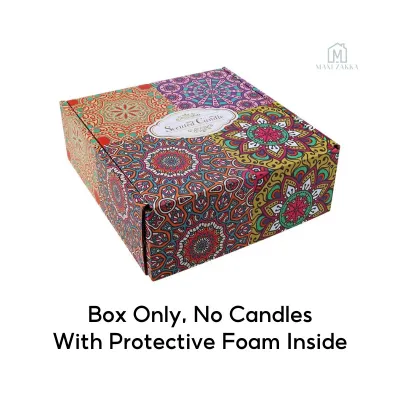
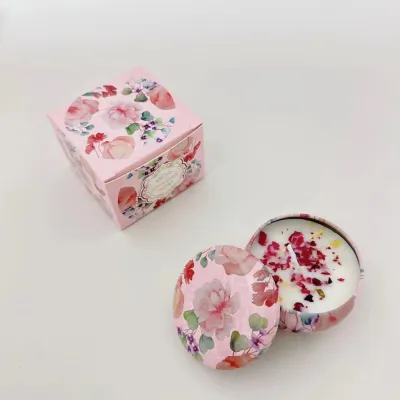

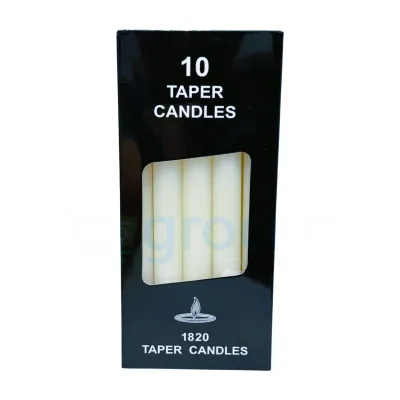
Prices are valid at publication and may change. Please refer to the product page for the latest price.
Warm and spicy scents, including cinnamon, clove, nutmeg, and ginger, offer an immediate sense of comforting warmth. These spices mimic the rich aromas of a crackling hearth, mulled wine, or spiced cider. They are highly effective at creating an intimate, welcoming environment that encourages guests to linger and converse.
Sweet and bakery scents, such as gingerbread, vanilla, caramel, and roasted chestnuts, tap directly into holiday nostalgia. These comforting, sweet aromas evoke memories of holiday baking and family gatherings. Because these scents can be quite rich, they work best when balanced with lighter undertones so they do not become overwhelming in enclosed spaces.
Bright and citrus scents, featuring orange, cranberry, pomander, and mandarin, provide a fresh, uplifting lift. These vibrant notes cut through the heavier, richer winter aromas, adding a sparkling, clean dimension to your home. They are particularly refreshing in tropical climates, offering a festive feel that remains light and breezy even on warm afternoons.
Matching Scents to Different Rooms in Your Home
Pairing specific fragrance profiles with the function, size, and airflow of different living spaces ensures your holiday ambiance feels natural rather than overwhelming. Every room in your home has a unique layout that interacts differently with scented wax.

For living areas and entryways, you want to make an immediate, welcoming impression. These high-traffic, open zones can handle stronger scent throws. Robust spicy blends or deep woody notes work beautifully here, setting a festive tone the moment anyone steps through the front door.
In dining spaces, the golden rule is subtlety. You want to avoid overpowering scents that compete with the actual aromas of your holiday feast. Opt for very light, clean fragrance profiles, such as a subtle mandarin or a mild, airy vanilla. These notes complement the food on the table rather than clashing with it.
Bedrooms and bathrooms serve as personal sanctuaries for relaxation. For these private spaces, choose softer, calming profiles that promote rest. A gentle evergreen blend, a soft lavender-infused pine, or a light, powdery sweet note can create a serene, spa-like holiday retreat without overwhelming the senses in a confined space.
Evaluating your home’s physical layout is crucial for determining how far a scent will travel. In typical apartments or HDB flats, rooms are often compact and frequently air-conditioned. Closed, air-conditioned spaces retain scent much longer, meaning a single medium-sized candle with a moderate scent throw is often sufficient. Conversely, open-plan living areas with high ceilings or active ceiling fans require candles with a stronger hot throw, or multiple smaller candles placed strategically, to ensure the fragrance circulates evenly without pooling in one corner.
Key Factors to Consider When Buying a Christmas Candle
Equipping yourself with practical criteria to evaluate candle quality, burn performance, and safety will help you choose a product that performs beautifully throughout the holidays. Look beyond the festive packaging to understand the materials used.
The type of wax used significantly impacts how cleanly the candle burns and how effectively it releases fragrance. Soy wax, coconut wax, and beeswax are popular natural options known for their clean, soot-free burn. Soy and coconut blends tend to have a lower melting point, which allows for a gradual, long-lasting scent release, while paraffin wax often offers a very strong scent throw but may produce more soot if not maintained properly.
Wick material plays a major role in both the burning experience and the auditory ambiance. Traditional cotton wicks offer a reliable, steady flame that is easy to maintain and trim. Wood wicks have grown in popularity because they produce a distinct, gentle crackling sound as they burn, mimicking a miniature fireplace. This auditory element adds a unique layer of cozy ambiance, though wood wicks can require more precise trimming and care to keep lit.
Understanding the difference between “cold throw” and “hot throw” is essential when selecting a candle. Cold throw refers to the intensity of the scent when the candle is unlit, while hot throw is the strength and reach of the fragrance once the wax pool heats up during a burn. A candle that smells incredibly strong on the shelf might have a subtle hot throw, while a milder-smelling cold candle might bloom beautifully once lit, so it is helpful to check manufacturer descriptions to gauge performance.
Always check the product specifications for estimated burn times, total wax weight, and vessel materials. High-quality vessels made of thick glass, ceramic, or metal are essential for safety, as they must withstand hours of heat without cracking. Ensure the weight-to-size ratio makes sense; a tiny candle will not sufficiently scent a large living room, regardless of how strong its fragrance oils are.
Safety and Care Tips for Holiday Candles
Enjoying your festive candles safely requires a few simple maintenance habits that also maximize their lifespan and protect your holiday decorations. Proper care ensures you get the most out of your investment.
To get the cleanest burn and prevent unsightly black soot, always trim the wick to the manufacturer’s recommended length—typically about 0.5 cm—before every single light. This simple step prevents the flame from growing too large, reduces flickering, and stops the candle from tunneling, which is when the wax burns straight down the center and leaves hard wax on the sides.
Keep your burning candles on flat, heat-resistant surfaces away from drafts, open windows, air conditioning vents, and ceiling fans. Drafts cause uneven burning and can blow soot onto your walls. Most importantly, keep candles far away from flammable holiday decorations, such as dried wreaths, tinsel, paper ornaments, and wrapping paper.
Limit your burning sessions to the maximum time recommended by the manufacturer, which is usually between 3 and 4 hours. Burning a candle for too long can cause the entire wax pool to liquefy, overheating the vessel and potentially degrading the delicate fragrance oils, which ruins the scent profile for future burns.
Never burn a candle all the way to the absolute bottom of the container. Stop using the candle when there is still a small layer of wax left, typically about 1 to 1.5 cm. Burning a candle without enough wax at the bottom can cause the glass or ceramic vessel to overheat rapidly, risking cracks, shattering, or damage to the furniture underneath.
Frequently Asked Questions (FAQ)
How can I make my Christmas candle scent last longer?
To preserve the fragrance integrity, always store your unused candles in a cool, dark place away from direct sunlight, and keep their lids securely fastened when not in use. This prevents the volatile fragrance oils from evaporating over time. Additionally, avoid excessively long burning sessions; burning a candle just until the wax pool reaches the edges of the vessel ensures you get the maximum scent throw without burning off the top notes too quickly.
Are wood wick candles better for a festive atmosphere?
Wood wicks excel at creating a cozy, multi-sensory experience because of their unique flame shape and the soothing, crackling sound they produce, which mimics a real wood-burning fireplace. However, they are not inherently superior at dispersing scent. The overall scent throw and burn quality depend primarily on the quality of the wax blend and the concentration of the fragrance oils, rather than the wick material itself.
Can I mix different Christmas candle scents in the same room?
You can mix scents, but it requires a thoughtful approach to avoid creating an overwhelming or clashing sensory experience. It is best to stick to one dominant fragrance profile per room, or pair complementary notes from different families. For example, a fresh pine candle pairs beautifully with a bright citrus candle, creating a balanced forest-and-fruit aroma. Avoid burning two heavy, competing scents—like a strong gingerbread and a rich smoky cedar—in the same immediate space.

Community discussion
Share your experience or ask a question. Comments are reviewed before publication.