
Decorating your home for the festive season is one of the most rewarding ways to welcome the year-end holidays. In Singapore’s unique housing landscape of Housing & Development Board (HDB) flats and private condominiums, creating an enchanting holiday atmosphere requires a thoughtful blend of creativity, spatial awareness, and safety compliance. Incorporating fairy lights into your christmas decor is an excellent, cost-effective way to transform compact urban spaces into warm, inviting sanctuaries.
Whether you want to illuminate a cozy bedroom nook, frame a panoramic balcony view, or establish a stunning focal point in your living room, understanding how to work within your home’s specific layout is key to a successful setup. By choosing the right types of lights and installing them safely, you can elevate your home’s aesthetic while respecting community guidelines and electrical safety standards.
Navigating Space and Rules: HDB vs. Condo Constraints
Before purchasing your lights, it is essential to understand how the physical characteristics and community guidelines of HDB flats and condominiums affect your decorating options. HDB flats often feature standardized layouts, with structural columns and ceiling heights typically ranging from 2.6 to 2.8 meters. Older resale flats might offer spacious, segmented rooms, while newer Build-To-Order (BTO) units favor open-plan living concepts with compact footprints. Condominiums, on the other hand, frequently showcase floor-to-ceiling glass windows, varying ceiling heights (sometimes exceeding 3 meters in loft units), and private enclosed spaces like balconies or patios that receive abundant natural light. These architectural differences dictate where and how you can hang your lights to maximize their visual impact without making the space feel cluttered.
Products mentioned in this guide
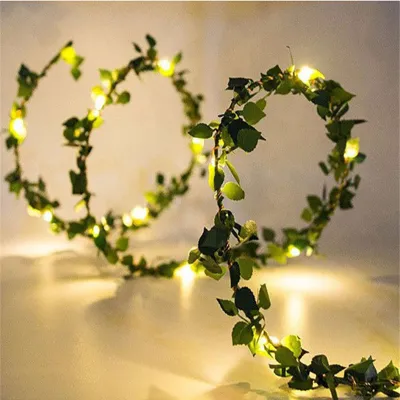
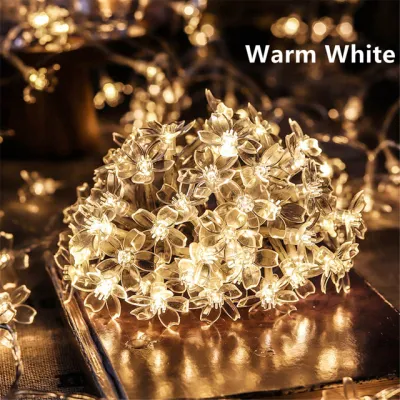
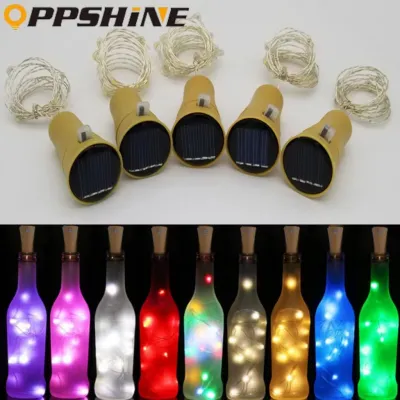
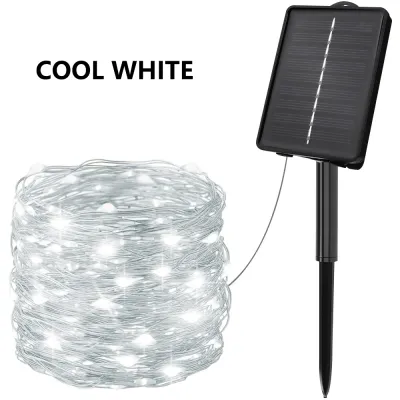
Prices are valid at publication and may change. Please refer to the product page for the latest price.
Beyond interior aesthetics, local regulations play a critical role in your holiday planning. For HDB residents, the common corridor is a shared space subject to strict Singapore Civil Defence Force (SCDF) fire safety guidelines. These rules mandate that common corridors must maintain a clear escape passage of at least 1.2 meters in width. Hanging loose, dangling fairy lights across corridors or wrapping them around shared handrails can create serious tripping hazards and obstruct emergency evacuation routes during a crisis.
Condominium residents face a different set of rules governed by their estate’s Management Corporation Strata Title (MCST). MCST by-laws often regulate the exterior appearance of the building to maintain visual uniformity. This means flashing, high-intensity, or multi-colored lights draped over balcony railings might be prohibited if they are highly visible from the street or neighboring units. Always review your specific estate’s handbook or consult your building management office before installing any external or semi-outdoor lighting displays to avoid compliance issues.
Living and Dining Areas: Creating a Festive Focal Point
The living and dining rooms are the heart of any holiday gathering, making them the perfect areas to showcase your main christmas decor elements. In a typical open-plan layout, you can use fairy lights to define distinct zones and draw the eye to specific design features. A highly effective technique is draping warm white string lights along curtain rods or window frames. This creates a soft, glowing backdrop that reflects beautifully off window glass, instantly making the room feel larger and more magical.

If you have a media console, running a delicate strand of micro-LEDs along the back edge or underneath the cabinet provides a subtle, modern underglow that enhances movie nights without causing screen glare. Ensure that these lights are kept clear of any ventilation ports on your electronic devices to prevent heat buildup.
The dining table serves as another excellent canvas for creative holiday lighting. Instead of traditional, bulky centerpieces that block conversation, try weaving battery-operated micro-LED copper wire lights through a low-profile garland of faux pine, eucalyptus, or pinecones. Alternatively, you can fill clean glass vases or mason jars with coiled fairy lights to create sparkling “firefly jars” that add instant warmth to your dinner setting. For homes with indoor potted plants like monstera or fiddle-leaf fig trees, wrapping the trunks or gently draping lights over the leaves integrates your existing greenery into the festive theme.
When choosing the color temperature of your lights, consider the overall mood you want to project. Warm white lights (around 2700K to 3000K) are ideal for creating a cozy, sophisticated, and traditional holiday environment that complements wooden furniture and warm color schemes. If you want to inject a vibrant, playful energy into your home, multi-colored or programmable RGB fairy lights offer dynamic patterns and color-changing sequences that can be customized via a smartphone app.
Safety and neatness are paramount in high-traffic communal areas. With family and guests moving around, exposed cables running across walkways present a significant tripping hazard. Always route your power cords along the baseboards and secure them using low-profile cable concealers or color-matching gaffer tape. If a cord must cross a walkway, cover it with a heavy, non-slip area rug or a dedicated rubber cable protector to ensure everyone can move around safely.
Bedrooms and Study Nooks: Designing a Cozy Ambience
Your bedroom or study nook should be a sanctuary of rest and focus, requiring a much softer, more intimate lighting approach than the lively communal areas. In these smaller spaces, the goal is to introduce a gentle, ambient glow that enhances relaxation rather than overwhelming the senses. Wrapping micro-LED copper wire lights around your headboard or weaving them through bed frame slats creates a whimsical, dreamlike canopy effect. If you have sheer bed curtains or drapes, hanging a vertical curtain of low-intensity fairy lights behind them diffuses the light beautifully, producing a soft, starry-night aesthetic.
For study desks, home offices, or vanity areas, you can use lights to personalize your space without cluttering your work surface. Backlighting a wire photo grid, a cork memo board, or the undersides of floating shelves adds a touch of festive cheer while keeping your desk clear for laptops and notebooks. Because these setups are typically close to where you sit, choosing battery-operated or USB-powered copper wire lights is highly recommended. These options eliminate the need for bulky wall adapters and messy cords, allowing you to power your lights directly from a laptop, monitor USB port, or a compact power bank hidden neatly behind a desk organizer.
To support healthy sleep hygiene and prevent eye strain, opt for fairy lights with dimmable features or warm, low-intensity color temperatures. Standard bright white lights can disrupt your circadian rhythm by mimicking daylight, making it harder to wind down at night. Dimmable warm lights allow you to lower the brightness as bedtime approaches, signaling to your body that it is time to rest while still keeping your room cozy and festive.
Balconies and Entryways: Outdoor Safety and Strata Rules
Balconies and entryways serve as the transition zones between your private sanctuary and the outside world, making them highly visible areas for festive cheer. However, these spaces demand extra caution due to environmental exposure and community regulations. For HDB entryways, the safest and most compliant approach is to keep your decorations strictly within your main door frame or entirely inside your home. Avoid running wires across the floor of the common corridor or hanging lights from the ceiling of the shared walkway, as these violate SCDF fire safety rules. A neat, vertical border of warm lights framed flush against your wooden door frame can look incredibly welcoming without encroaching on public space.
If you are decorating a condominium balcony, your primary concern is weather resistance. Singapore’s tropical climate is characterized by high humidity, intense heat, and sudden, heavy downpours, especially during the year-end monsoon season. Standard indoor fairy lights are not built to withstand these conditions and can short-circuit, crack, or pose electrical shock hazards when exposed to moisture.
Always select lights that are explicitly rated for outdoor use, with an Ingress Protection (IP) rating of IP44 or higher. An IP44 rating ensures the product is protected against splashing water from all directions, making it safe for semi-sheltered balconies. For fully exposed outdoor areas, look for IP65-rated lights, which offer complete dust protection and resistance to water jets.
Before setting up your balcony display, double-check your MCST guidelines to ensure your lighting choices do not cause light pollution or violate the building’s exterior uniformity. Avoid high-intensity flashing patterns that might disturb neighbors in opposite blocks. When securing your lights, avoid using standard packaging tape or duct tape; the intense tropical humidity and heat will quickly degrade the adhesive, causing your lights to fall and potentially leave unsightly, sticky residue on your walls or glass balustrades. Instead, use outdoor-safe, weather-resistant adhesive hooks or specialized suction cups designed to grip glass and exterior masonry securely in wet conditions.
Matching Fairy Light Types to Your Room's Needs
Selecting the perfect set of fairy lights involves matching the power source, wire material, and length to the specific requirements of each room. Understanding these technical specifications ensures your installation is both functional and durable.
Power sources vary widely, and each has its ideal application:
- Plug-In Lights: Best suited for long-term, high-output installations like your main living room Christmas tree or window borders. They provide consistent brightness without the need to replace batteries, but they do require close proximity to a wall outlet.
- Battery-Operated Lights: Highly portable and ideal for dining table centerpieces, wreaths, or temporary party setups where cords would look untidy.
- USB-Powered Lights: Perfect for study desks, bedside tables, or media consoles where you can leverage existing USB ports on computers, TVs, or phone chargers.
- Solar-Powered Lights: Excellent for sunny, unshaded condominium balconies. They automatically charge during the day and illuminate at night, saving energy, though their performance depends heavily on daily sunlight exposure.
The choice of wire material also impacts both aesthetics and durability:
- Flexible Copper Wire: These ultra-thin, bendable wires are perfect for delicate indoor tasks, such as wrapping around small plants, shaping into specific words or patterns on walls, or weaving through glass jars. They blend seamlessly into the background, leaving only the tiny LED points visible.
- Thicker PVC-Coated Wire: These robust, insulated wires are designed for heavy-duty use, outdoor installations, or areas where the lights will be handled frequently. The plastic coating protects the internal wiring from moisture, physical wear, and tension, making them ideal for balcony railings or large outdoor trees.
When estimating the length of lights you need, avoid guessing, as running short mid-installation can be incredibly frustrating. To frame a window or door, measure the perimeter and add about 10% to 15% to account for natural draping and slack. For wrapping a Christmas tree, a reliable rule of thumb is to use roughly 10 meters of lights (or about 100 LEDs) for every foot (30 cm) of tree height. If you plan to create a draped curtain effect behind your sheer curtains, measure the width of your window and multiply it by 1.5 to ensure you have enough slack to create beautiful, elegant waves. Always remember to measure the distance from the end of your lighted strand to the nearest power outlet, ensuring the non-lighted lead cord is long enough to reach without pulling the display taut.
Damage-Free Installation and Electrical Safety
Hanging your holiday lights should not result in damaged walls, ruined paint, or electrical hazards. By following a few best practices, you can ensure your home remains safe and pristine throughout the festive season and easy to clean up afterward.
To protect your walls and ceilings, avoid using nails, screws, or heavy-duty mounting tapes that can chip plaster or tear off paint when removed. Instead, opt for high-quality, damage-free removable adhesive hooks (such as Command strips) that are specifically rated for the weight of your lights and the texture of your wall surface. When applying these hooks, clean the surface with rubbing alcohol first, press the hook firmly for 30 seconds, and allow the adhesive to cure for an hour before hanging your lights. When the holidays are over, pull the adhesive tab straight down slowly to release the bond without damaging the wall.
Electrical safety is paramount when working with multiple light strands. Never “daisy-chain” or connect more light strands together than recommended by the manufacturer, as this can overload the circuit, damage the driver, or create a fire hazard. Always plug your lights into a high-quality extension cord or power strip that features built-in surge protection and carries the Enterprise Singapore Safety Mark, which ensures the product has been tested to meet local electrical safety standards.
Keep all fairy lights, even low-heat LEDs, away from highly flammable materials. Avoid draping lights directly against dry decorative elements, paper ornaments, or highly flammable sheer synthetic curtains. While LEDs emit significantly less heat than traditional incandescent bulbs, they can still warm up over extended periods of use.
To manage energy consumption and prevent overheating, integrate smart plugs or mechanical timers into your setup. Programming your lights to automatically turn on at sunset and switch off when you go to bed or leave the house ensures you save electricity and extends the lifespan of your lights.
Frequently Asked Questions (FAQ)
Can I hang fairy lights outside my HDB main door?
Common corridors in HDB estates are designated fire escape routes and must remain completely unobstructed under SCDF regulations. Hanging loose, dangling fairy lights across the corridor or wrapping them around public fixtures is prohibited as they present serious tripping hazards and can impede emergency evacuations. To decorate safely and legally, keep your lights entirely inside your home or mount them strictly flush within your private main door frame, ensuring no cords or fixtures protrude into the shared walkway.
How do I calculate the right length of fairy lights for a curtain or tree?
For a beautifully draped curtain effect, measure the width of your curtain rod and multiply it by 1.5 to allow for elegant, natural sagging. For a Christmas tree, a standard guideline is to use 10 meters of lights (approximately 100 LEDs) for every foot of tree height. Always add a buffer of 1 to 2 meters of non-lighted lead cord to ensure your lights can comfortably reach the nearest power outlet without being stretched tight or creating a suspended hazard.
Community discussion
Share your experience or ask a question. Comments are reviewed before publication.