
Yes, the CL610 ceiling light is highly suitable for standard Singapore HDB flats with 2.6-meter ceilings, provided you verify the specific variant’s physical dimensions and light output against your room’s requirements. Because a 2.6-meter clearance leaves little room for error, selecting a low-profile flush-mount fixture is essential to maintain safe headroom and prevent the space from feeling cramped. By calculating your exact clearance margins and matching the fixture’s diameter to your room’s scale, you can ensure a comfortable, well-lit home.
Understanding the 2.6m HDB Ceiling Constraint
In Singapore, HDB flats typically feature structural ceiling heights ranging from 2.6 meters to 2.8 meters. However, after accounting for floor screeding, tiles, vinyl sheets, or minor ceiling leveling, the actual clear height in many homes settles right at 2.6 meters. This restricted vertical space directly influences how light is distributed and how spacious a room feels to its occupants.
A low ceiling height carries a significant visual and psychological impact. When a bulky or excessively low-hanging light fixture is installed, it draws the eye downward and creates a heavy, oppressive atmosphere. This visual clutter can make even a spacious living room feel cramped and restrictive, detracting from the comfort of your living space.
Products mentioned in this guide
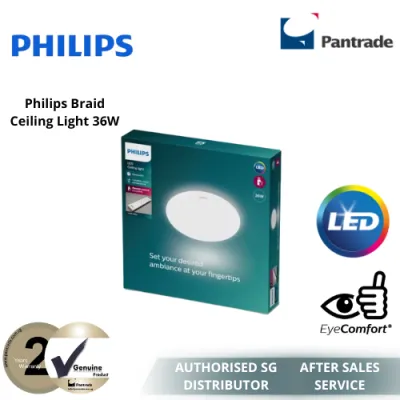
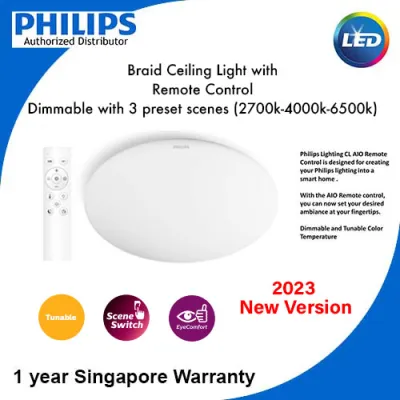
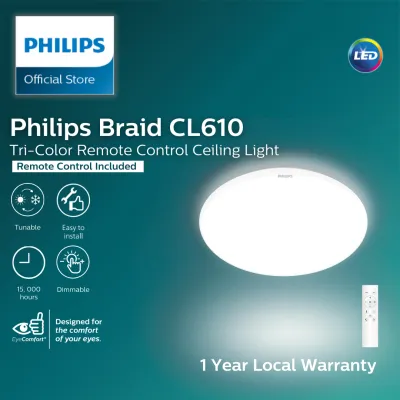
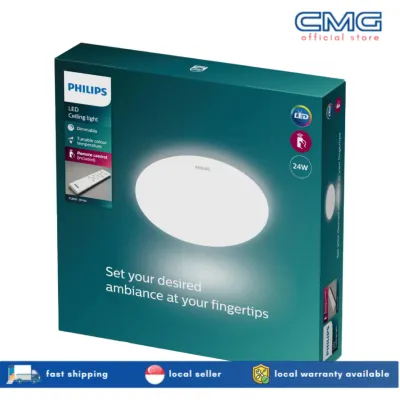
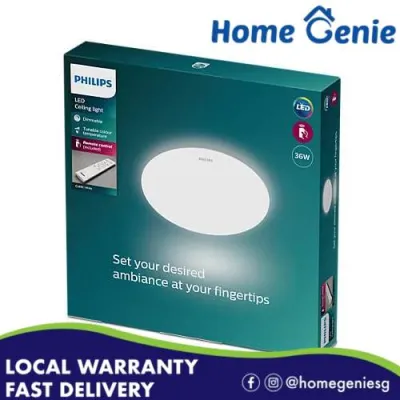
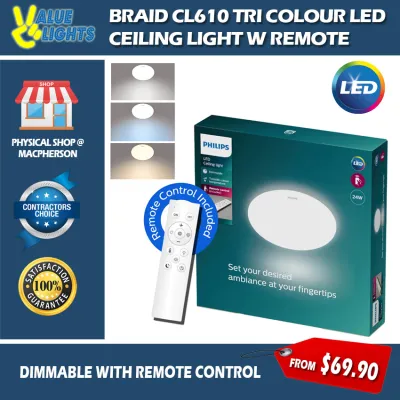
Prices are valid at publication and may change. Please refer to the product page for the latest price.
To maintain a safe and comfortable environment, interior designers rely on a standard rule of thumb: always preserve at least 2.1 meters to 2.2 meters of clear headroom from the finished floor to the lowest point of any ceiling fixture. This clearance ensures that family members can walk, stretch, and move items freely without the risk of colliding with the light, while keeping the light source comfortably above the primary line of sight.
Evaluating the CL610 Dimensions and Proportions
Before purchasing the CL610, you must look beyond the model name and verify its physical dimensions. Relying solely on a generic category label is insufficient, as manufacturers often release different generations or regional variations of a single model series. These variations can differ in thickness, mounting bracket design, or overall diameter, which directly impacts spatial compatibility.

Always consult the official manufacturer specification sheet for the exact CL610 SKU you intend to buy. This document provides precise measurements for the fixture’s thickness (total drop) and outer diameter. When reviewing the specification sheet, also verify that the CL610’s electrical specifications align with Singapore’s standard 220V-240V voltage, check its wattage limits and dimming method compatibility (especially if you plan to use a wall dimmer), and ensure it carries the local Safety Mark certification for peace of mind. Additionally, confirm the fixture’s IP rating is suitable for your intended installation environment; standard dry indoor areas like living rooms and bedrooms are ideal, whereas damp areas like bathrooms require specialized water-resistant ratings.
Checking Fixture Thickness and Headroom
To determine if the CL610 will leave adequate headroom in your HDB flat, subtract the fixture’s total thickness—including its mounting base—from your ceiling height. For example, if your ceiling is exactly 2.6 meters (260 cm) and the CL610 variant has a slim profile of 7 centimeters (70 mm), the remaining headroom will be 2.53 meters. This easily clears the recommended 2.1-meter safety threshold.
Comparing flush-mount fixtures to semi-flush mounts highlights why profile thickness matters on a 2.6-meter ceiling. Semi-flush fixtures often drop by 20 to 30 centimeters, reducing the clearance to 2.3 meters or less. While this might be acceptable over a dining table, it can feel visually intrusive in high-traffic areas. True flush-mount designs like the CL610 sit tight against the ceiling, preserving vertical space and creating a cleaner visual plane.
If a fixture drops below the 2.1-meter safety threshold in a walkway, it becomes a physical hazard. Everyday tasks such as changing bedsheets, lifting a child, or carrying tall items can result in accidental impacts. Keeping the fixture profile as slim as possible is the safest approach for standard HDB heights.
Assessing Diameter and Room Scale
While vertical clearance is critical for safety, the horizontal proportion of the fixture dictates the visual balance of the room. A common guideline for matching a ceiling light’s diameter to a room’s scale is to add the room’s length and width in meters, then multiply that sum by 10 to find the ideal fixture diameter in centimeters. For instance, a bedroom measuring 3 meters by 3 meters has a sum of 6, making a 60-centimeter diameter fixture visually appropriate.
Installing an oversized CL610 variant in a small HDB bedroom can visually overwhelm the space, making the walls feel as though they are closing in. Conversely, selecting an undersized variant for a spacious 5-meter by 4-meter living room will result in a fixture that looks visually lost and fails to distribute light adequately to the corners of the room.
Achieving visual balance requires evaluating each room individually. For larger communal spaces like living and dining areas, you might choose a larger-diameter CL610 to serve as a central design element, whereas bedrooms and utility corridors benefit from more modest, scaled-down diameters that blend seamlessly into the ceiling plane.
Lighting Performance and Visual Comfort at 2.6m
Because a 2.6-meter ceiling places the light source closer to eye level, visual comfort is a primary consideration. Direct, unshielded light bulbs can cause intense glare and eye strain. To prevent this, ensure the CL610 model you select features a high-quality frosted cover or diffuser that scatters the light evenly across the room, eliminating harsh hotspots.
Color temperature and brightness also play a pivotal role in how we perceive spatial volume. Homeowners often choose between warm white (3000K), cool white (4000K), or daylight (6500K). While these are conditional preferences based on personal taste, cool white or daylight tones tend to make spaces feel more open, crisp, and expansive, which can visually elevate a 2.6-meter ceiling. Warm white creates a cozy, intimate environment but can sometimes make a low-ceilinged room feel slightly more enclosed if the light output is insufficient.
To ensure your room is neither underlit nor blindingly bright, check the CL610’s lumen output and beam angle specifications. For standard HDB rooms, a wide beam angle of 120 degrees or more is highly recommended. A wide angle allows the light to wash over the upper portions of the walls and spread evenly across the ceiling, reducing the “cave effect” where the top half of the room remains dark. Ensure the total lumen output matches the specific room’s function—typically around 1,500 to 2,500 lumens for a standard bedroom, and 3,000 to 4,500 lumens for a larger living room.
Installation Clearances and HDB Safety Checks
Installing any electrical fixture in an HDB flat requires strict adherence to local safety regulations and structural guidelines. Before mounting the CL610, verify the existing ceiling junction box’s weight limit and the condition of the wiring. While modern LED flush mounts are relatively lightweight, older HDB flats may have degraded plastic boxes or outdated wiring insulation that cannot safely support new fixtures.
A critical structural consideration in HDB renovations is the preservation of building integrity. You must never drill directly into structural concrete beams, pre-stressed slabs, or columns to mount a light fixture. Doing so can compromise the structural safety of the building and violates HDB renovation guidelines. Additionally, always use a reliable wall scanner to check for concealed electrical conduits or water pipes before drilling any mounting holes into the ceiling.
Electrical safety should always be your top priority. Before attempting any installation, maintenance, or inspection, you must isolate the power supply by turning off the appropriate circuit breaker at your home’s main distribution board (DB box). Do not rely solely on the wall switch to cut the power, as improper wiring can still leave live currents running to the fixture.
If you discover that your home’s wiring is outdated, if the CL610 requires specialized mounting brackets that do not align with your existing ceiling box, or if the installation involves complex rewiring, do not attempt a DIY installation. Instead, consult an Energy Market Authority (EMA) licensed electrician in Singapore. A qualified professional will ensure that the fixture is safely wired, properly grounded, and compliant with local electrical standards, protecting your home from potential electrical hazards or fire risks.
Frequently Asked Questions (FAQ)
This section provides a quick reference for common spatial and installation dilemmas encountered when selecting ceiling lights for low-ceiling HDB flats.
Can I install a false ceiling in my 2.6m HDB flat to hide wiring?
Installing a false ceiling in a flat with an initial height of 2.6 meters requires careful consideration. A standard false ceiling typically drops the height by 10 to 15 centimeters to accommodate electrical wiring and housing for recessed downlights. This reduction brings your clear ceiling height down to roughly 2.45 meters, which can make the space feel significantly more confined. If you want to keep your room feeling open and airy, consider space-saving alternatives such as surface-mounted plastic trunking painted to match your ceiling, slim flush-mount lights like the CL610, or perimeter cove lighting.
How do I clean a flush-mount ceiling light without damaging it?
Keeping your flush-mount ceiling light clean ensures optimal light output and extends its lifespan. Before performing any cleaning, always turn off the power at the wall switch and, for safety, at the main distribution board. Allow the fixture to cool down completely. Use a clean, dry, or slightly damp microfiber cloth to gently wipe away dust and insect debris from the diffuser. Avoid using harsh chemical cleaners, abrasive pads, or solvents, as these can react with the diffuser’s material—whether it is acrylic, polycarbonate, or glass—causing clouding, yellowing, or permanent scratches. Always check the manufacturer’s specific care instructions for the CL610 to maintain its pristine appearance and structural integrity.
Community discussion
Share your experience or ask a question. Comments are reviewed before publication.