
Selecting the right material for a Ganesh idol depends entirely on how you plan to use it. If you intend to perform a traditional water immersion (Visarjan), natural clay is the most appropriate choice. For a permanent, heirloom-quality centerpiece for daily worship, brass offers unmatched durability. Meanwhile, resin provides a lightweight, highly detailed, and budget-friendly option for long-term indoor display. Understanding these core differences will help you align your purchase with your spiritual practices, space constraints, and maintenance preferences.
Defining Your Worship and Display Goals
Before browsing designs, clarify the primary purpose of your Ganesh idol. A fundamental distinction exists between temporary idols meant for festival immersion and permanent deities intended for a home altar or decorative shelf. If your family observes the annual tradition of Visarjan, the material must be fully biodegradable and water-soluble to respect both ritual guidelines and environmental safety.
For a permanent home altar, longevity and maintenance become your primary considerations. Heavy materials like brass require sturdy, stable surfaces, whereas lighter options can sit safely on floating shelves or glass-fronted cabinets. In modern apartments, such as those in Singapore, space is often at a premium, making the physical footprint and weight of the idol critical factors in your decision.
Products mentioned in this guide
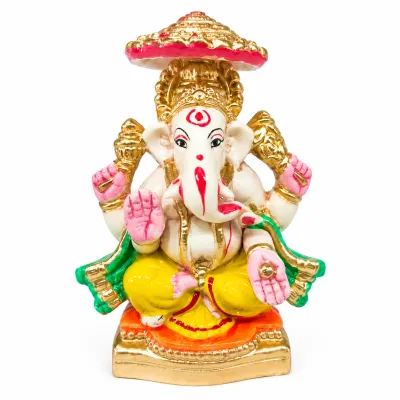
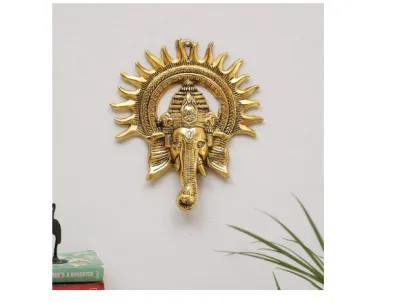
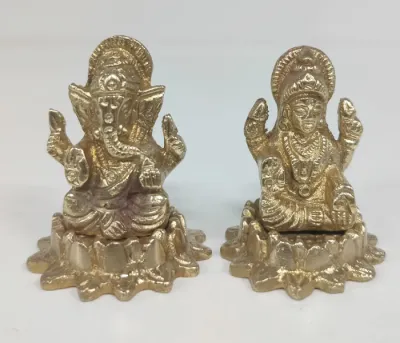
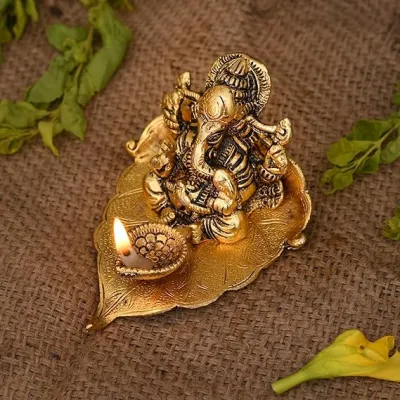
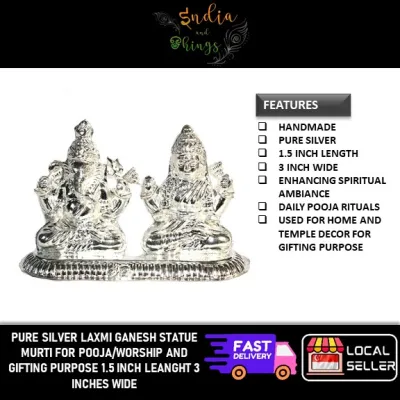
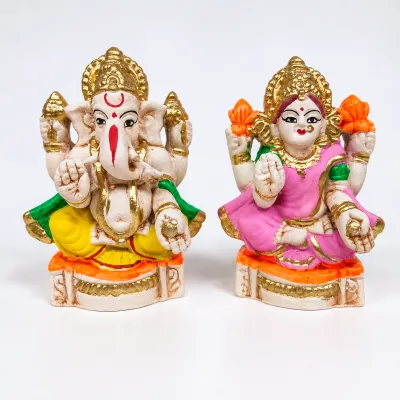
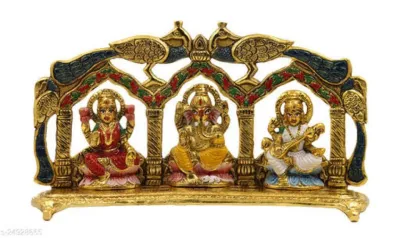
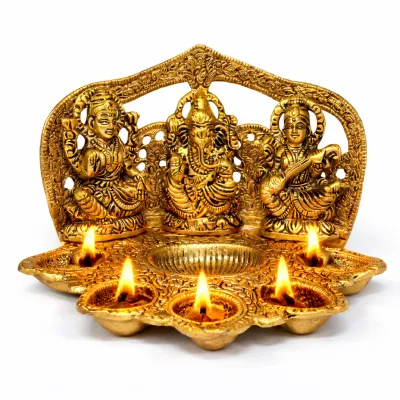
Prices are valid at publication and may change. Please refer to the product page for the latest price.
Your choice should also align with your daily routine. A permanent brass idol demands regular upkeep to maintain its luster, while a decorative resin piece requires minimal attention beyond occasional dusting. By identifying your physical space constraints, ritual intentions, and willingness to perform regular maintenance, you can narrow down the material options to the one that fits your lifestyle.
Comparing Common Ganesh Idol Materials
To choose the right Ganesh idol, you must evaluate how different materials perform across several practical categories. The most important criteria include structural longevity, environmental impact, total weight, and the level of visual detail.

Each material offers a distinct set of characteristics that appeals to different household needs. By comparing clay, brass, and resin against these criteria, you can determine which material best supports your worship practices and complements your home decor.
Clay (Shadu Mati): Traditional and Eco-Friendly
Natural clay, often referred to as Shadu Mati, is the traditional material used for crafting Ganesh idols, especially for festival celebrations. This earth-based material is highly valued for its ability to dissolve completely in water, allowing for a seamless and environmentally responsible Visarjan. When immersed, a natural clay idol returns to the earth without leaving harmful residues behind, making it the ideal choice for eco-conscious households.
However, clay idols are inherently fragile and require delicate handling. They are susceptible to cracking if exposed to sudden temperature changes or high humidity before immersion. Transporting a clay idol demands extreme care, as even minor bumps can cause chips or structural damage.
When purchasing a clay idol, it is essential to verify the finishes used by the artisan. To ensure the piece is truly eco-friendly, check that the paints are natural, organic, or water-soluble vegetable dyes. Unpainted clay idols are also an excellent option, offering a rustic, minimalist aesthetic while guaranteeing a completely non-toxic immersion process.
Brass: Durable and Heirloom-Quality
For those seeking a permanent addition to their home altar, brass is a premier material that offers exceptional durability. A brass Ganesh idol carries a substantial weight and a solid physical presence, conveying a sense of permanence and reverence. Over time, brass naturally develops a rich patina, which many practitioners believe adds to the spiritual character and antique beauty of the deity.
While brass is highly durable, it represents a higher initial financial investment compared to clay or resin. It also requires a commitment to regular maintenance. To keep the metal from tarnishing, you will need to polish the surface periodically using specialized metal cleaners or traditional natural mixtures, depending on the manufacturer’s recommendations.
When shopping for a brass idol, it is important to verify the quality of the metal. Ensure the piece is cast from solid brass rather than being a lightweight plated alternative, as solid brass ensures the heirloom quality required to pass the idol down through generations.
Resin: Detailed, Lightweight, and Accessible
Resin has become an increasingly popular material for home decor and spiritual figurines due to its versatility and affordability. Synthetic resin allows artisans to capture incredibly intricate details, sharp lines, and vibrant color schemes that are difficult to achieve with traditional clay or cast metal. This makes resin idols highly appealing for those who appreciate complex, modern artistic expressions.
Because resin is lightweight, these idols are easy to move, reposition, and place on delicate shelving units without worrying about structural load limits. However, resin is a non-biodegradable synthetic polymer, meaning it is strictly suitable for permanent indoor display and must never be used for water immersion rituals.
When selecting a resin idol, pay close attention to the quality of the paint and the overall construction. Low-grade resin can become brittle over time, and the painted finishes may chip or fade if the idol is placed in direct sunlight or exposed to harsh cleaning agents. Inspecting the manufacturer’s specifications regarding UV resistance and paint durability can help ensure your idol retains its vibrant appearance.
Practical Buying Checklist for Your Space
Before finalizing your purchase, take precise measurements of the designated altar, niche, or display shelf. Ensure there is sufficient clearance around the idol for decorative elements, offering lamps, or incense holders without crowding the space. A cramped setup can detract from the visual appeal and make daily rituals more difficult to perform safely.
Next, verify the weight of the chosen idol against the load-bearing capacity of your furniture. While a small resin or clay piece can sit safely on almost any surface, a large solid brass idol requires a sturdy wooden console or a reinforced stone altar. Placing heavy metal objects on glass shelves or lightweight floating brackets can pose a safety hazard.
Budget is another practical factor to consider, especially when factoring in shipping and handling. In Singapore, purchasing a heavy brass idol online may incur significant shipping fees due to its weight, potentially raising the total cost well beyond the initial price tag. Compare local retail options against online marketplaces, and ensure you calculate the complete cost in S$ before making a decision.
Material-Specific Care and Maintenance
Proper maintenance is key to preserving the beauty and integrity of your Ganesh idol over time. For clay idols, moisture is the primary hazard; always handle the piece with completely dry hands and avoid using wet cloths or liquid cleaners, which can cause the clay to soften or dissolve prematurely. Instead, use a dry, soft-bristled brush to gently remove dust from the crevices.
Brass idols require a different approach to prevent oxidation and tarnishing. Regular dusting with a clean microfiber cloth is essential, and you should apply manufacturer-approved brass polishes periodically to restore its original shine. Avoid using harsh abrasive pads or acidic household cleaners, as these can scratch the metal or strip away protective lacquers.
Resin idols are relatively low-maintenance but still require protection from environmental factors. Dust them regularly with a soft, dry cloth or a feather duster to prevent buildup in the detailed carvings. Keep resin pieces away from direct sunlight and heat sources, as prolonged UV exposure can cause the synthetic material to warp and the colors to fade. Regardless of the material you choose, always consult the maker’s specific care instructions before applying any cleaning solutions.
Frequently Asked Questions (FAQ)
Can I immerse a painted clay idol in water?
Only clay idols decorated with natural, non-toxic, and water-soluble paints are safe for traditional water immersion. Many commercial paints contain heavy metals or synthetic binders that do not dissolve and can contaminate local water sources. Before purchasing an idol for Visarjan, review the product specifications or ask the artisan for certification confirming that only organic vegetable dyes or natural pigments were used.
How do I prevent my brass Ganesh idol from tarnishing?
To prevent tarnishing, keep your brass idol in a dry, well-ventilated environment away from high humidity, steam, or direct contact with water. If you use water or liquid offerings during daily prayers, dry the idol immediately with a soft microfiber cloth. Applying a thin layer of specialized wax or using manufacturer-recommended metal protectors can also help seal the surface against air and moisture, extending the time between polishes.
Community discussion
Share your experience or ask a question. Comments are reviewed before publication.