
Selecting the ideal display holder for your wall art is a balance of structural safety, aesthetic preference, and functional flexibility. Whether you are showcasing delicate paper prints, heavy framed canvases, or a rotating gallery of mixed-media pieces, the mounting mechanism you choose dictates how securely your art is held and how easily it can be updated. Clip frames, floating shelves, and gallery rail systems each offer distinct advantages tailored to different art formats, wall types, and display goals.
By matching your art’s weight, thickness, and fragility to the correct mounting mechanism, you can create a secure and visually striking gallery. Understanding the physical demands of your collection and the structural limits of your walls prevents costly damage to both your artwork and your home. This guide breaks down the mechanics, suitability, and installation requirements of the three primary display holder types to help you make an informed decision.
Assessing Your Wall Art and Display Goals
Before purchasing any display hardware, you must evaluate the physical characteristics of your art collection. Heavy, glass-fronted frames exert significant downward and pulling forces on wall anchors, whereas unframed paper prints require delicate handling to prevent bowing or tearing. Measuring the weight, thickness, and overall dimensions of each piece establishes a baseline for the load capacity your display holder must support.
Products mentioned in this guide
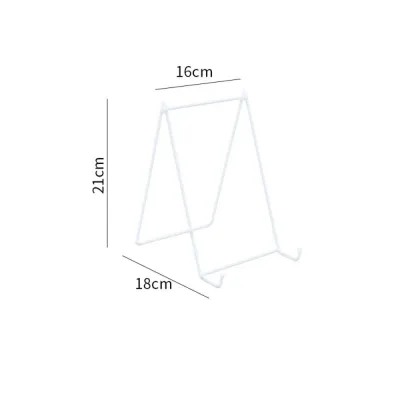

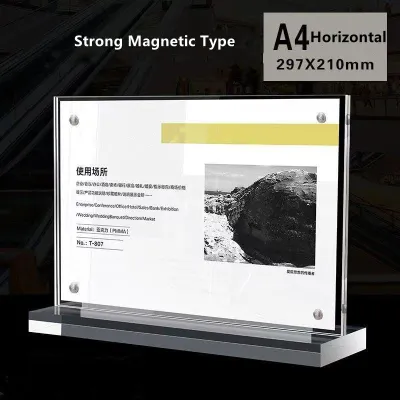
Prices are valid at publication and may change. Please refer to the product page for the latest price.
Your long-term display habits also play a critical role in this decision. If you are an active collector who enjoys rotating artwork seasonally or updating family photos frequently, a system that requires patching and repainting walls with every change is highly impractical. Conversely, if you plan to install a permanent, curated collection that will remain untouched for years, a fixed mounting solution offers unmatched stability and a clean, integrated look.
Wall surface materials and structural constraints are equally decisive factors. Drywall, plaster, concrete, and brick each react differently to fasteners and load distribution. Renters must often prioritize low-impact or completely reversible mounting solutions to preserve their security deposits, while homeowners have more freedom to install heavy-duty, stud-anchored systems. Assessing your wall’s load-bearing capacity and your personal tolerance for drilling holes will narrow down your options immediately.
Finally, consider your visual style preferences and spatial constraints. A minimalist interior benefits from clean lines and hidden hardware, whereas an eclectic space might welcome the layered, casual look of overlapping frames on a ledge. High ceilings present unique opportunities for vertical displays, but they also make accessing high-mounted hardware more challenging, requiring systems that simplify adjustments from ground level.
Clip Frames: Best for Lightweight Prints and Frequent Swaps
Clip frames are a minimalist, frameless display holder option designed to keep the focus entirely on the artwork. The mechanism typically consists of a rigid backing board, a front sheet of protective glass or acrylic, and several spring-tension metal or plastic clips. These clips clamp the edges of the sandwich together, securing the artwork in place while serving as the mounting point or hanging loop on the back.

This display holder is exceptionally well-suited for lightweight, flat, and flexible art formats. Standard paper prints, posters, photographs, thin cardstock, and delicate sketches benefit from the uniform pressure of a clip frame, which prevents the paper from curling or warping over time. Because there is no border or decorative molding, clip frames maximize the visible area of the print, making them ideal for edge-to-edge graphics and modern photography.
However, clip frames have strict physical limitations regarding weight capacity, thickness, and edge protection. Because they rely on spring tension to hold the assembly together, they cannot accommodate thick mats, stretched canvases, or heavily textured mixed-media pieces. The exposed edges of the glass or acrylic front sheet are also vulnerable to chipping if handled roughly, and the clips themselves can indent or scratch delicate paper if not positioned carefully.
When selecting clip frames, always verify the manufacturer’s specifications for maximum grip thickness and overall load limits. Ensure the backing board is made of a stable, acid-free material to prevent chemical degradation of your prints over time. If you plan to hang these in high-traffic areas, look for models featuring shatter-resistant acrylic fronts rather than traditional glass to minimize safety risks in the event of an accidental fall.
Floating Shelves: Ideal for Mixed Media and Layered Displays
Floating shelves and picture ledges serve as highly versatile display holders that transition wall art from static hanging pieces into dynamic, three-dimensional installations. Unlike standard shelves, a dedicated picture ledge features a shallow depth and a raised front lip designed to prevent frames from sliding off. This structural design allows you to lean framed art, unframed canvases, and decorative objects directly against the wall.
This setup is ideal for creating layered, overlapping displays of varying heights and widths. You can place larger, heavier frames at the back to act as a visual anchor, then layer smaller prints, postcards, and three-dimensional objects like small sculptures or ceramics in front of them. This casual, gallery-style arrangement allows you to swap, rearrange, or add new pieces in seconds without ever measuring, leveling, or drilling a new hole in your wall.
Load-bearing capacity and shelf depth are critical considerations when planning a floating shelf display. A shallow picture ledge typically ranges from 5 to 10 centimeters in depth, which is perfect for thin frames but insufficient for deep shadow boxes or thick canvas stretchers. Deeper floating shelves offer more space for substantial objects but project further into the room, requiring careful placement to avoid creating physical hazards in narrow hallways or high-traffic pathways.
To ensure a safe installation, you must verify the shelf’s bracket rating and ensure compatibility with your wall anchors. Because floating shelves project outward, they act as levers, multiplying the downward force exerted on the wall fasteners. Heavy frames placed on a floating shelf must be supported by brackets anchored directly into wall studs, or secured with heavy-duty toggle bolts if mounting solely into drywall.
Gallery Rail Systems: The Solution for Heavy Art and Zero Wall Damage
Gallery rail systems represent the pinnacle of professional art display technology, offering maximum adjustability and weight capacity with minimal long-term wall damage. The system consists of a horizontal track mounted securely along the ceiling joint or high on the wall. From this track, thin stainless steel cables or transparent nylon monofilament cords are suspended, fitted with adjustable hooks that slide vertically to hold your frames.
This mechanism allows you to adjust the horizontal position of your art by sliding the cables along the track, and the vertical position by sliding the hooks up or down the cables. Once the initial track is installed, you can completely redesign your gallery layout, add new pieces, or adjust heights without ever drilling another hole or patching drywall. This makes rail systems the premier choice for historic homes, plaster walls, rental properties, and active collectors.
Weight capacity is a major strength of gallery rail systems, but it must be verified per component. Heavy-duty aluminum tracks and stainless steel cables can support substantial loads, making them ideal for oversized framed oil paintings, heavy mirrors, and large-format photography. Nylon cords offer a nearly invisible aesthetic but carry lower weight ratings than their steel counterparts, requiring careful matching to your art’s actual weight.
Installing a gallery rail system requires careful planning of structural mounting conditions. Because the entire weight of the display hangs from a single horizontal line, the track must be fastened securely into solid wood studs, ceiling joists, or concrete. For high-ceiling installations or exceptionally heavy suspended loads, working at height and ensuring structural integrity are paramount; always follow the manufacturer’s precise installation instructions or consult a qualified professional to ensure a secure setup.
Comparison Matrix and Decision Framework
To help you determine which display holder best aligns with your collection and space, use the following comparison matrix to evaluate their core mechanics, capacities, and structural impacts.
| Display Holder Type | Best Art Formats | Wall Impact | Adjustability | Weight Capacity |
|---|---|---|---|---|
| Clip Frames | Lightweight paper prints, posters, photos | Low to moderate (requires individual hooks) | Low (fixed position per hook) | Low (typically under 3 kg) |
| Floating Shelves | Mixed media, layered frames, small objects | Moderate (requires sturdy bracket anchors) | High horizontal, zero vertical adjustment | Moderate to high (depends on stud mounting) |
| Gallery Rail Systems | Heavy frames, large canvases, diverse sizes | Low (one-time track installation at top) | Extremely high (horizontal and vertical) | High (up to 20 kg or more per cable) |
Choose clip frames if:
- Your collection consists primarily of lightweight, flat paper prints, posters, or photographs.
- You prefer a sleek, modern, and completely frameless aesthetic that maximizes the visible artwork.
- You want a straightforward, self-contained display holder that does not project into the room's physical space.
Choose floating shelves if:
- You want to display a mix of framed art, books, small sculptures, and personal mementos together.
- You enjoy a casual, layered look and want the freedom to swap and overlap pieces instantly without tools.
- Your room has sufficient depth to accommodate projecting shelves without obstructing foot traffic.
Choose rail systems if:
- You have a large, heavy, or highly valuable art collection that changes frequently.
- You want to preserve your walls from repeated drilling, patching, and painting.
- You have high ceilings or plaster walls that are difficult to drill into repeatedly for individual frames.
Verify first if:
- You are dealing with plaster or masonry walls, as these require specialized masonry drill bits and expansion anchors.
- Your artwork exceeds 15 kilograms, which requires direct stud mounting or heavy-duty commercial rail tracks.
- Your space experiences high humidity, such as a bathroom, where clip frames and open shelves may expose paper art to moisture damage.
Installation Checks and Safety Boundaries Before Mounting
Before mounting any display holder, you must accurately identify your wall material to select the correct fasteners. Standard plastic wall plugs are suitable for light loads on solid brick or concrete, but they can easily pull out of hollow drywall under tension. For drywall installations, hollow-wall anchors or metal toggle bolts are essential for distributing weight across the back of the gypsum board.
Locating wall studs is a critical step for any installation involving floating shelves or gallery rails. Use a reliable stud finder to locate the center of the wood studs behind your drywall, and plan your mounting points to align with these structural members. Fastening your display holder directly into wood studs ensures the highest possible load capacity and prevents the hardware from sagging or pulling away from the wall over time.
Always cross-reference the manufacturer’s rated weight limits for your chosen display holder with the actual weight of your artwork. Use a digital scale to weigh your framed pieces before hanging them; guessing can lead to catastrophic structural failures. Remember that the total weight on a floating shelf or gallery rail includes not just the art, but also the frames, glass, mats, and any decorative objects sharing the space.
Finally, recognize the boundaries of safe DIY installation and know when to seek professional assistance. If your project involves working at extreme heights on tall ladders, drilling into concrete or masonry walls, mounting near electrical outlets where hidden wiring may be present, or hanging irreplaceable, heavy, or highly valuable heirlooms, stop and consult a qualified professional installer. Ensuring structural safety protects your home, your safety, and your art collection.
Frequently Asked Questions (FAQ)
Can I mix different display holder types in the same room?
Yes, mixing different display holder types can create a visually rich and functional space if done with intention. For example, you can use a gallery rail system on your main feature wall to anchor large, heavy paintings, while utilizing a shallow picture ledge in a cozy reading nook for smaller, rotating prints and books. To maintain visual cohesion across different systems, try matching the material finishes of your hardware, such as using matte black metal for both your shelf brackets and your gallery rail tracks.
How do I prevent artwork from slipping off floating shelves?
To secure artwork on a floating shelf or picture ledge, always choose a shelf design that features a built-in front lip of at least 1 to 2 centimeters. Additionally, place small, non-slip silicone or rubber pads on the bottom corners of your frames to increase friction against the shelf surface. Ensure your frames are leaned back at a safe angle of approximately 5 to 10 degrees; leaning them too vertically increases the risk of tipping forward, while leaning them too far back puts unnecessary outward pressure on the shelf’s wall anchors.

Community discussion
Share your experience or ask a question. Comments are reviewed before publication.