
When comparing Chip on Board (COB) and Surface Mounted Device (SMD) LEDs, neither technology holds an absolute monopoly on saving electricity. Instead, the actual energy efficiency of any LED fixture depends on its specific lumens-per-watt (lm/W) rating, the quality of its internal driver, and how effectively it manages heat. Choosing between them is less about finding a universal energy-saving winner and more about matching the right light distribution to your home’s layout.
COB LEDs are generally preferred for focused, high-intensity tasks where a concentrated beam is required. SMD LEDs, on the other hand, are highly common for wide, ambient lighting due to their ability to spread light evenly across a larger area.
Ultimately, the driver quality and thermal management of the fixture dictate real-world efficiency over time. A poorly designed driver can waste significant energy as heat, regardless of whether it powers a COB or an SMD chip.
Products mentioned in this guide
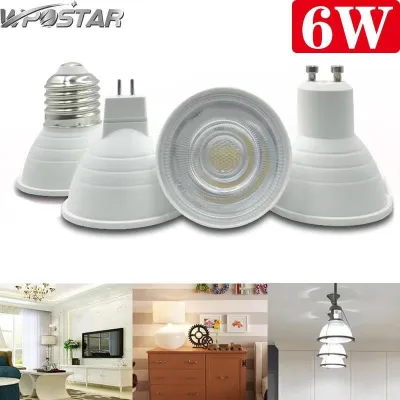
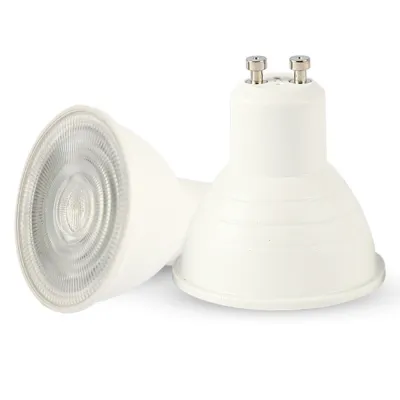
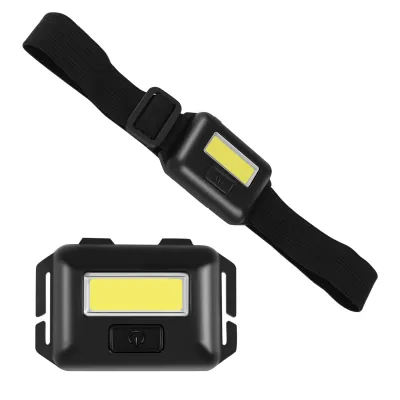
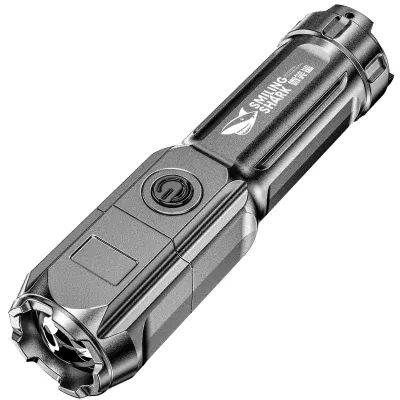
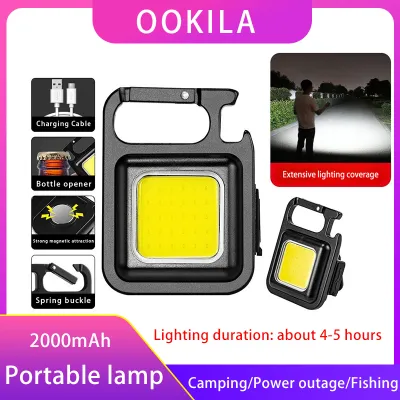
Prices are valid at publication and may change. Please refer to the product page for the latest price.
Core Structural Differences Between COB and SMD LEDs
To make an informed decision, it is essential to understand how these two technologies are physically constructed. Chip on Board (COB) technology features multiple LED chips packaged directly onto a single substrate to form a single, unified light source. This design eliminates the need for individual packaging for each diode, resulting in a highly concentrated light source that looks like a single, solid beam of light.
In contrast, Surface Mounted Device (SMD) technology involves mounting individual LED chips separately onto a circuit board. These chips are often visible as distinct points of light, especially when looking directly at an unshielded LED strip or bulb.
Because of these structural differences, their light distribution patterns vary significantly. COB LEDs naturally produce a tight, focused beam with minimal spill, making them highly compact. SMD LEDs offer a much wider, multi-directional spread, allowing them to cover broad areas with a lower physical profile.
Evaluating Energy Efficiency and Power Consumption
When shopping for lighting in Singapore, evaluating actual electricity savings requires looking beyond marketing terms and focusing on objective product specifications. The most reliable metric for energy efficiency is the lumens-per-watt (lm/W) ratio, which indicates how much light a fixture produces for every watt of electricity it consumes.

Always check the product packaging or specification sheet for this ratio. A higher lm/W rating means the bulb is more efficient, regardless of whether it uses COB or SMD technology. For instance, a bulb delivering 100 lm/W is more energy-efficient than one delivering 80 lm/W, even if both are rated at the same wattage.
The LED driver plays a critical role in this equation by converting the standard 230V alternating current (AC) from your home’s electrical grid into the direct current (DC) required by the LED chips. A low-quality driver can lose a substantial amount of energy during this conversion process, reducing the overall efficiency of the system. When purchasing fixtures, look for reputable driver brands and verify that they carry local electrical safety certifications, such as the Safety Mark in Singapore.
To compare actual wattage draw against your required light output, you can use a simple verification checklist:
- Determine the required brightness: Calculate the total lumens needed for the room based on its size and purpose.
- Check the lm/W rating: Locate the efficiency rating on the product label.
- Calculate the required wattage: Divide the target lumens by the lm/W rating to find the actual wattage draw.
- Verify the power factor: Ensure the driver has a high power factor (ideally 0.9 or higher) to minimize electrical waste.
Brightness Output and Ideal Application Scenarios
The visual effect of your lighting depends heavily on how each technology projects brightness. COB LEDs deliver a smooth, uniform, and highly focused beam of light, which is ideal for highlighting specific architectural features or providing task lighting. Because the light is concentrated, it creates clean shadows and a dramatic, high-contrast environment.
SMD LEDs emit light in a wider, multi-directional pattern, which is excellent for general illumination. This wide spread helps to minimize harsh shadows and create a soft, even glow across the entire room.
In a typical Singapore home, these characteristics dictate where each type should be installed. COB LEDs are highly suited for track lighting, spotlights, and task areas such as kitchen countertops or study desks. SMD LEDs are better suited for general ceiling fixtures, recessed downlights, and decorative strip lights hidden in cove ceilings.
When selecting your bulbs, also consider the Color Rendering Index (CRI) and color temperature (measured in Kelvin). A higher CRI (80 or above) ensures that colors appear natural and vibrant under the light. Color temperature is a matter of personal preference, with warm white (2700K to 3000K) creating a cozy atmosphere and cool white (4000K to 6500K) providing a bright, energetic feel for task-oriented spaces.
Heat Management and Long-Term Lifespan
Thermal management is a critical factor that directly impacts the lifespan and long-term efficiency of any LED fixture. Because COB arrays pack many chips into a small area, they generate a high density of heat in a concentrated spot. Without adequate heat sinks, this heat can quickly degrade the LED chips and the driver, leading to premature failure.
SMD LEDs distribute heat more evenly across the circuit board because the chips are spaced apart. This makes them slightly easier to cool in low-profile fixtures, though they still require proper ventilation to maintain their rated lifespan.
When comparing lifespans, do not rely on generic marketing claims. Instead, look for the manufacturer-rated L70 or L80 metrics, which indicate the number of hours the LED will operate before its light output drops to 70% or 80% of its original brightness.
In Singapore’s warm and humid tropical climate, heat dissipation is even more critical. Trapped heat in enclosed or recessed ceiling fixtures can accelerate component degradation. Always check the Ingress Protection (IP) ratings and thermal clearance specifications provided by the manufacturer. For installations involving fixed wiring, damp areas like bathrooms, or work at height, always isolate the power supply, follow the manufacturer’s installation instructions, and consult a qualified professional to ensure safety.
Decision Framework: Choosing the Right LED for Your Space
To help you choose the right technology for your space, use this practical decision framework based on your specific lighting goals.
Choose COB if:
- You want focused, dramatic accent lighting for artwork or architectural features.
- You require high-intensity task lighting over a kitchen island or reading desk.
- You prefer a single, clean beam of light without visible individual dots.
- You are installing track lights or adjustable spotlights.
Choose SMD if:
- You need general, ambient lighting to illuminate an entire room evenly.
- You are installing linear strip lighting in coves or under cabinets.
- You have limited vertical clearance in your ceiling and need low-profile fixtures.
- You want multi-colored (RGB) lighting options for decorative purposes.
Before making any purchase, complete this pre-purchase verification checklist:
- Voltage compatibility: Ensure the fixture is rated for Singapore's standard 230V, 50Hz electrical supply.
- Base and interface: Verify that the bulb base (such as GU10, E27, or MR16) matches your existing fixtures.
- Physical dimensions: Measure the depth and diameter of your ceiling cutouts to ensure the fixture and its heat sink will fit.
- Dimmer compatibility: If you plan to dim the lights, verify that both the LED bulb and the driver are compatible with your specific dimmer switch type (such as trailing-edge or leading-edge dimmers).
Frequently Asked Questions (FAQ)
Can I replace an SMD bulb with a COB bulb in the same fixture?
Yes, you can replace an SMD bulb with a COB bulb, provided that the base type, voltage, and physical dimensions match. However, you must pay close attention to the heat sink of the COB bulb, which is often larger and heavier than that of an SMD bulb. Ensure there is adequate thermal clearance inside the fixture, especially if it is enclosed, to prevent heat buildup and premature failure.
Do COB LEDs cost more to run than SMD LEDs?
No, COB LEDs do not inherently cost more to run than SMD LEDs. The running cost of any light fixture is determined solely by its actual wattage consumption and the number of hours it is turned on, not by the chip architecture. To estimate your running costs, multiply the fixture’s wattage by the daily usage hours, divide by 1000 to convert to kilowatt-hours (kWh), and multiply by your local electricity tariff rate to calculate the daily cost in S$.
Community discussion
Share your experience or ask a question. Comments are reviewed before publication.