
When planning the lighting layout for your home, deciding between Chip-on-Board (COB) and Surface-Mounted Device (SMD) LEDs is one of the most critical choices you will make. Neither technology is universally more energy-efficient than the other; instead, actual energy savings depend on the luminous efficacy of the specific bulb, the quality of its internal driver, and how effectively the fixture matches your room’s layout. For general, wide-angle ambient lighting in a typical apartment, SMD LEDs provide practical, even coverage that minimizes the number of fixtures you need to install. For focused accent lighting or highlighting specific architectural features, a COB light delivers a concentrated beam that prevents light spill and reduces wasted energy.
To make an informed decision that keeps your monthly utility bills low, you must look beyond marketing buzzwords. Understanding how these two technologies package their light-emitting diodes, manage heat, and interact with your home’s electrical system will help you select the most efficient fixtures for every room.
Understanding COB and SMD LED Technologies
To understand how these lights perform in your home, it helps to look at how they are constructed. Surface-Mounted Device (SMD) LEDs are the most common type of LED technology on the market. In an SMD chip, multiple individual light-emitting diodes are mounted inside protective packaging on a flat circuit board. You can easily identify SMD lights by their appearance; they often look like a collection of distinct, bright points of light spread across a surface, though they are frequently covered by a frosted diffuser to soften the output.
Products mentioned in this guide
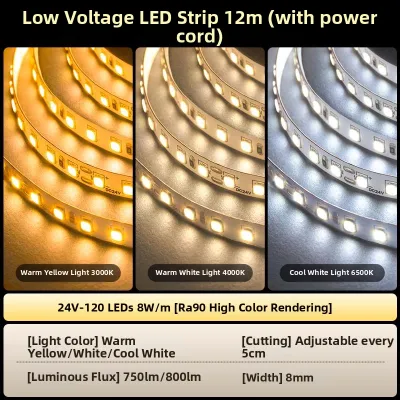
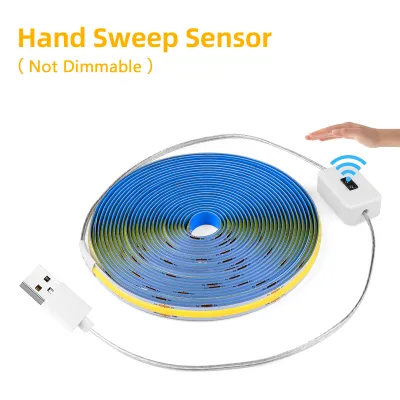
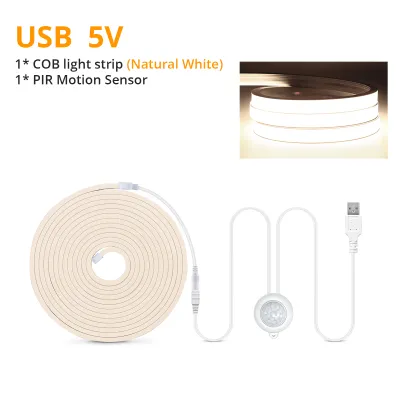
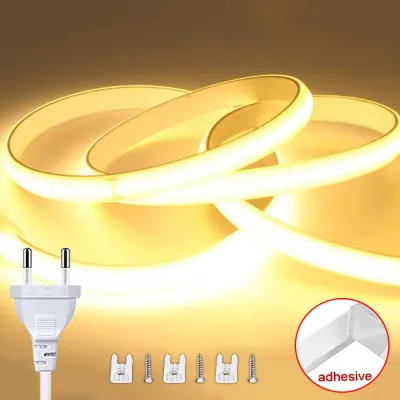
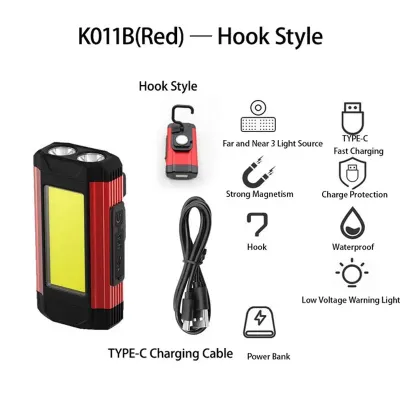
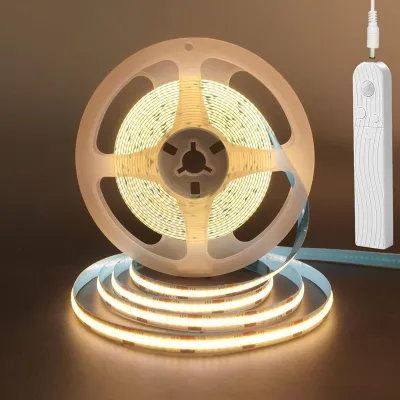
Prices are valid at publication and may change. Please refer to the product page for the latest price.
Chip-on-Board (COB) technology takes a different structural approach. Instead of packaging individual diodes separately, COB technology bonds multiple bare LED chips directly to a single substrate, creating a single, highly concentrated module. Because these chips are packed tightly together under a single uniform phosphor coating, a COB light looks like a solid, continuous light panel rather than a collection of individual dots. This design allows for a much higher density of light sources in a very small space.
While their physical structures differ significantly, both COB and SMD lights are solid-state lighting technologies. They operate on the same fundamental principles of electroluminescence, converting electrical energy directly into light. However, the way their physical designs distribute light and concentrate heat has a direct impact on their real-world efficiency, lifespan, and suitability for different areas of your home.
Energy Efficiency and Power Consumption Compared
When comparing the energy efficiency of COB and SMD lights, the most important metric to evaluate is luminous efficacy, which is measured in lumens per watt (lm/W). Luminous efficacy tells you exactly how much visible light a fixture produces for every watt of electricity it draws from your power grid. A higher lumens-per-watt rating means the light is more efficient, regardless of whether it uses COB or SMD technology.

In laboratory settings, both technologies can achieve exceptionally high efficacy, but real-world commercial performance varies. The overall efficiency of any residential LED fixture is heavily influenced by the quality of its driver—the component that converts incoming alternating current (AC) electricity to the direct current (DC) required by the LED chips. A low-quality driver can waste a significant portion of incoming power as heat, dragging down the efficiency of an otherwise excellent LED chip. Additionally, the optical lenses and diffusers used to shape the beam can absorb or scatter light, reducing the fixture’s net lumen output.
To find the most energy-efficient option, you should always read the product specifications and energy labels on the packaging. Look for the rated lumen output and divide it by the wattage to verify the actual efficacy. In many markets, certified energy labels display a rating system that makes it easy to compare different models at a glance.
It is a common misconception that one chip type is inherently more efficient than the other. A high-quality SMD bulb from a reputable manufacturer will easily outperform a cheaply made COB bulb, and a premium COB fixture can easily surpass a budget SMD light. Always compare specific product specifications rather than relying on broad technology generalizations.
Heat Management and Long-Term Performance
Heat is the primary enemy of LED efficiency and longevity. When an LED operates, a portion of the electrical energy is inevitably converted into heat rather than light. If this heat is allowed to accumulate around the semiconductor junction, it causes a phenomenon known as efficiency droop, where the light output decreases and the power consumption remains the same or increases. Over time, prolonged exposure to high temperatures degrades the LED chips and the sensitive electronic components inside the driver, leading to premature failure.
Because COB lights pack dozens of tiny LED chips into a single, compact area, they generate highly concentrated thermal hotspots. To prevent efficiency droop and protect the chips, COB fixtures require robust, high-quality heat sinks—typically made of heavy aluminum—to draw heat away from the substrate. This makes COB fixtures physically deeper and heavier than their SMD counterparts.
SMD lights, by contrast, distribute their individual diodes across a wider circuit board. This spread-out design naturally dissipates heat over a larger surface area, reducing the need for massive, heavy heat sinks. Consequently, SMD fixtures can often use lighter plastic or composite housings while still maintaining safe operating temperatures.
Before purchasing any fixture, check the manufacturer’s specifications for thermal management features and rated lifespan metrics, such as the L70 rating, which indicates how many hours the light will run before its output drops to 70% of its original brightness. Be particularly cautious when planning installations in tight, enclosed spaces. Installing high-wattage COB lights in shallow false ceilings or enclosed fixtures without verifying the manufacturer’s clearance and ventilation requirements can trap heat, rapidly degrading the light and wasting energy.
Light Quality and Best Residential Applications
Beyond raw energy consumption, the quality of light produced by COB and SMD technologies determines where they should be installed in your home. COB lights are famous for producing a clean, focused, and intense beam of light. Because the chips are concentrated, they can be paired with precise reflectors or lenses to create narrow beam angles without producing the distracting “multi-shadow” effect common with older multi-diode fixtures. This makes COB technology the ideal choice for accent lighting, highlighting artwork, or providing focused task lighting over kitchen countertops and study desks.
SMD lights excel at producing wide, diffused, and even illumination. With typical beam angles of 120 degrees or more, SMD fixtures spread light across a broad area, making them perfect for general ambient lighting. Using SMD downlights in living rooms, bedrooms, and hallways ensures that the entire space is illuminated evenly, reducing the total number of fixtures required to light the room and thereby lowering your overall energy footprint.
When selecting lights for your home, always check the Color Rendering Index (CRI) and color temperature on the product packaging. A CRI of 80 or higher is recommended for general living areas, while a CRI of 90 or higher is ideal for kitchens, bathrooms, and vanity areas where accurate color representation is important. Color temperature is a matter of personal preference: warm white (2700K to 3000K) creates a cozy atmosphere in bedrooms and living rooms, while cool white (4000K) or daylight (6500K) is better suited for task-oriented spaces like home offices and kitchens.
Decision Framework: Choosing the Right LED for Your Space
To select the most efficient and practical lighting for your home, use a structured decision framework based on your specific spatial needs and physical constraints:
- Choose SMD if: You need to illuminate a large area evenly, such as a living room or bedroom, or if you are working with shallow false ceilings that cannot accommodate deep fixtures.
- Choose COB if: You want to create dramatic contrast, highlight specific decor, or require high-intensity, focused light over a workspace or dining table.
Before making a purchase, perform these essential pre-purchase checks to ensure compatibility and safety:
- Verify Physical Dimensions: Measure your ceiling cut-out size, available depth, and clearance space to ensure the fixture fits safely without touching insulation or structural beams.
- Check Dimmer Compatibility: If you plan to use dimmer switches, verify that the LED fixture is explicitly labeled as dimmable and is compatible with your specific dimmer type (such as trailing-edge or leading-edge dimmers).
- Look for Safety Certifications: Ensure the packaging displays recognized local electrical safety marks to guarantee the product has been tested to meet rigorous safety standards.
- Calculate Total Cost of Ownership: Compare the initial purchase price against the estimated running costs. You can estimate this by multiplying the fixture's wattage by your average daily usage hours and your local utility tariff (calculated in S$ per kilowatt-hour). Often, investing slightly more upfront in a high-efficacy fixture will save you more money on your SP Group utility bills over the long run.
For any installation involving fixed wiring, working at heights, or damp environments like bathrooms and kitchens, always isolate the mains power at your distribution board before starting. If you are uncomfortable with electrical work, hire a licensed electrical worker or qualified professional to handle the installation safely in accordance with local regulations.
Frequently Asked Questions (FAQ)
Can I replace my existing SMD downlights with COB LEDs?
Yes, you can replace existing SMD downlights with COB LEDs, but you must verify several physical and electrical compatibility factors first. COB downlights often feature integrated aluminum heat sinks, making them deeper and heavier than standard SMD downlights. Measure your ceiling’s internal depth and cut-out diameter to ensure the new COB fixture will fit comfortably. You must also ensure there is adequate ventilation space around the fixture to prevent heat buildup. Finally, if your existing setup uses a dimmer switch, confirm that the new COB light’s driver is fully compatible with your current dimmer to avoid flickering or premature driver failure.
Do COB lights consume more electricity than SMD lights?
No, COB lights do not inherently consume more electricity than SMD lights. Electricity consumption is determined solely by the wattage of the fixture, not by the arrangement of the LED chips. A 10-watt COB light and a 10-watt SMD light will draw the exact same amount of electrical power from your home’s electrical grid. To determine which light is more efficient, you must compare their lumen output. The fixture with the higher luminous efficacy (lumens per watt) will deliver more light for the same amount of electricity consumed.
Which LED type is better for outdoor home lighting?
For outdoor residential lighting, the choice between COB and SMD depends on the specific application, but the most critical factor is the fixture’s Ingress Protection (IP) rating. Any light installed outdoors must have an IP rating of IP65 or higher to withstand rain, humidity, and dust. SMD technology is highly effective for wide-area floodlights, path lighting, and decorative outdoor strip lights because of its broad beam angle. COB technology is excellent for focused security spotlights, architectural uplighting, or highlighting garden features. Always check the manufacturer’s specifications to ensure the fixture is rated for outdoor use and can withstand local tropical climate conditions.
Community discussion
Share your experience or ask a question. Comments are reviewed before publication.