
Finding the perfect balance between spiritual devotion and modern urban living is a common challenge for homeowners in Singapore. In a typical Housing & Development Board (HDB) flat, where floor space is at a premium, allocating room for a traditional, bulky mandir can feel nearly impossible. Fortunately, compact Indian pooja cabinet designs offer a practical solution, allowing you to establish a sacred, Vastu-compliant sanctuary without cluttering your living space. By focusing on vertical wall space, underutilized corners, and integrated furniture, you can create a beautiful area for daily worship that fits seamlessly into your home.
To choose the right design, you must evaluate your flat’s layout, identify structural installation limits, and understand how to adapt traditional religious requirements to modern architecture. Whether you are moving into a new BTO flat or remodeling an existing resale unit, selecting a space-saving altar involves balancing material durability, fire safety, and aesthetic harmony.
Understanding Space and Vastu Requirements for HDB Pooja Cabinets
Standard HDB flats, particularly modern 3-room and 4-room layouts, feature highly optimized floor plans with open-concept living areas and minimal spare rooms. This lack of spare rooms means that a dedicated prayer room is rarely feasible for most families. Instead, the pooja space must coexist with the living room, dining area, or study, requiring a design that respects the home’s overall flow while maintaining its sacred identity.
Products mentioned in this guide
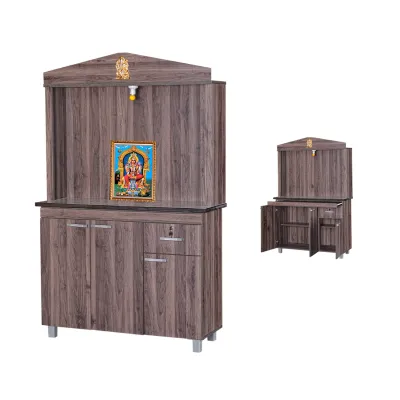
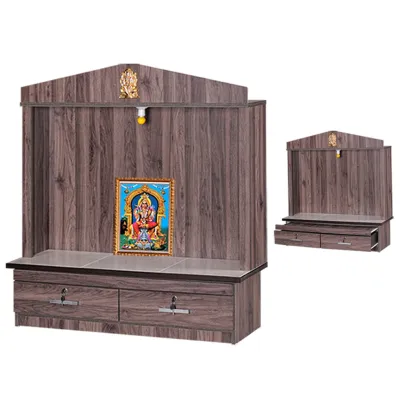
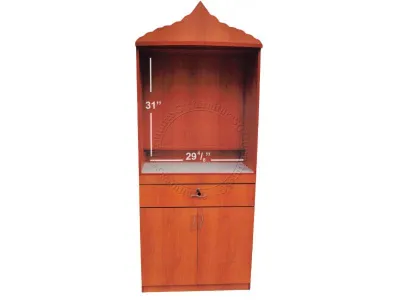
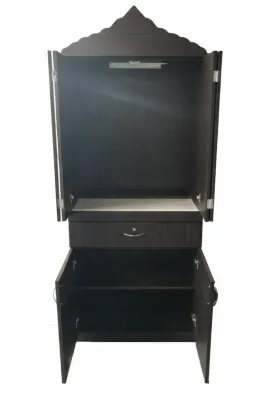
![[HOMIEST] ORATE 2FT Altar Cabinet Prayer Cabinet Religious Worship Natural/Walnut](https://img.lazcdn.com/g/p/cfaa0a6f73682165358fbd07edf06f9b.jpg_400x400q80.jpg_.webp)
Prices are valid at publication and may change. Please refer to the product page for the latest price.
According to Vastu Shastra, the ancient Indian science of architecture, the ideal location for a prayer altar is the Northeast (Ishanya) corner of the home. This direction is associated with water and the early morning sun, which is believed to bring positive energy, clarity, and prosperity into the household. When setting up your Indian pooja cabinet, you should position it so that the deities face West or South, ensuring that the worshipper faces East or North during prayers.
In an HDB layout, structural features like the household shelter (bomb shelter), structural pillars, or bathroom placement can sometimes block the Northeast zone. If the Northeast corner is unavailable or structurally unsuitable, Vastu principles allow for alternative placements in the East or North quadrants. The key is to prioritize cleanliness, elevation, and respectful separation; for instance, you should never place the cabinet directly opposite a toilet door, under an exposed ceiling beam, or directly beneath a staircase. If space constraints force you to place the altar in a multi-purpose room, choosing a cabinet with doors allows you to close the sacred space when it is not in use, preserving its sanctity.
Best Space-Saving Pooja Cabinet Designs for Compact HDB Layouts
Maximizing a small layout requires moving away from heavy, floor-standing shrines and embracing designs that utilize vertical space, corners, or multi-functional furniture. Here are the three most effective space-saving designs for modern HDB flats.

Wall-Mounted and Floating Pooja Shelves
Wall-mounted and floating pooja shelves are highly effective for saving floor space in tight HDB layouts. By elevating the altar, you keep the floor area completely clear, which visually expands the room and makes daily floor cleaning much easier. These units range from simple, minimalist floating shelves to enclosed wall cabinets featuring intricate laser-cut doors.
Many modern wall-mounted designs feature fold-down doors that serve a dual purpose. When closed, the cabinet remains compact and neat; when opened, the door drops down to create an extended horizontal platform for placing offerings, prayer books, or small brass diyas. However, because these units rely entirely on wall anchors, you must carefully consider weight limits. Heavy brass idols and large stone structures are not suitable for floating units unless the shelf is anchored into a solid structural wall with heavy-duty brackets.
Corner Pooja Units and Foldable Mandirs
Corners are often left as dead space in living rooms and dining areas. A corner-specific Indian pooja cabinet is designed with a 90-degree triangular back that fits snugly into these intersections, turning an underutilized spot into a dedicated spiritual alcove. These units can be freestanding or wall-mounted, depending on your spatial needs.
For multi-purpose rooms or highly compact spaces, foldable or collapsible mandir designs offer excellent flexibility. These cabinets feature accordion-style doors, sliding panels, or folding sides that can be tucked away flat against the wall when the daily prayers are completed. This design is particularly useful for households that prefer to keep their altar private during social gatherings or require the room to serve multiple functions throughout the day.
Multi-Functional and Crockery Cabinet Pooja Units
If you prefer a cohesive look that blends with your existing home decor, integrating the pooja unit into larger, custom-built furniture is an excellent option. Many homeowners choose to build a dedicated prayer niche within a living room TV console, a floor-to-ceiling bookshelf, or a dining area crockery cabinet.
This integrated approach uses a single footprint for multiple storage needs, saving valuable square footage. To maintain a respectful boundary between secular storage and the sacred altar, the pooja section can be separated by a distinct shelf and enclosed with sliding glass doors, CNC-cut wood screens (jaali), or rolling shutters. When the screens are closed, the unit looks like a seamless part of your modern cabinetry, but when opened, it reveals a beautifully illuminated, dedicated space for worship.
How to Measure and Plan Your Pooja Cabinet Space
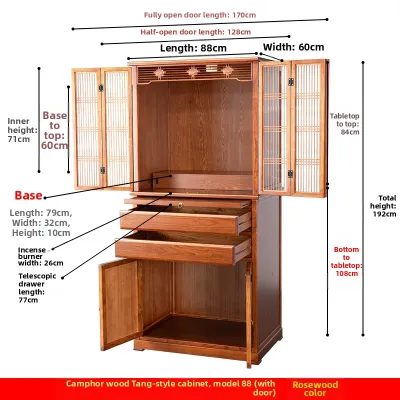
Before purchasing or custom-ordering an Indian pooja cabinet, precise measurements are essential to avoid crowding your living space or obstructing daily foot traffic. Begin by measuring the absolute width, depth, and height of the proposed area. You must account for the door swing radius of the cabinet; double doors that swing outward require significant clearance and can block narrow walkways or corridors if not planned carefully. If space is tight, consider sliding doors, lift-up hydraulic doors, or open-shelf designs instead.
Proper ventilation is another critical factor when planning your space. Traditional prayer rituals involve burning incense (agarbatti), camphor, or oil lamps (diyas), which generate heat, smoke, and soot. Ensure there is at least 15 to 20 centimeters of open clearance above the top of the cabinet to prevent heat buildup and soot staining on your ceiling or upper shelves. If your cabinet is fully enclosed, look for designs with perforated back panels, dome vents, or carved jaali doors that allow smoke to escape freely.
Common planning errors often involve ignoring the physical space needed by the worshipper. A cabinet might fit perfectly on paper, but you must ensure there is enough floor space in front of it for you to sit comfortably on a prayer mat (asan) or stand without blocking major household pathways. Additionally, you should map out the location of nearby electrical sockets. Modern pooja cabinets often incorporate LED strip lights, spotlights, or electric diyas, which require a reliable power source. Plan your cable routing behind the cabinet to keep wires hidden, organized, and free from pinch points.
Material and Finish Considerations for Small Spaces
The materials and finishes you select play a major role in how light reflects through your home and how spacious the prayer area feels. In smaller HDB flats, heavy, dark-stained woods can sometimes make a room feel cramped and shadowy. Opting for lighter wood tones—such as ash, beech, or light oak—or incorporating white and cream glossy laminates can help reflect natural light, making the entire room feel brighter and more open.
When comparing materials, consider both weight and durability:
- Solid Teak or Rosewood: These traditional materials are highly durable, resistant to termites, and carry a classic aesthetic. However, they are heavy and expensive, making them best suited for freestanding floor units or sturdy wall units mounted on concrete walls.
- Engineered Wood (MDF or Plywood with Veneers): These options are lighter, highly customizable, and cost-effective. They are ideal for floating shelves and wall-mounted cabinets, as they reduce the structural load on your walls while still offering the warm look of natural wood grain.
To keep the design modern and unobtrusive, avoid overly bulky, deep-carved traditional borders. Clean, contemporary lines with subtle laser-cut patterns respect the cultural significance of the altar without visually dominating the room. Mirrored back panels inside the cabinet are also a popular choice, as they reflect the light of the diyas and create an illusion of depth within a shallow cabinet.
Installation and Safety Guidelines for HDB Flats
Installing a pooja cabinet in an HDB flat requires careful attention to building structures and fire safety rules. Before drilling holes for a wall-mounted cabinet, you must identify the wall type. HDB flats consist of structural concrete shear walls (which are highly dense and require a rotary hammer drill) and lightweight internal partition walls (such as drywall or gypsum board). Heavy wooden cabinets should never be mounted directly onto partition drywalls without locating the internal studs or using specialized heavy-duty toggle bolts. For heavy installations or work at heights, hiring a qualified professional installer is strongly recommended to ensure the unit is safely secured.
Fire safety is paramount when using open flames inside wooden or engineered wood cabinets. Standard HDB flats are equipped with Home Fire Alarm Devices (HFADs), which can be triggered by excessive smoke. To prevent fire hazards and minimize smoke buildup, consider these safety measures:
- Line the bottom shelf of the cabinet with a fire-resistant tray made of brass, stainless steel, or tempered glass to catch falling embers or oil drips.
- Ensure there is a protective glass chimney around your oil lamps to contain the flame.
- Maintain a safe clearance between the flame and any combustible materials, such as artificial flower garlands or paper decorations.
- Never leave open flames unattended; if you must leave the room, switch to low-voltage LED diyas instead.
For any integrated electrical lighting, ensure that all wiring is properly insulated, routed away from heat sources, and not pinched by cabinet doors or hinges. Always isolate the power supply at the main distribution board before carrying out any electrical installations or adjustments.
Frequently Asked Questions (FAQ)
Can I place a pooja cabinet in the bedroom or kitchen of an HDB flat?
Placing a pooja cabinet in the kitchen is generally discouraged due to the presence of cooking heat, grease, oil fumes, and Vastu principles regarding purity. If your HDB flat’s layout forces you to use the bedroom, you can do so by taking a few respectful precautions. Place the cabinet in the Northeast corner of the room, ensure it is elevated off the floor, and choose a design with solid doors or a curtain. This allows you to close and conceal the deities when you are sleeping, changing, or resting, preserving the sacred nature of the altar.
What is the ideal height for a wall-mounted pooja shelf?
The ideal height for a wall-mounted shelf depends on whether you prefer to sit or stand while praying. If you prefer to sit on a floor mat (asan), the base shelf of the cabinet where the deities rest should be positioned at your eye level, which is typically between 60 to 75 centimeters from the floor. If you prefer to stand during prayers, the base shelf should be positioned at chest level, roughly 100 to 120 centimeters from the floor. According to spiritual customs, the deities should always be positioned so that their feet are elevated above the worshipper’s navel level when standing.
Community discussion
Share your experience or ask a question. Comments are reviewed before publication.