
Finding the most energy-efficient 2-pin LED bulb in Singapore requires looking beyond brand names to evaluate specific technical metrics, base types, and local certifications. Because “2-pin” refers to several distinct base configurations and brand inventories fluctuate, there is no single universally best brand for every fixture. The most energy-efficient choice depends on matching the exact base type and comparing luminous efficacy alongside Singapore’s official energy rating labels. This guide provides the exact metrics and decision framework to compare available brands and select the optimal replacement for your existing CFL or older LED bulbs.
Identifying Your Exact 2-Pin Base and Voltage
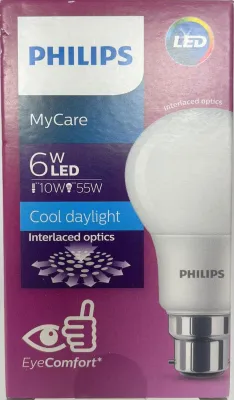
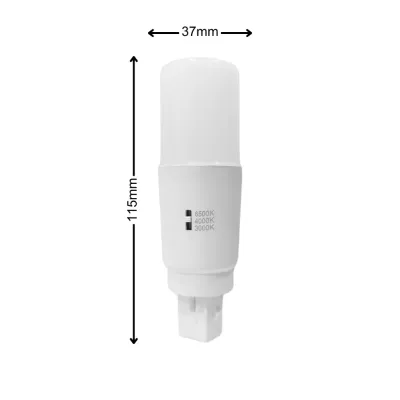
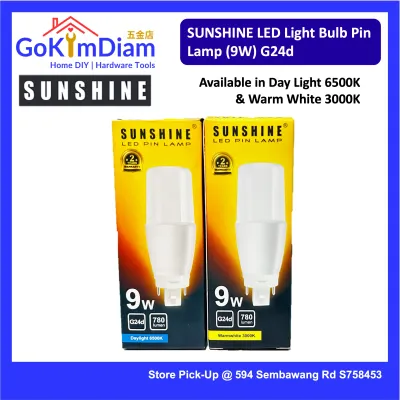
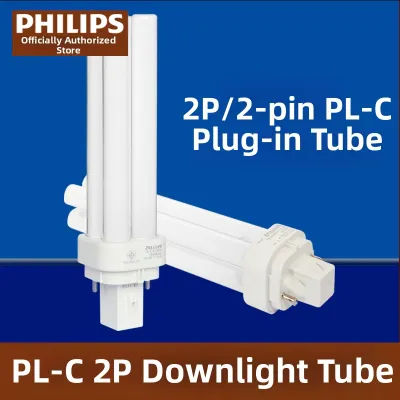
Before comparing the energy efficiency of different brands, you must ensure physical and electrical compatibility with your existing fixtures. The term “2-pin” covers a wide variety of bi-pin bases, and installing the wrong type can damage the bulb or the socket. The most common configurations include GU10 twist-lock bases, G4 and G9 push-pin bases, and G24d (PLC) bases. GU10 bulbs feature two thick pins with a twist-and-lock mechanism and typically operate on 230V mains voltage. G4 bulbs have thin, straight pins spaced 4mm apart, while G9 bulbs have looped or straight pins spaced 9mm apart. G24d bases feature two pins alongside a central plastic block and are commonly found in recessed downlights.
To verify your socket type, remove the existing bulb and check the markings printed on its base or collar. You must also verify the operating voltage of the fixture. While GU10 and G9 bulbs generally run on 230V mains power, G4 bulbs often operate on 12V low voltage. Low-voltage fixtures rely on an external transformer to step down the voltage. If your fixture uses a transformer, the overall system efficiency will depend on the transformer’s performance. An old, inefficient magnetic transformer can waste significant energy as heat, offsetting the efficiency gains of a new LED bulb. Finally, check the physical dimensions of the fixture housing to ensure the replacement bulb fits comfortably, and verify that the bulb’s power draw does not exceed the fixture’s rated maximum wattage limit.
Products mentioned in this guide
![[Authorized Dealer] Philips LED PL-C 2Pin G24D 7.5W | 9W](https://img.lazcdn.com/g/p/902045c7dda1a276822b42f8a7643c9d.jpg_400x400q80.jpg_.webp)
Prices are valid at publication and may change. Please refer to the product page for the latest price.
Core Metrics for Evaluating LED Energy Efficiency
To compare different brands objectively, you must look at specific performance metrics rather than relying on marketing claims. The primary metric for energy efficiency is luminous efficacy, which measures how much light a bulb produces relative to the power it consumes. This is calculated by dividing the total light output in lumens (lm) by the power consumption in watts (W). For example, a 2-pin LED bulb that produces 400 lumens while consuming 4 watts has a luminous efficacy of 100 lumens per watt (lm/W). When comparing brands, always look for the highest lm/W ratio, as this indicates the bulb converts electricity into light more efficiently with less waste heat.

In Singapore, you can easily verify these claims by checking the official energy label issued by the National Environment Agency (NEA). The energy label features a tick rating system, where a higher number of ticks indicates superior energy efficiency. The label also displays the estimated annual energy consumption in kilowatt-hours (kWh), allowing you to compare the running costs of different brands side-by-side. Additionally, look for the Safety Mark issued by Enterprise Singapore on the packaging. This certification ensures the bulb has been tested and approved for safe electrical operation in local households, protecting your home from electrical faults.
Another critical indicator of long-term efficiency is the bulb’s thermal design. Although LEDs do not project heat forward in their light beam, they generate heat at the semiconductor junction within the base. If this heat is not dissipated effectively, the junction temperature rises, which degrades the LED chips and reduces their luminous efficacy over time. High-quality brands utilize robust thermal management materials, such as ceramic bases, aluminum cores, or advanced thermal polymers, to draw heat away from the sensitive electronics. A superior thermal design ensures the bulb maintains its high efficiency and brightness throughout its rated lifespan.
Comparing Available Brands: A Specification Checklist
When shopping at local lighting retailers or online marketplaces, use a structured specification checklist to evaluate different brands. Avoid falling for vague marketing terms like “eco-friendly” or “ultra-bright.” Instead, look at the technical specifications printed on the packaging or detailed in the product data sheets.
First, compare the stated lumens against the actual wattage across different product tiers. Some budget brands may advertise a high “equivalent wattage” (such as “replaces a 50W halogen”) but deliver fewer actual lumens than a premium brand with the same power draw. Always calculate the actual lumens-per-watt ratio for each bulb you consider.
Second, evaluate the manufacturer’s warranty and rated operational hours as proxies for build quality. A reputable brand that backs its products with a 2-year or 3-year warranty and rates its bulbs for 15,000 to 25,000 hours of operation is generally using higher-grade internal capacitors and drivers. These high-quality components prevent premature efficiency loss and early failure, ensuring you achieve the expected return on your investment.
Third, assess the impact of added features on baseline energy consumption. Dimmable 2-pin LED bulbs and smart bulbs (which feature wireless connectivity) require additional internal circuitry to function. This circuitry introduces a small amount of standby power draw even when the light is turned off, and can slightly lower the active luminous efficacy compared to simple, non-dimmable, single-color bulbs. If maximum energy efficiency is your sole priority, opt for standard, non-dimmable bulbs.
Finally, keep in mind that decorative style and perceived color temperature (such as warm white, cool white, or daylight) are conditional preferences rather than indicators of overall quality. While daylight bulbs sometimes exhibit a marginally higher luminous efficacy than warm white bulbs due to the nature of their phosphor coatings, this minor variance should not override your spatial comfort and aesthetic preferences.
Safe Transition from CFL or Older LEDs
Upgrading your home lighting to modern 2-pin LED bulbs involves several practical steps and safety checks to ensure a smooth transition. If you are replacing older compact fluorescent lamps (CFLs), you must handle them with care. CFLs contain small amounts of mercury vapor, which is hazardous to health and the environment. When removing an old CFL, grip it by the plastic base rather than the glass tubes to prevent breakage. If a CFL does break, immediately open the windows to ventilate the room, leave the area for at least 15 minutes, and then carefully sweep up the fragments using stiff paper or cardboard. Do not use a vacuum cleaner, as this can disperse mercury vapor into the air. Dispose of old CFLs and electronic waste at designated e-waste recycling points across Singapore.
Before installing your new 2-pin LED bulbs, check the compatibility of your existing dimmer switches. Older wall dimmers designed for high-wattage halogen bulbs often have a minimum load requirement (such as 40W). Because highly efficient LED bulbs draw very little power, a single LED bulb may not meet this minimum load, resulting in persistent flickering, buzzing, or rapid component failure. If you experience these issues, you may need to replace your older dimmer switch with a modern trailing-edge dimmer specifically rated for LED loads.
Additionally, assess the ventilation of your light fixtures. LEDs are highly sensitive to ambient heat, and installing them in tightly enclosed downlight canisters or ceiling fittings can trap heat around the bulb’s base. This heat buildup degrades the internal driver components, leading to a rapid drop in efficiency and premature bulb failure. Ensure the bulb you select is rated for enclosed fixtures, or verify that the fixture allows sufficient airflow to dissipate heat.
For all installation and maintenance tasks, safety must be your top priority. Always isolate the power at the main distribution board (DB box) by switching off the corresponding circuit breaker before touching any electrical components. If your upgrade requires modifying the fixed wiring—such as bypassing an old ballast when converting a G24d/PLC CFL fixture to direct-mains LED—or if you must work at heights or in damp areas like bathrooms, always engage a qualified professional or a licensed electrical worker (LEW) to perform the work safely and in compliance with local regulations.
Decision Framework: Choosing the Right Efficient Bulb
To select the most energy-efficient 2-pin LED bulb for your home, apply this structured decision framework based on your specific usage patterns and budget.
Choose a premium-tier brand if you are replacing bulbs in high-use areas of your home, such as the living room, kitchen, or study. These spaces benefit most from maximum luminous efficacy (often exceeding 100 lm/W) and superior color rendering. The higher upfront cost of premium bulbs is quickly offset by the substantial long-term energy savings and the peace of mind provided by extended manufacturer warranties.
Choose a standard-tier brand if you are executing a high-volume replacement in low-use areas, such as storerooms, hallways, or guest bathrooms. In these spaces, the lights are turned on infrequently, meaning the lower upfront cost of standard-tier bulbs provides a faster return on investment, even if their baseline efficacy is slightly lower than premium options.
Before making any purchase, run through this final verification checklist:
- Confirm the physical base type (e.g., GU10, G9, G4, G24d) and ensure the bulb dimensions fit your fixture.
- Verify the operating voltage (230V mains or 12V low-voltage) and check transformer compatibility if applicable.
- Ensure the installation environment provides adequate ventilation, especially for enclosed fixtures.
- Match the dimming requirements of your wall switches with a compatible dimmable LED bulb.
- Compare the NEA energy label ticks and calculate the luminous efficacy (lm/W) printed on the packaging to find the most efficient option.
Frequently Asked Questions (FAQ)
Do 2-pin LED bulbs consume less power than 2-pin halogen bulbs?
Yes, 2-pin LED bulbs consume significantly less power than their halogen counterparts. On average, a modern LED bulb uses up to 80% to 90% less energy than an equivalent halogen bulb to produce the same level of brightness. This drastic reduction in power consumption also means LEDs generate far less heat, reducing the thermal load on your home’s air conditioning system and further lowering your overall utility bills.
Will a higher wattage 2-pin LED always give me more light?
No, a higher wattage does not guarantee more light. Wattage measures the amount of electrical power a bulb consumes, whereas lumens measure the actual amount of visible light emitted. Because different brands and product tiers have varying levels of luminous efficacy, a highly efficient 5W LED bulb can produce the same or even more light (lumens) than an inefficient 7W LED bulb. Always compare the lumen output rather than relying on wattage to determine brightness.
Community discussion
Share your experience or ask a question. Comments are reviewed before publication.