
Quick Answer: Which 24V LED Brands Lead in Energy Efficiency?
When evaluating which 24V LED light brands offer the best energy efficiency, there is no single universal winner. True efficiency depends heavily on specific product lines, thermal design, and the intended application. In the 24V electrical landscape—commonly found in commercial trucks, marine vessels, and heavy industrial equipment—energy efficiency is measured by luminous efficacy, which is the ratio of light output to power consumed, expressed in lumens per watt (lm/W).
Premium OEM-tier brands and specialized automotive or marine manufacturers generally deliver the highest true lm/W ratios. These manufacturers invest heavily in high-grade LED chips, efficient switching drivers, and superior thermal management systems that keep the diodes running within their optimal temperature ranges. This engineering ensures that the fixtures maintain high efficiency over thousands of operating hours.
Conversely, while budget or generic import brands often advertise high initial brightness or massive wattage ratings, their real-world efficiency tends to degrade rapidly. Under continuous 24V operation, inferior internal drivers and inadequate heat dissipation cause thermal buildup. This heat forces the LED chips to operate inefficiently, leading to rapid lumen depreciation and wasted electrical energy.
Products mentioned in this guide
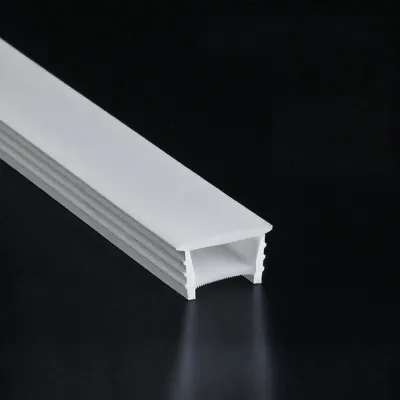
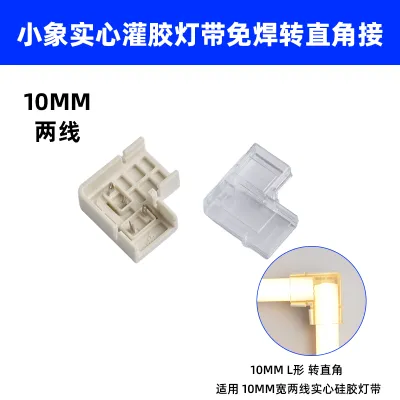
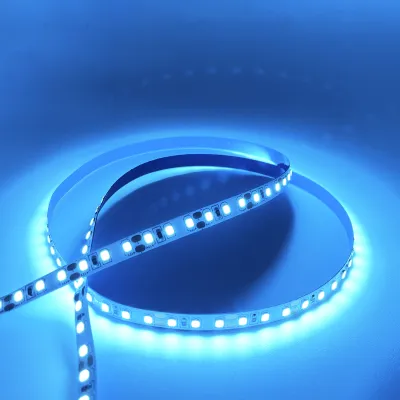
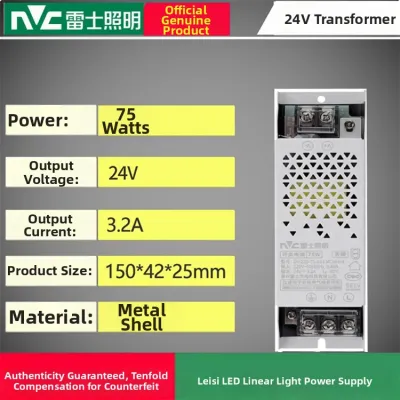
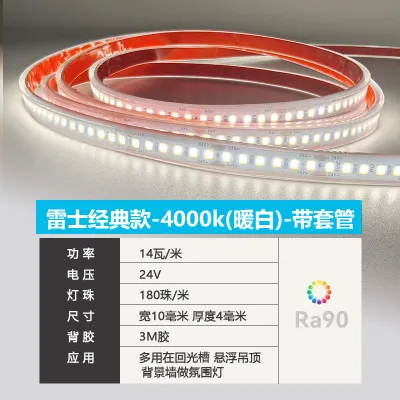
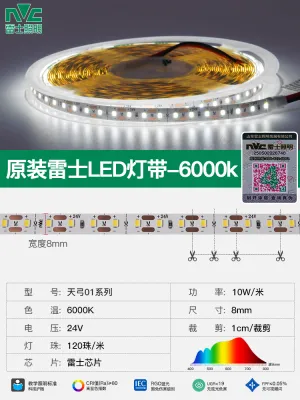
Prices are valid at publication and may change. Please refer to the product page for the latest price.
Ultimately, the most efficient brand for your setup is one that balances high lm/W performance with the specific electrical, thermal, and environmental demands of your vehicle or equipment. To achieve optimal energy savings and long-term reliability, you must look beyond raw lumen claims and evaluate the underlying engineering of the fixture.
Key Metrics for Evaluating 24V LED Energy Efficiency
To make an informed comparison between 24V LED light brands, you must understand the technical specifications that dictate real-world efficiency. Relying on marketing terms like “equivalent wattage” or “ultra-bright” can lead to poor purchasing decisions. Instead, focus on the verifiable metrics that govern electrical and optical performance.

Lumens per Watt (lm/W)
Lumens per watt is the definitive metric for energy efficiency in lighting. It reveals how much visible light a fixture produces for every watt of electricity it draws from your 24V system.
$$\text{Luminous Efficacy} = \frac{\text{Total Light Output (Lumens)}}{\text{Power Consumption (Watts)}}$$
When comparing brands, look for verified laboratory test reports (such as LM-79 reports) rather than theoretical maximums calculated from the LED chip manufacturer’s datasheet. A premium 24V LED fixture should ideally deliver between 100 lm/W and 140 lm/W. Lower-tier products often operate below 80 lm/W, meaning they draw more current from your batteries and alternator to deliver the same amount of usable light.
Thermal Management and Lumen Depreciation
LEDs are highly efficient compared to halogen bulbs, but they still convert a significant portion of their electrical input into heat. If this heat is not rapidly dissipated away from the LED junction, the light output drops—a phenomenon known as thermal droop. Over time, prolonged exposure to high temperatures causes permanent lumen depreciation, where the light permanently loses its brightness while continuing to draw the same amount of power.
In warm, humid climates like Singapore, where ambient temperatures frequently exceed 30°C, thermal management is critical. High-quality brands utilize heavy-duty die-cast aluminum housings with deep, engineered cooling fins to maximize surface area. They also use high-conductivity metal-core printed circuit boards (MCPCBs) and premium thermal paste to transfer heat away from the chips. Budget brands often use thin aluminum or plastic housings that trap heat, leading to rapid efficiency loss and premature component failure.
Voltage Tolerance and Internal Regulation
Heavy-duty 24V electrical systems are dynamic. A standard 24V vehicle system can fluctuate from 21V when starting under heavy load up to 28.8V or higher while the alternator is actively charging. LED lights require precise current control to operate efficiently and safely across these fluctuations.
- Dedicated 24V Drivers: These are optimized specifically for the 24V nominal voltage, ensuring the internal components operate at their peak efficiency point.
- Multi-Voltage Drivers (10V–30V or 9V–36V): These are highly versatile and can operate on both 12V and 24V systems. However, the internal buck-boost regulators must work harder to adjust the incoming voltage.
- Constant-Current Drivers vs. Linear Regulators: Premium brands use highly efficient switching constant-current drivers that maintain steady light output without wasting excess voltage. Budget brands often use cheap linear regulators or simple resistors, which discard excess voltage as pure heat. If a multi-voltage light uses an inefficient linear regulator, running it on a 24V system instead of a 12V system can double the energy wasted as heat.
Optics and Usable Light
An efficient LED chip is useless if the light it emits is scattered in directions where it cannot be used. Optical efficiency refers to how effectively the fixture’s lenses and reflectors direct the emitted light into the desired beam pattern.
Premium brands design custom Total Internal Reflection (TIR) lenses or precision-engineered reflectors that direct up to 90% or more of the generated light onto the target area. Poorly engineered optics can waste over 30% of the light inside the housing or scatter it into glare. This forces you to select a higher-wattage fixture to get the same amount of usable light, directly undermining your energy efficiency goals.
Comparing 24V LED Brand Categories: Premium vs. Aftermarket
Understanding the market landscape helps clarify what you are paying for when selecting a 24V LED light. Brands generally fall into three distinct tiers based on their engineering focus, component selection, and manufacturing standards.
Premium and OEM-Tier Brands
Premium and OEM-tier manufacturers—such as Philips, Osram, and Hella—focus heavily on high luminous efficacy, strict quality control, and long-term electrical reliability. These brands are often the factory-fitted choice for commercial vehicle fleets, transit buses, and high-end marine vessels.
These brands utilize advanced LED binning processes. Diodes are carefully selected for tight tolerances in color temperature, voltage drop, and lumen output, ensuring consistent performance across multiple fixtures. Their internal drivers are highly sophisticated switching power supplies designed specifically to minimize electromagnetic interference (EMI) while maintaining electrical efficiency above 90%.
While these products carry a higher initial purchase price, they deliver the lowest total cost of ownership. Their high lm/W ratings minimize the electrical load on your vehicle’s alternator, reducing fuel consumption over long operating hours, while their robust thermal designs ensure they last for years without needing replacement.
Specialized Aftermarket and Off-Road Brands
Specialized aftermarket and off-road brands—such as Rigid Industries, Lazer Lamps, and Baja Designs—cater to users who require extreme durability, high raw light output, and specialized beam patterns. These lights are designed for auxiliary vehicle lighting, off-road driving, and harsh working environments.
These brands prioritize rugged construction, utilizing heavy-duty housings, impact-resistant polycarbonate lenses, and advanced environmental sealing (often rated to IP68 or IP69K). When it comes to energy efficiency, their performance is generally high, but their design priorities differ slightly from OEM brands. To achieve the extreme brightness required for off-road or night-work scenarios, they sometimes run their LED chips close to their maximum rated current (overdriving them).
This approach delivers immense light output and excellent durability, but it can result in a minor trade-off in absolute energy efficiency (lm/W) compared to OEM-tier lights that run their chips at more conservative, highly efficient currents. They remain an excellent choice when physical survival of the fixture in harsh environments is as important as energy savings.
Budget and Generic Import Brands
Budget and generic import brands dominate online marketplaces, appealing to buyers with low prices and eye-catching performance claims. It is common to see these products advertising extremely high wattages and tens of thousands of lumens at a fraction of the cost of premium brands.
However, these claims rarely hold up under scrutiny. These fixtures typically use low-grade, unbinned LED chips paired with basic, inefficient internal drivers. To cut costs, many use simple resistor-based circuits or low-end linear regulators that convert a substantial portion of the incoming 24V electrical energy directly into heat.
Furthermore, their physical construction often lacks the thermal mass and surface area required to dissipate this heat. As a result, these lights run extremely hot, leading to rapid thermal droop and severe lumen depreciation within the first few hundred hours of use. While suitable for occasional, short-duration use where energy efficiency is not a priority, they are inefficient and unreliable for continuous-duty applications.
Matching 24V LED Efficiency to Your Specific Application
To maximize the benefits of energy-efficient 24V LED lighting, you must match the fixture’s specifications to the unique demands of your operating environment. Different applications place different stresses on electrical and thermal systems.
Commercial Vehicles and Fleets
For long-haul trucks, delivery fleets, and public buses, lighting efficiency directly impacts operating costs. A commercial vehicle may run multiple marker lights, utility lights, and cabin lights for ten to twelve hours a day.
- Alternator Load: High-efficiency 24V LEDs reduce the electrical load on the vehicle's alternator. Lower alternator drag translates directly into incremental fuel savings across a fleet over time.
- Downtime Minimization: Fleet operators should prioritize premium OEM-tier brands with high lm/W ratings and proven longevity. The reduction in maintenance downtime and bulb replacement costs far outweighs the higher initial investment.
Marine and Off-Road Environments
Marine vessels and off-road vehicles operate in demanding conditions that test both the physical durability and the thermal design of lighting fixtures.
- Corrosion Resistance: In marine settings, salt spray and high humidity can quickly corrode aluminum heat sinks, reducing their ability to dissipate heat. Look for brands that offer marine-grade powder coatings or 316 stainless steel housings.
- Enclosed Spaces: Lights mounted in engine bays or enclosed utility spaces face high ambient temperatures. In these environments, choosing a brand with an active thermal management system—which automatically dims the light slightly if it begins to overheat—prevents permanent damage and maintains long-term efficiency.
Industrial Equipment and Forklifts
Industrial machinery, such as forklifts, reach stackers, and warehouse cranes, operates under constant vibration and frequent power fluctuations.
- Vibration Dampening: Standard LED lights can suffer from solder joint failures or loose internal connections when subjected to constant mechanical shock. Industrial-grade brands design their fixtures with potted electronics (where the housing is filled with a protective resin) to protect components.
- Voltage Stability: Heavy machinery often experiences voltage spikes when hydraulic pumps or heavy electric motors cycle on and off. Ensure the selected brand features robust over-voltage and transient-voltage surge suppression to protect the sensitive driver electronics from damage.
Agricultural and Construction Machinery
Tractors, harvesters, excavators, and tower cranes often operate deep into the night, requiring massive amounts of illumination to ensure safety and productivity.
- Simultaneous Operation: These machines typically run multiple high-power work lights simultaneously. If low-efficiency budget lights are used, the combined current draw can easily overload the machine's 24V alternator and battery system, leading to electrical faults or dimming.
- High Luminous Efficacy: Selecting high-efficacy work lights allows operators to flood the work area with bright, usable light while keeping the total electrical draw well within the safe operating limits of the machine's charging system.
Decision Framework: Choosing the Right 24V LED Brand
Use this structured framework to guide your final purchasing decision based on your operational requirements, budget, and environmental conditions.
                                  Identify Your Primary Need
                                              │
             ┌────────────────────────────────┼────────────────────────────────┐
             ▼                                ▼                                ▼
     Continuous Duty /                 Rugged Auxiliary /               Intermittent Use /
    Fleet Operations                  Harsh Environments                  Strict Budget
             │                                │                                │
             ▼                                ▼                                ▼
     Choose Premium OEM               Choose Specialized               Choose Budget / Value
     (e.g., Osram, Hella)             (e.g., Rigid, Lazer)             (Verify specs first)
             │                                │                                │
             └────────────────────────────────┼────────────────────────────────┘
                                              ▼
                                   Perform Pre-Purchase Checks
                                              │
                      ┌───────────────────────┴───────────────────────┐
                      ▼                                               ▼
             Passes Verification                             Fails / Lacks Specs
                      │                                               │
                      ▼                                               ▼
               Proceed to Install                              STOP & Consult Pro
Choose Premium OEM-Tier Brands If:
- Your lights will operate continuously for long periods (e.g., commercial transport, transit, or primary marine lighting).
- You require strict electrical compliance, minimal electromagnetic interference (EMI) with onboard radios, and verified lm/W specifications.
- You want to minimize fuel consumption by reducing alternator load and demand the lowest long-term cost of ownership.
Choose Specialized Aftermarket Brands If:
- You need rugged auxiliary lighting for off-road driving, heavy construction, or demanding marine environments.
- You require highly specialized beam patterns, extreme impact resistance, and superior environmental sealing.
- You are willing to accept a minor trade-off in absolute lm/W efficiency in exchange for extreme physical durability and high peak brightness.
Choose Budget Brands If:
- The light will only be used intermittently for short durations (e.g., occasional utility lighting or toolboxes).
- Your upfront purchasing budget is strictly limited, and long-term lumen maintenance is not a critical concern.
- The operating environment is mild, dry, and free from extreme vibrations or high ambient heat.
Critical Pre-Purchase Verification Checks
Before purchasing any 24V LED light, perform these essential verification steps to ensure safety and compatibility:
- Verify Electrical Specifications: Ensure the fixture is explicitly rated for your system's voltage. If using a multi-voltage light, confirm it features a switching constant-current driver rather than an inefficient linear regulator.
- Check Thermal Design: Avoid high-wattage LED lights that feature plastic or thin sheet-metal housings. Look for robust die-cast aluminum heat sinks with clear cooling fins.
- Look for Certifications: Ensure the product carries relevant electrical and safety certifications (such as CE, RoHS, ECE, or IP ratings) verified by independent testing bodies.
- Safety Warning: Always isolate the power supply by disconnecting the negative battery terminal before installing or servicing any electrical components. For fixed wiring, high-voltage installations, damp marine areas, or complex vehicle integration, always refer to the manufacturer's installation instructions and consult a qualified auto electrician or licensed professional.
Frequently Asked Questions (FAQ)
Can I use a 12V LED light on a 24V system?
No, you cannot connect a strictly 12V-rated LED light directly to a 24V system. Doing so will immediately overdrive the internal components, leading to rapid thermal runaway, permanent failure, potential fire hazards, and voided warranties. You must only use lights that are explicitly rated for 24V nominal operation or those featuring wide-range multi-voltage drivers (such as 10V–30V) designed to handle the higher voltage safely.
Does higher wattage always mean a brighter 24V LED light?
No. Wattage measures electrical power consumption, not light output. A high-efficiency 24V LED light from a premium brand with a high lm/W rating can easily produce more usable light (lumens) while drawing fewer watts than a low-quality, high-wattage budget light. Always compare the actual lumen output and the luminous efficacy (lm/W) rather than relying on wattage ratings to judge brightness.
How does voltage drop affect 24V LED efficiency?
Voltage drop occurs when electrical current travels through long cable runs or undersized wiring, resulting in lower voltage reaching the fixture. In a 24V system, a significant voltage drop forces the internal constant-current driver to draw more current to maintain the same power output, which increases heat generation and reduces overall system efficiency. To prevent this, ensure your wiring loom uses the correct wire gauge for the length of the run and that all electrical connections are clean, secure, and corrosion-free.
Community discussion
Share your experience or ask a question. Comments are reviewed before publication.