
Selecting the right automatic room spray involves more than just picking a pleasant scent. To find a device that fits your home seamlessly, you must compare key technical specifications, delivery mechanisms, and long-term operating requirements across different brands. Evaluating these factors beforehand ensures you select a system that is safe, cost-effective, and highly efficient for your specific living space.
Core Specifications to Compare Across Brands
When comparing automatic room sprays, the primary decision lies between pressurized aerosol-based systems and water- or oil-based misting systems. Aerosol systems use pressurized canisters to release dry, concentrated bursts of fragrance at set intervals. Misting systems, such as ultrasonic or nebulizing diffusers, convert liquid essential oils or water-based solutions into a fine, continuous vapor.
To evaluate different models effectively, you should focus on four main categories of specifications: spray interval control, coverage capacity, the refill ecosystem, and power requirements. Each of these features directly impacts how much hands-on maintenance the device will require and how well it will perform in your home.
Products mentioned in this guide
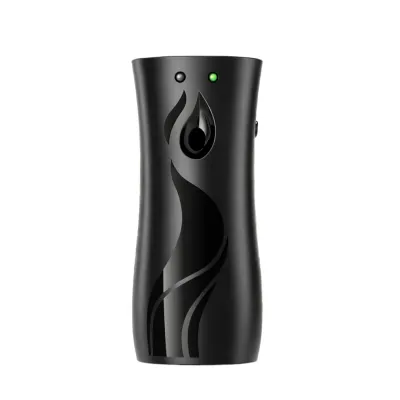
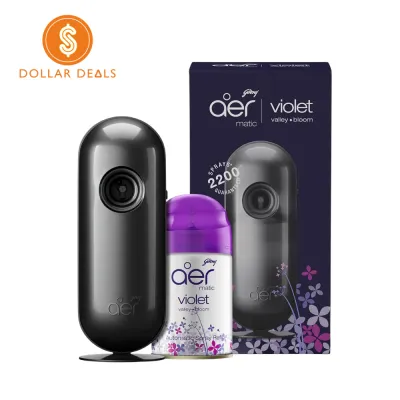

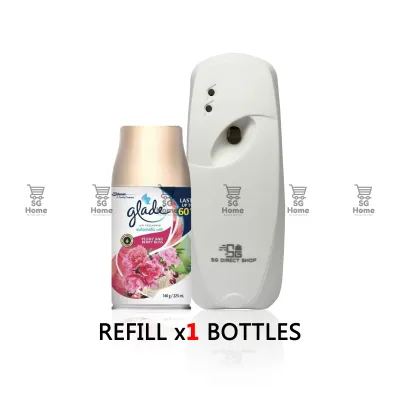
Prices are valid at publication and may change. Please refer to the product page for the latest price.
Prioritize these specifications based on your actual room size, ventilation, and desired fragrance intensity. For instance, in highly humid climates or enclosed spaces like bathrooms, a dry aerosol burst may prevent excess moisture buildup, whereas an open-plan living area might benefit more from the continuous, subtle output of a misting system.
Spray Intervals, Timers, and Coverage Area
Adjustable spray intervals are essential for controlling both fragrance intensity and refill consumption. Most standard models offer pre-set intervals, such as 9, 18, or 36 minutes. Choosing a shorter interval delivers a more consistent, intense scent but will deplete your refill cartridge much faster, increasing your long-term operating costs.

When reviewing coverage claims, look closely at how manufacturers define their coverage area. A claim of covering up to 30 square meters typically assumes standard ceiling heights and minimal airflow. In real-world settings, such as a typical Singapore apartment with open windows or active ceiling fans, the fragrance will dissipate more rapidly, meaning you may need to place the device more strategically or adjust the timer to a more frequent setting.
Many modern brands now feature light sensors or motion-activated modes. Light sensors prevent the device from spraying in the dark, which conserves both battery life and fragrance when the room is not in use. Motion-activated units only spray when they detect movement, making them highly efficient for high-traffic areas like entryways and hallways.
Refill Ecosystems and Fragrance Compatibility
Before purchasing a device, investigate whether it uses a proprietary refill system or a universal format. Proprietary systems lock you into buying refills exclusively from that specific brand, which can limit your fragrance choices and increase long-term costs. If you prefer flexibility, look for dispensers designed to accommodate universal aerosol canisters, but always physically check the nozzle alignment and canister collar size to ensure a proper fit.
For hybrid diffusers that use water and essential oils, check the manufacturer’s specifications regarding maximum oil viscosity limits and water tank capacity. Heavy or synthetic oils can clog ultrasonic plates and damage the internal mechanisms. A larger water tank reduces the frequency of refills but results in a larger physical footprint on your tabletop or shelf.
When shopping for refills, use this quick checklist to evaluate your options:
- Nozzle Alignment: Verify that the refill canister's spray tip aligns perfectly with the dispenser's mechanical actuator arm to prevent internal spraying.
- Ingredient Transparency: Look for brands that clearly list their ingredients on the packaging rather than hiding behind generic terms like "fragrance."
- Allergen Warnings: Check the label for common respiratory sensitizers, especially if anyone in your household has asthma or allergies.
Power Sources and Installation Requirements
Automatic room sprays are typically powered by batteries or direct electrical plug-ins. Battery-operated models offer excellent portability, allowing you to place them on high shelves or mount them on walls without worrying about cord visibility. When comparing battery-powered units, check the specific battery type required (such as AA or D-cell) and look for models with low-battery LED indicators so you know exactly when to replace them.
Plug-in models offer continuous reliability without the ongoing cost of replacement batteries, but they limit your placement options to areas near electrical outlets. If you choose a plug-in model, verify that the device carries local electrical safety certifications to ensure it is safe for continuous, unattended operation.
Safe placement is critical for both performance and safety. Always position the dispenser away from direct heat sources, open flames, and direct sunlight, as pressurized aerosol canisters can be sensitive to high temperatures. If you plan to mount the unit on a wall, ensure the mounting hardware is compatible with your wall surface (such as drywall or tile) and install the device above eye level to prevent the spray from directly contacting anyone’s face.
Safety, Maintenance, and Household Considerations
If you share your home with pets, infants, or sensitive individuals, safety should be your primary concern. Many commercial aerosol sprays contain propellants and synthetic fragrances that can cause respiratory irritation. Certain essential oils, such as tea tree, eucalyptus, and citrus, are highly toxic to cats and dogs. Always cross-reference the ingredient list with veterinary safety guidelines before introducing a new scent to your home.
Routine maintenance is simple but necessary to keep your device operating safely. Periodically wipe the spray nozzle with a dry cloth to prevent residue buildup, which can distort the spray pattern and cause liquid to drip down the front of the unit. For motion-activated models, gently clean the sensor lens with a microfiber cloth to ensure accurate detection.
Always monitor your device for signs of malfunction. If you notice irregular spraying, liquid pooling around the nozzle, battery leakage, or an unusual odor from the motor, immediately turn off the unit, remove the power source, and consult the manufacturer’s troubleshooting guide or customer support.
Frequently Asked Questions (FAQ)
Can I use third-party essential oils in an automatic aerosol room spray?
No, pressurized aerosol dispensers are mechanically incompatible with liquid essential oils. Aerosol systems rely on pre-packaged, pressurized canisters containing specific propellants to release a dry mist. Attempting to pour liquid oils into these systems can damage the mechanical actuator and presents a safety hazard. Always consult your device manual to verify the exact refill types approved for your model.
How do I know if an automatic room spray is safe for my pets?
To determine if a room spray is safe for your pets, carefully review the ingredient list for synthetic chemicals, propellants, or essential oils known to be toxic to animals, and consult your veterinarian. Always place the automatic dispenser high up and out of reach of your pets, and ensure the room has adequate ventilation to prevent concentrated vapors from accumulating in low areas where pets rest.
Community discussion
Share your experience or ask a question. Comments are reviewed before publication.