
Finding the right book reading light clip in Singapore requires balancing personal reading habits with key technical specifications. Whether you are reading in a dimly lit bedroom in a HDB flat, commuting on the MRT, or studying late at night, the right clip-on light should provide comfortable illumination without causing eye strain or disturbing others. To make an informed purchase, you must evaluate how different brands handle brightness levels, battery runtimes, and physical durability.
By focusing on verifiable product specifications rather than marketing hype, you can identify a model that fits your specific environment. This guide breaks down the essential metrics to look for on product packaging, how to assess light quality for eye comfort, and how to verify build quality so your light remains secure and functional over years of use.
Quick Guide: Matching Light Features to Your Reading Needs
Every reader has a unique environment, meaning the ideal clip-on light varies depending on where and when you read. Matching your primary reading scenario to specific product features ensures you do not end up with a light that is too bright, too heavy, or constantly running out of power.
Products mentioned in this guide
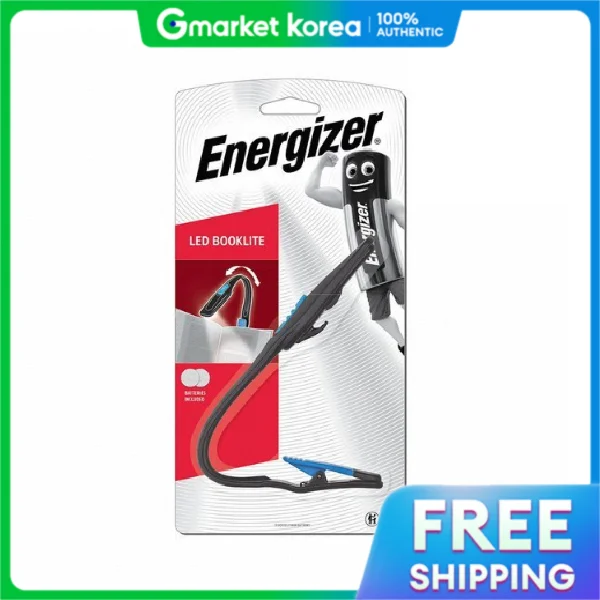
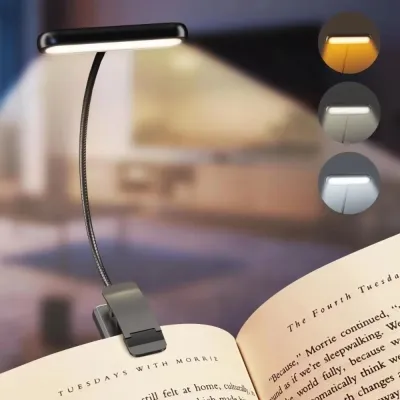
![[SG stock]Teacher day Gift Mini Book Light LED Night Light USB Rechargeable Clip On Reading Lamp Brightness Adjustable Bedroom Travel](https://img.lazcdn.com/g/p/158e98bcbacab16537c08ec35b24cce7.jpg_400x400q80.jpg_.webp)
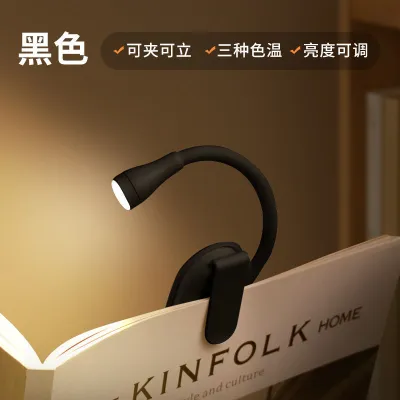
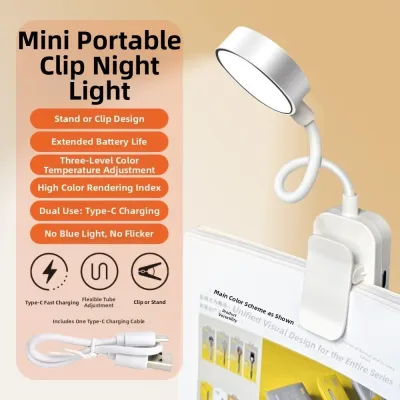
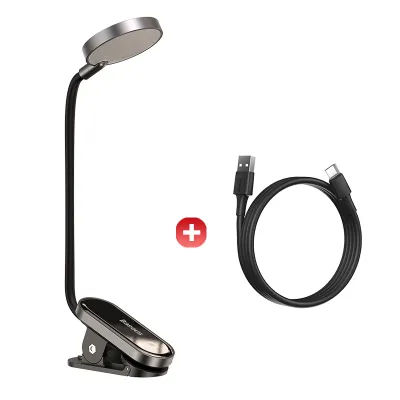
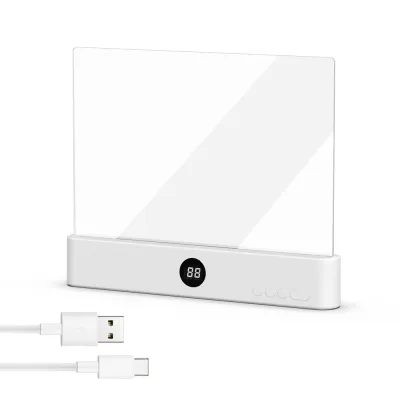
Prices are valid at publication and may change. Please refer to the product page for the latest price.
If your primary goal is reading in bed without disrupting a sleeping partner, prioritize models that offer adjustable warm-light settings. Warm color temperatures minimize blue light exposure, which helps preserve your natural sleep cycle. Look for lights that can dim to very low levels so the illumination remains confined strictly to your book pages.
For those who travel frequently or read during long commutes away from power outlets, battery capacity and charging standards are paramount. A high-capacity rechargeable battery paired with a universal charging port ensures you can power up using a standard power bank or laptop. Compact, folding designs are also easier to slip into a travel bag.
If you plan to attach the light to various surfaces, such as thick hardcover books, wooden headboards, or metal shelves, pay close attention to the clip design. A wide-jaw clip with thick, non-slip padding is essential. This design provides a secure grip on thicker materials while protecting delicate book covers and furniture surfaces from scratches or indentations.
Key Specifications to Compare on Product Labels
When browsing online marketplaces or local retail stores in Singapore, product labels and specification sheets are your best tools for comparison. Understanding these technical terms allows you to cut through marketing claims and compare different brands objectively.

Illumination Metrics
- Lumens: This measures the total amount of visible light emitted by the source. For close-up reading, a range of 15 to 50 lumens is typically sufficient; excessively high lumens can cause harsh glare on white paper.
- Color Temperature (Kelvin): Expressed in Kelvin (K), this indicates the color appearance of the light. Lower numbers (around 1600K to 3000K) represent warm, amber, or yellow light, while higher numbers (5000K to 6500K) represent cool white or daylight.
- Brightness Levels: Look for the number of preset brightness steps or whether the device offers continuous, stepless adjustment.
Power Metrics
- Battery Capacity (mAh): Milliampere-hours indicate how much energy the internal battery can store. A higher mAh rating generally suggests a longer runtime between charges, though actual performance depends on the brightness level used.
- Estimated Runtime: Manufacturers usually list a range, such as 4 to 40 hours, depending on whether the light is operated at maximum or minimum brightness.
- Charging Standards: Verify the input port type. Modern USB-C ports offer faster, more reliable charging and better compatibility with modern cables than older Micro-USB ports.
Physical Metrics
- Clip Jaw Width: This measurement determines the maximum thickness the clip can securely clamp onto.
- Padding Material: Look for silicone, rubber, or soft foam lining inside the clip jaws to protect surfaces and prevent slipping.
- Neck Flexibility: Compare gooseneck designs, which offer 360-degree rotation, with rigid, multi-jointed arms that fold flat for travel.
Evaluating Illumination Quality for Eye Comfort
Illumination quality goes far beyond how bright a light can shine. For extended reading sessions, the way the light is distributed and its color composition play a critical role in preventing eye strain and fatigue.
When evaluating brightness controls, check whether the manufacturer specifies stepless dimming or fixed presets. Stepless dimming allows you to fine-tune the light level precisely to your ambient environment, which is highly beneficial when transitioning from dusk to complete darkness. Fixed presets are simpler but may leave you choosing between a setting that is slightly too dim and one that is uncomfortably bright.
Color temperature versatility is another crucial factor for eye comfort. Reading in the daytime or under bright office lights may benefit from a cool white setting (around 5000K) to improve contrast and alertness. However, night reading demands warm white or amber options (under 3000K) to reduce blue light exposure, which can interfere with melatonin production and disrupt your sleep patterns.
To ensure long-term eye comfort, look for manufacturer certifications regarding flicker-free operation. Low-quality LED drivers can produce rapid, invisible flickering that leads to headaches and eye strain over time. While you cannot easily test this in a store, reputable brands often highlight certified flicker-free technology or compliance with international electrical safety and lighting standards on their packaging.
Assessing Battery Life and Charging Convenience
A portable reading light is only as useful as its battery life. Understanding how to interpret battery specifications helps you avoid the frustration of a light that dies in the middle of a chapter.
Do not rely solely on the maximum runtime advertised on the box, as this figure almost always reflects the lowest, dimmest setting. Instead, compare the battery capacity rating in mAh. A light with a 1000mAh battery will inherently hold more energy than one with a 500mAh battery, giving you more hours of use at medium-to-high brightness levels. Always assume that running the light at its maximum brightness will reduce the battery life to a fraction of the advertised maximum runtime.
Charging convenience is highly dependent on the port standard. Prioritizing universal standards like USB-C means you can use the same cables and chargers you use for your phone or tablet, reducing clutter in your home or travel bag. Avoid proprietary charging cables that are difficult and expensive to replace if lost.
Additionally, check the product specifications to confirm if the light supports pass-through charging. This feature allows you to use the light while it is plugged into a power source, such as a power outlet or a laptop. This is incredibly useful if you forget to charge the device beforehand and need to use it immediately for a late-night study session.
Checking Build Quality and Mounting Security
A reading light must be physically durable and stable enough to stay in place while you turn pages or adjust your position. Poor build quality can lead to drooping necks, damaged book pages, or a light that constantly falls off.
Start by inspecting the clip mechanism. The jaw should open wide enough to accommodate your thickest books or headboards, and the spring tension must be firm but not so tight that it crushes paper or leaves permanent marks. Look for high-quality silicone or rubber padding inside the clip. This padding serves a dual purpose: it provides a non-slip grip on smooth surfaces and cushions delicate paperbacks or electronic e-reader screens against damage.
The neck of the light is another common failure point. If you choose a flexible gooseneck, it should feel sturdy and hold its shape perfectly when bent. A neck that is too loose or thin will droop under the weight of the light head, forcing you to constantly readjust it. If you prefer a jointed arm, check that the hinges are tight and do not wobble.
Finally, consider the overall weight distribution of the device. A heavy light head paired with a lightweight clip can make the entire unit top-heavy. When attached to a lightweight paperback, a poorly balanced light can cause the book pages to bend or the book itself to tip over. Look for lightweight materials like high-grade ABS plastic, which offers durability without adding unnecessary weight.
Final Decision Framework: Which Type Should You Choose?
To make your final selection, match your primary reading habits to the specific design types available on the market.
Choose a Bedside Companion If:
- You primarily read in bed before sleeping.
- Key Features to Prioritize: Look for models with dedicated warm amber light modes (under 2000K), stepless dimming to achieve very low brightness, and a quiet, padded clip that will not make loud clicking noises when adjusted in a quiet room.
Choose a Travel or Study Companion If:
- You read on the go, in cafes, or during commutes, or you need a versatile light for studying.
- Key Features to Prioritize: Focus on high battery capacity (800mAh or higher), a compact or folding design that fits easily into a backpack, a strong grip clip for attaching to various surfaces, and a standard USB-C charging port.
Verify First Before Buying:
- If you are purchasing from international e-commerce platforms, always verify the voltage compatibility and charging requirements. Ensure the device can safely charge using standard Singapore power outlets (typically 230V, 50Hz) via a standard USB adapter.
- Check the seller's local warranty support and return policies in Singapore to ensure you are covered in case of manufacturing defects or battery issues.
Frequently Asked Questions (FAQ)
Can I use a book reading light clip while it is charging?
Yes, many modern clip-on reading lights support pass-through charging, allowing you to use them while they are plugged into a power source. However, you must verify this capability by checking the specific product label or user manual, as some budget models disable the light during charging to protect the battery. For safety, if you notice the device or the battery compartment becoming unusually hot to the touch while charging and in use, stop using the light immediately, unplug it from the power source, and allow it to cool down completely.
How do I clean the clip and neck without damaging the electronics?
To clean your reading light safely, always unplug the device from any charging cable and turn it off first. Use a dry or slightly damp microfiber cloth to gently wipe down the exterior casing, the flexible neck, and the silicone padding on the clip. Never spray liquid cleaners, water, or chemical solvents directly onto the device, especially near the charging port, power switch, hinges, or the LED light head, as moisture entering these areas can damage the internal circuitry and void your warranty.
Community discussion
Share your experience or ask a question. Comments are reviewed before publication.