
Finding the most energy-efficient bulb led light in Singapore requires looking beyond brand names and focusing on verified technical specifications, specifically the lumens-per-watt (lm/W) ratio and the National Environment Agency (NEA) energy label. While many reputable brands compete in the local market, efficiency varies based on the specific product line, chip technology, and thermal design. To maximize energy savings in a Singaporean household, consumers must evaluate these metrics alongside local electrical standards and installation environments.
With electricity tariffs being a significant component of household utility bills in Singapore, upgrading to highly efficient lighting is one of the most straightforward ways to reduce monthly expenses. However, navigating the wide array of options on the shelves of local hardware stores or online marketplaces can be challenging. By understanding how to read technical specifications and verify manufacturer claims, you can make an informed decision that balances initial cost with long-term energy savings.
Understanding Energy Efficiency Metrics
To objectively compare the energy efficiency of different bulb led light options, you must first understand the relationship between light output and power consumption. Historically, consumers relied on wattage to determine how bright a bulb would be. In the era of LED technology, wattage only measures the amount of electrical power a bulb draws from your home’s electrical grid, not the amount of light it produces.
Products mentioned in this guide
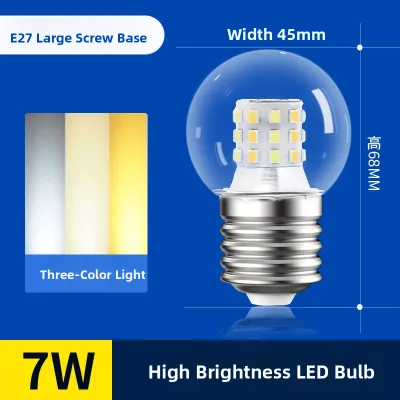
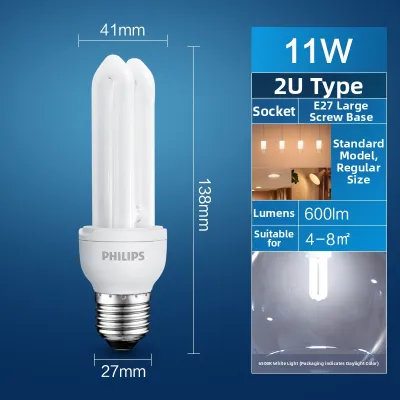
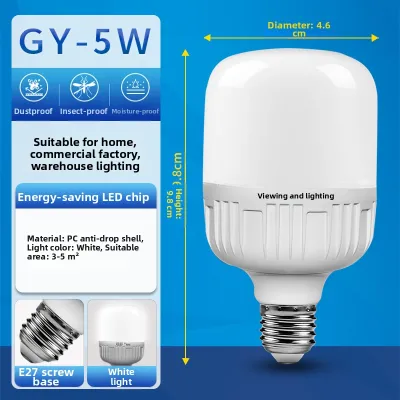
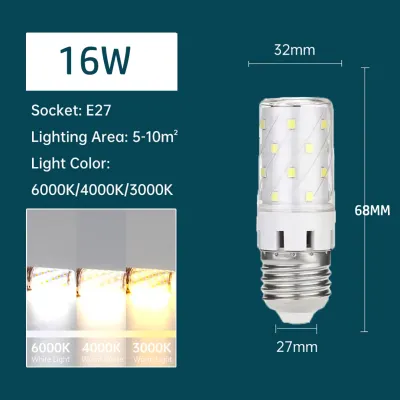
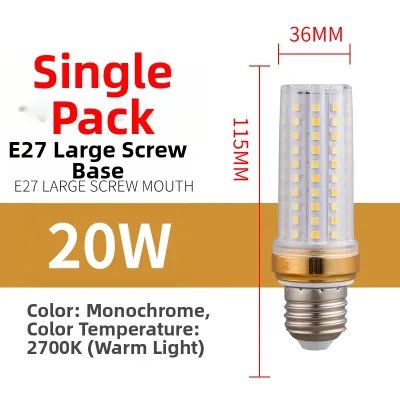
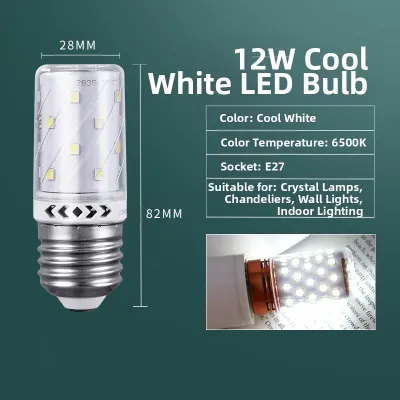
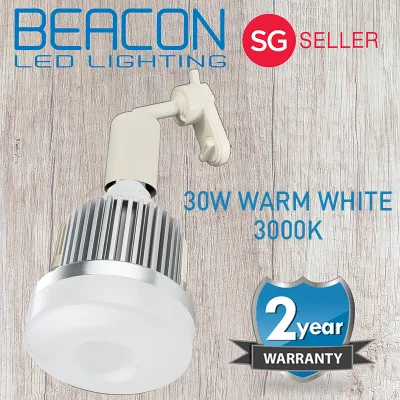
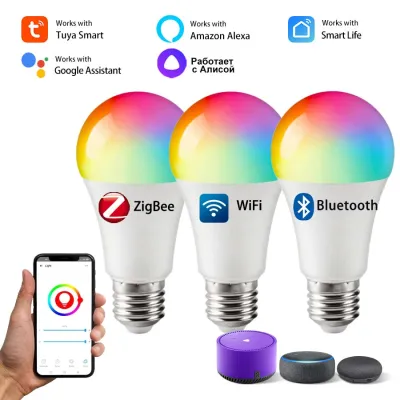
Prices are valid at publication and may change. Please refer to the product page for the latest price.
The true indicator of lighting efficiency is luminous efficacy, which is measured in lumens per watt (lm/W). Lumens represent the total amount of visible light emitted by a source, while watts represent the power consumed. To calculate a bulb’s efficacy, you divide its total lumen output by its rated wattage. For example, a bulb that produces 1,000 lumens while consuming 10 watts has an efficacy of 100 lm/W. A more efficient bulb might produce the same 1,000 lumens while drawing only 8 watts, resulting in an efficacy of 125 lm/W. When comparing brands, always look for the model that offers the highest lm/W ratio for your desired brightness level.
In Singapore, the National Environment Agency (NEA) helps consumers identify energy-efficient appliances and lamps through the Mandatory Energy Labelling Scheme (MELS). When shopping for a bulb led light, you will find the NEA energy label on the packaging. This label features a tick rating system, where more ticks indicate a higher level of energy efficiency. The label also displays the energy consumption in kilowatt-hours (kWh) per 1,000 hours of use, allowing you to estimate the annual running cost based on current SP Group electricity tariffs.
Relying solely on the brand name can be misleading, as most manufacturers produce multiple product lines ranging from budget-friendly basic models to premium, high-efficiency options. By checking the NEA tick rating and calculating the lm/W ratio yourself, you can verify manufacturer claims and compare different brands on an equal footing.
Key Specifications to Compare Across Brands
When building a comparison between different bulb led light brands, several key technical specifications on the packaging deserve close inspection. The first is the rated wattage versus the actual light output. Some lower-cost brands may use older LED chip designs that require more power to achieve standard brightness levels. By comparing the lumens-to-watts ratio across similar products, you can easily spot inefficient models that will cost more to operate over time.

Color temperature, measured in Kelvin (K), and the Color Rendering Index (CRI) also play a subtle but important role in energy consumption. Warm white light (typically 2700K to 3000K) creates a cozy atmosphere suitable for bedrooms and living rooms, while cool white (4000K) and daylight (6500K) are preferred for task-oriented spaces like kitchens and home offices. Higher CRI values (typically Ra 90 or above) render colors more accurately under artificial light. However, achieving a high CRI often requires a trade-off in luminous efficacy, as the phosphors used to improve color rendering can slightly reduce the overall light output per watt. If you require high-CRI lighting for specific tasks, you may need to accept a slightly lower efficacy rating or choose a bulb with a slightly higher wattage to achieve the desired perceived brightness.
Beam angle is another critical specification that influences directional lighting efficiency. A bulb with a wide beam angle (such as 120 degrees or more) distributes light evenly across a large area, making it ideal for general ambient lighting. Conversely, a narrow beam angle (such as 36 degrees) concentrates light into a focused beam, which is highly efficient for spotlighting or task lighting. Using a wide-beam bulb in a fixture designed for directional lighting wastes energy by scattering light onto walls or unoccupied corners where it is not needed.
Finally, always verify that any bulb led light you purchase for use in Singapore carries the Safety Mark issued by Enterprise Singapore. This certification ensures that the bulb has been tested and approved for safe operation on Singapore’s 230V/50Hz electrical grid. Operating uncertified bulbs can lead to electrical instability, flickering, or premature driver failure, which negates any potential energy savings and poses a safety hazard.
Evaluating Real-World Performance and Longevity
While packaging specifications provide a helpful baseline, real-world performance and longevity ultimately determine the true cost-effectiveness of an energy-efficient bulb led light. One of the most common issues with lower-quality LED bulbs is lumen depreciation. Unlike traditional bulbs that burn out suddenly, LEDs gradually lose their brightness over time. This degradation is often accelerated by poor thermal management.
LED chips generate heat during operation, and if this heat is not dissipated effectively, the junction temperature of the LED rises. High temperatures degrade the silicon components and phosphors, leading to a rapid decline in both brightness and efficiency. Premium brands invest in robust thermal designs, utilizing materials like aluminum-clad plastics or ceramic heat sinks to draw heat away from the chips. In Singapore’s warm and humid tropical climate, effective heat dissipation is particularly crucial. Bulbs installed in enclosed fixtures or tight ceiling recesses are prone to heat buildup, which can drastically shorten their lifespan and reduce their energy efficiency over time.
To gauge the build quality and expected longevity of a bulb, check the rated lifespan (usually stated in hours, such as 15,000 or 25,000 hours) and the manufacturer’s warranty period. A brand that offers a multi-year warranty is generally more reliable, as the driver—the electronic component that converts alternating current (AC) to direct current (DC)—is built to withstand voltage fluctuations and prolonged use.
Additionally, consider how your household usage patterns affect efficiency. Frequent switching on and off can stress the driver of lower-quality bulbs, leading to premature failure. If you plan to use dimmable fixtures, ensure that the bulb led light is explicitly labeled as dimmable and is compatible with your existing dimmer switch. Using a non-dimmable LED on a dimming circuit causes flickering and buzzing, which wastes energy and can permanently damage the bulb’s internal circuitry.
How to Build Your Energy-Efficient Shortlist
To select the right bulb led light brand and model for your home, you should establish a systematic decision framework based on your specific lighting requirements and installation environments.
First, categorize your lighting needs by room and function. For general ambient lighting in high-traffic areas like the living room or corridors where lights remain on for several hours daily, prioritize bulbs with the highest lm/W ratio and at least three NEA ticks. For task lighting in study rooms or kitchens where color accuracy is important, look for bulbs that offer a high CRI (Ra 90 or above) while maintaining a reasonable energy efficiency rating. For decorative fixtures or accent lighting, choose directional bulbs with appropriate beam angles to avoid wasting light.
Second, verify the physical and electrical compatibility of the bulbs before purchasing. Check the base type (such as E27 screw, B22 bayonet, or GU10 bi-pin) and ensure the physical dimensions of the bulb fit within your existing fixtures. If you are replacing bulbs in damp environments like bathrooms, kitchens, or outdoor balconies, ensure the bulb or the fixture has an appropriate Ingress Protection (IP) rating to prevent moisture from compromising the electrical components. For any installation involving fixed wiring, work at height, or suspended loads, always isolate the power at the main distribution board before starting, and consult a licensed electrical worker (LEW) if you are unsure about compatibility or safety.
Finally, research seller credibility and read user reviews on local e-commerce platforms. Look for feedback regarding heat generation, buzzing, or early failures in Singapore’s climate. By combining technical specifications, local certifications, and real-world user experiences, you can build a reliable shortlist of energy-efficient LED bulbs that will deliver sustained savings on your utility bills.
Frequently Asked Questions (FAQ)
Do smart bulb led light options consume more energy?
Yes, smart LED bulbs consume a small amount of standby power even when the light is turned off. This standby power, typically ranging from 0.2 to 0.5 watts, is required to keep the bulb’s wireless receiver (such as Wi-Fi, Zigbee, or Bluetooth) active so it can respond to app commands or voice assistants. However, this minor standby draw can often be offset by utilizing smart features. For example, setting automated schedules, using motion sensors to turn off lights in unoccupied rooms, and dimming the bulbs when full brightness is not needed can result in overall energy savings compared to standard bulbs left running at full power.
Is a higher wattage bulb led light always brighter?
No, a higher wattage does not guarantee a brighter light. Wattage only measures the electrical power consumed by the bulb, whereas lumens measure the actual brightness of the light emitted. Due to continuous advancements in LED chip technology, newer and more efficient bulbs can produce the same or greater light output (lumens) while consuming significantly less power (watts) than older models. When comparing brightness, always look at the lumen rating on the packaging rather than the wattage.
How do I dispose of old bulbs when upgrading?
While LED bulbs do not contain highly toxic mercury like older compact fluorescent lamps (CFLs) or fluorescent tubes, they contain electronic components, including circuit boards and drivers, which classify them as electronic waste (e-waste). To dispose of them responsibly in Singapore, do not throw them into your regular household waste. Instead, take your old bulbs to designated e-waste recycling points, such as the ALBA collection bins located across the island, or participate in retailer take-back programs to ensure the materials are safely recycled.
Community discussion
Share your experience or ask a question. Comments are reviewed before publication.