
Comparing different car aroma diffuser brands requires looking beyond aesthetic designs to evaluate the underlying diffusion technology, power delivery, and maintenance needs. A pristine aroma experience in your vehicle depends on matching the device’s output style with your cabin size, local climate conditions, and daily driving habits. There is no single universal winner; instead, the ideal choice balances scent intensity, ease of refills, and seamless integration into your car’s interior layout.
To find the right fit, you must analyze how different devices distribute fragrance, how much attention they require during your daily commute, and how safely they operate within a confined automotive environment. This guide provides a structured framework to assess available options and match them to your specific driving needs.
Core Features to Compare Across Car Aroma Diffuser Brands
Evaluating different car aroma diffuser brands starts with understanding the core diffusion mechanism, as this directly dictates how effectively a fragrance fills your vehicle’s cabin. The three primary technologies found in modern car diffusers are ultrasonic misting, nebulization, and passive evaporation. Each mechanism offers distinct characteristics regarding scent delivery, moisture output, and oil consumption.
Products mentioned in this guide





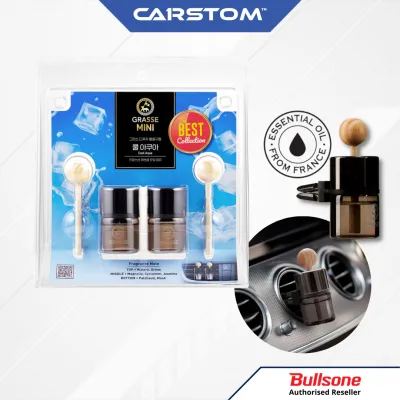
Prices are valid at publication and may change. Please refer to the product page for the latest price.
Ultrasonic car diffusers use water mixed with a few drops of essential oil, utilizing high-frequency ultrasonic vibrations to release a fine, cool mist. While these devices are popular, they introduce a small amount of humidity into the vehicle. In already humid tropical climates, adding extra moisture to a closed cabin can sometimes contribute to mustiness if the vehicle is parked in the sun for extended periods.
Nebulizing or waterless diffusers bypass water entirely, using pressurized air to atomize pure essential oils directly from the bottle into a micro-fine vapor. This technology delivers a highly concentrated and immediate scent throw, making it highly effective for drivers who want a strong, pure aroma. However, nebulizers typically consume essential oils at a faster rate and may require more frequent refills.
Passive diffusers rely on natural airflow from your vehicle’s air conditioning vents or ambient cabin heat to evaporate oils from ceramic discs, wood blocks, or felt pads. These systems require no power and offer a subtle, localized scent profile. They are highly suited for drivers who prefer a faint background fragrance rather than an active, room-filling mist.
Beyond the diffusion method, you must cross-reference the manufacturer’s coverage area specifications with your actual vehicle cabin volume. A compact hatchback requires far less output than a large multi-purpose vehicle (MPV) or sport utility vehicle (SUV). Selecting a high-output device for a small cabin can quickly lead to an overwhelming scent buildup, causing discomfort during longer drives.
Power source options also vary significantly across brands and should align with your typical driving patterns. USB-powered diffusers offer continuous operation but require routing a cable to your dashboard or center console. Rechargeable battery-operated models provide excellent placement flexibility without cable clutter, though you must verify their runtime limits to ensure they do not lose power mid-journey.
Evaluating Performance and Everyday Usability
When comparing car aroma diffuser brands, everyday usability and physical performance are just as important as the underlying technology. Scent intensity control is a critical feature to look for, as enclosed vehicle cabins can quickly trap fragrances. Many brands offer adjustable mist intervals, allowing you to program the device to diffuse for a few seconds and then pause for a set duration to prevent olfactory fatigue.

Operational noise is another factor that can impact your driving experience. Nebulizing diffusers rely on miniature air pumps that can produce a soft, mechanical hum during operation. While this noise is often masked by road sounds or the car radio, it can become noticeable during quiet idling. Ultrasonic models tend to operate almost silently, though they may occasionally produce faint water-dripping sounds.
Oil compatibility is a major differentiator among brands and directly affects your long-term operating costs. Open-system diffusers allow you to use any standard, high-quality essential oil of your choice, giving you complete freedom over your scent profile. Closed-system devices, on the other hand, require proprietary fragrance cartridges or pre-saturated pads from the specific brand, which limits your scent options but simplifies the refill process.
The physical design of the refill mechanism and spill prevention features must be carefully scrutinized. Because vehicles are subject to constant motion, vibrations, and sudden stops, a poorly designed water tank or oil reservoir can easily leak. Look for brands that feature secure threaded caps, silicone seals, or specialized anti-tilt mechanisms to protect your car’s interior from accidental spills.
Routine maintenance requirements should also influence your decision. Devices with complex internal chambers or delicate ultrasonic plates require regular cleaning to prevent oil buildup and mold growth. Evaluate how easily the water tank or diffusion nozzle can be accessed and wiped down, as a device that is difficult to clean will quickly suffer from degraded performance and mixed, unpleasant odors.
Matching Diffuser Types to Your Vehicle and Lifestyle
Selecting the right car diffuser involves matching the device type to your specific vehicle layout, local climate, and personal lifestyle preferences. If you live in a dry climate or frequently run the car’s air conditioning on high—which can dry out the air—an ultrasonic or humidifying diffuser can help restore a comfortable level of moisture while dispersing your favorite essential oils.
For drivers who prioritize a strong, pure scent throw without adding any humidity to the vehicle interior, a waterless nebulizing diffuser is a highly effective option. These devices are particularly useful for quickly neutralizing stubborn odors, such as food smells or pet dander, though they require a higher initial investment and a steady supply of pure essential oils.
If you prefer a completely maintenance-free experience with zero power dependency, passive vent-clip or solid-gel diffusers are highly practical. These require no charging cables, water refills, or button presses, making them ideal for busy commuters who want a subtle, continuous fragrance without any daily hassle.
Before making a purchase, you must verify the physical dimensions of the diffuser to ensure it fits your vehicle’s interior layout. Many cup-holder-style diffusers are designed to sit securely in standard console slots, but you should measure your cup holder’s diameter and depth to confirm a snug fit. A device that is too loose can tip over during sharp turns, while one that is too snug may block access to nearby controls.
For vent-mounted models, inspect the design of your vehicle’s air vents. Some diffusers feature clips that are only compatible with traditional horizontal vent slats and may not grip securely onto vertical, circular, or deeply recessed vents. Ensuring physical compatibility beforehand prevents mounting frustrations and avoids potential damage to your vehicle’s delicate plastic trim.
Safety, Installation, and Interior Care Checks
Operating any electronic device or using concentrated liquids inside a vehicle requires strict adherence to safety and installation guidelines. Always verify the electrical specifications of your chosen diffuser, including the required voltage (typically 5V for USB devices) and current draw. Avoid overloading your vehicle’s 12V accessory sockets with low-quality multi-port adapters, and ensure all power cables are routed neatly away from the steering wheel, gear shifter, and pedals.
Placement is critical to maintaining safe driving conditions. Never install a diffuser in a location that obstructs your clear line of sight through the windshield or side windows. Additionally, ensure the device and its power cable do not cross or interfere with any airbag deployment zones, such as the steering wheel hub, passenger dashboard panel, or side pillars, as a loose device can become a dangerous projectile in an accident.
Protecting your vehicle’s interior surfaces from chemical damage is another vital consideration. Pure, undiluted essential oils are highly concentrated organic compounds that can act as solvents, easily melting, cracking, or discoloring dashboard plastics, synthetic leather, and wood veneers. If a spill occurs, immediately turn off the device, unplug it, and wipe the affected area thoroughly with a damp microfiber cloth and a mild, pH-neutral soap.
Finally, establish clear boundaries for safe operation and know when to stop using the device. If you notice the diffuser becoming excessively hot to the touch, emitting an unusual burning odor, producing irregular mist, or showing signs of electrical flickering, disconnect it from the power source immediately. In such cases, discontinue use and consult the manufacturer’s support channels or a qualified technician to address the issue.
Frequently Asked Questions (FAQ)
Can I use any essential oil in a car aroma diffuser?
Whether you can use any essential oil depends entirely on whether your car diffuser is an open or closed system. Open-system ultrasonic and nebulizing diffusers generally accept standard, high-quality essential oils, allowing you to customize your scent blends freely. However, you should avoid using thick carrier oils, such as jojoba or coconut oil, as well as heavy synthetic perfumes, as these can quickly clog the delicate ultrasonic plates or fine nebulizer nozzles.
Additionally, consider the safety and comfort of all passengers, including children and pets, when selecting oils for a confined vehicle cabin. Certain botanical scents, such as tea tree, eucalyptus, and peppermint, can be highly irritating or even toxic to dogs and cats when diffused in tight, unventilated spaces. Always opt for mild, high-quality, pure essential oils and run the diffuser on low settings to ensure a comfortable environment for everyone on board.
How often should I clean my car diffuser to maintain a pristine aroma?
To maintain a pristine aroma and ensure optimal performance, you should clean your car diffuser every one to two weeks, or whenever you plan to switch to a different essential oil scent. Over time, residual oils can build up inside the water tank, nozzle, or ultrasonic plate, leading to clogged mechanisms, reduced mist output, and a stale, mixed fragrance. Regular visual checks will help you spot any residue or mineral buildup before it affects the device.
To clean an ultrasonic car diffuser safely, empty any remaining water and wipe the reservoir with a soft microfiber cloth. Use a cotton swab dipped in rubbing alcohol to gently clean the delicate ultrasonic plate at the bottom of the tank. For nebulizing diffusers, running a small amount of rubbing alcohol through the device for a few minutes can help clear out stubborn oil clogs from the internal nozzle. Never submerge electronic components in water or use harsh abrasive cleaners, as these can permanently damage the device.
Community discussion
Share your experience or ask a question. Comments are reviewed before publication.