
Ceramic table lamps have become a cornerstone of modern interior styling in Singapore, offering a unique blend of functional illumination and sculptural artistry. Unlike standard metal or plastic fixtures, a ceramic lamp introduces organic texture, warmth, and visual weight to a room. However, finding the right balance between build quality, aesthetic appeal, and cost requires understanding the distinct profiles of brands available in the local market. The ideal choice ultimately depends on whether you prioritize mass-market convenience, mid-range design balance, or premium artisan craftsmanship.
For homeowners seeking budget-friendly utility and predictable styling, mass-market furniture retailers offer highly competitive options. These lamps feature standardized safety certifications, clean minimalist designs, and accessible price points, making them ideal for rental properties, children’s rooms, or temporary setups. However, they lack the unique character and heavy, stable construction found in higher-tier options.
If you want to make a design statement, boutique design brands and artisan ceramic studios are the preferred choice. These brands offer hand-thrown bases, rich reactive glazes, and premium hardware that elevate a room’s overall aesthetic. While they require a larger financial investment, they provide unmatched visual depth and structural durability that mass-produced alternatives cannot replicate.
Products mentioned in this guide
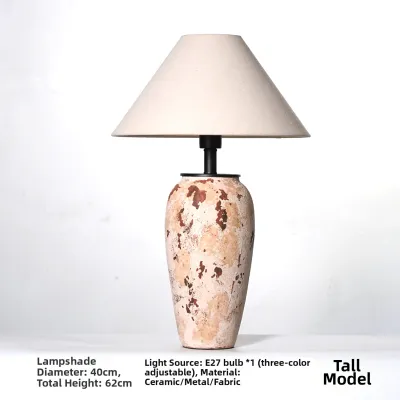
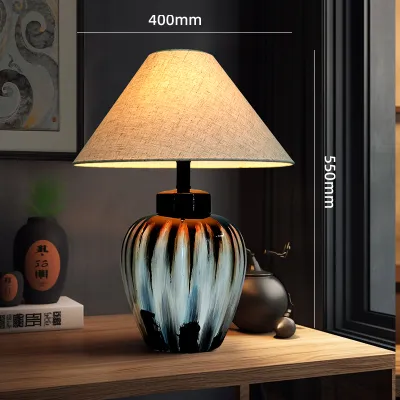
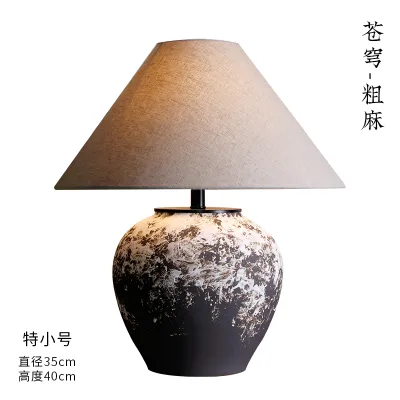
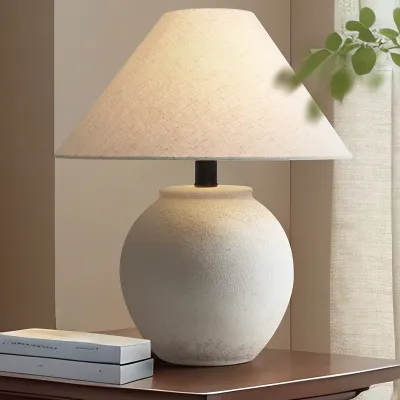
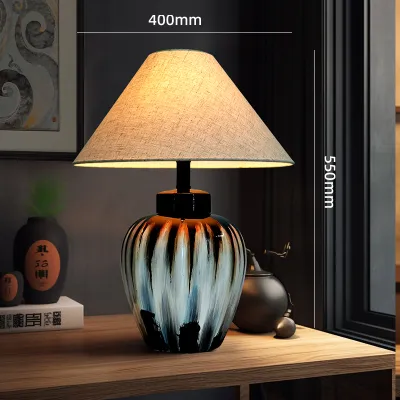
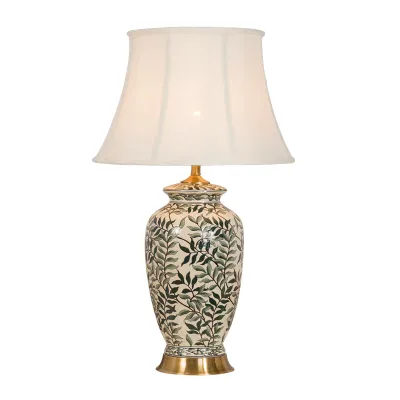
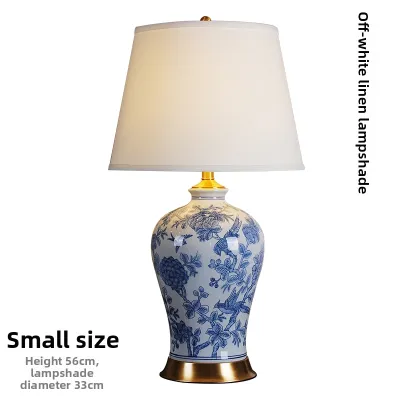
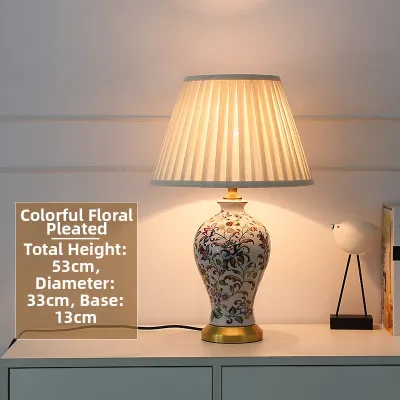
Prices are valid at publication and may change. Please refer to the product page for the latest price.
Before making any purchase, always verify that the lamp carries the Singapore Safety Mark on the plug or power adapter. This local certification ensures the electrical components are rated for Singapore’s 230V power grid, preventing potential electrical hazards. Additionally, confirm that the lamp uses a standard local plug type (Type G) to avoid the need for unsafe adapters.
Evaluating Build Quality: Craftsmanship and Electrical Safety
Assessing the build quality of a ceramic lamp requires looking beyond superficial aesthetics. A high-quality lamp must be both structurally sound and electrically safe, ensuring it remains a durable and hazard-free addition to your home for years to come.
Inspecting the Ceramic Body and Glaze
The type of clay used in the lamp’s construction significantly influences its durability and weight. Most commercial ceramic lamps are made from earthenware, stoneware, or porcelain. Earthenware is fired at lower temperatures, resulting in a lighter and more porous body that is highly susceptible to chipping. Stoneware, fired at much higher temperatures, is dense, heavy, and highly durable, making it the superior choice for stable lamp bases. Porcelain offers a highly refined, glassy finish and can even be translucent, but it is typically more delicate and expensive.
When inspecting a ceramic lamp in a showroom, run your hand across the entire surface of the base. Look for unintended pinholes, uneven glaze pooling that creates sharp edges, or hairline stress cracks. While intentional “crackle” glazes add a beautiful vintage character, accidental firing cracks compromise the structural integrity of the base. Additionally, check the bottom of the lamp; a high-quality base should feature a smooth, sanded foot ring or a protective felt pad to prevent the rough, unglazed ceramic from scratching your wooden or glass tabletops.
Structural weight is another critical safety factor. A lightweight ceramic base is easily tipped over, especially on polished surfaces or in high-traffic areas. A heavy stoneware or thick-walled porcelain base lowers the center of gravity, keeping the lamp securely anchored even when you are reaching for the switch in the dark.
Assessing Hardware, Fittings, and Assembly
The hardware connecting the ceramic base to the electrical socket is a common failure point in cheap lamps. High-quality lamps utilize threaded brass or heavy-duty bakelite sockets that resist wear and heat. Cheap plastic sockets can become brittle and crack over time, especially when exposed to the heat of traditional bulbs.
Gently wiggle the socket assembly to check for stability. A quality lamp features a solid, internal threaded metal rod that runs from the socket down to the base, secured tightly with locknuts. If the socket or neck wobbles, the internal assembly is loose, which can put stress on the electrical wiring inside and lead to a short circuit.
Pay close attention to where the power cord exits the ceramic base. Fired ceramic can have incredibly sharp edges. A well-constructed lamp must feature a rubber or plastic strain relief bushing at the cord exit to prevent the abrasive ceramic from wearing down the cord’s insulation over time.
Verifying Electrical Specifications and Singapore Safety Standards
In Singapore, table lamps are classified as controlled goods under the Consumer Protection (Safety Requirements) Scheme. This means any table lamp sold locally must be registered with Enterprise Singapore and carry the distinctive triangular Safety Mark. This mark certifies that the plug, cord, and internal wiring have been tested to withstand local electrical loads and meet strict safety standards.
If you are importing a ceramic lamp online from overseas, you must verify its voltage compatibility. Singapore operates on a 230V, 50Hz alternating current system. Lamps designed for 110V markets (such as the United States or Japan) cannot be safely used in Singapore with a simple plug adapter; the higher voltage will destroy the bulb and can cause the internal wiring to overheat or catch fire.
Finally, check the socket type of the lamp. Most local fixtures use standard E27 (large Edison screw) or E14 (small Edison screw) sockets. Selecting a lamp with a standard socket ensures you can easily find replacement bulbs or integrate smart lighting systems, such as Philips Hue, without needing specialized adapters.
Design and Aesthetics: Matching Ceramic Styles to Your Space
A ceramic lamp is a powerful design tool that can alter the mood and visual proportions of a room. Selecting the right design involves matching the lamp’s silhouette, glaze finish, and shade to your existing interior decor.

Silhouettes and Spatial Proportions
The shape of a ceramic base dictates its visual weight within a space. Sculptural and organic silhouettes, such as double-gourd, pebble, or abstract hand-formed shapes, introduce soft curves that break up the sharp, linear lines of modern Singaporean apartments. Geometric shapes, like cylinders, cuboids, or tapered cones, offer a cleaner, more structured look that complements minimalist or mid-century modern interiors.
Consider the physical footprint of the lamp relative to the tabletop. A bulbous, wide-diameter ceramic base requires a spacious surface, making it ideal for a living room console table or a large sideboard. For narrow bedside tables or compact study desks, a slender, columnar ceramic base is far more practical, as it preserves valuable surface space for books, glasses, and personal items.
Glaze Finishes and Light Interaction
The glaze finish determines how the lamp interacts with both natural and artificial light. Matte and textured glazes, such as sandy stoneware, terracotta, or slip-trailed patterns, absorb light rather than reflecting it. This creates a soft, organic, and grounded aesthetic that looks exceptionally beautiful under natural daylight filtering through your windows.
Glossy and metallic glazes reflect light, creating bright highlights that draw the eye and add a sense of luxury and formality to a room. These finishes are excellent for darker corners, as they bounce ambient light around the space even when the lamp is turned off.
Reactive glazes offer the most visual depth. These glazes contain minerals that react dynamically to the heat of the kiln, resulting in unique, variegated color patterns. Under warm evening artificial light, the subtle color shifts and textured pooling of a reactive glaze are highlighted, transforming the lamp into a captivating visual focal point at night.
Shade Selection and Diffusion
The lampshade plays a crucial role in directing and diffusing light. Linen and cotton shades are highly popular because they diffuse light softly in all directions, creating a warm, ambient glow that is perfect for bedrooms and living areas. Linen shades also feature natural slubs and textures that become beautifully visible when the lamp is switched on.
Paper shades offer a clean, crisp light diffusion that aligns well with Scandinavian or Japanese (Japandi) design aesthetics. If you want to create dramatic accent lighting, choose a dark fabric shade (such as navy or black linen) with a gold foil lining. This blocks lateral light diffusion and directs the light strictly upward and downward, highlighting the texture of the ceramic base below.
Ensure the shade’s mounting style is compatible with your lamp. Most local lamps use a slip-uno or shade-ring fitter that secures directly to the socket, whereas some international imports utilize a harp-and-finial system, which can make finding replacement shades more difficult in Singapore.
Harmonizing Color Temperature with Ceramic Tones
To maximize the aesthetic appeal of your ceramic lamp, select a bulb color temperature that complements the base’s color and texture. Warm white bulbs (2700K to 3000K) are ideal for warm-toned ceramic bases, such as terracotta, beige, cream, or gold glazes, as they enrich these earthy tones and create a cozy, inviting atmosphere.
For cool-toned ceramic bases, such as cobalt blue, grey, or crisp white porcelain, a neutral white bulb (3000K to 3500K) is a better choice. This temperature keeps the ceramic colors looking clean and crisp without making the room feel clinical. Avoid using cold white bulbs (above 4000K) for decorative ceramic lamps, as they can wash out the rich textures of the glaze and create harsh, unflattering shadows.
Assessing Value: Navigating Price Tiers in the Local Market
Understanding the local market’s price tiers helps you evaluate whether a ceramic lamp’s cost is justified by its materials, craftsmanship, and safety features.
The Entry-Level Tier: Budget-Friendly Utility
Typically priced under S$50, entry-level ceramic lamps are widely available from mass-market home furnishing chains and online marketplaces. These lamps are mass-produced using slip-casting molds, resulting in uniform shapes and solid, single-color glazes. The ceramic body is usually thin earthenware, making the lamp lightweight and more fragile.
While these options are highly affordable and perfectly functional, they often feature basic plastic sockets, thin PVC power cords, and simple paper or polyester shades. They are excellent for budget-conscious shoppers or low-use areas, but they lack the unique character and physical stability of higher-priced models. Always double-check the assembly quality of entry-level lamps, as loose fittings are common.
The Mid-Range Tier: Balanced Quality and Design
Priced between S$50 and S$150, the mid-range tier represents the sweet spot for most Singaporean homeowners. In this bracket, you will find thicker, heavier stoneware bases, basic reactive glazes, and more sophisticated silhouettes, often created in collaboration with independent designers.
The hardware in this tier is a significant upgrade, featuring sturdier bakelite or metal-clad sockets, fabric-wrapped power cords that add a premium look, and high-quality linen or cotton blend shades. Additionally, mid-range brands invest in robust, custom-cut foam packaging to ensure the fragile ceramic bases are protected from damage during local delivery.
The Premium and Artisan Tier: Handcrafted Statement Pieces
Priced over S$150, premium ceramic lamps are often hand-thrown by local or international ceramicists, or sourced from high-end lighting boutiques. These lamps feature complex, multi-layered reactive glazes where no two pieces are identical, making each lamp a unique work of art.
The build quality is exceptional, utilizing heavy, thick-walled stoneware or high-grade porcelain bases that offer superior stability. The fittings are crafted from premium materials like solid brass, and the power cords are wrapped in high-quality woven fabric. These brands also offer excellent customer support, comprehensive warranties, and highly customizable options, allowing you to select your preferred shade shape and fabric.
Factoring in the Hidden Costs of Ownership
When budgeting for a ceramic lamp, remember to account for potential hidden costs that may not be included in the initial sticker price.
- Bulb Replacements: Many high-quality lamps do not include a bulb. High-quality LED or smart bulbs can add S$10 to S$40 to your overall cost.
- Shade Upgrades: If you purchase a lamp base separately or want to replace a basic shade with a premium linen or custom-made shade, expect to spend an additional S$30 to S$80.
- Shipping and Handling: Because ceramic lamps are heavy and fragile, specialized delivery services that guarantee safe transit can cost S$10 to S$25 if the retailer does not offer free shipping.
Side-by-Side Comparison Framework for Shoppers
To help you make an informed decision when browsing physical showrooms or online catalogs, use this structured comparison matrix to evaluate different ceramic lamp categories.
| Retailer Category | Base Weight & Stability | Glaze Finish Quality | Included Bulb/Shade | Safety Mark Present | Relative Price Tier |
|---|---|---|---|---|---|
| Mass-Market Retailer | Light to Moderate (may tip easily) | Uniform, solid colors (slip-cast) | Usually includes shade; bulb sold separately | Yes (always verify on plug) | Budget (Under S$50) |
| Mid-Range Design Brand | Moderate to Heavy (good stability) | Consistent finishes, basic reactive glazes | Often sold as a complete set | Yes (verify local compliance) | Mid-Range (S$50 – S$150) |
| Boutique Artisan Studio | Heavy & Solid (excellent stability) | Unique, hand-applied reactive glazes | Often sold separately or highly customizable | Must verify (especially if imported) | Premium (Over S$150) |
When using this framework, remember that a higher price does not automatically guarantee superior electrical safety or hardware quality. Always prioritize verifying local safety compliance and physical stability before finalizing your purchase, ensuring that your investment is both beautiful and safe for your home.
Final Pre-Purchase Checklist
Before completing your purchase, run through this practical checklist to ensure your chosen ceramic lamp fits your space and meets all functional requirements:
- Measure the Intended Space: Verify the lamp's base diameter and total height (including the shade) against your tabletop. For a bedside table, the bottom of the lampshade should sit at eye level when you are sitting in bed (typically a total lamp height of 50cm to 60cm).
- Confirm the Return Policy: Ceramic is highly fragile. Ensure the retailer offers a clear, immediate replacement policy for items damaged during transit, which usually requires providing unboxing photos within 24 to 48 hours of delivery.
- Check the Maximum Wattage Limit: Locate the manufacturer's label inside the socket (e.g., "Max 40W"). Exceeding this limit with an incandescent bulb can trap heat inside the shade and ceramic base, creating a fire hazard. Use energy-efficient LED bulbs, which emit very little heat.
- Ensure Switch Type and Cord Length Suit Placement: Check that the power cord is long enough to reach your wall outlet without requiring an extension cord. Verify that the switch (whether an inline rocker, pull chain, or rotary switch) is easily accessible from your bed or seating position.
Community discussion
Share your experience or ask a question. Comments are reviewed before publication.