
When comparing citronella diffuser brands for coverage area and runtime, the most reliable approach is to evaluate the physical specifications of the device—specifically water tank capacity, mist output rate, and diffusion technology—rather than relying solely on marketing claims. While many brands advertise expansive coverage zones, these figures are often based on ideal, draft-free laboratory conditions. In real-world environments, a diffuser’s actual performance is heavily influenced by room size, ventilation, and ambient humidity. By understanding how to calculate runtime and assess coverage specs, you can select a model that effectively disperses citronella to suit your specific indoor or outdoor living spaces.
Decoding Manufacturer Specs for Coverage and Runtime
To make an informed purchase, you must first understand how to calculate a diffuser’s estimated runtime using its core specifications. The relationship between water tank capacity and mist output rate determines exactly how long a device can operate before requiring a refill. You can calculate this using a simple formula: divide the total water tank capacity in milliliters by the hourly mist output rate in milliliters. For example, a diffuser equipped with a 300-milliliter tank that disperses 30 milliliters of mist per hour will run continuously for approximately 10 hours. If you select a model with an intermittent mist setting, which cycles the diffusion on and off at set intervals, the runtime can extend significantly, though the immediate concentration of citronella in the air will be lower.
Understanding coverage area claims requires a critical look at how manufacturers test their products. Most brands list a maximum coverage area in square meters or square feet, but these ratings are typically established in sealed, draft-free testing chambers. In a standard residential setting, walls, doorways, and furniture obstruct the natural flow of mist, which reduces the effective coverage zone. When planning to use a citronella diffuser in open-concept living areas or semi-outdoor spaces like balconies, you should expect the practical coverage radius to be smaller than the maximum limit stated on the packaging.
Products mentioned in this guide
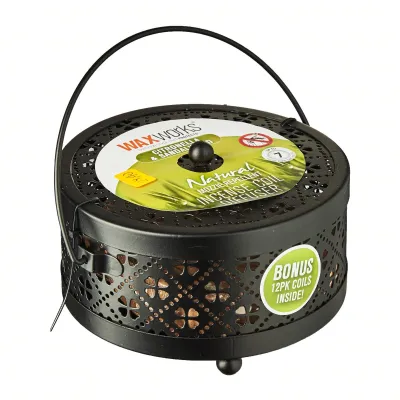
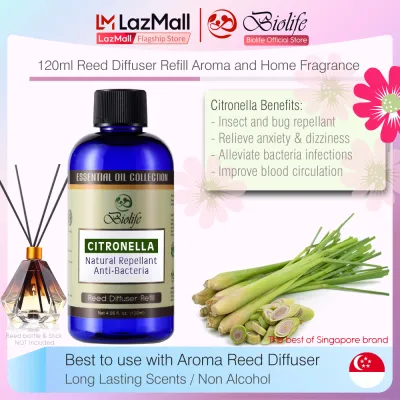
![[Lemongrass House] Mosquito Repellent Reed Diffuser 120ml - Citronella Geranium Lavender and Orange Peel](https://img.lazcdn.com/g/p/666ccaf8c646f3421700157511f1c56f.jpg_400x400q80.jpg_.webp)
![[Ideal Gift]SHIORA Aromatherapy Series Home Scent Reed Diffuser | 50/100ml/200ml | Essential Oil | Room Perfume | Cedarwood Citronella Lavender Lemongrass Sandalwood Peppermint](https://img.lazcdn.com/g/p/1a642e36894f4469e11652ce3c852217.png_400x400q80.png_.webp)

Prices are valid at publication and may change. Please refer to the product page for the latest price.
The type of diffusion technology a brand utilizes also plays a major role in both oil consumption and scent delivery. Ultrasonic diffusers are the most common variety, utilizing high-frequency electronic vibrations to break down a mixture of water and essential oil into a fine, cool mist. Because the citronella oil is diluted in water, these devices consume oil slowly, making them highly cost-effective for daily, long-term use. In contrast, nebulizing diffusers operate without water, using pressurized air to atomize pure, undiluted essential oil directly into the room. While nebulizers deliver a much more potent aroma and cover larger areas quickly, they consume essential oil at a much faster rate, which increases your ongoing operating costs.
Before finalizing your choice, compile a checklist of mandatory specifications to verify on the product label or the official brand website. Always check the exact water tank capacity, the rated mist output per hour, and the power consumption in watts. Additionally, verify the input voltage and frequency to ensure compatibility with your local electrical grid. For instance, household appliances in Singapore operate on a standard voltage of 230 volts at a frequency of 50 hertz. Ensuring the device or its power adapter carries recognized safety certifications is a crucial step to prevent electrical hazards in your home.
Real-World Factors That Alter Diffuser Performance
Even the highest-quality citronella diffuser will underperform if environmental variables are not taken into account. Active ventilation is the primary factor that dilutes the effectiveness of diffused essential oils. If you operate a diffuser in a room with an active air conditioning system, a ceiling fan, or open windows, the rapid air exchange will sweep the citronella particles away before they can accumulate. Similarly, rooms with high ceilings contain a much larger volume of air than standard rooms, meaning a diffuser rated for a specific floor area may struggle to maintain a consistent scent profile in a double-volume living space.

Ambient humidity and temperature also dictate how effectively an ultrasonic diffuser’s mist disperses through the air. In warm, highly humid tropical climates, the surrounding air is already heavily saturated with moisture. This high humidity can prevent the cool mist emitted by an ultrasonic device from evaporating efficiently. Instead of rising and spreading throughout the room, the heavy, moisture-laden mist may fall rapidly to the ground, leading to condensation pooling on your tables or floors and reducing the overall reach of the citronella scent.
To maximize the effective radius of your device, strategic placement and elevation are essential. You should place the diffuser on a stable, water-resistant surface approximately 1 to 1.5 meters above the floor, such as on a sideboard, shelf, or console table. This elevation allows the mist to mix with natural indoor air currents and disperse evenly across the room before settling. Avoid placing the unit directly on the floor, near air conditioning vents, or behind large pieces of furniture that block the physical path of the mist.
Recognizing the observable signs of an undersized diffuser can help you adjust your setup or choose a more powerful model. If you can only detect the distinct aroma of citronella when standing within a one-meter radius of the device, the diffuser is likely too small for the room’s volume. Other common indicators include a persistent lack of scent despite running the device on its highest setting, or finding that you must use excessive amounts of essential oil to achieve a mild aromatic effect. If you notice these issues, you may need to introduce a second unit or upgrade to a model with a higher mist output rate.
Condition-Based Selection Guide for Your Space
Matching a diffuser’s specifications to your specific room size and usage patterns ensures you get the best possible performance. If your primary goal is to maintain a continuous, subtle scent throughout the night in an enclosed bedroom, a high-capacity ultrasonic model is the most suitable choice. Look for a device with a water tank capacity of 300 to 500 milliliters and a low-mist or intermittent setting. This configuration allows the device to run quietly for 8 to 12 hours, providing consistent coverage while you sleep. It is also vital to select a model equipped with an automatic shut-off feature, which safely cuts power to the heating element or ultrasonic plate when the water reservoir runs dry.
For small, highly ventilated entryways, transitional spaces, or semi-outdoor patios, a compact ultrasonic diffuser with a 100-to-200-milliliter tank is often more practical. Because outdoor air currents will inevitably carry the scent away, running a large diffuser continuously can result in wasted oil and water. Instead, choose a compact model that offers highly customizable intermittent settings, such as releasing mist for 30 seconds followed by a 30-second pause. This pattern conserves your citronella oil while still delivering regular, localized bursts of scent to deter pests near doorways.
If you prioritize maximum scent concentration and rapid dispersion over long, water-based runtimes, a nebulizing diffuser is the superior option. Nebulizers are ideal for large, open-plan living areas or rooms with high ceilings where ultrasonic mist would quickly dissipate. Because they disperse pure, undiluted citronella oil, they can establish a strong aromatic presence in a fraction of the time required by water-based models. However, because they do not add moisture to the air, they are less suitable if you also want the mild humidifying benefits that ultrasonic diffusers provide.
Regardless of the model type you select, always perform a thorough verification of the electrical specifications to ensure safe operation. In Singapore, residential electrical outlets supply 230 volts of electricity at 50 hertz, typically requiring a Type G three-pin plug. When purchasing a diffuser, verify that the power adapter is certified for local use and carries the appropriate safety marks. Using non-compliant power adapters or attempting to run a low-voltage device without the correct transformer can lead to electrical short circuits, overheating, or permanent damage to the diffuser’s internal motor.
Safe Operation and Maintenance for Citronella Oils
Proper maintenance is essential to keep your diffuser operating efficiently and to prevent the buildup of sticky residues. Citronella essential oil is naturally viscous and can leave a stubborn film on the internal surfaces of the water tank and the ultrasonic plate. Over time, this residue can clog the vibrating mechanism, leading to a noticeable drop in mist output or complete device failure. To prevent this, make it a habit to empty any remaining water and oil after every three to four uses. Gently clean the ultrasonic plate using a cotton swab dipped in rubbing alcohol or a mild, non-abrasive dish soap, then rinse the tank thoroughly with clean water and dry it with a soft cloth.
Electrical safety should always be your top priority when handling water-based appliances. Before filling the water reservoir, cleaning the components, or moving the diffuser to another room, always isolate the power supply by unplugging the adapter from the wall outlet. Never allow water to spill into the air outlet vent or the power jack located on the base of the device, as this can cause water to enter the electrical housing. If you plan to use the diffuser on a balcony or patio, ensure the power outlet and connection points remain completely dry and protected from sudden rain showers.
When diffusing citronella in shared living spaces, you must take the safety of pets and young children into consideration. Citronella oil contains natural compounds that can be highly irritating or toxic to domestic pets, particularly cats and dogs, who possess an exceptionally sensitive sense of smell and lack certain liver enzymes needed to metabolize these substances. Always operate your diffuser in a well-ventilated room, and ensure that your pets have a clear, unobstructed path to leave the area if the scent becomes too strong for them. Additionally, keep both the operating diffuser and your bottles of essential oil securely out of reach of children to prevent accidental ingestion or skin contact.
Finally, you should be aware of the specific conditions that require you to immediately stop using the device. Turn off and unplug the diffuser if you notice any signs of electrical malfunction, such as a burning smell, unusual buzzing or grinding noises, a hot power adapter, or water leaking from the bottom of the casing. Furthermore, if anyone in your household experiences respiratory discomfort, persistent coughing, watery eyes, or skin irritation while the diffuser is active, cease use immediately. In such cases, ventilate the room thoroughly and consult the product manufacturer or a qualified professional to address any underlying safety or mechanical issues.
Community discussion
Share your experience or ask a question. Comments are reviewed before publication.