
Selecting the ideal cordless lamp in Singapore requires balancing physical durability with battery endurance, as no single brand category excels at every task. The optimal choice depends on whether the lamp is intended for focused study, smart home integration, or rugged outdoor portability.
For dedicated reading and work, premium lighting brands prioritize optical performance and high-quality metal builds, though their high-power LEDs may demand more frequent charging. Smart home and consumer electronics brands offer seamless connectivity and minimalist aesthetics, making them excellent for ambient bedside lighting or casual tasks, though they often rely on lightweight plastics. For maximum runtime and environmental resistance, outdoor utility brands provide robust, weather-sealed housings and high-capacity batteries, albeit with a trade-off in desk aesthetics and color rendering accuracy.
Before purchasing, you must evaluate your primary environment and verify the manufacturer’s technical specifications. Relying solely on broad brand reputations can lead to mismatching a lamp’s design with your actual daily needs.
Products mentioned in this guide
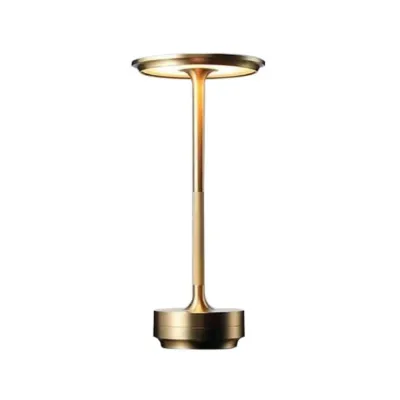
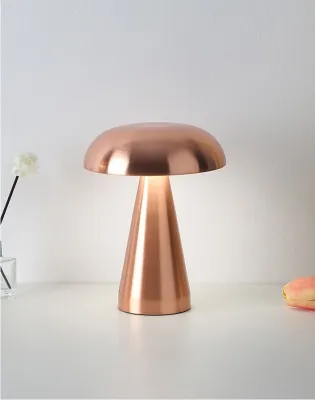
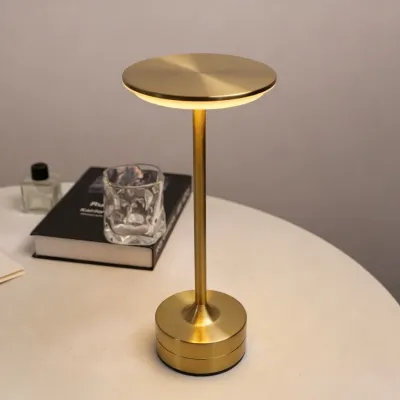
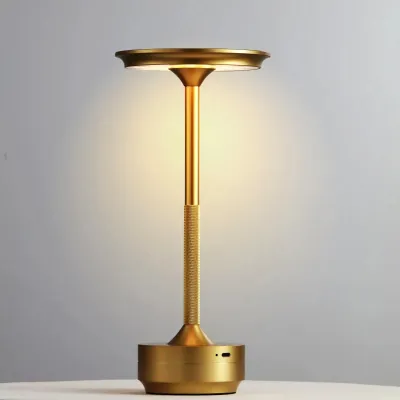
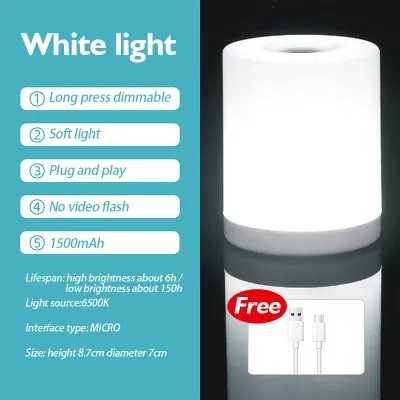
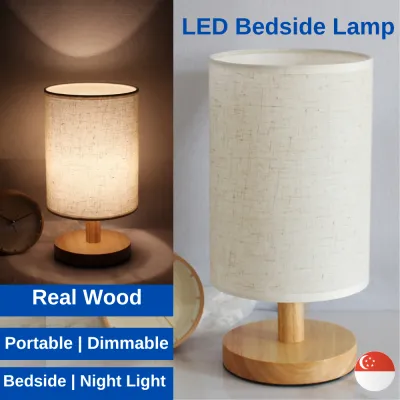
Prices are valid at publication and may change. Please refer to the product page for the latest price.
Decoding Specifications: Battery Life and Build Quality Metrics
To make an informed decision, you must look past marketing terms like “long-lasting” and analyze the underlying electrical and material specifications. Understanding how battery capacity interacts with power consumption allows you to predict real-world performance accurately.
Battery capacity is typically measured in milliampere-hours (mAh) or Watt-hours (Wh). To compare different lamps, convert mAh to Wh using the nominal voltage of the internal battery (usually 3.7 volts for lithium-ion cells) with the formula: Watt-hours = Ampere-hours × Voltage. For example, a 5000 mAh (5 Ah) battery operating at 3.7V delivers 18.5 Wh of energy. If the lamp draws 2 watts of power at its maximum brightness setting, it will theoretically run for approximately 9.25 hours. However, real-world runtime is always lower due to energy lost as heat in the driver circuitry, which typically operates at 80% to 90% efficiency.
The efficiency of the LED driver is a critical differentiator among brands. A well-engineered driver maintains a constant current, ensuring the light output remains stable as the battery voltage drops. Cheaper designs often allow the light to dim gradually as the battery drains, which artificially extends the advertised runtime but compromises visual comfort. When evaluating brands, look for specifications that detail the runtime at specific lumen outputs rather than a single, generic maximum runtime figure.
Build quality directly influences both the physical lifespan of the lamp and its safety. Premium cordless lamps frequently utilize anodized aluminum or high-density polycarbonate. Anodized aluminum provides superior structural rigidity, resists scratches, and acts as an efficient heatsink. Efficient heat dissipation is vital because high temperatures accelerate the degradation of both the LED emitter and the internal lithium-ion battery. Standard ABS plastic is lighter and more affordable, but it is more prone to cracking upon impact and can degrade or discolor when exposed to UV light over time.
Mechanical components require close inspection, particularly the hinges on adjustable desk lamps and the stability of the base. A quality lamp should feature a weighted base—often achieved with an internal steel plate—to prevent tipping when the arm is fully extended. The tension in adjustable joints must be firm enough to hold the lamp head in place without drooping over time. Furthermore, the choice of charging interface matters; USB-C has become the industry standard due to its durability and reversible design, whereas proprietary magnetic pins or barrel jacks can be difficult to replace if lost or damaged.
Comparing Cordless Lamp Brand Categories in Singapore
The cordless lamp market in Singapore can be categorized into three distinct brand segments, each targeting specific user priorities and operating environments.

Premium and Professional Lighting Brands
Premium lighting brands design cordless lamps as long-term investments, focusing heavily on optical health, precise engineering, and high-end materials. These manufacturers prioritize a high Color Rendering Index (CRI), typically rated at CRI 90 or above, which ensures that colors appear natural and vibrant under the light. They also incorporate flicker-free driver technology to minimize eye strain during prolonged reading or working sessions.
The physical construction in this category almost exclusively features metals like aluminum, brass, or stainless steel, giving the lamps a substantial, premium feel. To protect the battery, these brands implement sophisticated battery management systems (BMS) that regulate charging speeds and monitor temperature. The primary trade-off is power consumption; high-CRI LEDs require more energy to produce the same lumen output as lower-quality chips, meaning these lamps may offer shorter runtimes at maximum brightness compared to budget alternatives. They are best suited for study rooms, home offices, and formal living spaces where visual precision is paramount.
Smart Home and Consumer Electronics Brands
Smart home and consumer electronics brands focus on ecosystem integration, modern aesthetics, and user convenience. These lamps often feature wireless connectivity, allowing you to adjust brightness, schedule operating hours, or change color temperatures via a smartphone application or voice commands integrated with local smart home hubs.
The build quality typically relies on lightweight, minimalist designs using matte-finished plastics or thin aluminum alloys. While highly aesthetic and easy to move around a modern Singapore apartment, these lamps are generally less rugged than their premium or outdoor counterparts. Battery performance is optimized for ambient or casual task lighting rather than continuous high-output illumination. Utilizing smart features like continuous Wi-Fi standby will slowly drain the battery even when the light is turned off, requiring more frequent visits to the charging dock. This category is ideal for tech-conscious users seeking versatile, decorative lighting for bedside tables or occasional reading nooks.
Outdoor and Portable Utility Brands
Outdoor and portable utility brands build lamps designed to withstand harsh environments, prioritizing physical resilience and extreme battery runtimes over pure optical refinement. These lamps are engineered for patios, balconies, camping, or portable utility work where exposure to the elements is common.
The defining characteristic of these brands is their Ingress Protection (IP) rating. You will typically find ratings such as IP54 or IP65, indicating resistance to dust and splashing water—a crucial feature for outdoor use in Singapore’s frequent tropical downpours. The outer casings are constructed from impact-resistant polymers, often reinforced with rubberized bumpers or silicone sleeves to absorb shocks from accidental drops. To support extended outdoor use, these lamps house massive battery cells that can run for dozens of hours on low settings, and many models include a reverse-charging feature to serve as emergency power banks. However, the light quality is often cooler and has a lower CRI, making them less suitable for tasks requiring accurate color perception.
Safety, Compliance, and Pre-Purchase Verification
When purchasing a cordless lamp in Singapore, safety compliance and environmental suitability should guide your final decision. Although cordless lamps operate on low-voltage direct current (DC) and are not classified as controlled goods under local safety regulations, their charging accessories are.
The AC power adapter or USB charger plug supplied with or purchased for your lamp must comply with the Consumer Product Safety Office (CPSO) regulations. In Singapore, these adapters must carry the SAFETY Mark, which ensures the device has been tested and certified safe from electrical hazards, short circuits, and overheating. Using an uncertified charger poses a significant fire risk, especially when charging high-capacity lithium-ion batteries. Always verify that the charger features this mark before plugging it into your wall socket.
Singapore’s tropical climate presents unique challenges for electronic devices. The high relative humidity, which regularly exceeds 80% indoors, can accelerate the corrosion of exposed metal components. When evaluating cordless lamps, check if the charging port has a protective silicone cover or if the manufacturer specifies the use of corrosion-resistant materials like gold-plated or stainless-steel contacts. Moisture ingress into the charging port can cause short circuits or prevent the lamp from charging altogether.
Warranty coverage is another critical factor that varies widely between brands. Because lithium-ion batteries naturally degrade over time, you must read the warranty terms carefully to see if the battery is covered under the standard warranty period. Many manufacturers exclude battery capacity loss from their standard coverage, treating it as normal wear and tear. Look for brands that offer clear paths for battery servicing, or those that sell official replacement batteries, to ensure your lamp does not become electronic waste once the original battery reaches the end of its lifespan.
Daily Maintenance to Maximize Battery and Build Lifespan
Proper maintenance and charging habits can significantly extend both the battery life and the physical appearance of your cordless lamp. Lithium-ion batteries are sensitive to how they are charged and stored, and simple daily practices can prevent premature capacity loss.
To maximize battery lifespan, avoid deep discharges. Letting the battery drain completely to 0% puts high stress on the lithium-ion cells, which can permanently reduce their overall capacity. Instead, try to recharge the lamp when the battery level drops to around 20%. Conversely, avoid leaving the lamp plugged into the charger continuously if it lacks a smart battery management system. Continuous charging can cause micro-cycling and generate excess heat, both of which accelerate battery aging. If you plan to use the lamp primarily in a fixed location next to an outlet, check if the manufacturer’s instructions permit operating the lamp on direct mains power while bypassing the battery.
Physical care is equally important to maintain the lamp’s structural integrity. When cleaning the lamp, always turn it off and disconnect it from the charger. Use a dry or slightly damp microfiber cloth to wipe down the body and the diffuser panel. Avoid using harsh chemical solvents, alcohol, or abrasive cleaning agents, as these can strip away anodized finishes, degrade anti-glare coatings on the light diffuser, or dry out rubberized grips and seals. If the lamp has adjustable joints, avoid forcing them beyond their designed angles of rotation, as this can pinch internal wiring or strip the mechanical threads.
When storing the cordless lamp for an extended period, charge the battery to approximately 50% rather than storing it completely full or completely empty. Store the device in a cool, dry place away from direct sunlight. Prolonged exposure to sunlight can yellow white plastics, degrade synthetic seals, and subject the internal battery to high temperatures, which can lead to swelling or permanent capacity loss.
Frequently Asked Questions (FAQ)
Can I replace the battery in a cordless desk lamp myself?
Most modern cordless lamps are designed with sealed, integrated battery compartments to maintain a sleek aesthetic and protect internal components from dust and moisture. Attempting to pry open the housing yourself can damage the delicate internal circuitry, compromise any existing water resistance, and void the manufacturer’s warranty. If your lamp’s battery life has degraded significantly, check the manufacturer’s service guidelines or contact an authorized service center in Singapore to inquire about professional battery replacement options.
Does using a fast charger damage the cordless lamp's battery?
Using a fast charger will not damage the lamp’s battery, provided the charger is certified and the lamp has a modern power management circuit. The lamp’s internal charging controller determines the maximum current it will draw, regardless of how many watts the charger is capable of supplying. However, you must ensure that you use a high-quality, SAFETY Mark certified charger and a compatible cable. Low-quality chargers can deliver unstable voltage, which can cause overheating and stress the battery during the charging cycle.
Community discussion
Share your experience or ask a question. Comments are reviewed before publication.