
Quick Answer: Navigating Crystal Table Lamp Brands
When shopping for a crystal table lamp in Singapore, there is no single “best” brand that suits every home. The ideal choice depends entirely on your personal priorities: whether you value heritage authenticity, modern design, or budget-friendly accessibility.
The market is broadly divided into three tiers: Luxury/Heritage, Contemporary Design, and Accessible/Mass-Market. To find the best value, you must match the specific crystal type and craftsmanship of the lamp to your intended room setting, lighting needs, and budget.
Core Dimensions for Comparing Crystal Quality
Evaluating a crystal table lamp requires looking beyond its surface sparkle. To make an informed comparison between brands, you must analyze three core dimensions: material composition, structural build quality, and optical design.
Products mentioned in this guide
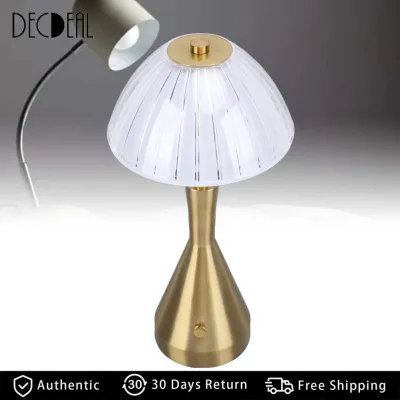
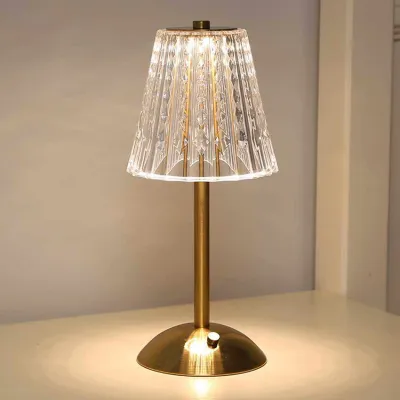
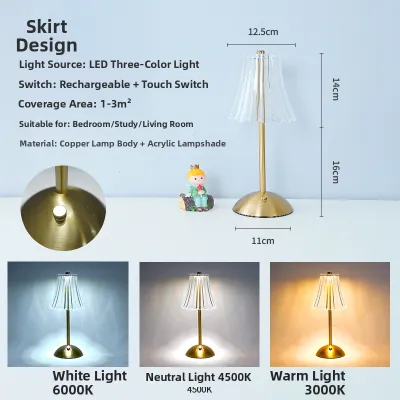
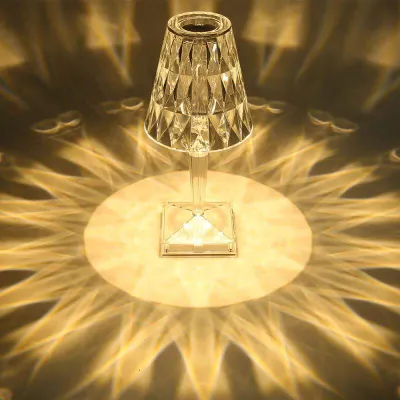
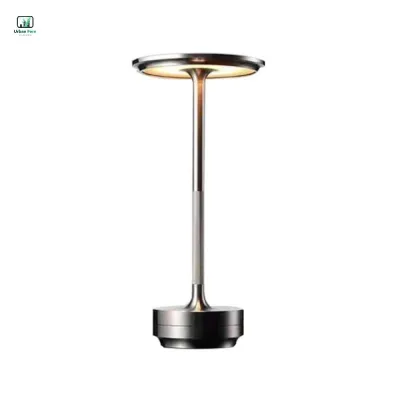
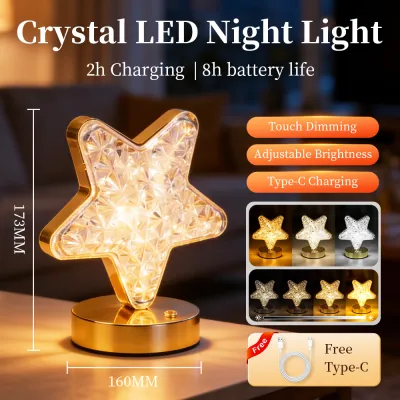
Prices are valid at publication and may change. Please refer to the product page for the latest price.

Crystal Authenticity and Material Composition
The term “crystal” is used broadly in the lighting industry, but the actual material composition varies significantly between brands. High-end heritage brands typically use full lead crystal, which contains lead oxide to increase the glass’s density and refractive index. This material is exceptionally heavy, highly clear, and splits light into brilliant, rainbow-colored spectra. However, modern environmental standards have led many contemporary brands to adopt high-quality lead-free crystal, which utilizes alternative metal oxides like barium or zinc to achieve similar clarity and weight without the lead content.
Another highly popular material in mid-tier contemporary lamps is K9 optical glass. K9 is a high-index borosilicate glass that is machine-cut and polished to mimic the optical properties of lead crystal at a fraction of the cost. While it offers excellent clarity and sharp facets, it is slightly lighter and has a marginally lower refractive index than premium lead crystal. At the lower end of the market, brands often use molded soda-lime glass or acrylic alternatives. Acrylic lamps are lightweight and shatter-resistant, but they lack the weight, cold feel, and brilliant light refraction of genuine crystal, and they are prone to scratching and yellowing over time.
When comparing brands, always check the product specifications for explicit material labels. Premium manufacturers will openly state the exact type of crystal used and often provide certificates of authenticity or origin. If a brand simply lists the material as “crystal” without further detail, it is highly likely to be standard molded glass or acrylic.
Build Quality and Craftsmanship
A crystal table lamp is an electrical fixture as well as a decorative sculpture, meaning its structural integrity is just as important as its optical clarity. When comparing brands, inspect the base material and weight. Premium brands construct their lamp bases from solid brass, stainless steel, or heavy cast alloys that provide a stable foundation to support the heavy crystal elements. In contrast, mass-market brands often use lightweight molded resins or thin, electroplated iron sheets that can feel flimsy and make the lamp top-heavy and prone to tipping.
The quality of the electrical components is another critical differentiator. High-quality lamps feature robust ceramic or heavy-duty thermoplastic sockets, thick insulated wiring, and reliable switch mechanisms, such as solid metal rotary switches or high-grade in-line switches. Examine how the crystal pieces are attached to the frame. In superior craftsmanship, individual crystal drops or panels are secured using hand-pinned metal wires, clips, or precision-machined screws. Lower-quality lamps often rely on visible glue or adhesive tape to hold the crystal elements in place, which can degrade over time, especially in Singapore’s warm and humid climate.
Furthermore, look closely at the joints and edges of the metalwork. Premium brands ensure all joints are seamlessly welded and polished, with no rough edges, visible solder, or uneven plating. The metal finishes should be consistent across the entire lamp, resisting tarnishing and fingerprints.
Design Aesthetics and Light Refraction
The visual appeal of a crystal table lamp is determined by how its design interacts with light. Traditional brands often focus on classic, ornate silhouettes, such as chandelier-style lamps featuring cascading crystal droplets, scrolled metal arms, and intricate floral motifs. These designs are highly decorative and excel at creating dramatic, shimmering patterns on nearby walls. On the other hand, contemporary brands lean toward minimalist, geometric aesthetics, utilizing solid crystal columns, stacked spheres, or sleek rectangular blocks that fit seamlessly into modern Singaporean homes.
The way a lamp refracts light depends heavily on the cut and facet count of the crystal. Hand-cut facets feature razor-sharp edges and precise angles that maximize the dispersion of light, creating brilliant prismatic effects. Machine-cut crystals also offer high precision and clean lines, which are ideal for modern geometric designs. Molded crystals, however, have slightly rounded edges that soften the light refraction, resulting in a more subdued, less brilliant glow.
When choosing a style, consider how the lamp’s design complements your existing interior decor. An ornate, traditional lamp can serve as a stunning focal point in a classic or Parisian-style living room, while a sleek, geometric crystal column provides a subtle touch of luxury to a modern, minimalist bedroom or home office.
Price Positioning and Value Tiers
Understanding the price positioning of crystal table lamps in Singapore helps you set realistic expectations. The market can be categorized into three distinct value tiers.
The Luxury and Heritage Tier typically starts from S$1,000. Brands in this tier focus on hand-cut full lead crystal, solid brass bases, and prestigious brand heritages. These lamps are treated as investment pieces. The value lies in the unmatched optical brilliance, meticulous hand-craftsmanship, and long-term prestige.
The Contemporary Design Tier ranges from approximately S$250 to S$900. This tier is highly popular among Singaporean homeowners who want a balance of modern aesthetics and high-quality materials. Brands in this category typically use premium lead-free crystal or high-grade K9 optical glass, paired with robust metal alloys. These lamps offer excellent light refraction, reliable build quality, and contemporary designs that suit modern apartments.
The Accessible and Mass-Market Tier consists of lamps priced under S$150. These options are widely available on online marketplaces and in local home decor stores. They often utilize molded soda-lime glass, K9 glass accents, or acrylic blends, supported by simpler plated iron or resin bases. While they lack the brilliant refraction of higher-tier options, they serve as excellent decorative accents on a strict budget.
To assess value within any tier, look for transparency in material specifications, the length of the manufacturer’s warranty, and the availability of replacement parts. A brand that offers a clear warranty and sells individual replacement crystal drops provides significantly better long-term value than one that requires you to replace the entire lamp if a single crystal chip occurs.
Decision Framework: Choosing the Right Brand Tier
To select the right brand tier for your home, evaluate your specific space, budget, and functional requirements using this condition-based framework.
Choose Luxury/Heritage if: You are looking for a statement investment piece for a formal space, such as a grand entryway console or a formal dining room sideboard. This tier is ideal if you appreciate traditional hand-craftsmanship, desire the maximum possible light refraction, and want a lamp that will retain its beauty and value for decades.
Choose Contemporary Design if: You want a high-quality, durable lamp for everyday living areas, master bedrooms, or home offices. This tier is perfect if your home features modern, transitional, or minimalist interior design, and you want the brilliant look of genuine crystal without the extreme price tag of heritage brands.
Choose Accessible/Mass-Market if: You are styling a high-traffic area, a children’s room, or a rental property where fragile items are at risk of being knocked over. This tier is also suitable if you want a temporary decorative accent, are working within a strict budget, or prefer lightweight materials that are easy to move.
Verify first if: The lamp’s physical dimensions and weight are compatible with your furniture. Additionally, check if the lamp requires specialized bulb types that may be difficult to source locally, or if it features a dimmable switch that requires specific dimmable LED bulbs to function correctly without flickering.
Pre-Purchase Verification and Safety Checklist
Before finalizing your purchase, complete these essential verification steps to ensure safety and compatibility in your Singapore home.
First, verify electrical safety and voltage compatibility. Singapore operates on a 230V 50Hz electrical system. Ensure the lamp is rated for this voltage and features a compatible Type G three-pin plug. For peace of mind, look for the Enterprise Singapore SAFETY Mark on the plug, adapter, or inline switch, which indicates the product has been tested and certified safe for local use.
Second, check the lamp’s physical dimensions and weight. Crystal table lamps can be surprisingly heavy, sometimes weighing several kilograms. Ensure your bedside table, console, or side table is sturdy enough to support the weight and has a wide, stable surface to prevent accidental tipping.
Third, review the manufacturer’s care and maintenance instructions. Singapore’s high humidity can accelerate the tarnishing of low-quality metal plating. Verify if the metal components have been treated with protective anti-tarnish coatings, and confirm whether the crystal elements require specialized cleaning solutions or can be maintained with simple dry dusting.
Finally, confirm the retailer’s return policy and warranty coverage. Because crystal is highly fragile, there is always a risk of damage during transit. Ensure the seller provides comprehensive transit insurance and a clear policy for replacing damaged or missing crystal pieces upon delivery.
Frequently Asked Questions (FAQ)
How do I clean a crystal table lamp without damaging it?
Always turn off and unplug the lamp before performing any cleaning or maintenance to avoid electrical hazards. For regular maintenance, use a soft, dry, lint-free microfiber cloth to gently dust the crystal elements and metal base. If the crystal has accumulated grime, check the manufacturer’s instructions before applying any liquids. If permitted, you can use a slightly damp microfiber cloth with a mild mixture of water and a drop of dish soap, followed immediately by wiping with a dry cloth to prevent water spots. Never use harsh chemical solvents, abrasive pads, or ammonia-based glass cleaners, as these can strip the protective lacquer or plating from the metal frame and dull the crystal’s surface.
Do crystal table lamps require special light bulbs?
Crystal table lamps do not strictly require proprietary bulbs, but the type of bulb you choose will dramatically affect the lamp’s visual performance. Always check the socket’s maximum wattage limit and base type (such as E14 or E27) before purchasing a bulb. To maximize the crystal’s brilliant light refraction and create sharp, beautiful patterns on your walls, use clear or filament LED bulbs. Frosted bulbs diffuse the light too softly, which dulls the prismatic rainbow effects of the crystal facets. If your lamp has a dimming feature, ensure you purchase a bulb explicitly labeled as dimmable to prevent flickering or buzzing.
Community discussion
Share your experience or ask a question. Comments are reviewed before publication.