
Finding the right desk lamp in Singapore requires balancing optical performance with physical durability. With many options available on the market, identifying a model that truly protects your eyes from strain while surviving years of daily adjustments comes down to verifying technical specifications and construction materials rather than relying on brand names alone. By understanding key lighting metrics, physical build indicators, and local electrical safety requirements, you can confidently select a desk lamp that suits your workspace and budget.
Key Optical Specs to Verify for Eye Comfort
To ensure a desk lamp provides genuine eye protection during long hours of study or work, you must look past marketing buzzwords and verify specific optical metrics on the product packaging or manufacturer specification sheets.
Flicker is one of the primary causes of eye strain and headaches, even when it is invisible to the naked eye. High-frequency or invisible flicker can cause the eye muscles to work harder to adjust to rapid changes in light output. When evaluating a desk lamp, check if the manufacturer explicitly states compliance with flicker-free standards, such as IEEE PAR1789. You can also perform a basic check by viewing the light source through your smartphone camera; visible banding or strobing on the screen often indicates a high level of low-frequency flicker.
Products mentioned in this guide
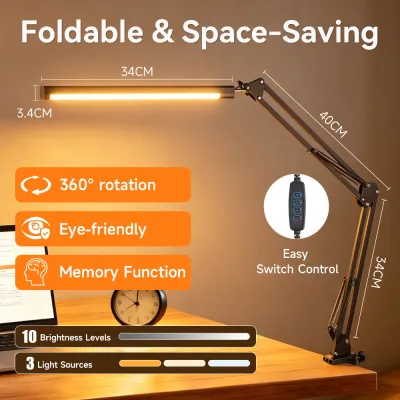
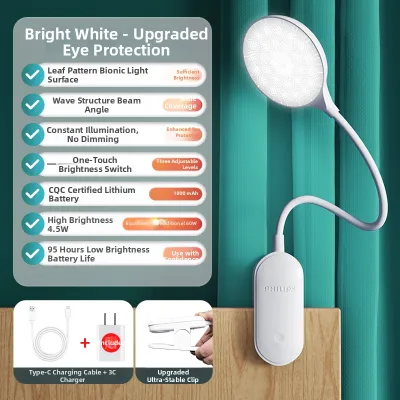
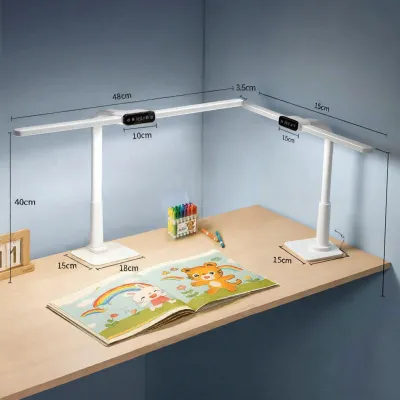
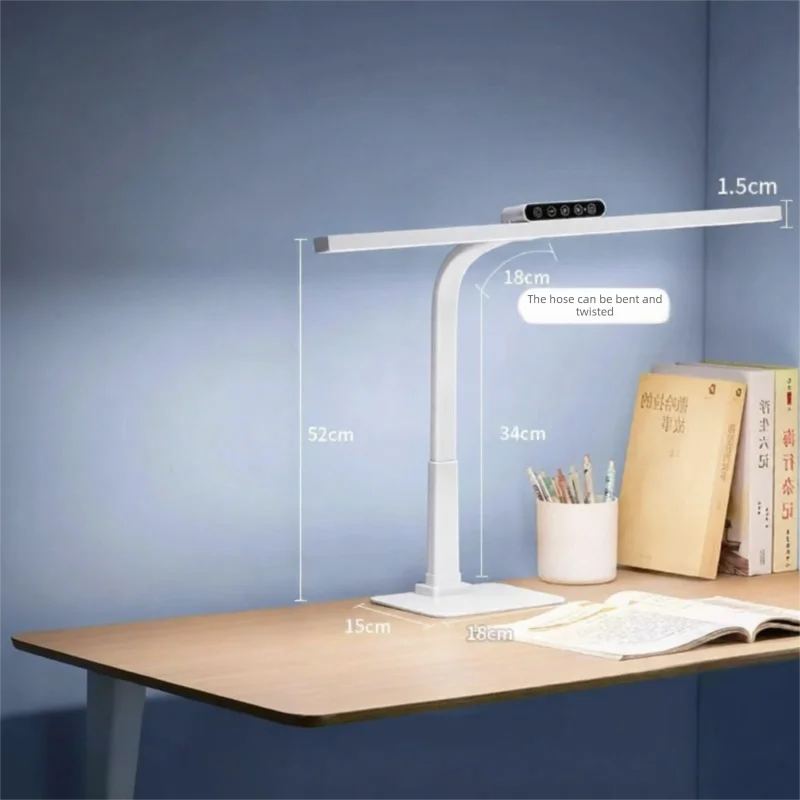
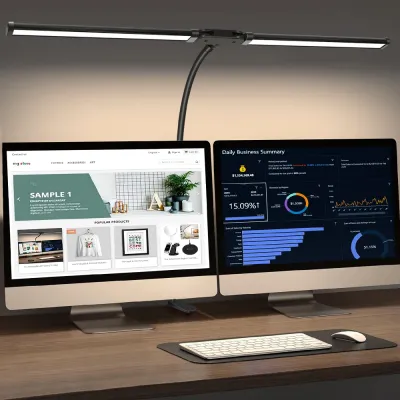
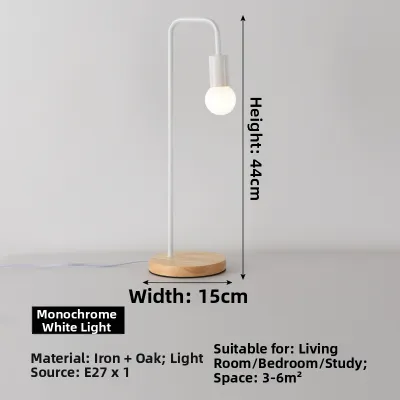
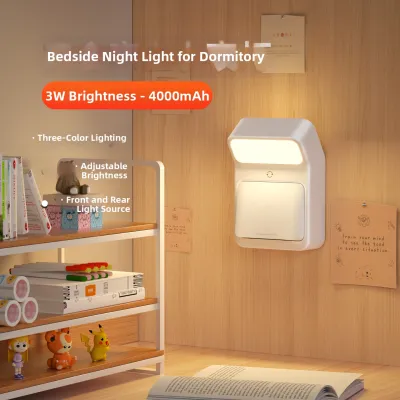
Prices are valid at publication and may change. Please refer to the product page for the latest price.
Color rendering and temperature adjustability are equally critical for visual comfort. The Color Rendering Index (CRI or Ra) measures how accurately a light source reveals the true colors of objects compared to natural daylight. For reading, writing, and detailed task work, look for a desk lamp with a CRI of 90 or higher (Ra >= 90) to reduce visual fatigue. Additionally, choose a lamp that offers adjustable color temperatures. A cool white light (around 5000K) helps maintain focus during daytime work, while a warm white light (around 2700K to 3000K) is gentler on the eyes during evening hours and supports natural sleep cycles.
Illuminance levels and light distribution determine how evenly your workspace is lit. A quality desk lamp should deliver sufficient brightness (typically between 500 and 1000 lux on the work surface) without creating harsh hotspots or deep shadows. Look for lamps with built-in diffusers, frosted lenses, or asymmetric optical designs that direct light across the desk at an angle rather than shining it directly downward. This minimizes direct glare from the bulb and indirect glare bouncing off computer screens or glossy paper.
How to Evaluate Build Quality and Durability
A desk lamp with excellent optical performance is of little use if its joints sag, its base wobbles, or its casing degrades after a few months of use. Evaluating the physical construction of a lamp ensures your investment lasts.

The materials used in the chassis and joints directly impact both durability and heat dissipation. Aluminum alloys and high-grade metals are generally superior to standard plastics for the main arm and lamp head. Metal components not only withstand the wear and tear of daily adjustments but also act as effective heat sinks for LED light sources. Proper heat dissipation is crucial because excessive heat degrades LED chips over time, leading to premature dimming or color shifting. If a lamp uses plastic, ensure it is high-impact, heat-resistant ABS or polycarbonate.
Base stability and weight distribution prevent accidental tipping on busy or uneven desks. A high-quality desk lamp should feature a heavy, well-balanced base with a low center of gravity. When adjusting the lamp arm to its maximum extension, the base must remain firmly planted without lifting or sliding. Check the bottom of the base for non-slip rubber or silicone pads, which provide grip on smooth wooden or glass desktops and protect the furniture from scratches.
The longevity of an adjustable desk lamp depends heavily on its hinge mechanisms and internal wiring. Look for lamps with robust tension joints, counterbalanced springs, or friction hinges that can be tightened manually if they loosen over time. Avoid designs with exposed, thin wires at the joints, as repeated bending can pinch or fray the insulation, creating a safety hazard. Well-designed lamps route the power cable safely inside the metal arm tubes or use reinforced, braided external cables with proper strain relief at the entry points.
Matching Desk Lamp Brands to Your Specific Needs
Because no single desk lamp is perfect for every user, selecting the right brand category depends on your primary activities, desk layout, and budget. A structured decision framework helps narrow down your options based on these practical constraints.
Choose professional and task-focused brands if you spend extended hours doing highly detailed work, such as drafting, crafting, or intensive studying. These brands prioritize strict optical compliance, high CRI values, and precise asymmetric light distribution that keeps glare off computer monitors. While these lamps often carry a higher price tag, they offer industrial-grade build quality, highly adjustable multi-axis arms, and long-term reliability that justifies the investment for dedicated workspaces.
Choose design-centric and premium brands if aesthetic integration, premium materials, and smart home ecosystem compatibility are your top priorities alongside reliable eye care. These brands focus on minimalist profiles, anodized aluminum finishes, and seamless integration with smart assistants or mobile apps. They are ideal for modern home offices or living spaces where the lamp serves as a design statement. However, ensure you are paying for actual optical performance and material quality rather than purely aesthetic appeal.
Choose value-oriented brands if you need reliable, standard-compliant lighting with essential adjustability on a strict budget. Many reputable manufacturers offer entry-level LED desk lamps that provide flicker-free light and basic color temperature adjustments without premium metal chassis or smart features. These are highly suitable for secondary desks, guest rooms, or student dorms where basic visual comfort is required without a significant financial outlay.
Safety Checks and Purchasing Tips in Singapore
When purchasing a desk lamp in Singapore, verifying electrical safety and local compatibility is essential to prevent household hazards and ensure reliable operation.
The most critical safety check for any mains-powered desk lamp sold in Singapore is the presence of the Safety Mark. This certification, issued by the Enterprise Singapore safety authority, ensures that the appliance or its power adapter has been tested and approved to meet local safety standards. Never purchase unbranded or uncertified electrical appliances from overseas sellers, as they may lack proper insulation, short-circuit protection, or voltage regulation.
Always verify the plug type and voltage compatibility before finalizing your purchase. Singapore uses Type G three-pin plugs and operates on a standard voltage of 230V at a frequency of 50Hz. If you are buying a lamp that uses a detachable power adapter or a USB connection, ensure the adapter supplied is rated for local voltage and carries the Safety Mark. Avoid using cheap, uncertified travel adapters for permanent desk setups, as they can overheat or cause loose electrical connections.
Finally, consider the warranty terms and after-sales support offered by the seller. Purchasing from authorized local retailers, official brand stores, or established online marketplaces ensures you receive a valid local warranty, typically ranging from one to three years. A local warranty provides peace of mind, allowing you to easily obtain a replacement or repair if the LED driver or touch controls fail prematurely. Avoid buying from unauthorized parallel importers, as they often do not cover return shipping or local repairs.
Frequently Asked Questions (FAQ)
How far should I place my desk lamp from my workspace?
For optimal task lighting and minimal eye strain, place your desk lamp about 35 to 50 centimeters away from your work surface. Position the light source to the side of your dominant hand—on the left if you are right-handed, and on the right if you are left-handed—to prevent your hand from casting shadows over your writing or reading material. If you use a computer monitor, position the lamp head slightly below eye level and angle it away from the screen to avoid creating reflective glare on the display.
Do I need a smart desk lamp for eye protection?
A smart desk lamp is not strictly necessary for eye protection, as basic optical quality depends entirely on passive design elements like flicker-free drivers, high-CRI LEDs, and physical diffusers. However, smart features like auto-dimming sensors can actively protect your eyes by automatically adjusting the lamp’s brightness to match changing ambient light conditions throughout the day. If you often forget to adjust your lighting manually as day turns to night, these automated features can prevent you from working in an under-illuminated or overly bright environment.
Community discussion
Share your experience or ask a question. Comments are reviewed before publication.